

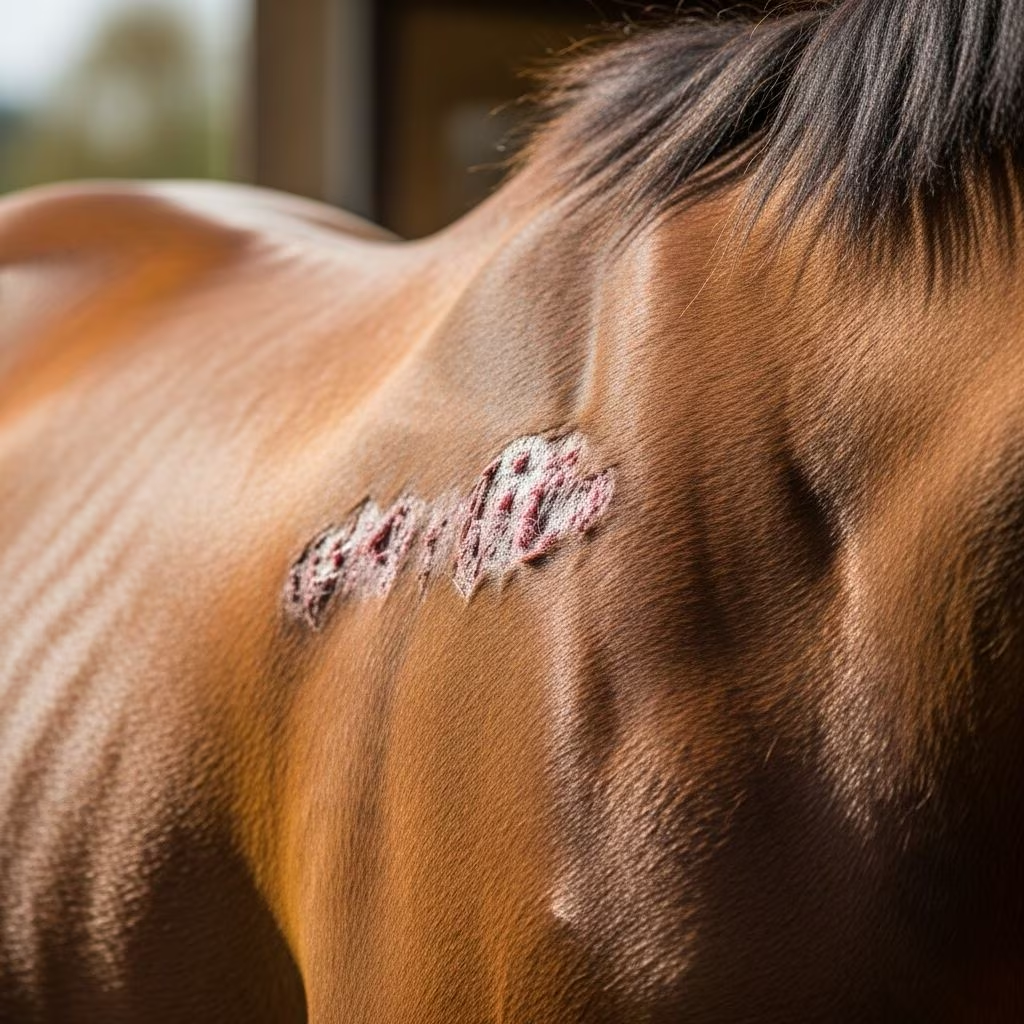
Saddle sores, also known as collar galls in harness horses, represent common yet preventable skin injuries resulting from friction and pressure under riding or driving tack. These conditions affect the skin beneath saddles or over shoulders, potentially leading to serious complications if ignored. Horse owners must prioritize proper equipment fit and vigilant monitoring to safeguard equine welfare.
Understanding the Mechanics of Saddle-Related Skin Injuries
These injuries arise primarily from mechanical stress where tack contacts the horse’s body. Ill-fitting saddles or harnesses create focal points of rubbing, compromising skin integrity. Sweat accumulation exacerbates the issue by softening the epidermis, making it prone to tears and bacterial invasion.
In riding horses, the withers and back muscles bear the brunt, while draft or driving breeds suffer over the pectoral region. Emaciated animals face heightened vulnerability due to minimal padding over bony prominences. Chronic exposure fosters deeper tissue damage, evolving from superficial irritation to necrotic zones.
Recognizing Early Warning Signs
Initial indicators include localized redness, warmth, and mild swelling beneath the tack area. Hair loss follows, accompanied by crust formation as exudate dries. Progression manifests as moist dermatitis, erosions, or open ulcers. Advanced stages reveal abscesses—fluctuant, painful lumps yielding pus upon lancing—or sloughing necrotic skin.
- Superficial phase: Erythema, alopecia, thin crusts
- Intermediate phase: Erosions, moist exudate, secondary folliculitis
- Severe phase: Ulcers, abscesses, fibrosis with leukotrichia in healed scars
Owners should inspect post-ride, parting hair to reveal hidden lesions. Pain on palpation or reluctance to bear weight signals urgency.
Factors Amplifying Risk in Equine Athletes
Beyond poor tack fit, several contributors heighten susceptibility:
| Risk Factor | Description | Impact |
|---|---|---|
| Ill-fitting equipment | Saddles bridging withers or collars pinching shoulders | Concentrated pressure points |
| Excessive moisture | Sweat-soaked padding or rainy conditions | Skin maceration, bacterial proliferation |
| Thin body condition | Low fat/muscle over bones | Direct bone-to-tack contact |
| Dirty grooming | Debris trapped under tack | Abrasive particle-induced trauma |
| Genetic predisposition | HERDA in certain breeds | Fragile skin prone to tearing |
Breeds like Quarter Horses, Paints, and Appaloosas merit HERDA screening via tail hair DNA if recurrent skin sloughing occurs.
Diagnostic Approaches for Accurate Assessment
Veterinary evaluation hinges on history—recent tack changes, ride duration—and physical exam. Cytology smears identify bacterial involvement, guiding antimicrobial choices. Deep lesions warrant ultrasound or aspiration to delineate abscesses from cellulitis. Biopsy rarely needed unless neoplasia suspected.
Differentiate from photosensitization or allergic dermatitis via lesion distribution strictly under tack contact points.
Step-by-Step Treatment Protocols
Core principle: Remove inciting cause immediately. Adjust or replace tack, ensuring even weight distribution.
- Initiate rest: Cease riding/driving until epithelialization complete, typically 2-6 weeks depending on severity.
- Cleanse gently: Mild antiseptics like chlorhexidine dilute solution; pat dry thoroughly.
- Acute management: Astringent soaks (e.g., Burow’s solution) to desiccate weeping lesions.
- Chronic/infected cases: Warm hydrotherapy followed by topical/systemic antibiotics based on culture.
- Surgical intervention: Debride necrotic tissue; drain hematomas/abscesses under sedation.
Wound dressings promote moist healing environment post-debridement. Monitor for proud flesh, excising if excessive.
Advanced Healing Techniques for Stubborn Lesions
Refractory cases benefit from honey-based dressings for antimicrobial properties or silver sulfadiazine creams. Platelet-rich plasma injections accelerate regeneration in fibrotic scars. Laser therapy reduces inflammation in select clinics. Always veterinary-supervised.
Proactive Prevention Strategies
Foremost: Professional saddle fitting every 6-12 months, accounting for muscular changes. Daily grooming removes grit; dry tack thoroughly post-use.
- Use breathable pads with moisture-wicking properties
- Alternate saddle positions or pads weekly
- Maintain optimal body condition score (5-6/9)
- Apply barrier creams pre-ride on at-risk areas
- Shorten initial sessions for young/green horses
Harness horses demand collar adjustments preventing shoulder galls; trace chains padded adequately.
Long-Term Management and Monitoring
Healed sites often regrow white hair (leukotrichia), signaling permanent alteration. Scar tissue contracts, potentially altering conformation—re-fit tack accordingly. Annual dermatologic checks for working horses catch subclinical issues.
Track progress with photos; recurrence mandates tack overhaul or HERDA testing.
FAQs on Equine Saddle Sores
How long until a horse can resume work after saddle sores?
Minor cases heal in 7-14 days; severe ulcers/abscesses require 4-8 weeks rest. Gradual reintroduction prevents relapse.
Can over-the-counter human creams treat horse saddle sores?
Avoid; equine skin pH differs. Consult vet for species-specific products.
What if my horse develops sores despite new tack?
Assess rider position/weight distribution; consider HERDA or nutritional deficits.
Are saddle sores contagious?
No, but shared dirty tack spreads bacteria—sanitize equipment.
Prevention tips for endurance/trail horses?
Frequent position shifts, electrolyte supplementation to minimize sweat, electrolyte baths post-ride.
This guide equips owners with tools for superior equine dermatologic health, minimizing downtime and enhancing performance longevity.
References
- Saddle Sores in Horses – Integumentary System — MSD Veterinary Manual. 2023. https://www.msdvetmanual.com/integumentary-system/saddle-sores/saddle-sores-in-horses
- Saddle Sores (Collar Galls) in Horses – Horse Owners — Merck Veterinary Manual. 2023. https://www.merckvetmanual.com/horse-owners/skin-disorders-of-horses/saddle-sores-collar-galls-in-horses
- Hereditary Equine Regional Dermal Asthenia (HERDA) — University of California, Davis Veterinary Genetics Lab. 2024. https://vgl.ucdavis.edu/test/herda
- Equine Wound Management — American Association of Equine Practitioners. 2025-02-01. https://aaep.org/horsehealth/wound-management
- Tack Fit Guidelines for Horses — United States Equestrian Federation. 2024. https://www.usef.org/learning-center/tack-fit



