

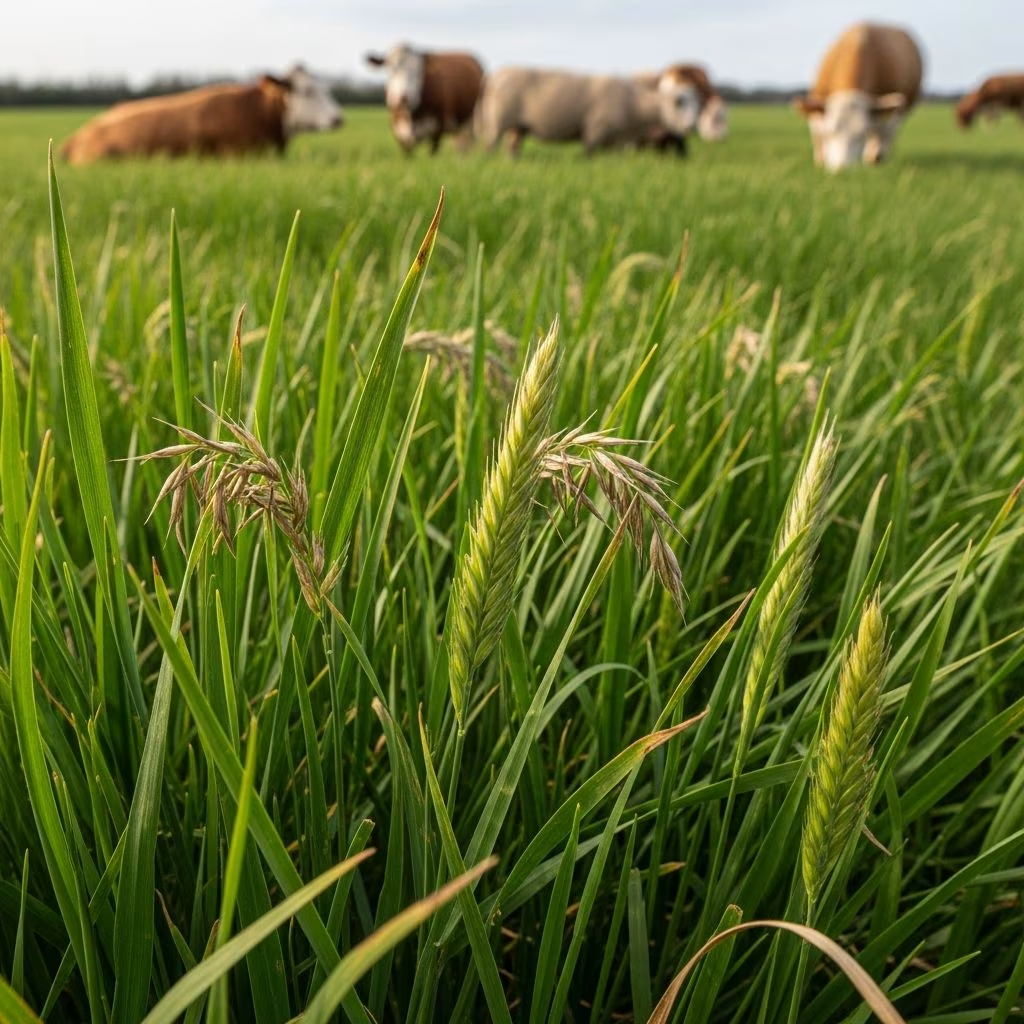
Ryegrass toxicity poses a significant threat to grazing animals, primarily through neurotoxins produced by bacteria in infected seed heads. This condition, often manifesting as neurological disorders, affects cattle, sheep, and horses, leading to coordination issues and potentially high mortality rates if not managed promptly.
Understanding the Root Causes
The primary culprit behind ryegrass toxicity is the bacterium Rathayibacter toxicus, which infects the seed galls of annual ryegrass (Lolium rigidum) and related species. These bacteria produce corynetoxins, potent glycolipids that target the central nervous system. Infection typically occurs when nematodes create wounds on developing seed heads, allowing bacterial entry. Warm, moist conditions favor bacterial proliferation, turning seemingly harmless pastures into toxic zones.
Outbreaks are seasonal, peaking in late spring or early summer after animals graze contaminated fields for several days. Hay, silage, or grain contaminated with infected seeds can also spread the toxins, extending the risk beyond fresh pastures. Unlike allergies or nutritional deficiencies, this toxicity directly disrupts nerve function, causing rapid onset of symptoms under stress.
Recognizing Clinical Manifestations
Symptoms emerge 2-6 days post-exposure, triggered by movement, heat, or excitement. Early indicators include fine head tremors and nodding, progressing to severe ataxia where animals adopt a wide-based stance to maintain balance. Affected livestock stumble, stagger, or collapse, exhibiting muscle rigidity and involuntary convulsions.
In cattle, disorientation leads to aimless wandering between episodes. Sheep display a characteristic high-stepping or rocking-horse gait, with wool growth impaired in survivors. Horses may refuse feed, show heightened reactivity, and escalate to seizures. Subtle cases cause weight loss, reproductive failures like testicular degeneration or fetal loss, while severe ones result in death within hours to days. Mortality often reaches 40-50%, emphasizing the need for swift recognition.
- Initial signs: Head nodding, mild tremors
- Progressive symptoms: Ataxia, stiff gait, collapse
- Severe indicators: Convulsions, opisthotonos (arching of head and neck), rapid death
Diagnostic Approaches
Diagnosis relies on clinical history, pasture evaluation, and lab confirmation. Veterinarians assess for exposure to suspect ryegrass fields, noting symptom triggers like mustering. Key differentiators from similar ‘staggers’ (e.g., perennial ryegrass or phalaris toxicity) include sudden relapse after apparent recovery and high fatality.
Laboratory tests detect corynetoxins via ELISA on rumen contents, feces, or pasture samples. Histopathology reveals brain congestion, perivascular eosinophilic material, Purkinje cell necrosis, and organ degeneration in liver/kidneys. Necropsy findings like pulmonary edema and hemorrhages support the case, though ante-mortem testing is preferred for herd management.
| Diagnostic Method | Description | Sample Type |
|---|---|---|
| Clinical Observation | Neurologic signs post-stress | Live animal |
| ELISA Immunoassay | Quantifies corynetoxins | Feces, rumen, pasture |
| Histopathology | Brain/liver lesions | Tissue postmortem |
Management and Care Strategies
No antidote exists for corynetoxins, making prevention and support critical. Immediately relocate animals to clean pastures with ample water, shade, and nutritious feed. Minimize handling to avoid triggering seizures; isolate severe cases for protection from elements and predators.
Supportive measures include anticonvulsants for persistent fits, hydration therapy, and monitoring vital signs. Mildly affected individuals often recover in 1-2 weeks as toxins clear, but those unable to stand after 12 hours warrant humane euthanasia to prevent suffering. Experimental cyclodextrin treatments showed initial promise but lacked reproducibility.
Prevention Tactics for Pasture Safety
Proactive pasture management curtails bacterial galls. Graze suspect fields early before seed set or use herbicides targeting ryegrass. Rotate livestock with safe forages like lucerne or cereals during high-risk periods. Scout hay/silage for infected heads, discarding contaminated batches.
Cultural practices such as heavy grazing, burning residues, or cultivating fields disrupt nematode cycles. Monitor weather for conducive conditions and test high-risk areas. Educating producers on regional outbreaks enhances vigilance, reducing incidence significantly.
- Early grazing to prevent seed head formation
- Herbicide application on ryegrass
- Feed inspection before distribution
- Rotation to non-host crops
Impacts on Different Species
Cattle suffer high losses due to group herding stresses exacerbating symptoms. Sheep face chronic effects like poor fleece quality, impacting market value. Horses, though less commonly reported, show acute neuro signs requiring urgent isolation. All species benefit from unified prevention across mixed farms.
Economic toll includes mortality, treatment costs, and lost productivity. In endemic areas, annual losses run into millions, underscoring investment in diagnostics and management.
Frequently Asked Questions
What triggers ryegrass toxicity symptoms?
Symptoms like staggering appear after grazing infected pastures for days, worsening with exercise, heat, or stress.
Can animals recover from ryegrass poisoning?
Yes, mildly affected ones recover in weeks with removal from source and support; severe cases often fatal.
How do I differentiate ryegrass toxicity from other staggers?
History of ryegrass exposure, lab toxin detection, and relapse patterns distinguish it.
Is ryegrass toxicity seasonal?
Primarily yes, in spring/summer when seed galls form under warm, wet conditions.
Are there vaccines or treatments?
No vaccines; treatments are supportive only, focusing on toxin elimination.
Long-Term Herd Health Considerations
Beyond acute cases, survivors may bear lasting damage like reduced fertility or growth. Routine pasture testing and diversified grazing prevent recurrence. Collaborate with extension services for tailored advice, integrating toxicity monitoring into farm protocols. Emerging research explores bacterial-resistant ryegrass varieties, promising future reductions in risk.
Farmers must balance ryegrass’s forage value against hazards, employing integrated pest management. Vigilance saves lives and sustains operations.
References
- Annual Ryegrass Toxicosis in Animals — Merck Veterinary Manual. 2023. https://www.merckvetmanual.com/toxicology/annual-ryegrass-toxicosis/annual-ryegrass-toxicosicosis-in-animals
- Annual ryegrass toxicity in livestock — Department of Primary Industries and Regional Development (DPIRD), Western Australia (.gov.au). 2024-05-15. https://www.dpird.wa.gov.au/businesses/pests-weeds-and-diseases/animal-pests-diseases/annual-ryegrass-toxicity-in-livestock/
- Annual Ryegrass Toxicity — Veterinary Handbook (.com.au, official veterinary resource). 2023. https://www.veterinaryhandbook.com.au/Diseases.aspx?diseasenameid=21
- Annual Ryegrass Toxicity in Livestock — Veterinary Handbook. 2023. https://www.veterinaryhandbook.com.au/Diseases.aspx?diseasenameid=21



