

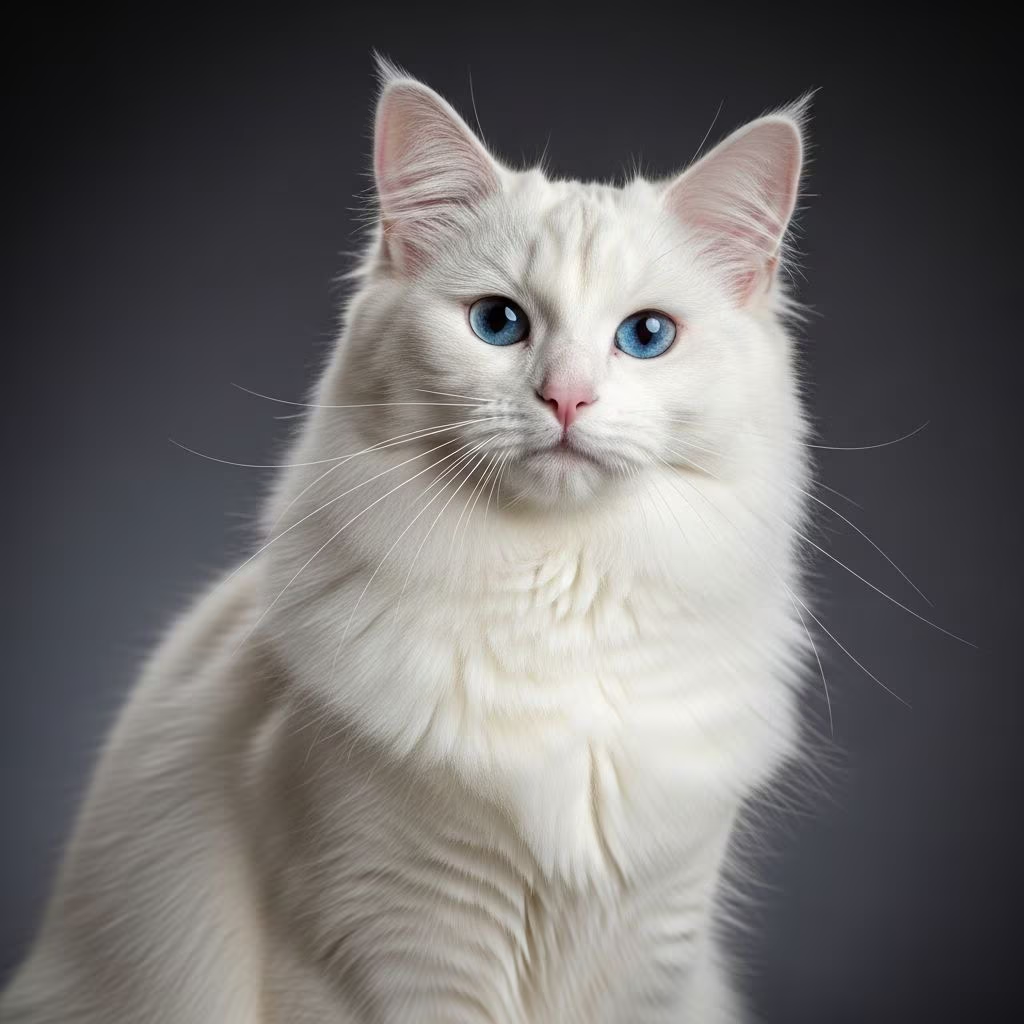
The Russian White cat stands out as a rare gem among feline breeds, celebrated for its pristine white coat, composed nature, and deep devotion to family members. Developed in the 1970s through selective breeding in Australia, this medium-sized cat combines the grace of its Russian Blue ancestors with a uniquely tranquil personality, making it an excellent choice for those seeking a low-drama pet.
Origins and Development of the Breed
The story of the Russian White begins in Australia during the mid-20th century, where breeders aimed to create a white variant of the beloved Russian Blue. By crossing Russian Blues with domestic whites and other select lines over four generations, enthusiasts established consistent traits that led to official recognition. This deliberate program transformed what started as experimental mixes into a standardized breed with predictable appearance and behavior.
Unlike more common purebreds, the Russian White remains scarce outside specialized circles, contributing to its allure. Breeders focused on preserving the elegant structure and gentle temperament of its forebears while introducing the signature snowy plumage. Today, limited availability means prospective owners may face waitlists or travel to find kittens, but the effort yields a companion of exceptional quality.
Physical Appearance and Size Standards
Russian Whites possess a sleek, athletic frame that exudes refinement. Adults typically measure about 10 inches in height at the shoulder and weigh between 7 and 15 pounds, with males generally larger than females. Their bodies feature fine bones, long legs, and small, rounded paws that support a graceful, fluid gait.
The head forms a distinctive wedge shape with a blunt muzzle, wide-set ears tipped with points, and vivid green eyes that often shift from yellow in kittenhood to emerald in maturity. The coat is short, dense, and velvety—pure white without markings, feeling plush to the touch due to a double-layered structure. Kittens may sport temporary dark spots or a head cap that fades completely by adulthood, ensuring the adult’s immaculate look.
| Feature | Details |
|---|---|
| Height | ~10 inches (shoulder) |
| Weight | 7–15 pounds |
| Coat | Short, dense, pure white |
| Eyes | Green (yellow in kittens) |
| Build | Medium, athletic, long legs |
Personality Traits and Daily Behavior
Owners often liken Russian Whites to dogs for their loyal, shadowing habits—they greet arrivals at the door and trail family members throughout the home. These cats form profound bonds, frequently selecting one primary person while remaining cordial to all household members. Their calm, undemanding vibe suits apartments or quiet homes, where they provide companionship without chaos.
Though intelligent, they resist formal training, preferring to dictate interactions on their terms. Social yet independent, they handle alone time well but thrive on affection and interactive play. Shyness surfaces around strangers or crowds, prompting retreats to safe spots, which underscores the need for gradual socialization.
- Loyal and Affectionate: Follows owners, seeks pets and cuddles.
- Calm Disposition: Low energy, prefers lounging over constant activity.
- Social but Selective: Bonds deeply with family, wary of newcomers.
- Quiet Communicators: Soft meows or paw taps for attention, not overly vocal.
Compatibility with Families, Kids, and Other Animals
Russian Whites adapt beautifully to various households, including those with children or seniors, thanks to their patient, gentle demeanor. They tolerate playful kids if introduced kindly but may withdraw if overwhelmed.
With other pets, they fare well, especially calm dogs or fellow cats, though their hunting instincts advise caution around small prey like rodents or birds. Proper early introductions foster harmonious multi-pet homes, leveraging their adaptable nature.
Exercise Needs and Activity Patterns
Moderate activity defines this breed—kittens burst with playful energy, chasing toys and exploring, but adults settle into relaxed routines. They require encouragement to prevent obesity, as lounging tempts their laid-back side. Daily sessions of 15-20 minutes with feather wands, laser pointers, or puzzle feeders suffice to maintain fitness without exhaustion.
Indoor enrichment like climbing trees, window perches, and scratching posts supports their curiosity while honoring their preference for low-impact fun. As they age, gentle walks on harnesses or interactive apps can sustain mobility.
Grooming and Coat Maintenance
The low-shedding coat demands minimal upkeep: weekly brushing removes loose fur and distributes natural oils, keeping the white hue bright. Bathing proves rare, as they self-groom effectively, but occasional wipes with pet-safe cloths preserve purity.
Nail trims every 2-3 weeks, ear checks for wax buildup, and dental brushing prevent common issues. Their clean habits reduce litter box odors, but provide unscented, clumping litter for comfort.
Health Considerations and Lifespan
With proper care, Russian Whites enjoy 15-20 years of vitality. Responsible breeding minimizes genetic risks, though vigilance for obesity-related concerns like diabetes or joint strain remains key. Routine vet visits, balanced diet, and parasite preventives safeguard longevity.
No breed-specific diseases dominate, but monitor for urinary issues or sensitivities common in whites. Annual checkups, vaccinations, and spaying/neutering align with standard protocols.
Nutrition and Feeding Guidelines
High-quality, protein-rich food tailored to life stage prevents weight gain. Measure portions—about 1/4 to 1/2 cup daily for adults, split into meals—and opt for wet food to aid hydration. Fresh water always available supports kidney health.
- Kittens: Frequent, small meals high in growth nutrients.
- Adults: Controlled calories to combat sedentary tendencies.
- Seniors: Joint supplements, lower fat for mobility.
Finding and Adopting a Russian White
Rarity drives prices from moderate to high, varying by breeder pedigree and location. Seek reputable catteries emphasizing health testing and socialization. Rescues occasionally list adults, offering proven temperaments at lower costs.
Prepare with kitten-proofing, scratching posts, and patience for bonding. Early handling ensures the shy traits mellow into confident affection.
Care Tips for Optimal Well-Being
Success with a Russian White hinges on routine: consistent play, quiet retreats, and positive reinforcement build trust. Vertical spaces and soft beds cater to their elegant repose, while pheromone diffusers ease stress.
Frequently Asked Questions (FAQs)
Are Russian White cats good for first-time owners?
Yes, their forgiving nature and low demands make them ideal for beginners seeking a loving, easygoing pet.
Do they shed a lot?
Minimal shedding occurs due to the dense, short coat; weekly brushing controls it effectively.
Can they live with dogs?
Generally yes, especially calm breeds, with supervised introductions to ensure compatibility.
How vocal are Russian Whites?
Quiet overall, using soft chirps or paw gestures rather than persistent meowing.
What is their average lifespan?
15-20 years with attentive care and vet oversight.
References
- Russian White Cat Breed: Info, Pictures, Temperament & Traits — Catster. 2023. https://www.catster.com/cat-breeds/russian-white-cat/
- All about Russian White, Black, and Tabby breed — Animalia.bio. 2024. https://animalia.bio/pets/russian-white,-black,-and-tabby
- White Russian Cat Breed — Oreate AI Blog. 2024. https://www.oreateai.com/blog/white-russian-cat-breed/25c7a9fe60772a0e820ede0dab2328fe
- Russian White Cat Breed Profile History – Price – Traits — YouTube (Breed Profile Video). 2023. https://www.youtube.com/watch?v=9Wv38PW1JTA
- 27 Facts About Russian White Cats! — FELIWAY Cat Experts. 2023. https://www.feliway.co.uk/blogs/news/27-facts-about-russian-white-cats
- Russian White, Black, and Tabby Cat Breed — Cats.com. 2024. https://cats.com/cat-breeds/russian-white-black-and-tabby



