
Russian Dog Breeds: History, Traits & Characteristics
Discover Russian dog breeds: from working dogs to companion pets with unique traits.
Russian Dog Breeds: A Comprehensive Guide
Russia has produced some of the world’s most distinctive and respected dog breeds, each with a rich history tied to the country’s vast landscapes and cultural heritage. From the icy steppes of Siberia to the mountainous Caucasus region, Russian dog breeds were developed to meet specific working needs, resulting in dogs that are typically intelligent, loyal, protective, and obedient. These breeds range from massive livestock guardians weighing over 150 pounds to tiny companion dogs that fit in the palm of your hand. Understanding the characteristics, temperament, and care requirements of Russian dog breeds can help you determine if one is the right fit for your family and lifestyle.
Historical Development of Russian Dog Breeds
Russian dog breeding has a fascinating history deeply intertwined with the country’s agricultural and military needs. Many Russian breeds were developed during the Soviet era, with some originating from secret government programs. The Black Russian Terrier, for instance, was created at the Red Star Kennel near Moscow in the 1930s as a working dog for the Soviet military. Other breeds like the Siberian Husky and various Laika types were developed by indigenous peoples of Siberia for survival in harsh Arctic conditions, used primarily for hunting and sled-pulling.
The geographical diversity of Russia—from frozen tundras to mountain ranges—created different breeding populations that developed unique characteristics. These historical contexts explain why many Russian breeds retain strong working instincts, protective behaviors, and the physical capabilities needed for their original purposes. Understanding this heritage is crucial to understanding why these dogs behave the way they do and what their specific needs are as family pets.
Small Russian Dog Breeds
Russian Toy Terrier
The Russian Toy Terrier is a charming, small companion breed that embodies big personality in a tiny package. These elegant little dogs typically weigh between 3-6 pounds and stand about 8-11 inches tall. Despite their diminutive size, Russian Toys are incredibly affectionate, loyal, smart, and playful dogs that excel as watch dogs due to their tendency to bark. They thrive on human attention and become distressed when neglected, making them ideal for families who can dedicate time to companionship.
Russian Toys possess a feisty terrier temperament and don’t seem to realize how small they are, often willing to challenge much larger dogs. This requires vigilant supervision during walks and socialization with other pets. Generally agreeable and eager to please, they are very trainable, though they retain their stubborn terrier nature. With a life span of 9-14 years, these dogs require regular grooming, as they shed daily, particularly during seasonal changes.
Russian Spaniel
The Russian Spaniel represents a medium-sized hunting breed developed approximately 100 years ago as a gun dog for hunting small game in Russia’s forests. Weighing 20-30 pounds, these dogs are friendly, playful, and affectionate with strong hunting instincts. Russian Spaniels are known for their excellent noses and determination in the field, making them energetic and eager to please. They enjoy human companionship and do exceptionally well in homes with children and other pets, requiring regular exercise to stay healthy and mentally stimulated.
These spaniels have a life expectancy of 10-12 years and require significant grooming attention, as they shed excessively and need daily brushing. Their friendly disposition and social nature make them excellent family pets for active households that can provide adequate exercise and engagement opportunities.
Medium-Sized Russian Hunting Breeds
Chortai
The Chortai is a rare and distinctive Russian breed weighing 25-30 pounds, originally bred for hunting small game in the Russian steppes. These dogs are known for their agility, speed, and exceptional hunting ability. Chortais are friendly, active, and energetic, requiring regular exercise to maintain both physical fitness and mental health. They can be good with children, though they may be reserved with strangers, requiring proper socialization from an early age.
Yakutian Laika
The Yakutian Laika originates from the indigenous people of Yakutia in Siberia, with “Laika” literally meaning “barking dog.” These medium-sized breeds were historically bred to pull sleds and hunt in extremely cold weather conditions. Yakutian Laikas are intelligent, affectionate, and playful dogs that are good with children and other dogs. They do tend to bark frequently and shed considerably, especially during seasonal changes, requiring weekly brushing. These energetic dogs make nice family pets due to their intelligence, obedience, and eagerness to please.
Large Russian Working Breeds
Siberian Husky
The Siberian Husky stands as the most famous Russian dog breed, recognized worldwide for its striking appearance and energetic temperament. Weighing 35-60 pounds, these medium-to-large dogs were originally bred by Siberian indigenous peoples for pulling sleds through Arctic terrain. Huskies are energetic, friendly, and independent dogs known for their striking blue eyes and thick double-layered coats. They require significant mental and physical stimulation and excel in active households where they have space to run.
Huskies are playful and social but can be stubborn and independent, requiring experienced owners who understand their working drive. They are affectionate with family members and good with children and other dogs, though their high prey drive requires careful management. As barkers with escape artist tendencies, Huskies need secure fencing and regular exercise. Their thick coats shed extensively, particularly during seasonal transitions.
East Siberian Laika
The East Siberian Laika is the largest of the Russian Laika breeds, standing significantly taller than its Yakutian cousin. These intelligent and energetic dogs were bred for hunting and are known for being calm, protective, and independent. They possess strong territorial instincts and cannot resist chasing small prey due to their hunting heritage. East Siberian Laikas are not always good with other dogs, particularly those of the same gender, and require careful socialization.
These dogs are smart, playful, obedient, and eager to please, making them suitable for experienced owners. They have high prey drives and require daily walks and access to large open spaces. Their shedding is minimal except during seasonal changes when they experience significant fur shedding that AKC refers to as a “fur storm.”
Black Russian Terrier
The Black Russian Terrier is an imposing extra-large breed weighing 80-130 pounds, developed as a working dog for the Soviet military. These dogs are strong, confident, and highly protective with impressive intelligence and trainability. Originally bred at the secret Red Star Kennel near Moscow in the 1930s, Black Russian Terriers possess excellent guarding and protection instincts. They are brave, calm, powerful, energetic, and protective dogs suitable only for experienced owners.
Black Russian Terriers require consistent training and socialization from puppyhood to channel their protective instincts appropriately. Regular exercise is essential for this breed’s physical and mental well-being. These dogs shed daily and require regular brushing, with some drooling common to the breed. They are devoted to their families but require owners who understand their working nature and can provide appropriate outlets for their energy and intelligence.
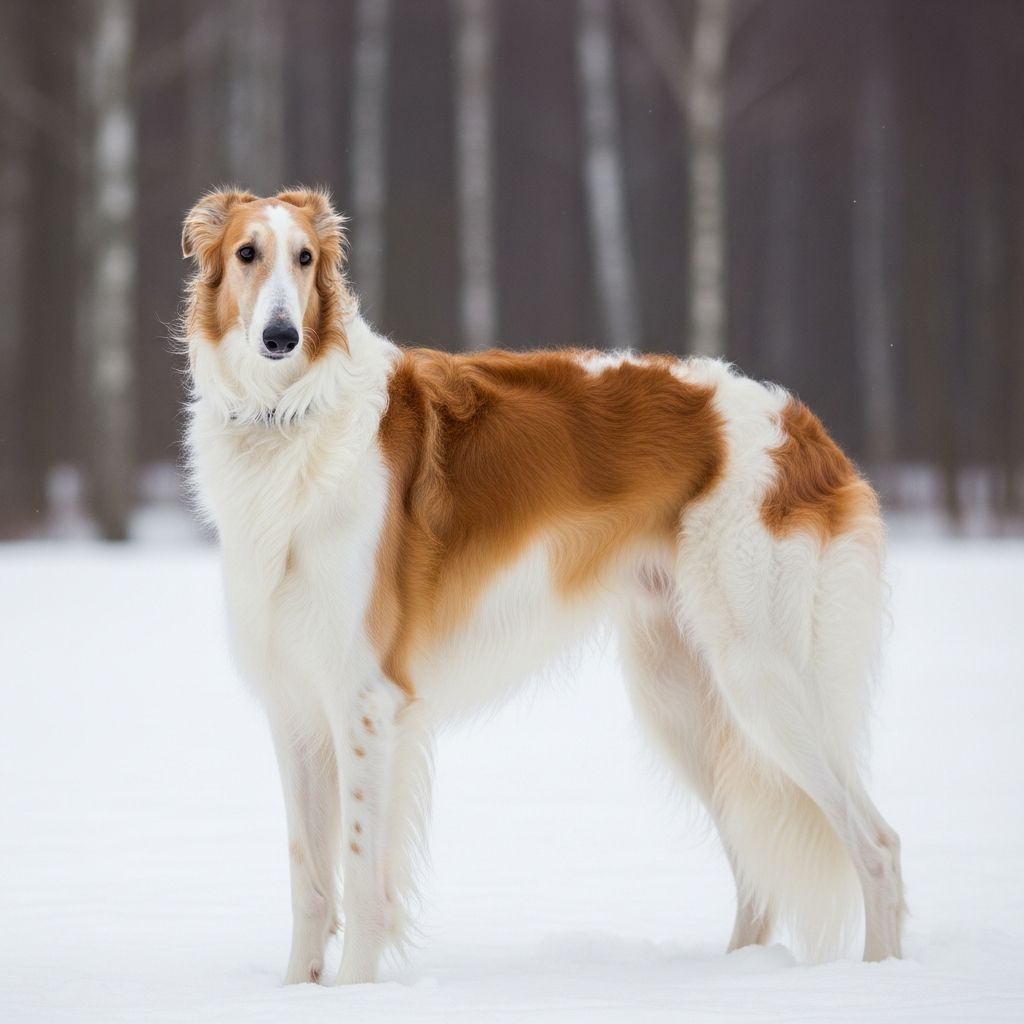
Borzoi (Russian Wolfhound)
The Borzoi, also known as the Russian Wolfhound, is an elegant extra-large breed weighing 60-105 pounds, originally bred for hunting large game including wolves in vast Russian countryside. Once known as the Russian Wolfhound, Borzois were bred to be swift and tough enough to pursue and pin their ferocious lupine quarry. These independent, friendly, and playful dogs are calm and affectionate with their families but reserved with strangers. Borzois are known for their exceptional speed and grace, capable of running 35-40 miles per hour.
These elegant hounds require moderate exercise to maintain their physical and mental health and have a life expectancy of approximately 14 years. Their minimal shedding makes grooming relatively easy. Despite their hunting heritage, Borzois make excellent family companions for those who appreciate their independent nature and can provide appropriate exercise and mental stimulation.
Giant Livestock Guardian Breeds
Caucasian Shepherd Dog
The Caucasian Shepherd Dog is a massive extra-large breed weighing 99-170 pounds, originally bred to guard livestock in the mountainous regions of Russia. These dogs are protective, strong-willed, and courageous with an extremely protective nature and potential aloofness toward strangers. Caucasian Shepherds are devoted to their families but require solid training and socialization due to their independent nature. They are best suited for experienced dog owners with adequate space for such a large breed.
These powerful guardians require consistent leadership and clear boundaries. They are calm and loyal with their families but can become destructive without proper exercise and mental stimulation. Their thick, fluffy coats require regular grooming and shed significantly during seasonal changes.
South Russian Ovcharka (South Russian Shepherd)
The South Russian Ovcharka, or South Russian Shepherd, is an extra-large breed weighing 110-200 pounds, originally bred to guard livestock in the harsh southern steppes of Russia. These independent, fearless, and protective dogs are highly devoted to their families and properties. They were specifically developed for guardian work in challenging terrain and climate conditions, resulting in dogs with strong guarding instincts and independent decision-making abilities.
South Russian Ovarkas require experienced owners who understand their protective nature and can provide firm, consistent training. Regular exercise is important, but these dogs are better suited to rural homes or farms where they have space to work and patrol. Their independent nature means they are not recommended for first-time dog owners.
Central Asian Shepherd
The Central Asian Shepherd is an independent, courageous breed that serves as an effective watchdog, weighing up to 200 pounds or more. These quiet, proud, and hardworking dogs possess remarkable endurance and fearlessness when facing large predators. First-time dog owners should not begin with this breed due to their independent nature and strong guarding instincts. Central Asian Shepherds bond strongly with their families and are calm with people they know but require experienced handling.
With a life span of 12-14 years, these dogs shed primarily when shedding their undercoat during seasonal changes, requiring weekly brushing. They make excellent working dogs for those with appropriate experience and suitable property.
Specialty Russian Breeds
East European Shepherd
The East European Shepherd represents the Russian version of the German Shepherd, developed with input from the KGB as a versatile working dog. This breed features a thick undercoat adapted for Russian winters and webbed paws designed for walking in snow. East European Shepherds are brave, watchful, alert, fast, powerful, and intelligent dogs requiring active outlets to prevent destructive behaviors.
These energetic dogs shed minimally except during seasonal changes, when they experience a “fur storm” of shedding requiring regular brushing. They excel in active households and working situations where their intelligence and drive can be properly channeled.
Sulimov Dog
The Sulimov is a highly specialized breed created as a versatile working dog, combining intelligence with exceptional trainability. These dogs excel in tasks requiring focus and precision and can be reserved with strangers while remaining very loyal to their families. Due to their working nature, Sulimovs require regular mental and physical stimulation and enjoy tasks that challenge their abilities.
Common Characteristics of Russian Dog Breeds
Most Russian dog breeds share several distinctive characteristics shaped by their historical development and geographical origins. Many appear wolf-like with fluffy coats and are typically large, though notable exceptions exist in toy and small breeds. The majority were developed for hunting, sled-pulling, or livestock protection, resulting in high prey drives and substantial space requirements.
A significant common trait across Russian breeds is their intelligence and trainability, coupled with independent decision-making abilities developed during their working roles. Many possess strong protective instincts, making them excellent guardians but requiring experienced owners who can provide appropriate training and socialization. The thick, often double-layered coats of many Russian breeds require regular grooming, and most shed considerably during seasonal transitions.
Choosing a Russian Dog Breed
Selecting a Russian dog breed requires careful consideration of your lifestyle, experience level, and available space. Giant guardian breeds like Caucasian Shepherds and South Russian Ovarkas require experienced owners and substantial property. Medium-sized working breeds like Siberian Huskies need active families capable of providing extensive exercise and mental stimulation. Small companion breeds like Russian Toys suit apartment living but demand attention and social interaction.
Potential owners should honestly assess their ability to meet breed-specific needs, including exercise requirements, training demands, and grooming commitments. Russian breeds’ working heritage means many retain strong instincts that require appropriate outlets and experienced management. Consulting with breed-specific rescue organizations and reputable breeders can provide valuable insights into individual breed requirements and suitability for your household.
Frequently Asked Questions
Q: Are all Russian dog breeds large?
A: No. While many Russian dog breeds are large working dogs, the Russian Toy Terrier is a tiny companion breed weighing only 3-6 pounds, and other small breeds like the Russian Spaniel and Chortai are medium-sized.
Q: Do Russian dog breeds make good family pets?
A: Some Russian breeds make excellent family pets when matched with appropriate families. Small companion breeds like Russian Toys and medium breeds like Russian Spaniels are friendly and family-oriented. Large working breeds require experienced owners and proper training.
Q: How much exercise do Russian dog breeds need?
A: Exercise needs vary by breed and size. Small companion breeds like Russian Toys need moderate activity, while hunting breeds like Siberian Huskies and Laikas require extensive daily exercise. Giant guardian breeds need regular activity but are less intense than working hunting dogs.
Q: Are Russian dog breeds good with children?
A: Many Russian breeds are good with children, including Russian Spaniels, Yakutian Laikas, and Siberian Huskies when properly socialized. Giant guardian breeds require careful supervision due to their size and protective instincts.
Q: What is the grooming requirement for Russian dog breeds?
A: Most Russian dog breeds shed significantly and require regular brushing, especially during seasonal changes. Small companion breeds like Russian Toys need daily brushing, while larger breeds typically need weekly grooming during heavy shedding periods.
Q: Are Russian dog breeds suitable for first-time dog owners?
A: Small companion breeds like Russian Toys can work for first-time owners, as can medium hunting breeds. Large working and guardian breeds should only be owned by experienced dog handlers familiar with strong-willed, protective dogs requiring firm training.
Q: How long do Russian dog breeds typically live?
A: Life expectancy varies by breed. Small companion breeds like Russian Toys live 9-14 years, medium breeds like Russian Spaniels live 10-12 years, while larger breeds like Borzois live approximately 14 years and Central Asian Shepherds live 12-14 years.
References
- 9 Russian Dogs: Breed Information & Descriptions (With Pictures) — Dogster. https://www.dogster.com/dog-breeds/russian-dog-breeds
- Discover Popular Russian Dog Breeds: From Big to Small — Petfinder. https://www.petfinder.com/dogs-and-puppies/breeds/types/russian-dog-breeds/
- 15 Russian Dog Breeds — World Animal Foundation. https://worldanimalfoundation.org/dogs/dog-breeds-from-russia/
- Russian Toy – Dog Breed Information — American Kennel Club. https://www.akc.org/dog-breeds/russian-toy/
- Black Russian Terrier Dog Breed Information — American Kennel Club. https://www.akc.org/dog-breeds/black-russian-terrier/
- Borzoi Dog Breed Information — American Kennel Club. https://www.akc.org/dog-breeds/borzoi/
Similar Articles








Read full bio of medha deb




