

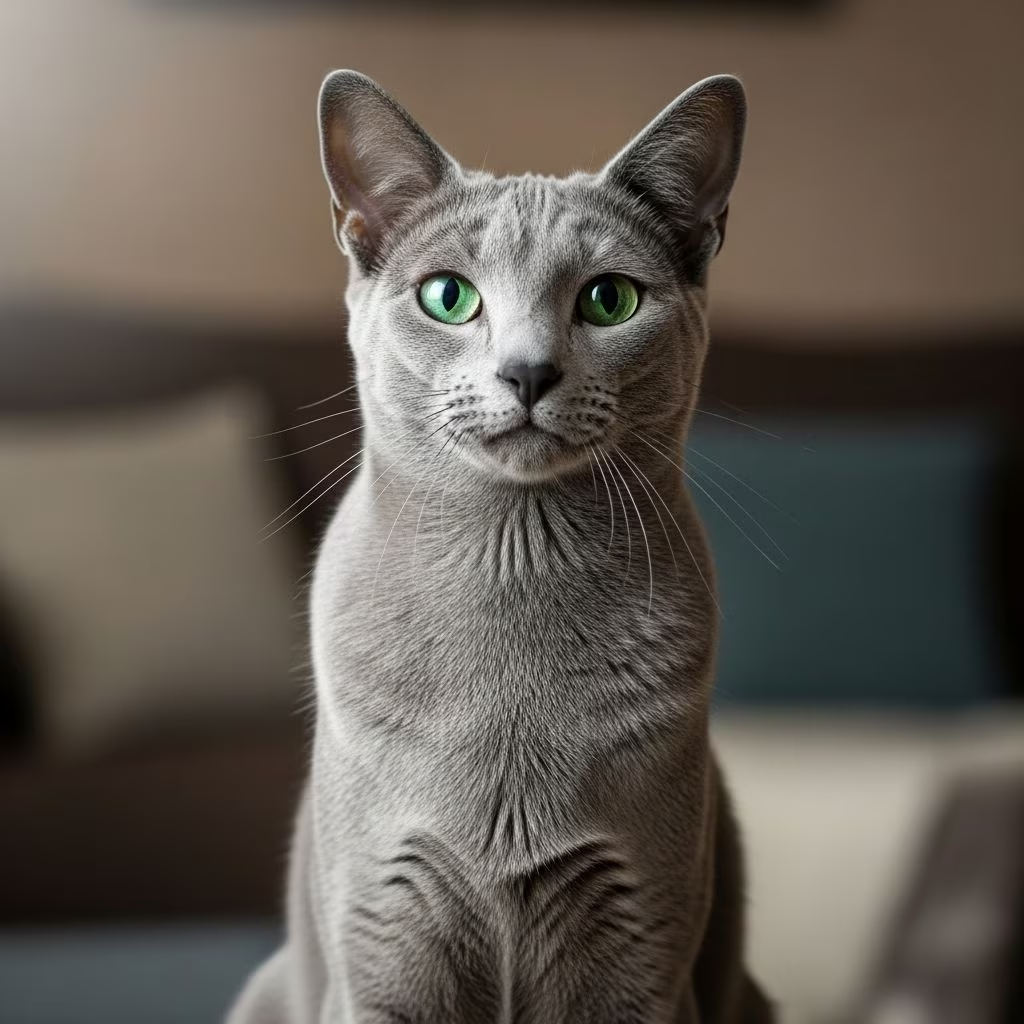
The Russian Blue is a striking and elegant cat breed renowned for its dense, shimmering blue-gray coat, vivid green eyes, and graceful, muscular build. This medium-sized feline combines a quiet, sensitive demeanor with playful loyalty, making it an excellent choice for calm households and first-time owners seeking a devoted companion.
Russian Blue Pictures
Russian Blue cats captivate with their luxurious, plush double coat that shimmers due to silver-tipped guard hairs, creating a silvery sheen against the even bright blue ground color. Their vivid green eyes stand out against the slate-gray nose leather and lavender-pink paw pads, while their wedge-shaped head, large ears, and lithe body give them a regal, smiling appearance. Images often show them in playful poses, leaping gracefully or curling up in quiet nooks, highlighting their athleticism and affectionate nature.
Russian Blue Cat Prices
The cost of a Russian Blue kitten typically ranges from $800 to $2,500 USD, depending on factors like breeder reputation, pedigree, regional availability, and whether the kitten comes from show-quality lines. Adoption from rescues may cost $100 to $500, including vaccinations and spaying/neutering. Purebred kittens from registered breeders with health guarantees command higher prices, often requiring waiting lists due to the breed’s rarity.
Russian Blue Cat Breed Origins & History
The Russian Blue’s origins trace back to the Archangel Isles of northern Russia, where it developed its thick, protective coat suited to harsh climates. Sailors brought these cats to England and Northern Europe in the late 19th century, introducing them as ‘Archangel Cats’ for their blue coats. The breed faced near extinction during World War II bombings in England, but dedicated breeders crossed survivors with Siamese and British Shorthairs to preserve traits, officially recognizing the pure standard by the 1960s. Today, it’s cherished worldwide for its natural beauty and temperament, distinct from similar blue-coated breeds like the British Shorthair or Chartreux.
Size & Shape
Russian Blues are medium-sized cats with a long, slender, muscular body that feels firm and graceful rather than tubular. Males weigh 10-15 pounds (4.5-6.8 kg), females 7-12 pounds (3.2-5.4 kg), standing 9-11 inches tall at the shoulder. Their modified wedge-shaped head features a flat skull, straight profile without a nose break, prominent cheekbones, and large, wide-set ears. Long, fine-boned legs end in small, rounded oval paws, supporting a proportionate tail that tapers from a thick base. Despite their slim appearance, they are athletic and strong, with thick fur masking neck and shoulder muscles.
| Measurement | Males | Females |
|---|---|---|
| Weight | 10-15 lbs | 7-12 lbs |
| Height (shoulder) | 10-11 inches | 9-10 inches |
| Length (body) | Medium-long | Medium-long |
Distinctive Features of Russian Blue Cats
- Coat: Short, dense double coat with soft woolly undercoat and silver-tipped guard hairs for a shimmering effect; patterns traced in fur remain temporarily.
- Eyes: Large, vivid green in adults, almond-shaped, set wide for a friendly expression.
- Head: Smooth wedge with broad face from thick fur and wide eye placement; no whisker pinch.
- Color: Solid blue-gray only; disqualifiers include tabby marks, white spots, or non-blue hues in pedigrees.
Russian Blue Cat Personality & Temperament
Russian Blues are quiet, gentle, and highly intelligent cats who form deep bonds, often selecting one favorite person while being affectionate with the family. Curious yet reserved with strangers, they hide initially but warm up through curiosity. Playful and athletic, they love games, leaping high and learning tricks, yet remain calm and non-clingy. Sensitive to owners’ moods, they offer comfort with purrs or pats. Vocal like Siamese relatives, they ‘talk’ for attention but prefer routine over change.
- Playful and active indoors
- Sociable but enjoys alone time
- Loyal and empathetic
- Shy with new people; thrives in quiet homes
- Smart: remembers routines, toys, and faces
Russian Blue Cat Friendliness
These cats are moderately friendly, excelling with respectful older children and familiar adults but may not suit boisterous families. They bond well with gentle kids who respect their space, often clowning to cheer them. Compatible with calm dogs and other pets if socialized early, though they prefer one-on-one time. Not ideal for frequent visitors or loud environments, as they seek solitude during stress.
Russian Blue Cat Grooming & Maintenance
Low-maintenance, their short plush coat requires weekly brushing to distribute oils and reduce shedding, preventing mats despite density. Bathing is rare; they self-groom meticulously. Trim nails biweekly, clean ears monthly with vet-approved solutions, and brush teeth 2-3 times weekly. Their fine coat stands out, needing minimal care for that signature shine.
Russian Blue Cat Training
Highly trainable due to intelligence, Russian Blues learn litter use, tricks like fetch or high-fives, and even leash walking quickly with positive reinforcement. Use treats and play; they respond to consistent routines and remember commands long-term. Patience aids their initial shyness, turning training into bonding.
Russian Blue Cat Exercise Needs
Athletic and energetic, especially as kittens, they need 20-30 minutes daily of interactive play like chasing toys, laser pointers, or climbing trees. Puzzle feeders and vertical spaces satisfy their leaping prowess. Mature adults self-entertain but crave evening sessions to prevent boredom mischief. Indoor life suits them with ample toys.
Russian Blue Cat Diet & Feeding
Feed high-quality, protein-rich wet and dry food portioned to maintain lean muscle: 1/4-1/2 cup kibble daily for adults, split into meals. Kittens need three meals; seniors may require joint-support formulas. Fresh water always; monitor weight to avoid obesity. Consult vets for personalized plans.
Russian Blue Cat Health & Wellness
Generally healthy with 12-18 year lifespan, but prone to hypertrophic cardiomyopathy (HCM), bladder stones, and allergies. Annual vet checkups, genetic screening from breeders, and early socialization prevent issues. Their dense coat hides leanness; watch for urinary problems via diet.
| Common Health Issues | Prevention/Treatment |
|---|---|
| HCM (heart disease) | Genetic testing, ultrasounds |
| Bladder stones | Urinary diets, hydration |
| Allergies | Hypoallergenic foods, vet care |
Are Russian Blue Cats Good Pets?
Yes, ideal for apartments, singles, or quiet families valuing a low-shedding, affectionate companion. Great for first-timers; not for chaotic homes. They adapt to indoor-only life with stimulation.
Pros & Cons of Owning a Russian Blue
| Pros | Cons |
|---|---|
| Gorgeous, low-shed coat | Shy with strangers |
| Intelligent & trainable | Dislikes change |
| Loyal & gentle | Needs playtime |
| Quiet & calm | Potential heart issues |
Russian Blue Kittens For Sale
Find ethical CFA-registered breeders via cat clubs; expect health certifications. Rescues like ASPCA often have adults. Avoid mills; verify pedigrees.
Frequently Asked Questions (FAQs)
Are Russian Blue cats hypoallergenic?
Somewhat; low-shedding double coat produces less allergen, but not truly hypoallergenic. Good for mild allergies.
Do Russian Blue cats like to be held?
They enjoy cuddles on their terms, preferring lap time over constant holding; affectionate but independent.
Are Russian Blues vocal?
Moderately; they chirp and meow to communicate needs, especially for play or food.
Can Russian Blue cats be left alone?
Yes, tolerant of 8-hour days with toys, but prefer evenings home for interaction.
How long do Russian Blue cats live?
12-18 years with proper care; some reach 20.
Are Russian Blues good with dogs?
Often yes, if introduced slowly; select calm breeds.
References
- Russian Blue Cat Breed Information — Purina UK. 2023. https://www.purina.co.uk/find-a-pet/cat-breeds/russian-blue
- Fun Facts About Russian Blue Cats — ASPCA Pet Health Insurance. 2023. https://www.aspcapetinsurance.com/resources/russian-blue-cat-facts/
- The Russian Blue Cat Breed — Hill’s Pet Nutrition. 2024. https://www.hillspet.com/cat-care/cat-breeds/russian-blue
- Russian Blue Breed Standard — Cat Fanciers’ Association. 2024. https://cfa.org/breed/russian-blue/
- Russian Blue Overview — Wikipedia (citing primary breed sources). 2025. https://en.wikipedia.org/wiki/Russian_Blue



