

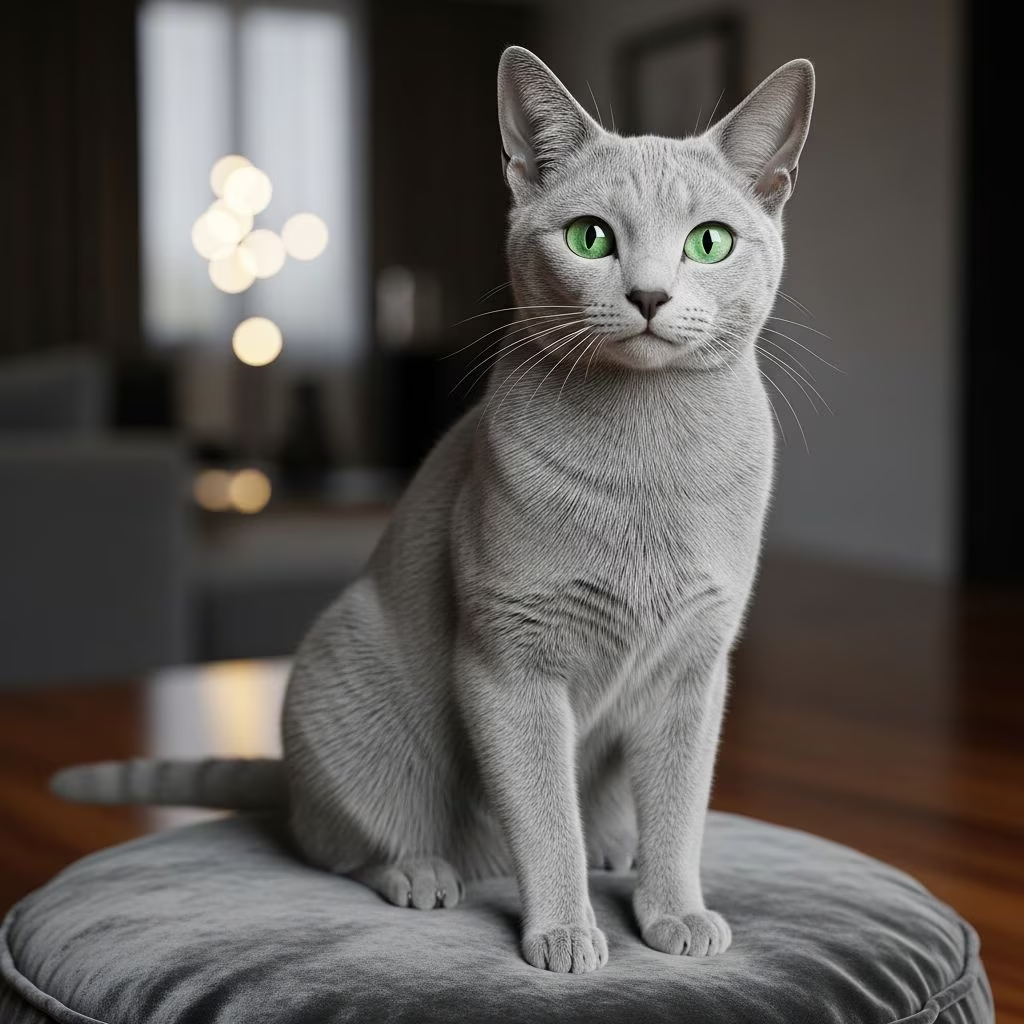
The Russian Blue cat captivates with its shimmering silver-blue coat and piercing green eyes, often sparking curiosity among allergy sufferers seeking a compatible feline companion. While no cat breed is completely hypoallergenic, Russian Blues stand out for their dense double coat that sheds minimally, potentially reducing allergen exposure compared to other breeds.
Understanding Cat Allergies and Feline Features
Cat allergies primarily stem from Fel d 1, a protein produced in saliva, skin, and urine glands, which spreads via grooming and shedding. Contrary to popular belief, dander—not fur—is the main culprit, carrying these proteins. Breeds with less shedding or unique coat structures may produce fewer airborne allergens.
Russian Blues possess a short, plush double coat: a soft woolly undercoat and a resilient guard hair layer tipped with silver, creating their signature sheen. This structure traps loose hair rather than releasing it freely, contributing to their reputation as low-shedders.
Physical Traits of the Russian Blue
Russian Blues exhibit a medium-sized, elegant build weighing 8 to 15 pounds, with males typically larger. Their bodies are long, lithe, and muscular, supported by fine-boned legs and a proportionally long tail. The head forms a smooth wedge with prominent cheekbones, large flared ears, and vivid green eyes that emerge around age two.
The coat’s defining blue hue—ranging from light silver to slate gray—must be even, without tabby markings, per breed standards. Paw pads display lavender-pink tones, and nose leather is slate gray.
| Feature | Description |
|---|---|
| Size | Medium; 8-15 lbs |
| Coat | Short, dense double coat with silver tipping |
| Eyes | Vivid green in adults |
| Build | Long, muscular, graceful |
Why Russian Blues Appeal to Allergy Sufferers
Owners report fewer reactions with Russian Blues due to their coat’s density, which minimizes dander dispersal. The double layer stands away from the body, allowing patterns to form when stroked—a testament to its thickness—yet it sheds far less than single-coated breeds.
Studies and breeder observations note that while Fel d 1 production varies individually, low-shedding breeds like the Russian Blue reduce symptoms for mild allergy cases. They rank among top choices alongside Sphynx or Siberian, though true hypoallergenic status remains elusive.
Temperament and Daily Life with a Russian Blue
These cats blend independence with loyalty, forming deep bonds often with one primary person while remaining affectionate toward the family. Intelligent and observant, they assess situations before engaging, appearing aloof initially but revealing playful, fetch-loving sides.
- Quiet vocalizers who chirp or meow softly to communicate.
- Playful into adulthood, excelling at games and climbing.
- Sensitive to owner moods, offering comfort through purring or head-butts.
- Adaptable to calm homes; prefer stability over chaos.
They thrive indoors, needing moderate exercise via toys and interaction. Not ideal for boisterous families with young children, but excellent for quiet households or seniors.
Care Essentials for Optimal Coat Health
Maintain the coat’s low-allergen potential with weekly brushing using a stainless steel comb to remove dead undercoat without stripping natural oils. Bathing is rare—only if medically advised—as their coat self-cleans effectively.
Nutrition supports coat quality: high-protein diets with omega fatty acids promote shine and reduce dryness. Annual vet check-ups monitor for obesity, as their muscular frame hides weight gain. Lifespan averages 12-15 years, with some exceeding 20.
Health Considerations Beyond Allergies
Russian Blues enjoy robust health but watch for hypertrophic cardiomyopathy (HCM), a heart condition screened via genetic tests. Urinary issues and obesity arise from poor diet or inactivity. Early socialization prevents shyness.
Breeders should provide health clearances; reputable ones follow CFA standards emphasizing sound structure and temperament.
Historical Roots and Breed Development
Originating possibly from Arkhangelsk (Archangel) in northern Russia, these cats arrived in England by the 1860s, gaining recognition at Crystal Palace shows in 1875. Post-WWII, outcrossing with Siamese preserved type, standardizing the blue coat and green eyes.
Today, CFA and other registries uphold strict standards: solid blue coat, no lockets or buttons, and a plush texture distinguishing them from similar blue cats like British Shorthairs.
Are They Right for Your Home?
For allergy-prone individuals, test exposure gradually—spend time with adults, as reactions vary. They suit apartments, singles, or calm families needing a low-maintenance, loving pet. Provide scratching posts, puzzle toys, and elevated perches to match their athleticism.
Comparing Russian Blue to Other Low-Shed Breeds
| Breed | Shedding | Allergen Potential | Temperament |
|---|---|---|---|
| Russian Blue | Low | Lower | Reserved, loyal |
| Siberian | Seasonal | Some low-Fel d1 | Social, dog-like |
| Sphynx | None | Low (hairless) | Extroverted |
Frequently Asked Questions
Do Russian Blue cats shed a lot?
No, their dense double coat sheds minimally year-round, making them ideal for tidy homes.
Can allergy sufferers own a Russian Blue?
Many with mild allergies do well, but individual testing is essential—no breed is 100% hypoallergenic.
How do you groom a Russian Blue?
Brush weekly with a soft comb; avoid overbathing to preserve coat oils.
Are Russian Blues good with kids?
Best with older, gentle children; they prefer calm environments.
What is the lifespan of a Russian Blue?
Typically 12-15 years, with excellent care extending to 20+.
Bringing Home Your Russian Blue
Adopt from CFA-registered breeders or rescues emphasizing health testing. Prepare with litter training, as they adapt quickly. Their quiet elegance rewards patient owners with lifelong companionship, potentially easing allergy concerns through smart care.
References
- Russian Blue Cat Breed Information — Purina UK. 2023. https://www.purina.co.uk/find-a-pet/cat-breeds/russian-blue
- What to Know About a Russian Blue Cat — WebMD. 2024-01-15. https://www.webmd.com/pets/cats/what-to-know-about-russian-blue-cat
- Fun Facts About Russian Blue Cats — ASPCA Pet Health Insurance. 2023. https://www.aspcapetinsurance.com/resources/russian-blue-cat-facts/
- Russian Blue Cat — Hill’s Pet Nutrition. 2024. https://www.hillspet.com/cat-care/cat-breeds/russian-blue
- Russian Blue — The Cat Fanciers’ Association. 2023-08-01. https://cfa.org/breed/russian-blue/
- Russian Blue — Wikipedia (sourced from breed standards). N/A. https://en.wikipedia.org/wiki/Russian_Blue



