

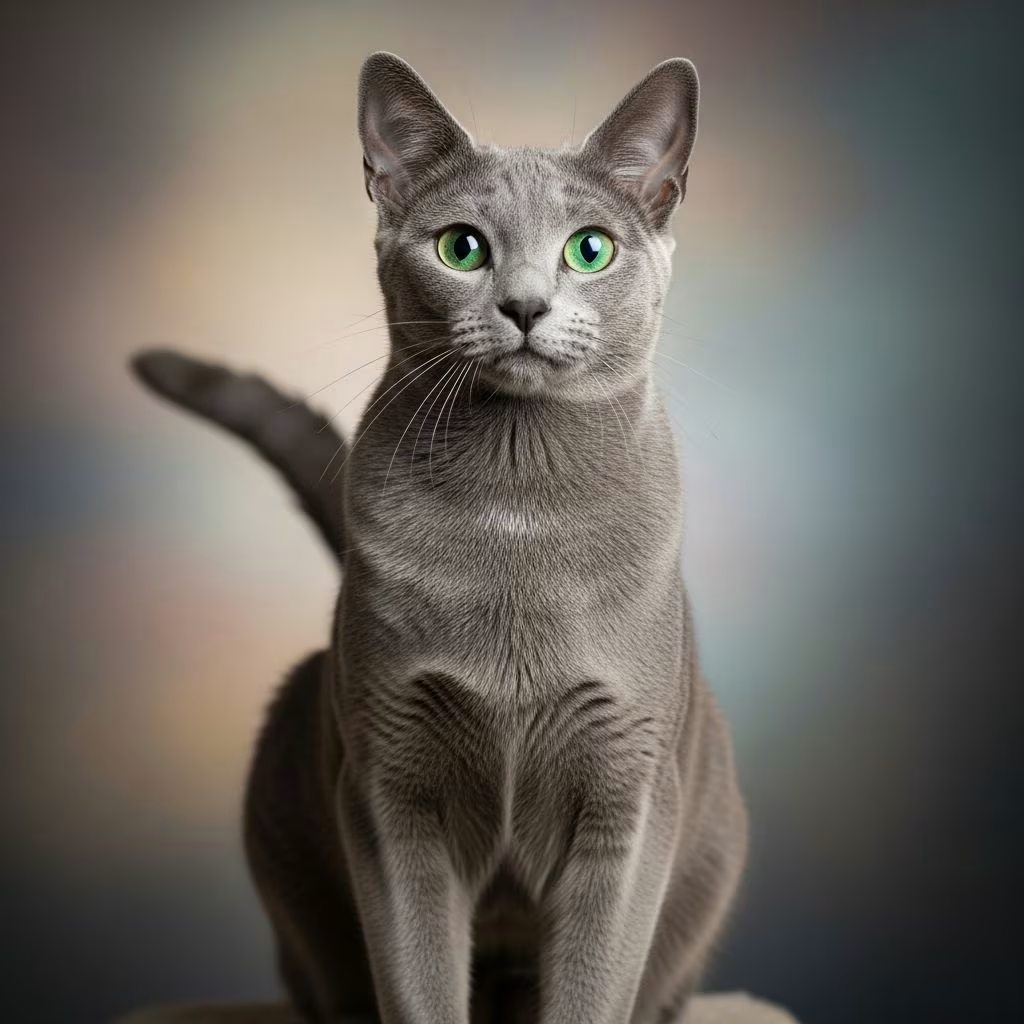
Russian Blue cats stand out as one of the most distinctive and sought-after feline breeds, captivating cat enthusiasts with their striking appearance and remarkably balanced temperament. These elegant felines combine physical beauty with an intelligent, affectionate nature that makes them exceptional companions for diverse household environments. Whether you’re considering adopting a Russian Blue or simply curious about this captivating breed, understanding their unique characteristics, behavioral tendencies, and care requirements will help you appreciate why so many cat lovers hold this breed in such high regard.
Physical Appearance and Distinctive Features
The Russian Blue’s appearance is immediately recognizable and remarkably elegant. These medium-sized cats possess a long, slender body structure that conveys both grace and athletic capability. Despite their lean frame, Russian Blues are surprisingly muscular and strong, with bodies that showcase refined musculature comparable to a competitive swimmer’s build. Their physical composition allows them remarkable agility and speed when they move through their environment.
One of the most captivating features of a Russian Blue is their distinctive facial structure. They possess a triangular-shaped head with large ears set wide apart, contributing to their regal and alert expression. Their broad forehead and straight nose create a profile that appears noble and composed. Perhaps most charming is the natural upturn at the corners of their mouth, creating what many describe as a permanent Mona Lisa-like smile that seems to convey quiet contentment.
The Signature Coat
The Russian Blue’s coat is truly remarkable and serves as the breed’s most distinctive visual characteristic. These cats possess a thick, luxurious double-layered coat with a unique structure that sets them apart from other feline breeds. The outer layer features short, fine guard hairs that are distinctly silver-tipped, creating a shimmering, lustrous appearance. The undercoat is exceptionally soft and downy, contributing to the overall plush texture that feels like fine silk to the touch.
The coat’s density is remarkable; many describe the fur as so thick and velvety that patterns traced with your finger will remain visible until smoothed over. The coloring is consistently bright blue throughout, typically in lighter shades that enhance the breed’s elegant appearance. This silvery-tipped effect creates an alluring shimmer that catches light beautifully, making Russian Blues particularly striking in natural daylight.
Eyes and Facial Features
Russian Blue kittens are born with blue eyes that undergo a fascinating transformation as they mature. By approximately four months of age, a bright green ring begins appearing around the pupil. As the cat continues developing, this eye color gradually transitions into the breed’s signature vivid, bright green. The eyes are wide-set and almond-shaped with a slight slant at the upper corners, contributing to the breed’s characteristically sweet and friendly expression that perfectly complements their gentle nature.
Additional physical markers include paws that display soft, pinkish-lavender or mauve coloring, creating an elegant contrast against their blue coat. The nose leather typically appears slate grey, further contributing to the breed’s overall coordinated and refined appearance.
Behavioral Characteristics and Temperament
Understanding the Russian Blue’s personality is essential for anyone considering this breed as a companion. These cats represent a fascinating balance of seemingly contradictory traits—they are simultaneously independent yet affectionate, playful yet calm, intelligent yet gentle. This nuanced temperament makes them adaptable to various living situations while maintaining consistent personality markers.
Social Dynamics and Bonding Patterns
Russian Blues are fundamentally social animals that thrive on interaction with their human families. However, their sociability operates on their own terms. They typically form a deep connection with one particular family member, often following that person throughout the home and greeting them at doors. This selective bonding does not indicate rejection of other family members; rather, these cats distribute affection across their entire household while maintaining a primary attachment.
New situations present an interesting facet of the Russian Blue personality. When encountering unfamiliar guests or new environments, these cats often exhibit shyness and reserve, preferring to observe from a distance initially. However, once they feel comfortable and secure, they transform into playful, engaging companions. This cautious approach likely reflects ancestral survival instincts from their history as natural hunters requiring keen observation skills and careful assessment of new situations.
Independence and Personal Space
Despite their affectionate nature, Russian Blues are not clingy or demanding cats. They value their independence and require personal space to feel balanced and content. These cats appreciate having designated areas where they can retreat for privacy and rest without constant interaction. Providing quiet spaces where they can curl up undisturbed is essential for their emotional wellbeing.
The Russian Blue’s routine-oriented nature means they thrive best with consistent daily schedules. Changes to feeding times, household routines, or environmental factors can cause visible distress. These cats prefer predictability and may vocalize their displeasure if routines are disrupted unexpectedly.
Communication and Vocalization
Russian Blues are notably vocal cats, using their voice to communicate specific needs and desires. They will vocalize when they want to play, when feeding time approaches, or when they seek snuggle time with their owners. These cats often engage in back-and-forth conversations with their pet parents, responding when spoken to and initiating dialogue. This communicative nature makes them engaging companions that seem to “train their owners rather than owners training them,” a characteristic frequently noted by Russian Blue owners.
Intelligence and Hunting Instincts
Russian Blues possess exceptional intelligence, making them capable of learning complex behaviors and understanding household routines with remarkable clarity. Their keen minds benefit from environmental enrichment and mental stimulation to prevent boredom-related behavioral issues.
These cats retain strong hunting instincts inherited from their wild ancestry. They are exceptional hunters with keen sensory perception, always alert for potential prey. This instinctual behavior manifests as a tendency to pounce on toys, chase moving objects, and investigate every corner of their environment. Providing appropriate outlets for these instincts through interactive play and hunting-simulation toys is crucial for their satisfaction and behavioral balance.
Health Considerations and Longevity
Russian Blues are generally hardy, healthy cats with impressive longevity. This breed is known for maintaining robust health throughout their lives, with many Russian Blues living well into their twenties or even reaching 25 years of age. Their status as a natural, unmodified breed contributes to their overall resilience and resistance to inherited genetic conditions common in more intensively bred felines.
Hypoallergenic Qualities
One particularly notable characteristic for allergy-conscious individuals is that Russian Blues are considered hypoallergenic. While no cat breed is entirely hypoallergenic, Russian Blues produce lower levels of the primary allergens that trigger cat allergies. This makes them an excellent choice for people with cat allergies who wish to enjoy feline companionship. Their lower allergen production, combined with their regular grooming habits, further reduces allergen circulation in the home environment.
Grooming and Cleanliness
Russian Blues are exceptionally clean cats that take great pride in their grooming routines. Their dense double coats require regular brushing to maintain optimal condition and prevent matting. Despite being shorthaired, the coat’s density necessitates more grooming attention than many other short-haired breeds. Regular brushing not only maintains coat health but also reduces shedding throughout the home.
Ideal Living Environment and Care Requirements
Creating an appropriate environment for a Russian Blue involves understanding their specific needs and preferences. These cats do best in homes where their owners can commit to consistent routines and provide mental stimulation through interactive play and environmental enrichment.
Space and Activity Considerations
While Russian Blues adapt to various living situations, they benefit from adequate space to exercise their natural agility and athleticism. Access to climbing structures, perches, and toys that simulate hunting activities helps maintain their physical fitness and mental engagement. These cats particularly enjoy interactive play sessions that allow them to express their hunting instincts safely.
Social Compatibility
Russian Blues typically coexist well with other pets, though their strong prey drive should be considered when housing them with small animals like rodents or birds. They generally adapt to multi-cat households, though they may still maintain selective bonding patterns. Their gentle, non-aggressive nature makes them suitable for families with children who can handle cats respectfully.
Comparison Table: Russian Blue Traits Overview
| Characteristic | Description |
|---|---|
| Size | Medium; lean and fine-boned with muscular build |
| Coat Type | Double-layered, short, dense, plush; silver-tipped |
| Primary Colors | Bright blue with silver sheen; slate grey nose; lavender paws |
| Eye Color | Vivid green (develops from blue kitten eyes) |
| Temperament | Affectionate but independent; playful yet calm |
| Activity Level | Moderately active; enjoys interactive play |
| Vocalization | Moderately vocal; communicative with owners |
| Social Nature | Friendly with family; shy with strangers initially |
| Lifespan | 20-25 years typically |
| Allergen Level | Low; considered hypoallergenic |
Common Questions About Russian Blue Cats
What makes Russian Blue cats special compared to other breeds?
Russian Blues possess a distinctive combination of physical and behavioral attributes that set them apart. Their signature appearance—featuring vivid green eyes, a permanent gentle smile, purple-tinted paws, and luxurious silver-tipped blue-grey fur—creates an unmistakable aesthetic. Beyond appearance, their balanced temperament, intelligence, and hypoallergenic qualities make them exceptional companions for diverse household situations.
Are Russian Blue cats affectionate with their owners?
Yes, Russian Blues are affectionate cats, though their affection operates within their own framework of independence. They will follow their preferred owner throughout the home and demonstrate loyalty through attention and companionship. However, they are not clinging or demanding cats; they show affection on their terms and value their personal space.
Do Russian Blue cats require special grooming attention?
While they are shorthaired, Russian Blues’ thick double coats require more regular grooming than typical short-haired breeds. Regular brushing maintains coat health, reduces shedding, and prevents matting. Additionally, their natural cleanliness habits mean they groom themselves effectively between brushing sessions.
How do Russian Blues handle changes in their environment?
Russian Blues are routine-oriented cats that do not adapt well to significant environmental changes or disruptions to their schedules. Variations in feeding times, household routines, or unexpected visitors can cause visible stress. These cats communicate their displeasure vocally when routines are disrupted, so maintaining consistency is important for their emotional wellbeing.
Are Russian Blue cats good for families with children?
Russian Blues can be excellent family companions for households with children who interact respectfully with cats. Their gentle, non-aggressive nature and playful personality make them suitable for families. However, their preference for routine and their need for personal space mean children should understand and respect these boundaries.
Conclusion
Russian Blue cats represent an exceptional choice for individuals and families seeking a companion that combines stunning visual elegance with a balanced, engaging personality. Their remarkable coat, striking green eyes, and distinctive facial features create an instantly recognizable appearance, while their temperament—balancing affection with independence, playfulness with calm—makes them adaptable to various living situations. With proper understanding of their need for routine, their strong intelligence, and their preference for selective bonding, Russian Blue owners discover deeply rewarding relationships with these remarkable felines. Their impressive longevity, generally excellent health, and hypoallergenic qualities further enhance their appeal to prospective cat owners seeking a long-term, low-allergen companion.
References
- Russian Blue Cat Personality: Traits, Characteristics and Health — BasePaws. Accessed 2026. https://basepaws.com/blog/russian-blue-cat-personality-traits-characteristics-and-health
- Blue – Russian Cats Australia — Russian Cats Australia. Accessed 2026. https://russiancatsaustralia.com/blue/
- Fun Facts About Russian Blue Cats — ASPCA Pet Health Insurance. Accessed 2026. https://www.aspcapetinsurance.com/resources/russian-blue-cat-facts/
- The Russian Blue Cat Breed — Hill’s Pet Nutrition. Accessed 2026. https://www.hillspet.com/cat-care/cat-breeds/russian-blue
- Russian Blue Cat Facts: History, Personality, Health & More — RAWZ Natural Pet Food. Accessed 2026. https://rawznaturalpetfood.com/russian-blue-cats/
- Russian Blue – The Cat Fanciers’ Association — The Cat Fanciers’ Association. Accessed 2026. https://cfa.org/breed/russian-blue/



