

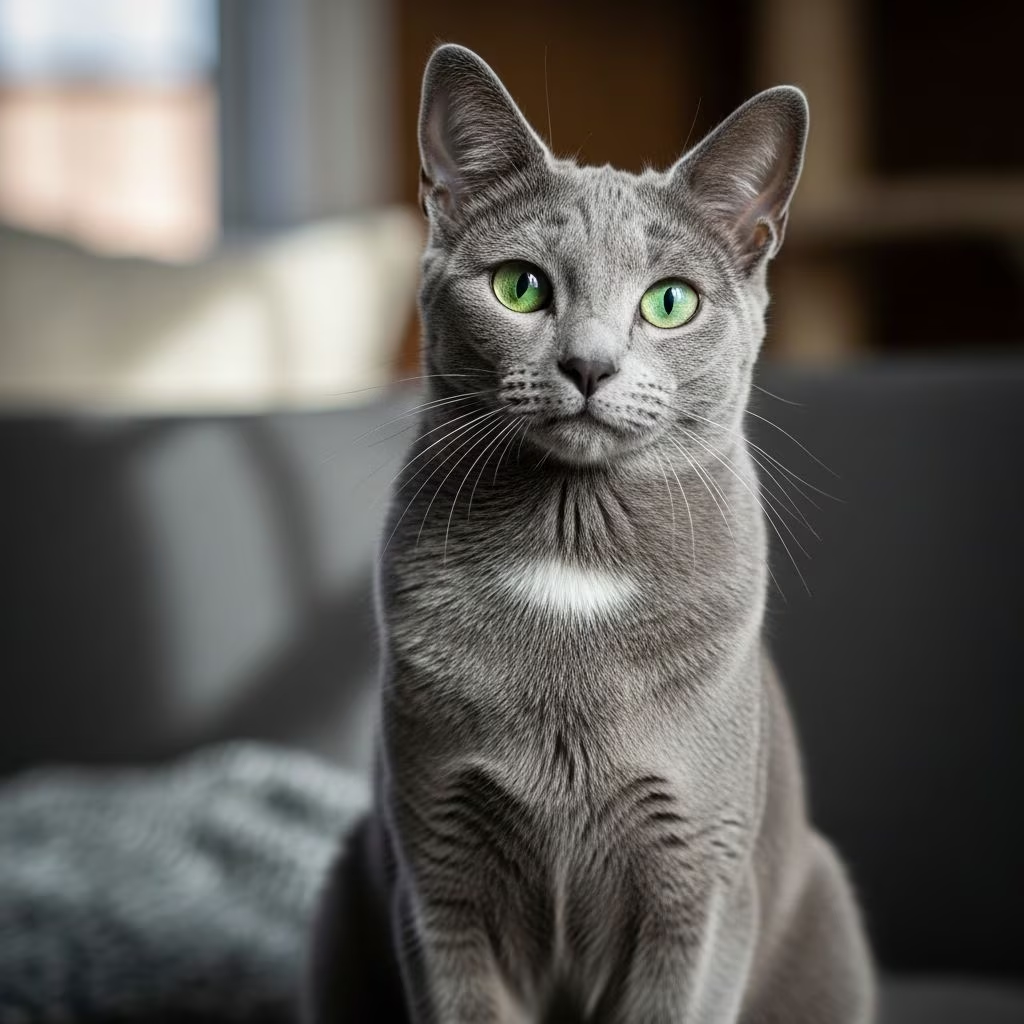
The Russian Blue stands as one of the most visually striking and temperamentally balanced cat breeds available to pet owners today. Characterized by their shimmering silvery coats, piercing green eyes, and graceful athletic build, these felines have captivated cat enthusiasts for generations. Beyond their aesthetic appeal, Russian Blues possess distinctive personality traits that make them particularly suited to specific household environments and owner types.
Physical Appearance and Distinctive Features
Russian Blue cats present an unmistakable silhouette that distinguishes them from other blue-coated feline breeds. The most defining characteristic is their unique coat composition, which consists of a dense double layer that creates a distinctive silvery shimmer. The outer guard hairs carry silvery tips, while the undercoat remains soft and downy, creating a visual effect often described as luminescent in natural light.
The physical structure of a Russian Blue reflects elegance and athleticism combined. These cats possess fine-boned, long bodies that remain muscular despite their lean appearance. Their distinctive head shape features a modified wedge profile with a broad forehead and straight nose. The ears are notably large, set far apart on the head, and maintain a triangular shape that contributes to their alert expression.
One of the breed’s most charming characteristics is what breeders refer to as the natural “smile.” This distinctive facial expression results from the specific placement of facial muscles and bone structure. Combined with their round, bright green eyes, this feature gives Russian Blues an appearance of perpetual friendliness and curiosity.
Size and Weight Specifications
Russian Blues represent the smaller to medium-sized category among domestic cats. Adult specimens typically weigh between 8 to 15 pounds, with males generally exceeding females in size. Despite their modest weight, the density of their coat often creates a visual impression of greater substance than they actually possess.
Coat and Color Standards
The breed standard recognizes Russian Blue coats in shades ranging from light shimmering silver to deeper slate grey. The defining characteristic remains the silvery tipping on guard hairs, which must create a distinct contrast with the ground color. Breed standards specifically exclude tabby markings, and the coat must be entirely blue with no variations.
Additional physical markers include slate grey nose leather and distinctive lavender or mauve-colored paw pads. These specific markings serve as reliable identifiers when distinguishing true Russian Blues from other blue-coated breeds.
Temperament and Behavioral Characteristics
The personality profile of Russian Blue cats presents an interesting paradox: they are simultaneously independent yet deeply attached, calm yet playful, and reserved yet affectionate. Understanding these nuanced behavioral traits proves essential for potential owners considering this breed.
Russian Blues typically exhibit selective social bonding, often forming their deepest attachment to a single family member while remaining cordial with others. This tendency reflects their sensitive nature and their capacity to attune themselves to individual human emotions. Reports indicate these cats will actively attempt to console distressed family members through gentle physical contact and persistent attention.
Quietness and Vocalization Patterns
Contrary to common misconceptions about vocal cat breeds, Russian Blues tend toward quietness in their general demeanor. However, they do engage in meaningful vocalizations with their owners, using voice as a communication tool to express desires for food, play, or affection. The distinction lies in their selectivity—they vocalize with purpose rather than excessive chattiness.
Playfulness and Activity Levels
Russian Blue kittens display exceptional energy levels and athleticism, requiring adequate stimulation through toys and interactive play. These cats possess remarkable jumping and climbing abilities that rival more renowned athletic breeds. The significance of adequate playtime cannot be overstated, as Russian Blues become prone to mischievous behavior when insufficiently entertained.
An intriguing aspect of Russian Blue development involves their extended juvenile period. These cats retain playful adolescent characteristics well into maturity, often not fully maturing until 3-4 years of age. This extended playfulness means Russian Blues benefit from consistent interactive engagement throughout their lives rather than tapering play sessions as they age.
Intelligence and Memory Capabilities
Russian Blues rank among the most cognitively sophisticated cat breeds, possessing exceptional memory and problem-solving abilities. They demonstrate the capacity to locate and remember hiding places of favorite toys, actively guiding owners to them when desiring play. Additionally, Russian Blues recognize familiar visitors and often rush to greet people they remember, even after extended periods of separation.
Social Compatibility and Living Arrangements
The social dynamics of Russian Blue cats deserve careful consideration for prospective owners. While these cats generally accept other pets and show tolerance toward children, specific environmental requirements exist for their optimal wellbeing.
Household Environment Preferences
Russian Blues thrive best in quieter, calmer household environments. However, contrary to strict breed characterizations, many Russian Blues successfully adapt to busier households with proper socialization. The critical factor involves providing adequate quiet spaces where these sensitive animals can retreat when overstimulated.
These cats demonstrate an initial shyness around strangers, frequently hiding when unfamiliar guests enter the home. However, their natural curiosity typically overcomes initial hesitation, and they eventually emerge to investigate newcomers. Providing low-stress introductions to new people prevents unnecessary stress and allows Russian Blues to warm up at their preferred pace.
Solitude Tolerance
Russian Blues possess sufficient independence to remain calm when left alone during typical work hours. This characteristic makes them suitable for owners with demanding professional schedules. However, this independence should not be confused with aloofness; upon reunion, Russian Blues display affection and enjoyment of owner interaction.
Compatibility with Other Animals
Russian Blues typically demonstrate good compatibility with other household pets. Their calm demeanor and non-aggressive nature facilitate peaceful coexistence with other cats and dog companions. Early socialization significantly influences positive interactions with other animals.
Health Considerations and Lifespan
Russian Blues generally represent a healthy, robust breed with few breed-specific health vulnerabilities. The average lifespan ranges from 12 to 15 years, with many individuals living well into their twenties. Some documented cases report Russian Blues reaching ages exceeding 25 years.
The breed’s longevity, combined with their relatively low shedding despite possessing dense coats, contributes to their appeal among health-conscious pet owners.
Grooming Requirements and Coat Maintenance
Despite their luxurious appearance, Russian Blues require relatively modest grooming compared to long-haired breeds. Weekly brushing sessions suffice for maintaining coat health and managing the modest shedding these cats produce. The dense double coat benefits from regular brushing to prevent matting and distribute natural oils throughout the fur.
An interesting characteristic of Russian Blue coats involves their tactile qualities. The fur is so thick and velvety that patterns traced by fingers remain visible until smoothed over again. This distinctive texture reflects the coat’s unique density and composition.
Ideal Owner Profile and Lifestyle Fit
Russian Blues represent excellent choices for specific owner demographics while proving less suitable for others. Understanding these distinctions helps ensure successful long-term matches between cats and their households.
Suitable Households
- First-time cat owners seeking a manageable, moderately independent breed
- Individuals or couples with quieter lifestyle preferences
- Households with older children who respect feline boundaries
- Professional workers able to provide interactive playtime during non-work hours
- Homes with some combination of indoor and outdoor space
- Owners seeking low-shedding feline companions
Less Suitable Situations
- High-traffic households with frequent, unexpected visitors
- Homes with very young children requiring constant supervision
- Environments with unpredictable schedules or frequent disruptions
- Owners unable to provide consistent interactive engagement
- Extremely noisy or chaotic household settings
Training and Owner-Cat Relationships
Russian Blues possess exceptional intelligence that some observers describe as the cats effectively training their owners rather than the reverse. This dynamic reflects the breed’s strong-willed nature and ability to communicate desires effectively.
These cats respond well to interactive play sessions and can be taught to fetch and retrieve objects. Engaging in regular back-and-forth vocalization with Russian Blues strengthens the bond and encourages continued communication. The key to successful interaction involves recognizing that Russian Blues value reciprocal engagement rather than one-directional command compliance.
Frequently Asked Questions About Russian Blue Cats
Are Russian Blues hypoallergenic?
While Russian Blues shed less than many other breeds due to their dense coat structure, no cat breed is truly hypoallergenic. Their low-shedding nature makes them potentially more suitable for individuals with mild cat allergies, though this is never guaranteed.
How much playtime do Russian Blues require daily?
Russian Blues require substantial interactive playtime daily to prevent boredom and behavioral issues. Multiple play sessions totaling at least one to two hours of engagement prove optimal for maintaining physical fitness and mental stimulation.
Do Russian Blues get along with dogs?
Yes, Russian Blues generally demonstrate good compatibility with dogs when properly socialized from an early age. Their calm temperament and non-aggressive nature facilitate peaceful coexistence with canine companions.
Can Russian Blues live entirely indoors?
Yes, Russian Blues adapt well to indoor living, though they benefit from a combination of indoor and outdoor space when possible. Indoor cats require environmental enrichment through toys, climbing structures, and interactive play.
What makes Russian Blue eyes unique?
Russian Blues possess distinctively bright green eyes that represent a breed hallmark. The vivid green coloration combined with their round eye shape contributes significantly to their distinctive appearance.
Conclusion: Is a Russian Blue Right for You?
Russian Blue cats represent a compelling option for owners seeking an intelligent, affectionate yet independent companion with striking aesthetic qualities. Their calm demeanor, low shedding, and selective social bonding create ideal matches for the right households. However, their sensitivity to environmental disruption and need for consistent interactive engagement require honest self-assessment from potential owners regarding lifestyle compatibility.
The decision to welcome a Russian Blue into your home should reflect careful consideration of the breed’s specific needs and your household’s capacity to meet them. When properly matched with suitable environments and committed owners, Russian Blues develop into devoted companions whose subtle affection and engaging personalities reward the investment in their care and attention.
References
- Russian Blue Cat Breed Information — Purina UK. Retrieved January 2026. https://www.purina.co.uk/find-a-pet/cat-breeds/russian-blue
- What to Know About a Russian Blue Cat — WebMD Pets. Retrieved January 2026. https://www.webmd.com/pets/cats/what-to-know-about-russian-blue-cat
- Fun Facts About Russian Blue Cats — ASPCA Pet Health Insurance. Retrieved January 2026. https://www.aspcapetinsurance.com/resources/russian-blue-cat-facts/
- The Russian Blue Cat Breed — Hill’s Pet Nutrition. Retrieved January 2026. https://www.hillspet.com/cat-care/cat-breeds/russian-blue
- Russian Blue Breed Standard — The Cat Fanciers’ Association. Retrieved January 2026. https://cfa.org/breed/russian-blue/
- Russian Blue — Wikipedia. Retrieved January 2026. https://en.wikipedia.org/wiki/Russian_Blue



