

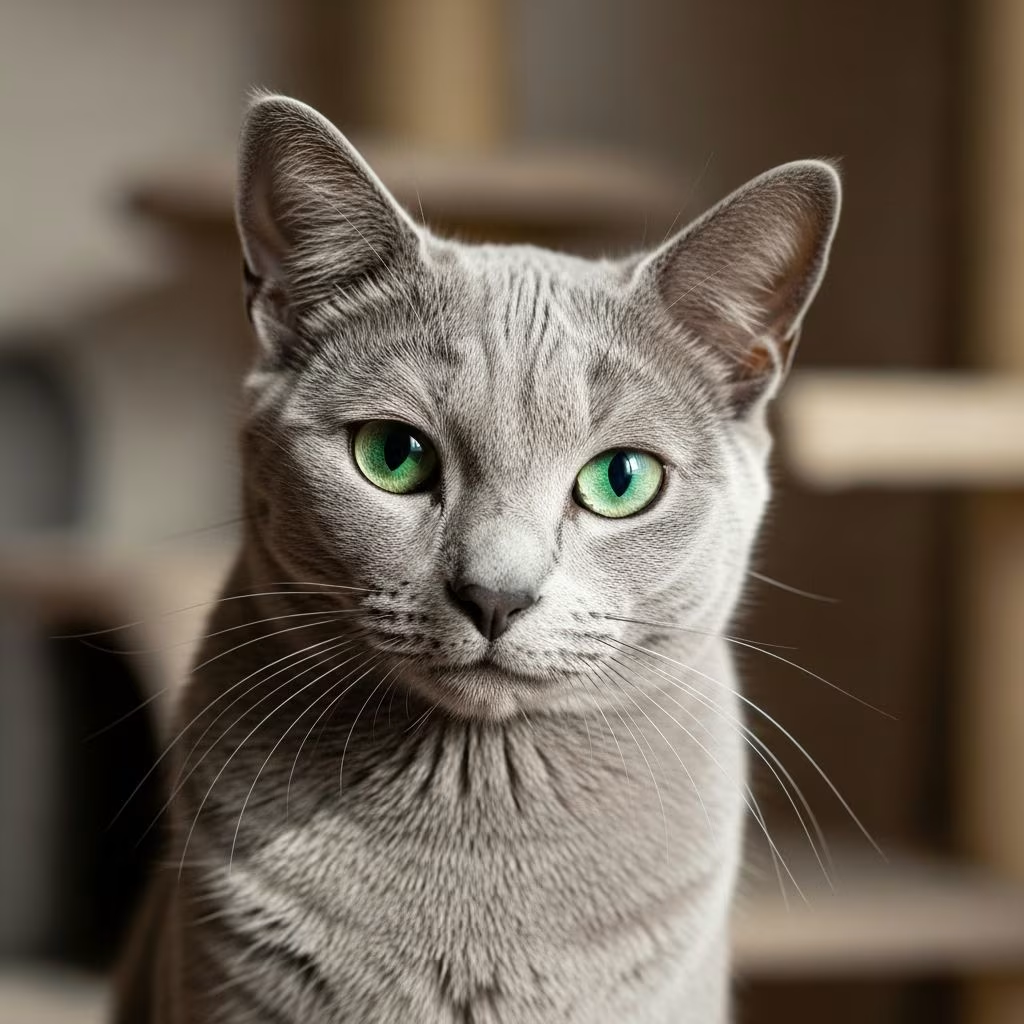
The Russian Blue cat captivates with its shimmering blue coat, emerald eyes, and graceful demeanor. Known for their intelligence, loyalty, and quiet nature, these medium-sized felines typically enjoy lifespans of 12 to 25 years when properly cared for. However, like all purebred cats, they face specific health challenges that owners must understand to promote optimal well-being. This guide delves into potential health concerns, drawing from breed standards and characteristics to highlight risks, symptoms, and management approaches.
Understanding the Russian Blue’s Physical Profile
Russian Blues feature a lithe, muscular build with fine bones, a wedge-shaped head, large ears, and a dense double coat that gives a plush appearance. Weighing 8 to 15 pounds, males are generally larger than females. Their vivid green eyes, slate-gray nose, and lavender paw pads are breed hallmarks. This elegant structure supports agility and playfulness into adulthood, but certain traits predispose them to specific conditions.
Average maturity occurs around 3-4 years, with kittens showing high energy that demands stimulation to prevent behavioral issues. Their sensitivity to environments and owners’ moods underscores the need for stable, calm homes.
Genetic Predispositions in Russian Blues
Purebred status means Russian Blues carry risks for hereditary issues, though selective breeding by organizations like the Cat Fanciers’ Association (CFA) aims to minimize them. Key genetic concerns include:
- Hypertrophic Cardiomyopathy (HCM): Thickening of heart muscle impairs function. Russian Blues may be susceptible, though less than breeds like Maine Coons. Early screening via echocardiography is vital.
- Progressive Retinal Atrophy (PRA): Gradual vision loss from retinal degeneration. Genetic testing identifies carriers; affected cats adapt well if detected early.
- Polycystic Kidney Disease (PKD): Cyst formation in kidneys, rare in this breed but monitored in pedigreed lines. Ultrasound checks are recommended for breeding cats.
Owners should source kittens from reputable breeders who perform health clearances, reducing these risks significantly.
Respiratory Vulnerabilities
The breed’s short, dense coat offers minimal protection against cold, making them prone to upper respiratory infections (URIs), especially in multi-cat homes or shelters. Symptoms include sneezing, nasal discharge, and lethargy. Preventive measures encompass vaccination protocols per veterinary guidelines and minimizing stress.
In cooler climates, drafts or low temperatures exacerbate sensitivities. Provide draft-free indoor spaces and consider sweater vests for outdoor time. Chronic cases may signal allergies or immune weaknesses, warranting allergy testing.
Bladder and Urinary Tract Challenges
Males, with narrower urethras, face higher risks of urinary blockages from crystals or stones. Watch for straining, blood in urine, or frequent litter box visits. Diet plays a crucial role: high-moisture foods and urinary health formulas prevent recurrence.
| Symptom | Possible Cause | Action |
|---|---|---|
| Frequent urination | Crystals/stones | Vet visit, diet change |
| Blood in urine | Infection/blockage | Immediate emergency care |
| Straining without output | Obstruction | Urgent catheterization |
Females experience urinary issues less severely but benefit from the same proactive hydration strategies.
Dental Health Considerations
Their strong jaws support dental play, but plaque buildup leads to gingivitis or periodontitis. Small, oval paws aid grooming, yet regular care is essential. Signs include bad breath, drooling, or pawing at the mouth.
- Daily tooth brushing with feline toothpaste.
- Dental diets or treats to reduce tartar.
- Annual professional cleanings under anesthesia if needed.
Neglect escalates to tooth loss or systemic infections, impacting longevity.
Obesity Risks and Weight Management
Despite lean builds, indoor lifestyles and treats contribute to weight gain, straining joints and hearts. Ideal weight maintenance involves portion control, interactive toys, and high-protein diets matching their active nature.
Monitor body condition scores: ribs palpable without excess fat, waist visible from above. Seniors require adjusted calories to counter slowed metabolism.
Skin and Coat Maintenance
The plush coat sheds minimally but traps oils, risking matting or dermatitis. Weekly brushing distributes oils and removes debris. Sensitivity to fleas prompts prompt treatments.
Environmental allergens may cause itching; hypoallergenic shampoos soothe mild cases. Persistent issues signal food sensitivities—trial hydrolyzed diets under vet supervision.
Joint and Mobility Concerns in Aging Cats
Athletic youth transitions to age-related arthritis around 10 years. Long legs aid leaping, but stiffness appears as reluctance to jump. Supplements like glucosamine support cartilage, alongside ramps and soft bedding.
Weight control remains paramount, as excess load accelerates degeneration.
Preventive Care Blueprint
Proactive health maximizes their long lifespan:
- Annual Exams: Bloodwork, urinalysis, blood pressure checks detect issues early.
- Vaccinations: Core shots against rabies, FVRCP; discuss lifestyle-based boosters.
- Parasite Control: Monthly preventives for fleas, ticks, heartworms, and intestinal worms.
- Spay/Neuter: Reduces cancers and behaviors; timing per vet advice.
- Nutrition: AAFCO-approved foods tailored to life stage, with fresh water encouragement.
Breeders providing health guarantees offer peace of mind.
Lifestyle Factors Influencing Health
Quiet, stable homes suit their sensitive personalities, reducing stress-induced illnesses. Play sessions prevent boredom, channeling intelligence into fetch or puzzle toys. They tolerate solitude but thrive with family interaction, forming strong bonds.
Avoid changes like frequent moves; gradual introductions ease adaptations.
When to Seek Veterinary Attention
Emergencies demand immediate action: seizures, breathing distress, trauma, or urinary blockages. Subtle signs like appetite loss, hiding, or coat dullness signal underlying problems—err toward caution.
Build rapport with a cat-savvy vet experienced in breeds.
FAQs
Do Russian Blues have more health problems than mixed breeds?
Genetic pools narrow risks for some issues but elevate others like HCM. Responsible breeding mitigates this.
How can I test for HCM in my Russian Blue?
Echocardiograms by board-certified cardiologists; start screening at 1 year, repeat periodically.
Are Russian Blues prone to allergies?
Possible, manifesting as skin or respiratory symptoms. Elimination diets confirm.
What diet best supports urinary health?
Wet foods with controlled minerals; vet-recommended urinary formulas excel.
Can Russian Blues live outdoors?
Prefer indoors for safety and coat protection; supervised access suffices.
Promoting Longevity Through Informed Ownership
Armed with breed knowledge, owners empower Russian Blues to reach their 15+ year potential. Consistent care, vigilant monitoring, and loving environments yield vibrant companions whose loyalty endures. Invest in health today for joyful tomorrows.
References
- Russian Blue Cat Breed Information — Purina UK. 2023. https://www.purina.co.uk/find-a-pet/cat-breeds/russian-blue
- What to Know About a Russian Blue Cat — WebMD. 2023. https://www.webmd.com/pets/cats/what-to-know-about-russian-blue-cat
- Fun Facts About Russian Blue Cats — ASPCA Pet Health Insurance. 2023. https://www.aspcapetinsurance.com/resources/russian-blue-cat-facts/
- The Russian Blue Cat Breed — Hill’s Pet Nutrition. 2023. https://www.hillspet.com/cat-care/cat-breeds/russian-blue
- Russian Blue Breed Standard — Cat Fanciers’ Association. 2023. https://cfa.org/breed/russian-blue/
- Russian Blue Overview — Wikipedia (referencing breed standards). 2023. https://en.wikipedia.org/wiki/Russian_Blue



