

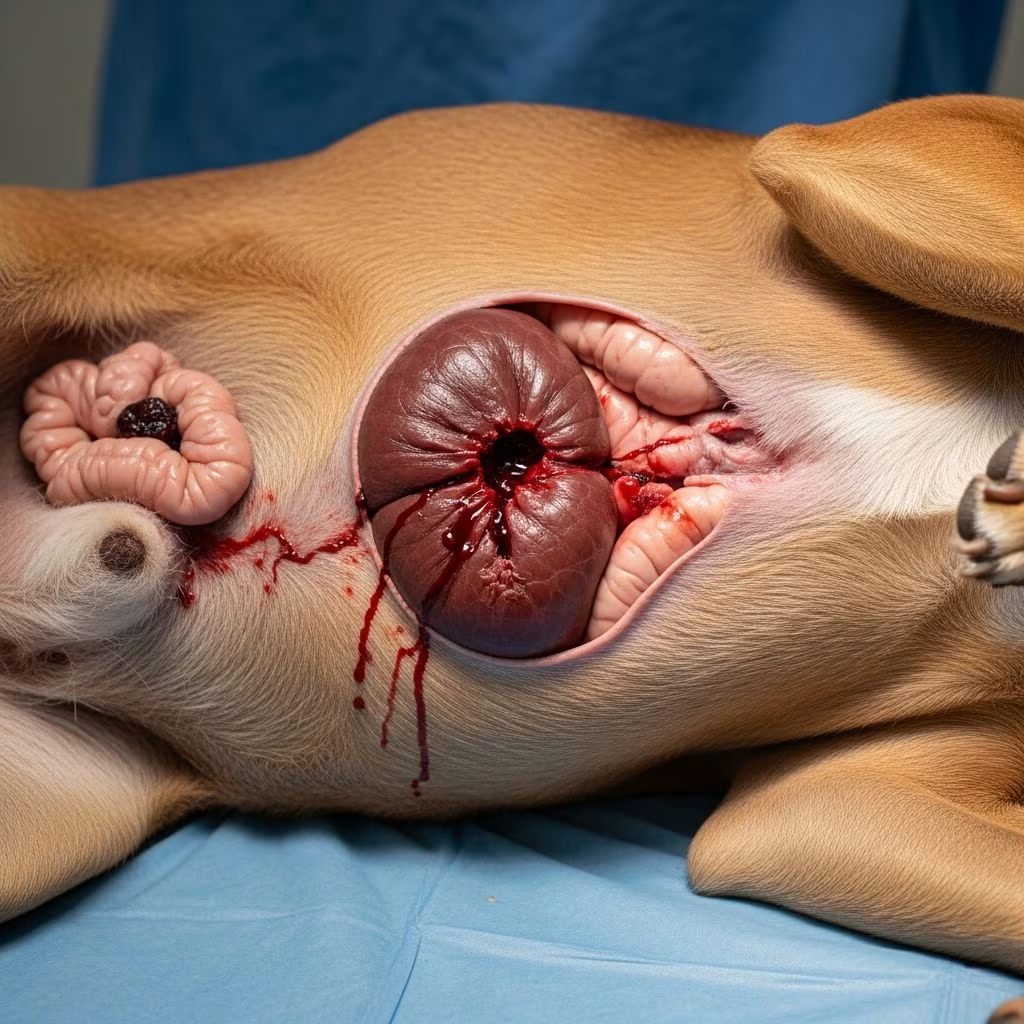
The spleen plays a vital role in a dog’s immune system and blood filtration, but when it ruptures, it triggers a life-threatening crisis due to massive internal bleeding. This condition demands immediate veterinary intervention to prevent fatal shock.
The Essential Functions of the Canine Spleen
In dogs, the spleen acts as a multifunctional organ located in the abdomen near the stomach. It filters aged red blood cells, stores blood reserves for emergencies, and supports immune responses by producing white blood cells. A healthy spleen helps maintain blood volume and fights infections effectively.
- Blood storage: Holds up to 10% of the dog’s blood supply for rapid release during trauma.
- Immune support: Houses lymphocytes to combat pathogens.
- Recycling: Breaks down old cells and recycles iron.
Disruption from rupture compromises these functions, leading to anemia, clotting issues, and heightened infection risks.
Primary Causes Leading to Spleen Rupture
Splenic rupture often stems from trauma, tumors, or vascular abnormalities. Blunt force injuries from car accidents or falls can tear the fragile splenic capsule, causing hemoabdomen—blood accumulation in the abdominal cavity.
| Cause | Description | Risk Factors |
|---|---|---|
| Trauma | High-impact blows rupture the spleen directly. | Active outdoor dogs, traffic exposure. |
| Hemangiosarcoma | Malignant tumors weaken and burst the spleen. | Golden Retrievers, German Shepherds (older dogs). |
| Hematoma | Benign blood-filled cysts that grow and leak. | Spontaneous in larger breeds. |
| Splenic Torsion | Spleen twists, cutting blood flow and causing necrosis. | Deep-chested breeds like Great Danes. |
Tumors account for over 50% of cases in senior dogs, often presenting silently until rupture.
Recognizing Alarming Symptoms Early
Dogs with splenic rupture show acute signs of hypovolemic shock from blood loss. Owners must act fast upon noticing these indicators.
- Sudden collapse: Dog faints or becomes unresponsive due to low blood pressure.
- Pale gums: Indicates anemia and poor circulation; normal gums are pink.
- Weakness and lethargy: Reluctance to move, even for meals.
- Abdominal distension: Swollen belly from blood pooling.
- Rapid panting or breathing: Compensating for oxygen deprivation.
- Cold extremities: Limbs feel chilly from shock.
Chronic cases may involve gradual weight loss, vomiting, or dark urine before acute rupture. Any combination warrants an emergency vet visit.
Diagnostic Approaches for Swift Confirmation
Veterinarians use a multi-step process to diagnose splenic issues. Initial physical exams palpate for abdominal masses or pain.
- Bloodwork: Checks for anemia (low red cells), clotting disorders, and organ function.
- Imaging: X-rays reveal abdominal masses or fluid; ultrasound confirms rupture, torsion, or tumors with high accuracy.
- Abdominocentesis: Draws fluid from the belly to test for blood.
- Echocardiogram: Monitors heart arrhythmias common post-rupture.
Ultrasound is pivotal, distinguishing benign hematomas from cancerous masses.
Emergency Stabilization Before Surgery
Prior to operating, stabilizing the dog is crucial. IV fluids restore blood volume, while oxygen therapy aids breathing.
- Crystalloids and colloids: Bolus infusions to combat hypotension.
- Blood transfusions: Whole blood or packed cells if hemoglobin drops critically.
- Pain management: Opioids and fentanyl patches for comfort.
- Abdominal wrapping: Compresses to slow bleeding temporarily.
Monitoring includes ECG for arrhythmias, which affect 60% of cases.
Splenectomy: The Gold Standard Surgical Intervention
Splenectomy—complete spleen removal—is the definitive treatment for rupture. Performed under general anesthesia, it involves:
- Incision through the midline abdomen.
- Ligation of splenic vessels to minimize blood loss.
- Removal and pathological analysis of the spleen.
- Biopsies of liver or nearby tissues if cancer suspected.
Partial splenectomy is rare, reserved for localized damage. Emergency procedures carry higher risks but save lives. Post-op, dogs receive antibiotics and anti-arrhythmic drugs.
Post-Operative Care and Recovery Timeline
Recovery focuses on monitoring complications like infection or DIC (disseminated intravascular coagulation).
| Recovery Phase | Duration | Key Actions |
|---|---|---|
| Hospital Stay | 2-5 days | IV fluids, pain control, blood panels. |
| Home Rest | 10-14 days | E-collar, short leash walks, no jumping. |
| Full Activity | 4-6 weeks | Stitch removal at 10-14 days; gradual exercise. |
| Long-Term | Ongoing | Vaccinations, parasite prevention due to immunity loss. |
About 30-50% of dogs experience heart rhythm issues, resolving in most cases.
Potential Complications and Prognosis Factors
While splenectomy resolves acute bleeding, outcomes vary by underlying cause.
- Benign cases (hematoma): Excellent prognosis; survival over 90%.
- Malignant (hemangiosarcoma): Metastasis common; median survival 1-3 months without chemo.
- Arrhythmias/DIC: Can be fatal in 10-20% of surgeries.
- Infection risk: Higher without spleen; annual vaccines recommended.
Early intervention boosts survival rates significantly.
Lifestyle Adjustments for At-Risk Breeds
Preventive measures include regular senior check-ups for breeds prone to splenic masses (e.g., Labs, Boxers). Avoid high-risk activities like off-leash near roads. Annual bloodwork detects subtle anemias early.
FAQs on Canine Splenic Rupture
What happens if a dog’s spleen ruptures untreated?
Untreated rupture leads to hypovolemic shock, organ failure, and death within hours.
Can dogs live normally without a spleen?
Yes, most adapt well with vaccinations and prompt infection treatment.
How much does splenectomy cost?
Varies by location/emergency status; typically $2,000-$5,000 including hospitalization.
Is splenic rupture painful for dogs?
Dogs show distress from abdominal pain and weakness; pain meds alleviate it post-diagnosis.
Which breeds are most susceptible?
Large breeds like Golden Retrievers and German Shepherds due to tumor prevalence.
References
- Splenectomy in dogs: Prevention, symptoms, treatment & surgery — Animal Outpatient Surgery. 2023. https://animaloutpatientsurgery.com/blog/splenectomy-in-dogs-prevention-symptoms-treatment-surgery/
- Spleen Disease in Dogs: Causes, Symptoms & Treatment — Long Beach Animal Hospital. 2024. https://lbah.com/canine/spleen-disease-hemangiosarcoma-hematoma/
- Learning the Canine Spleen — ASPCA Pet Health Insurance. 2023. https://www.aspcapetinsurance.com/resources/canine-spleen/
- Enlarged Spleen in Dogs: Causes, Signs & Treatment — Hill’s Pet. 2024. https://www.hillspet.com/dog-care/healthcare/enlarged-spleen-in-dogs
- Splenic Hemorrhage in Dogs — WagWalking. 2023. https://wagwalking.com/condition/splenic-hemorrhage
- Tumors and Surgical Conditions of the Spleen — Animal Surgical Center of Michigan. 2024. https://www.animalsurgicalcenter.com/tumors-and-surgical-conditions-of-the-spleen



