
Ruptured Air Sacs in Birds: Detection and Care
Discover the hidden dangers of air sac damage in pet birds, from symptoms to recovery strategies for healthier avian companions.
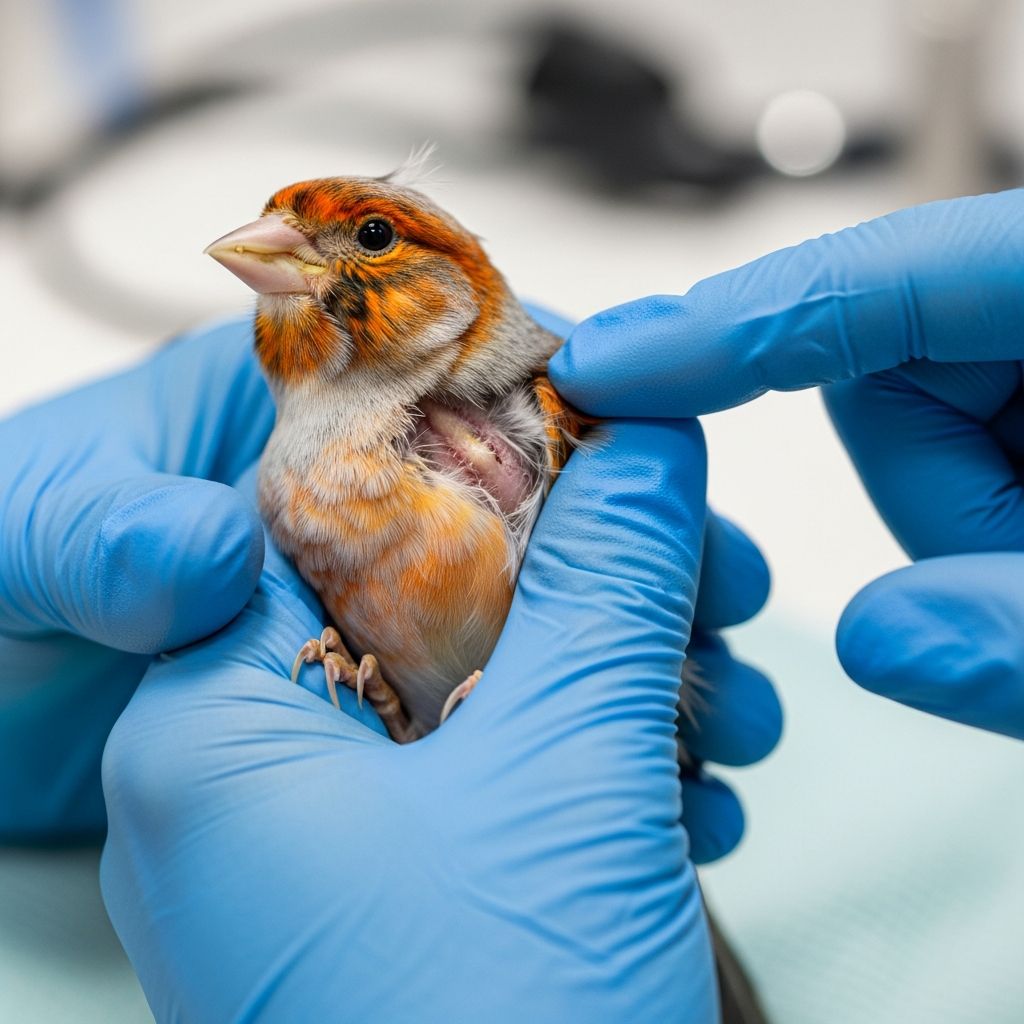
The avian respiratory system stands out due to its air sacs, which facilitate efficient oxygen exchange. When these sacs rupture or become inflamed, it leads to a serious condition known as airsacculitis, often presenting as labored breathing and overall decline in bird health.
The Unique Avian Respiratory Anatomy
Birds possess a sophisticated breathing mechanism unlike mammals. Air sacs extend from the lungs, acting as bellows to maintain unidirectional airflow. This setup allows for constant fresh air circulation through the lungs during both inhalation and exhalation, boosting oxygen uptake efficiency.
These air sacs include cervical, clavicular, cranial thoracic, and abdominal types. Damage to them, such as rupture from infection or trauma, disrupts this flow, causing oxygen deprivation and systemic issues. Understanding this anatomy is key for bird owners spotting early distress signals.
Primary Causes of Air Sac Damage
Bacterial invasions top the list of culprits for air sac inflammation and rupture. Pathogens like Escherichia coli, Mycoplasma gallisepticum, and Ornithobacterium rhinotracheale infiltrate the sacs, triggering swelling and fluid buildup.
Fungal agents, particularly Aspergillus species, pose another threat, thriving in humid or dusty environments. Spores inhaled settle in the sacs, forming granulomas that thicken tissues and impair function.
- Bacterial triggers: E. coli, Mycoplasma spp., Bordetella avium – spread via contaminated feed or water.
- Fungal contributors: Aspergillus fumigatus – common in weakened birds with poor immunity.
- Other factors: Viral infections, poor ventilation, nutritional deficits like vitamin A shortage.
Stress from overcrowding, molting, or breeding lowers defenses, allowing opportunistic microbes to attack.
Recognizing Symptoms Early
Initial signs mimic general illness but escalate quickly. Birds show lethargy, ruffled feathers, and reduced appetite, progressing to respiratory distress.
| Symptom | Description | Severity Level |
|---|---|---|
| Tail bobbing | Rhythmic up-down tail movement during breathing | Moderate to severe |
| Open-mouth breathing | Mouth agape, audible wheezing | Severe |
| Nasal discharge | Clear to pus-like fluid from nares | Early indicator |
| Weight loss | Rapid decline despite normal intake | Advanced |
| Voice change | Altered pitch or raspy calls | Upper tract involvement |
Juveniles aged 6-12 weeks are most vulnerable, exhibiting stunted growth alongside these signs. Adults may produce fewer eggs.
Diagnostic Approaches for Accurate Identification
Veterinarians rely on clinical exams, imaging, and lab tests. Physical checks reveal swollen necks or congested nares. Radiographs show thickened sacs or fluid accumulation.
- Endoscopy: Direct visualization of sacs for plaques or nodules.
- Culture swabs: From trachea or sacs to identify bacteria/fungi.
- Blood work: Detects elevated white cells indicating infection.
- Necropsy (if fatal): Confirms red, swollen sacs with exudate.
Differentiating from similar conditions like infectious bronchitis or aspergillosis requires these targeted methods.
Treatment Strategies: From Antibiotics to Supportive Care
Addressing the root cause is paramount. Bacterial cases demand targeted antibiotics like enrofloxacin or tylosin, administered via nebulization for direct sac delivery.
Fungal infections require antifungals such as itraconazole, often over weeks due to chronic nature. Supportive measures include:
- Humidified oxygen therapy to ease breathing.
- Nutritional support with vitamin A-rich foods.
- Isolation to curb spread.
Recovery hinges on early intervention; acute cases can kill within days, while chronic ones demand prolonged management.
Prevention: Building a Resilient Bird Environment
Proactive steps slash risks. Maintain clean cages, fresh feed, and optimal humidity (40-60%). Avoid overcrowding and ensure balanced diets fortifying immunity.
Vaccinations against Mycoplasma in flocks and routine vet checkups catch issues early. Quarantine new birds for 30-45 days.
Frequently Asked Questions (FAQs)
What triggers air sac rupture in pet birds?
Primarily bacterial or fungal infections exploiting weakened immunity from stress or malnutrition.
Can airsacculitis spread between birds?
Yes, highly contagious via airborne droplets or shared surfaces, especially E. coli strains.
How long does treatment take?
Bacterial: 7-14 days; fungal: 4-6 weeks, with monitoring.
Is this fatal?
Untreated acute cases often are, but prompt care yields high survival rates.
Prevention tips for finches or parrots?
Clean weekly, vitamin supplements, good ventilation.
Long-Term Management and Prognosis
Survivors may harbor latent bacteria, risking flare-ups or transmission. Regular monitoring prevents recurrence. Prognosis improves with swift diagnosis: 80-90% recovery in treated mild cases versus poor outcomes in advanced stages.
Owners should track weight, droppings, and behavior weekly. Advanced imaging aids ongoing assessment.
Case Studies: Real-World Insights
In poultry, airsacculitis outbreaks halved with improved ventilation and probiotics. Pet parrots with aspergillosis recovered post-nebulization, resuming normal activity in months.
These examples underscore hygiene’s role in flock health.
References
- Airsacculitis — Wikipedia. 2023-10-15. https://en.wikipedia.org/wiki/Airsacculitis
- Respiratory Infection or Air Sac Mites? — Lady Gouldian Finch. 2022-05-20. https://www.ladygouldianfinch.com/respiratory-infection-or-air-sac-mites.aspx
- Avian Aspergillosis: What Every Veterinarian Needs to Know — Today’s Veterinary Practice. 2024-01-10. https://todaysveterinarypractice.com/exotic-medicine/avian-aspergillosis/
- Respiratory Tract Infection in Birds – Aspergillosis — PetMD. 2023-11-05. https://www.petmd.com/bird/conditions/respiratory/c_bd_Aspergillosis
- Respiratory Diseases of Gallinaceous Birds — PMC (NCBI). 2020-03-15. https://pmc.ncbi.nlm.nih.gov/articles/PMC7110668/
- Respiratory Disease in Birds — VCA Animal Hospitals. 2024-02-01. https://vcahospitals.com/know-your-pet/respiratory-disease-in-birds
Similar Articles








Read full bio of medha deb


