

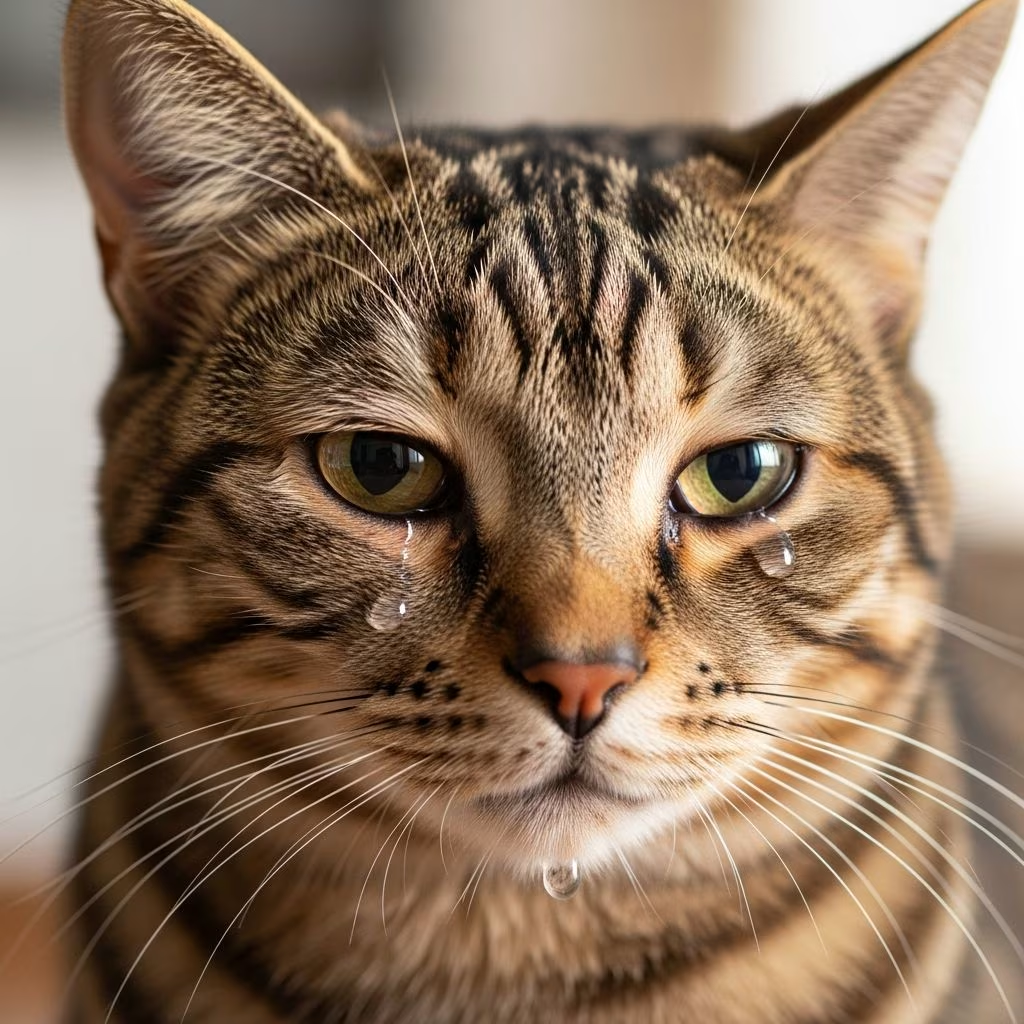
Watery eyes, medically known as epiphora, occur when tears overflow from a cat’s eyes due to overproduction or poor drainage. This common issue affects cats of all ages and breeds, often signaling underlying health problems like infections, allergies, or anatomical defects. While occasional tearing may be harmless, persistent runny eyes warrant veterinary attention to prevent complications such as infections or vision loss.
What Causes Runny Watery Eyes in Cats?
Several factors contribute to epiphora in cats. Understanding these helps in prompt diagnosis and treatment.
Blocked Tear Ducts
The nasolacrimal duct drains tears from the eyes to the nose. Blockages from inflammation, debris, congenital issues, or tumors prevent proper drainage, causing tears to spill over. This leads to eye irritation, secondary infections, and tear staining under the eyes. Brachycephalic breeds like Persians are prone due to shallow eye sockets and distorted ducts.
Infections
Eye infections are a leading cause. Bacterial infections inflame the conjunctiva (conjunctivitis or “pink eye”), prompting excess tear production to flush irritants. Common bacteria include those causing sticky yellow discharge. Viral infections, especially Feline Herpesvirus (FHV-1 or Feline Viral Rhinotracheitis), affect over 90% of cats, leading to chronic watery eyes, especially during stress. Symptoms include redness, squinting, and pawing at eyes.
Foreign Objects and Irritants
Dust, grass seeds, or toys can lodge in the eye, irritating the cornea and triggering tears. Allergies to pollen, dust, or smoke cause similar inflammation. Cats paw at eyes, worsening irritation.
Genetics and Breed Predispositions
Brachycephalic cats (Persians, Himalayans, Exotics) have facial structures that impair tear drainage. Congenital issues like distichiasis (abnormal eyelid hairs) or entropion (inward-rolling eyelids) exacerbate tearing.
Eye Injuries and Ulcers
Scratches, blows to the head, or chemical exposure cause corneal ulcers—painful erosions on the eye surface. Cats squint, rub their face, and show red, watery eyes. Untreated ulcers can rupture the eyeball.
Other Causes
Upper respiratory infections (cat flu), rhinitis, sinusitis, or dry eye (keratoconjunctivitis sicca) reduce tear quality, leading to overflow. Eyelid abnormalities or tumors block ducts.
Symptoms of Watery Eyes in Cats
Watch for these signs:
- Excessive tearing or clear discharge from one or both eyes
- Redness, swelling, or inflammation around eyes
- Squinting, blinking, or pawing at eyes
- Sticky, yellow/green discharge (infection indicator)
- Tear staining (brown marks under eyes)
- Cloudy cornea or visible third eyelid
- Rubbing head on surfaces or behavioral changes like lethargy
One-eye involvement suggests local issues like ulcers; both eyes point to systemic causes like viruses.
Diagnosis of Runny Eyes in Cats
Vets perform a thorough exam:
- Physical Inspection: Check for foreign objects, eyelid issues, or staining.
- Fluorescein Stain: Dye reveals corneal ulcers (green under UV light).
- Tear Production Test (Schirmer Tear Test): Measures tear volume to diagnose dry eye.
- Duct Flush: Saline injected to test patency.
- Cytology/Culture: Swabs identify bacteria/viruses.
- Imaging: X-rays or CT for tumors/blockages.
Early diagnosis prevents progression.
Treatment Options for Watery Eyes in Cats
Treatment targets the root cause. Never self-medicate, as human drops can harm cats.
Medications
- Antibiotics/Antivirals: Eye drops/ointments for bacterial (e.g., Chlamydia) or viral infections. Oral meds for systemic issues.
- Anti-inflammatories: Reduce swelling; steroids used cautiously.
- Antihistamines: For allergies.
Cleaning and Flushing
Gently wipe eyes with saline or vet-approved solution. Flush blocked ducts with saline via catheter.
Surgery
For structural issues: correct entropion, remove tumors, or create new drainage (conjunctivorhinostomy). Foreign body removal or ulcer debridement.
Supportive Care
Humidifiers for dry environments, hypoallergenic diets, or stress reduction for FHV flares.
| Cause | Common Treatments |
|---|---|
| Blocked Ducts | Flushing, surgery |
| Infection | Antibiotics, antivirals |
| Allergies | Antihistamines, environment changes |
| Ulcers/Injuries | Protective collar, meds, surgery |
When to See a Vet for Cat Watery Eyes
Seek immediate care if:
- Tearing persists >24-48 hours
- Discharge is colored/thick
- Eye is red, squinted, or ulcerated
- Cat paws excessively or shows pain
- Both eyes affected with respiratory signs
Emergencies: vision changes, cloudiness, or trauma. Delays risk blindness.
Preventing Watery Eyes in Cats
- Regular vet checkups and vaccinations (FHV-1 core).
- Keep litter dust-free; use low-dust types.
- Avoid smoke, strong cleaners, plants.
- Trim facial hair in long-nosed breeds.
- Stress management: consistent routine, enrichment.
- Clean eyes daily with soft cloth/saline.
Brachycephalic owners: monitor closely.
Home Remedies and Care Tips
While awaiting vet visit:
- Wipe eyes gently outward with warm water-dampened cloth.
- Prevent rubbing with cone collar.
- Boost immunity with L-lysine supplements for FHV (vet-approved).
- Humidify air; ensure hydration.
Avoid OTC drops.
Frequently Asked Questions (FAQs)
What does it mean if my cat’s eyes are watery?
Watery eyes (epiphora) indicate excess tears from irritation, infection, or drainage issues. Mild cases self-resolve; persistent ones need vet evaluation.
Is cat eye discharge normal?
Clear, minimal discharge is normal for grooming. Colored, excessive, or one-sided discharge signals problems.
Can allergies cause watery eyes in cats?
Yes, environmental allergens trigger tearing. Manage with vet-prescribed drops and allergen reduction.
How do I clean my cat’s watery eyes at home?
Use sterile saline on cotton ball; wipe from inner to outer corner. Do not flush without vet guidance.
Will my cat’s watery eyes go away on their own?
Viral cases may; bacterial/ulcer ones won’t. Always consult a vet.
Conclusion
Runny watery eyes in cats range from benign to serious. Prompt vet care ensures quick resolution and preserves vision. Regular maintenance keeps eyes healthy.
References
- Watery Eyes (Epiphora) in Cats — PetMD. 2023. https://www.petmd.com/cat/conditions/eyes/watery-eyes-epiphora-cats
- Why Your Cat’s Eyes Are Watering: Causes & Solutions — Vetericyn. 2024. https://vetericyn.com/blogs/vetericyn/why-are-my-cats-eyes-watering
- Why Are My Cat’s Eyes Watering? 7 Top Causes — Purina US. 2024. https://www.purina.com/articles/cat/health/symptoms/cat-eyes-watering
- Cat Runny, Watery Eyes: Causes and Treatments — WebMD. 2023. https://www.webmd.com/pets/cats/causes-of-feline-watery-eyes
- Treatment Options for Cat Eye Watering — Glenwood Pet Hospital. 2024. https://glenwoodpethospital.com/blog/is-it-normal-for-cats-eyes-to-water/
- How To Treat Cats’ Watery Eyes? Causes and Diagnosis — Noble Vet Clinic. 2023. https://noblevetclinic.com/blog/how-to-treat-cats-watery-eyes



