

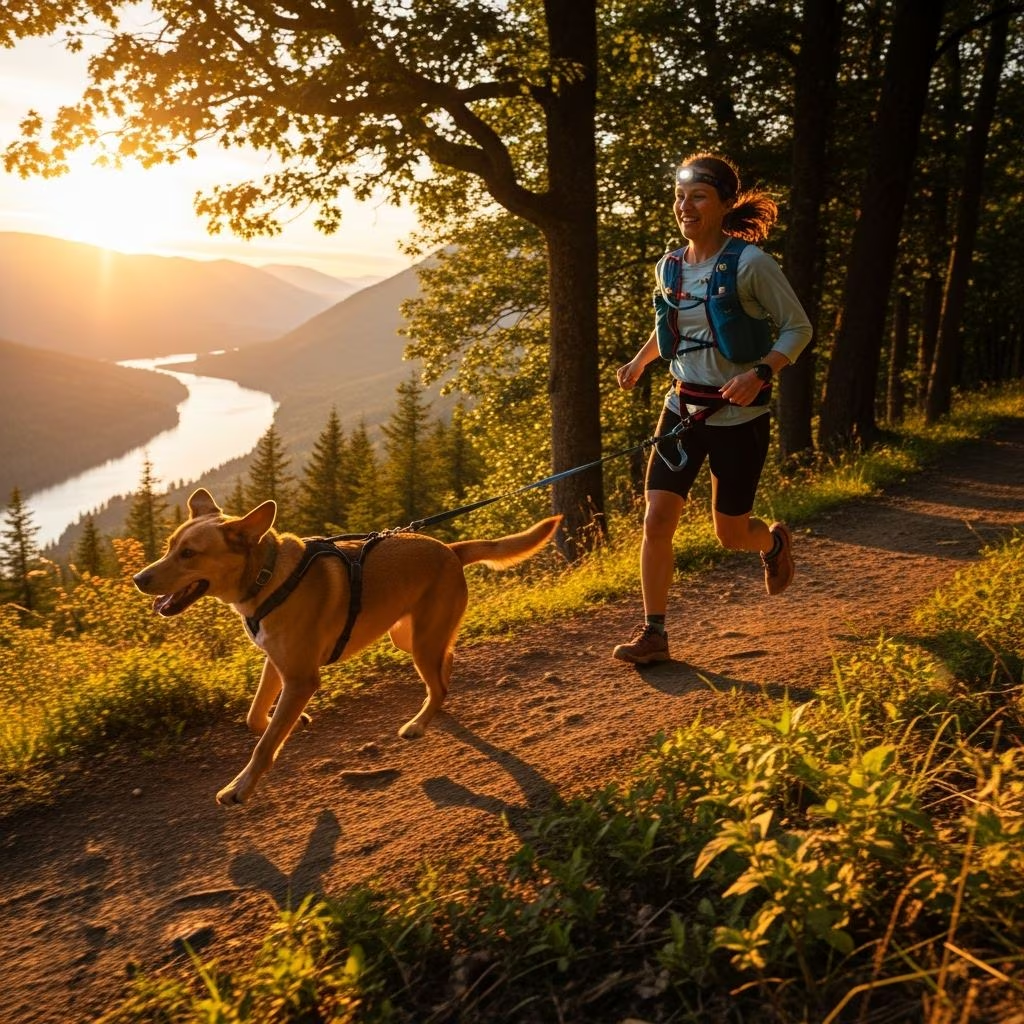
Engaging in physical activities like running alongside your canine companion offers mutual health benefits, strengthens your relationship, and provides stimulating outdoor time. However, to avoid injuries or exhaustion, owners must prioritize preparation, suitable equipment, and vigilance during sessions. This comprehensive guide draws on veterinary recommendations and expert training advice to help you and your dog enjoy safe runs.
Evaluating Your Dog’s Readiness for Running
Before lacing up your sneakers and heading out, confirm your dog is physically capable of handling the demands of running. Breeds with high energy levels, such as Labrador Retrievers or Border Collies, often excel, but individual health matters most.
- Consult a veterinarian to rule out underlying conditions like joint issues or heart problems, especially for overweight or senior dogs.
- Observe baseline fitness: Active dogs accustomed to daily walks adapt faster than sedentary ones.
- Consider age: Puppies under 18 months and older dogs may need modified programs to protect developing or aging joints.
Overweight dogs should begin with weight management through diet and walking before progressing to jogging, as sudden intense exercise risks strain.
Building Endurance Through Structured Training
A gradual progression prevents overexertion. Start with familiar walks to build stamina over weeks.
| Week | Activity | Frequency | Duration |
|---|---|---|---|
| 1-2 | Brisk walks with short jog intervals | 2-3 times/week | 15-20 minutes |
| 3-4 | Balanced walk-jog sessions | 3-4 times/week | 20-30 minutes |
| 5-6 | Continuous runs with walk breaks as needed | 4 times/week | 30+ minutes |
Monitor cues like relaxed posture and steady breathing to gauge comfort. Reward calm behavior with treats placed at your side to reinforce position.
Train consistency by selecting one side (left or right) for your dog to run on, avoiding weaving that could cause trips. Practice in low-distraction areas first, using positive reinforcement for maintaining pace.
Essential Gear for Secure and Comfortable Runs
Proper equipment distributes pressure evenly and minimizes risks.
- Harness over collar: Harnesses prevent neck strain during pulls or sudden stops, ideal for active sessions.
- Leash choice: Opt for a 4-6 foot non-retractable leash forming a loose ‘J’ shape, ensuring control without restriction.
- Canicross setup: For advanced runners, use a waist belt, bungee leash, and harness to absorb shocks and improve balance.
Avoid retractable leashes, which tangle easily and compromise stability.
Choosing Ideal Routes and Surfaces
Surface selection impacts paw health and joint stress. Natural terrains offer cushioning superior to urban pavement.
- Prefer dirt trails, grass, or soft forest paths for shock absorption.
- Test pavement heat: If too hot for your hand after 5 seconds, skip it to prevent burns.
- Steer clear of gravel, concrete, ice, or salted roads that irritate pads.
Schedule runs for cooler times—early morning or evening—and shaded areas to regulate temperature.
Pre-Run Warm-Up and Post-Run Cool-Down Routines
These phases prepare muscles and aid recovery, reducing injury odds.
Warm-Up (5-10 minutes):
- Brisk walk allowing sniffing for mental engagement.
- Fetch or light play to elevate heart rate.
- Practice commands to focus attention.
Cool-Down (5-10 minutes): Transition to walking with water breaks, preventing blood pooling in limbs.
Recognizing and Preventing Overheating
Dogs dissipate heat primarily through panting, making them prone to overheating.
- Carry portable water and bowls for frequent hydration breaks.
- Watch for excessive panting, drooling, lagging, or glazed eyes—stop immediately.
- Avoid midday sun; short-nosed breeds like Bulldogs overheat faster.
Run only in mild weather, pausing if temperatures exceed comfortable levels.
Protecting Paws from Environmental Hazards
Paw pads endure friction and temperature extremes.
- Apply balm pre-run for moisture.
- Use booties for rough, icy, or hot surfaces.
- Post-run inspection: Check for cracks, swelling, cuts, or debris.
Signs of distress include limping, paw licking, or avoidance of hard ground—rest and treat accordingly.
Handling Encounters with Off-Leash Dogs
Unexpected meetings require calm responses to de-escalate.
- Slow to a walk or stop, avoiding eye contact or running, which triggers chase.
- Use firm voice commands like ‘No’ or ‘Go Home’.
- Carry deterrents: Air horns or pet convincers for distraction.
- Maintain distance from leashed dogs to prevent reactions.
Practice projecting steady energy during routine runs.
Seasonal Adjustments for Year-Round Running
Summer Precautions
Heat exacerbates paw burns and exhaustion—opt for dawn/dusk slots and water-rich routes.
Winter Strategies
Shorten sessions in sub-freezing temps; booties guard against ice melt salts and hypothermia. Daylight runs enhance visibility on slick paths. Cold-tolerant breeds like Huskies fare better, but monitor shivering.
Frequently Asked Questions (FAQs)
Which breeds are best for running?
High-endurance types like Vizslas, Australian Shepherds, or Weimaraners thrive, but any healthy dog can train with patience.
How often should we run?
3-5 times weekly, 20-45 minutes, adjusted for fitness—rest days prevent burnout.
Can puppies run?
Wait until growth plates close (around 12-18 months); stick to walks before then.
What if my dog pulls?
Use harness training and consistent side-position rewards to correct.
Is off-leash running safe?
Only in legal, distraction-free areas with proven recall.
Benefits of Shared Running Sessions
Beyond fitness, joint runs reduce behavioral issues through mental stimulation and bonding. Dogs gain cardiovascular health, while owners motivate consistency.
References
- Best Friends: 5 Ways to Safely Run with Your Dog! — The San Francisco Marathon. 2025-04-04. https://www.thesfmarathon.com/blog/2025/04/04/best-friends-5-ways-to-safely-run-with-your-dog/
- Running Safety: Off-Leash Dogs — Women’s Running. N/A. https://www.womensrunning.com/training/running-safety-off-leash-dogs/
- Running With Your Dog: A Complete Guide to Canicross and Safety — RunLovers. 2025. https://runlovers.it/en/2025/running-dog-guide-safety-canicross/
- Run, Spot, Run! — American Veterinary Medical Association (AVMA). N/A. https://www.avma.org/resources/pet-owners/petcare/run-spot-run
- How to Safely Go Running With Your Dog — PetMD. N/A. https://www.petmd.com/dog/general-health/how-to-safely-go-running-with-your-dog
- Safety Tips for Running with Your Dog — Preventive Vet. N/A. https://www.preventivevet.com/dogs/safety-tips-for-running-with-your-dog
- How to Train Your Dog to Run With You: Tips and Tricks — American Kennel Club (AKC). N/A. https://www.akc.org/expert-advice/health/train-dog-to-run-with-you/



