
Running with Dogs: A Complete Safety Guide
Master the essentials of exercising safely with your canine companion
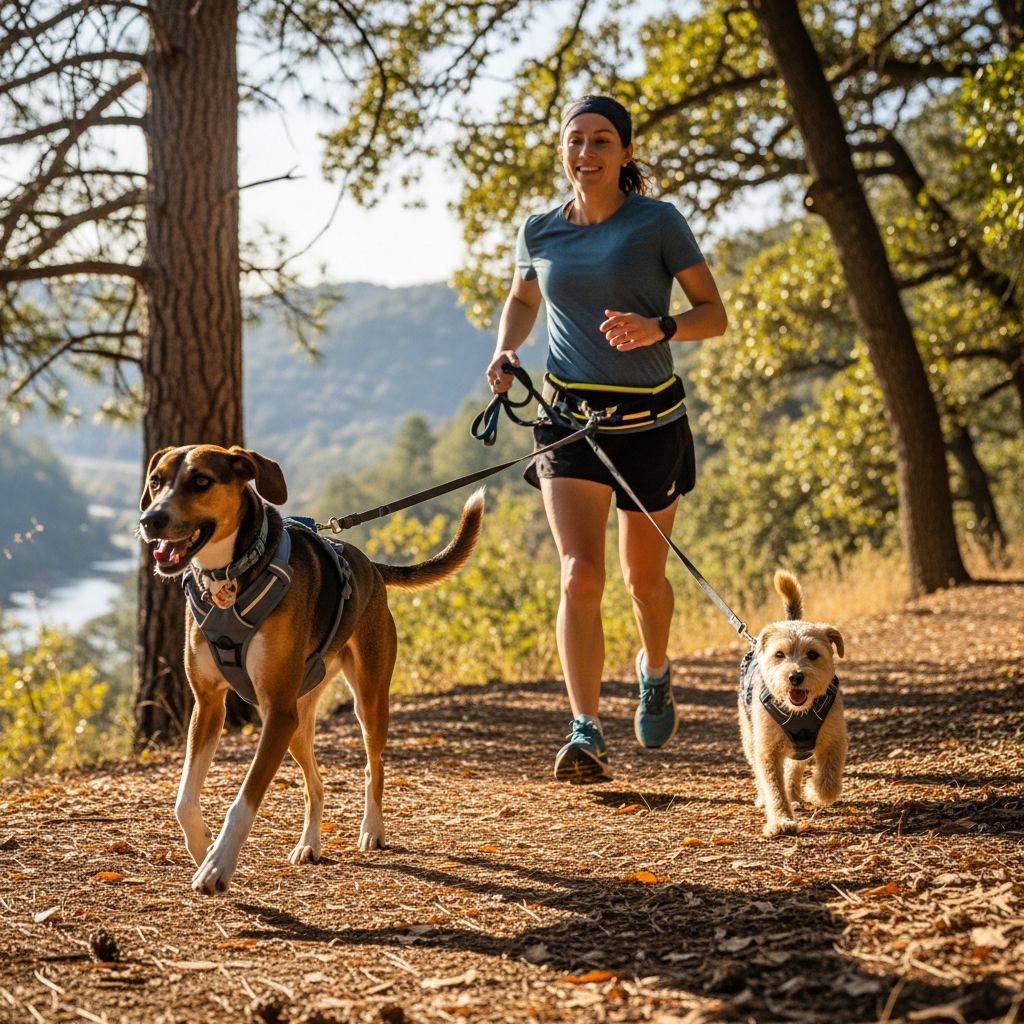
Running alongside your dog offers tremendous benefits for both your physical health and your relationship with your pet. However, taking your canine companion on running adventures requires careful planning, proper preparation, and ongoing attention to their wellbeing. This comprehensive guide covers everything you need to know to make running with your dog a safe, enjoyable experience for both of you.
Understanding Your Dog’s Physical Capabilities
Not all dogs are created equal when it comes to running ability. Breed characteristics play a significant role in determining whether your dog is suited for regular running activities. Understanding your individual dog’s physical capabilities is the critical first step before implementing any running program.
Long-nosed breeds such as Retrievers, Huskies, and Pointers possess exceptional breathing capacity and natural running instincts developed through their breeding history. These breeds typically excel at running and can handle longer distances with proper training.
Short-nosed breeds including Pugs, Bulldogs, and Boxers face significant challenges during running due to their anatomical structure. These brachycephalic breeds often suffer from respiratory complications that make running potentially dangerous. Their compromised airway passages restrict airflow, leading to rapid overheating and breathing difficulties even during moderate exercise.
Beyond breed considerations, evaluate your dog’s current health status. Dogs recovering from recent surgeries, injuries, or medical procedures should not engage in running until they receive veterinary clearance. Additionally, puppies require special consideration—their growth plates haven’t fully developed, making them vulnerable to joint damage from high-impact activities.
Conducting a Pre-Running Health Assessment
Before initiating a running routine, observe your dog during light exercise to identify potential issues. Watch for specific warning signs that indicate your dog may not be ready for running activities:
- Difficulty breathing or excessive panting during light activity
- Limping or favoring one or more legs
- Excessive fatigue after short periods of activity
- Reluctance to engage in play or exercise
- Signs of joint pain or stiffness
Consult with your veterinarian before starting a running program, especially if your dog has any pre-existing health conditions, joint problems, or is overweight. Your vet can assess your dog’s overall fitness level and provide personalized recommendations based on age, breed, weight, and medical history.
Gradual Training and Progressive Conditioning
Starting too fast is one of the most common mistakes new running partners make. A gradual approach reduces injury risk and helps your dog develop the physical conditioning necessary for running.
Begin by incorporating long walks into your routine, gradually increasing your pace over several weeks. Once your dog demonstrates comfort with brisk walking, introduce short running intervals alternating with walking periods. Progress slowly through these phases:
- Phase One: Extended walks at a comfortable pace for 2-3 weeks
- Phase Two: Brisk walking with 30-second running intervals, repeated 4-5 times per outing
- Phase Three: Running intervals extended to 1-2 minutes with walking recovery periods
- Phase Four: Continuous running sessions, gradually increasing duration
Monitor your dog’s enthusiasm throughout training. Stop running sessions while your dog still exhibits excitement and energy—this prevents overexertion and maintains positive associations with the activity. Building conditioning takes time, and rushing the process increases injury risk significantly.
Essential Leash and Harness Selection
Proper equipment is fundamental to safe running with your dog. A 4-6 foot non-retractable leash provides the optimal balance between control and freedom. This length allows your dog natural movement while keeping them safely under your authority.
Never run with the leash clipped to your dog’s collar. The repetitive pulling and strain from a collar attachment can cause neck injuries, tracheal damage, and breathing problems. Instead, invest in a properly-fitted running harness that distributes pressure across your dog’s chest and shoulders.
Train your dog to run on one specific side—preferably your left—maintaining a loose “J” shape in the leash. This positioning prevents crossing paths, reduces tangling, and keeps both runners in synchronized motion. Consistent side positioning also makes your dog more predictable to other path users.
Avoid retractable leashes entirely during running sessions. These leashes offer poor control, increase tangling risk, and don’t provide adequate safety management in emergency situations.
Preparing for Your Running Session: Warm-Up Protocols
Many runners skip warm-up routines, but doing so with your dog is a significant mistake. Proper warm-ups prepare your dog’s muscles, joints, and cardiovascular system for increased exertion while mentally preparing them for the activity ahead.
Dedicate 5-10 minutes to a thorough warm-up routine before transitioning to running:
- Allow your dog to sniff and explore their surroundings naturally
- Play a brief game of fetch or tug to activate their muscles
- Walk at a brisk pace for several minutes
- Practice basic obedience commands while walking to engage their mind and body
This gradual transition allows your dog’s body to adjust to increased activity levels and sets a positive tone for the running session. A dog that’s mentally prepared transitions more smoothly into running and maintains better focus throughout the exercise.
Selecting Appropriate Running Surfaces and Terrain
The surface where you run significantly impacts your dog’s joint health, paw comfort, and overall running experience. Natural surfaces provide superior cushioning and reduce impact stress compared to hard pavement.
| Surface Type | Suitability | Considerations |
|---|---|---|
| Dirt Trails | Excellent | Excellent cushioning and natural traction |
| Grass Paths | Excellent | Reduces joint strain; check for hidden obstacles |
| Forest Tracks | Good | Watch for branches and uneven terrain |
| Sand | Moderate | Use in moderation; can be tiring for dogs |
| Asphalt/Pavement | Poor | High risk of paw pad burns and joint damage |
| Concrete | Poor | Too hard on joints; unavoidable in urban areas |
| Gravel | Poor | May injure sensitive paws |
| Ice/Snow | Poor | Risk of frostbite and injuries |
Always avoid hot asphalt and concrete, as these surfaces can reach temperatures that burn your dog’s paw pads. Perform a simple temperature test: place your bare palm on the running surface for 5 seconds. If the surface is too hot for your hand, it’s too hot for your dog’s paws.
Begin with soft terrain while your dog builds conditioning, then gradually introduce harder surfaces as their fitness improves. This progressive approach allows their pads and joints to adapt gradually.
Monitoring Body Language and Fatigue Indicators
Your dog cannot tell you verbally when they’re tired or uncomfortable, so observing their body language is essential for safe running. A happy, healthy running dog displays specific physical characteristics:
- Relaxed ears and facial expression
- Regular, controlled breathing patterns
- Engaged attention and focus
- Bouncy, enthusiastic movement
- Tail up and wagging
Signs that your dog needs to slow down or stop include excessive panting, difficulty breathing, stumbling, lagging behind, or loss of enthusiasm. Some dogs are naturally stubborn and will push themselves beyond safe limits—your responsibility as their running partner is to enforce appropriate boundaries even when they want to continue.
Heat Stress and Overheating Prevention
Dogs regulate body temperature less efficiently than humans and cannot tell us when they’re overheating. Learn to recognize the warning signs of heat stress:
- Excessive drooling
- Bright red tongue or gums
- Heavy panting that doesn’t subside with rest
- Unsteady movement or disorientation
- Vomiting or diarrhea
Dogs sweat primarily through their paw pads, making them vulnerable to overheating during warm weather exercise. Avoid running during peak heat hours—opt for early morning or evening sessions instead. Run in shaded areas when possible, and avoid asphalt and sand during warm conditions, as these surfaces absorb and radiate heat intensely.
If you notice overheating signs during a run, immediately stop, find shade, and offer small amounts of water. Apply cool (not cold) water to their belly and paw pads to facilitate cooling. Monitor your dog closely for several hours afterward, as heat stress can cause delayed complications.
Paw Protection and Post-Run Care
Your dog’s paws bear direct contact with all running surfaces and require special attention. Maintain short, well-trimmed nails before beginning a running program, as overgrown nails can affect gait and cause joint issues.
Implement a comprehensive paw care protocol:
- Apply dog-specific paw balm before runs to create protective barriers
- Consider protective booties for extreme temperatures or challenging terrain
- Inspect paws immediately after each run for cuts, burns, or foreign objects
- Wash paws to remove salt, chemicals, or debris
- Check between toe pads for stuck material
- Avoid salt-treated surfaces during winter months
After your run, dedicate time to proper cool-down procedures. Gradually reduce your pace to a gentle walk for the final 5-10 minutes of your session. This cool-down period allows your dog’s heart rate to decrease gradually and prevents dizziness or muscle stiffness.
At home, offer small sips of water and examine your dog’s paws for wear or damage. Monitor your dog for the next few hours to ensure they’re recovering well without limping or showing signs of discomfort.
Advanced Training Behaviors for Successful Running
Teaching specific commands before running sessions significantly improves safety and control. Essential commands include:
- “Heel”: Keeps your dog close to your side, useful for crowded areas or when passing other runners
- “Stop” or “Wait”: Essential for halting during runs to cross streets or avoid hazards safely
- “Leave It”: Prevents your dog from investigating distractions or potentially dangerous items
- “Focus” or “Watch Me”: Redirects your dog’s attention from distractions back to you
Practice these commands during regular walks before incorporating them into running sessions. Consistency in command training ensures your dog responds reliably during the heightened stimulation of running.
Adapting to Different Environmental Conditions
Weather and season significantly impact running safety. During hot months, reduce running frequency or consider eliminating running during summer, allowing your dog to rest during the most challenging season.
In cooler months, watch for ice, snow, and salt on running surfaces. Salt treatments can irritate paw pads and become toxic if ingested during grooming. Consider protective booties or paw balm with protective properties if running on treated surfaces is unavoidable.
Humid conditions compound heat stress dangers. Even moderate temperatures combined with high humidity create challenging running conditions for dogs. Exercise caution or modify your running schedule during humid periods.
Building Distance and Duration Gradually
Your dog’s fitness improves gradually over weeks and months, not days. Many new running partners make the mistake of increasing distance too quickly, leading to injury or burnout.
Your dog demonstrates readiness for increased distance when they maintain steady energy throughout beginner sessions without showing fatigue signs. Some dogs may need extended warm-up or cool-down periods depending on age, current fitness level, and daily weather conditions.
Increase distance incrementally—add no more than 10% additional distance or duration per week. This conservative approach allows your dog’s body to adapt safely to increased demands.
Encountering Off-Leash Dogs While Running
Encountering dogs without owner control during your runs presents real safety risks. When approaching off-leash dogs, keep your distance and remain alert. Slow down, walk if necessary, and project calm energy. Do not attempt to make friends with unfamiliar dogs during active running sessions.
If a dog behaves aggressively, speak firmly and loudly, shouting “NO!” or “Go Home!”. A loud voice sometimes breaks an aggressive dog’s focus. Consider carrying a noise maker such as a personal alarm or air horn to distract threatening dogs.
Frequently Asked Questions
At what age can I start running with my dog?
Most dogs shouldn’t begin structured running programs until their growth plates fully close, typically between 12-18 months depending on breed. Large and giant breeds mature later than small breeds. Consult your veterinarian for breed-specific guidance.
How far should my dog run initially?
Start with very short distances—perhaps a quarter mile with walking intervals. Build gradually over weeks and months based on your dog’s conditioning and enthusiasm.
Can all dogs run long distances?
No. Brachycephalic breeds, senior dogs, and dogs with pre-existing health conditions may not be suitable for running. Individual variation within breeds also matters significantly.
What’s the best time to run with my dog?
Early morning or evening sessions are ideal to avoid peak heat. Run during cooler months when possible, and avoid midday running during warm weather.
Do I need special equipment besides a leash?
A running harness is essential rather than optional. Consider paw protection products, collapsible water bowls, and identification tags for safety.
The Lasting Benefits of Running with Your Dog
Running with your dog strengthens your bond while providing excellent health benefits for both of you. Beyond physical fitness, regular running builds trust and communication between you and your canine companion. These shared experiences create lasting memories and deepen your relationship.
The key to successful running with your dog is patience, proper preparation, and consistent attention to their individual needs. By following these guidelines and prioritizing safety, you’ll establish a healthy running routine that benefits both of you for years to come.
References
- Best Friends: 5 Ways to Safely Run with Your Dog! — The SF Marathon. 2025. https://www.thesfmarathon.com/blog/2025/04/04/best-friends-5-ways-to-safely-run-with-your-dog/
- 10 Safety Tips For Running With Your Dog — Pets Plus Us. https://www.petsplusus.com/pet-information/lifestyle/10-safety-tips-running-your-dog
- Running With Dogs: 9 Essential Tips, Gear & Benefits — Pupford. https://pupford.com/blogs/all/running-with-dog
- Safety and gear: Tips for running with your dog — Juniper Pet. https://www.juniperpet.co/posts/safety-and-fun-tips-for-running-with-your-dog
- Guide: How to Run With Your Dog — Ruffwear. https://ruffwear.com/blogs/explored/how-to-run-with-your-dog
- Running Safety: Off-Leash Dogs — Women’s Running Magazine. https://www.womensrunning.com/training/running-safety-off-leash-dogs/
- Safety Tips for Running with Your Dog — Preventive Vet. https://www.preventivevet.com/dogs/safety-tips-for-running-with-your-dog
Similar Articles








Read full bio of Sneha Tete




