
Running with Dogs: Safety Guide
Discover essential tips for safe running with your dog, boosting health for both while avoiding common injuries and risks.
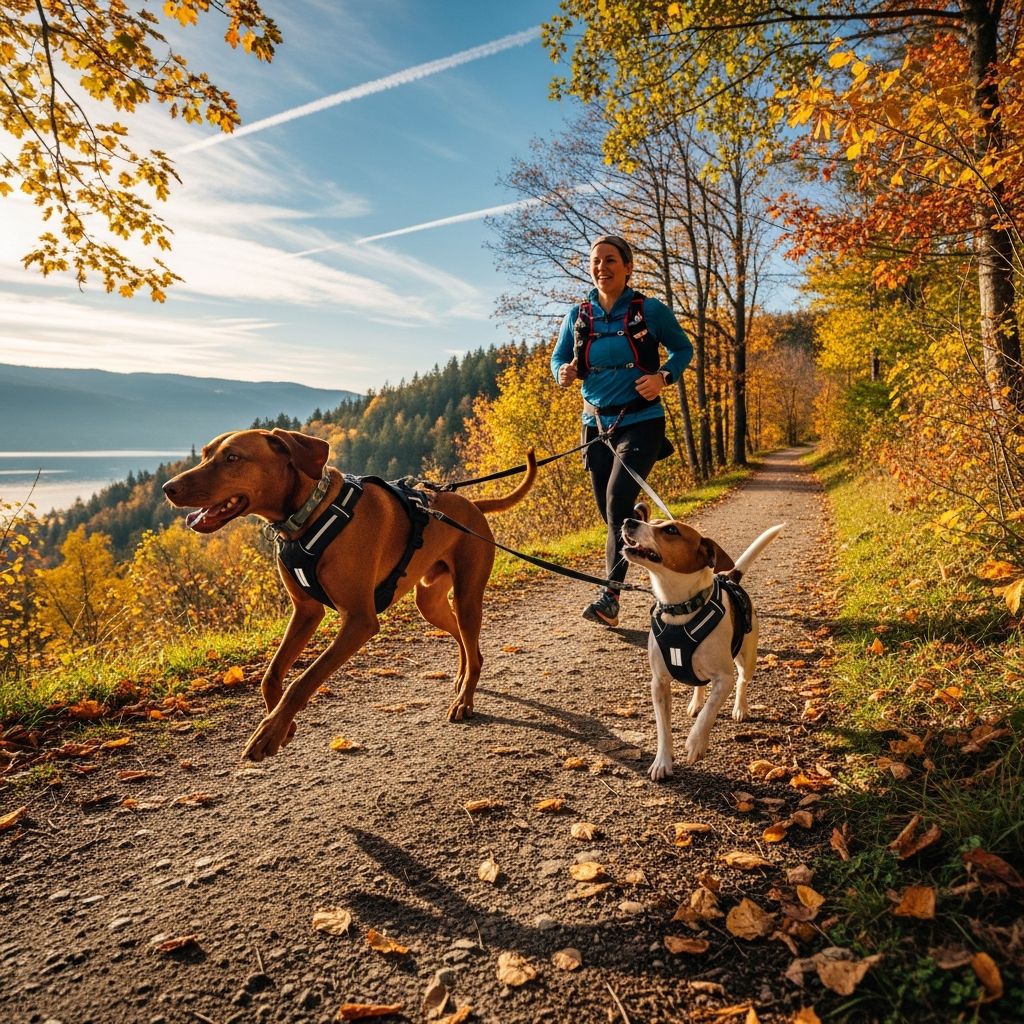
Running alongside your dog offers a fantastic opportunity to enhance physical fitness, strengthen your bond, and provide essential exercise for your pet. However, ensuring safety is paramount to prevent injuries and maximize health benefits for both of you.
Health Benefits of Joint Runs
Engaging in runs with your canine companion delivers mutual advantages. For humans, it promotes cardiovascular health by lowering heart rates and blood pressure, while also reducing stress and anxiety levels. Dogs experience similar gains, including improved joint health, better respiratory function, and stronger immunity. This shared activity fosters emotional connection, as dogs attuned to their owners’ cues benefit from your calm demeanor, further alleviating their own stress.
Regular running helps maintain healthy weights, crucial since obesity affects many pets. It builds endurance and muscle tone without overtaxing the body when done progressively.
Is Your Dog Ready for Running?
Not every dog suits distance running. Evaluate physical traits like leg length for pace-keeping ability—longer legs on breeds like Golden Retrievers aid matching human strides, unlike short-legged Dachshunds. Brachycephalic (short-nosed) breeds such as Pugs face breathing challenges during exertion, making them poor candidates.
- Breed suitability: Athletic breeds like Labrador Retrievers or Vizslas excel; others may prefer walking.
- Fitness level: Only fit dogs without underlying conditions should join.
- Temperament: Avoid anxious or distraction-prone dogs initially.
Consult a veterinarian first to rule out heart issues, joint problems, or other conditions.
Age Guidelines for Safe Running
Puppies under 18-24 months, especially large breeds, risk growth plate damage from high-impact activities on hard surfaces. Wait until bones fully mature, typically 1-2 years, per vet recommendation.
Senior dogs over 7 years often develop osteoarthritis, particularly large breeds. Moderate exercise aids joints, but excessive running strains hearts and exacerbates arthritis. Transition seniors to gentler walks.
| Age Group | Running Recommendation | Reasons |
|---|---|---|
| Puppies (<18-24 months) | Avoid | Open growth plates vulnerable to impact |
| Adults (1-7 years) | Yes, if fit | Peak physical condition |
| Seniors (>7 years) | Limit or avoid | Arthritis, heart strain |
Preventing Paw and Joint Injuries
Dogs run barefoot, unlike humans in cushioned shoes, making hard surfaces like concrete or asphalt stressful on paws and joints. Pad tears, blisters, or stress fractures can occur without conditioning. Gradually toughen paws on varied terrain starting with grass.
- Alternate surfaces: Mix soft trails with minimal pavement.
- Monitor for limping or hot paws post-run.
- Use paw balms or booties for protection on rough ground.
Overuse leads to strains; build distance slowly to avoid shin splints or elbow injuries.
Gearing Up for Success
Proper equipment enhances safety. Standard collars risk tracheal damage; opt for harnesses distributing pressure evenly. Short, non-tangling leashes (4-6 feet) maintain control without tension.
Water bottles with dog-compatible spouts prevent dehydration. GPS trackers monitor location on trails.
Essential Gear Checklist
- Adjustable harness
- Short leash
- Portable water bowl and bottle
- Paw booties (for hot/rough terrain)
- ID tags and microchip verification
- Poop bags
Weather and Environmental Precautions
Hot weather poses heatstroke risks; avoid runs above 75°F (24°C), especially for thick-coated breeds. Early mornings or evenings are ideal. Cold snaps demand booties and coats for paw and body protection.
Skip crowded urban areas with traffic noise causing anxiety or accidents. Choose quiet trails minimizing car risks and distractions. Stop immediately if your dog eliminates—clean up and resume.
Training Your Dog for Runs
Start slow: Alternate walking and jogging short distances (1-2 miles), increasing gradually over weeks. Use positive reinforcement for heeling without pulling.
- Practice loose-leash walking at home.
- Introduce jog intervals on soft surfaces.
- Build to steady paces matching your speed.
- Incorporate commands like “slow” or “stop.”
Watch for cues: Panting excessively, lagging, or refusal signals fatigue—rest immediately. Some dogs dislike steady running; respect preferences to avoid stress.
Nutrition and Recovery Essentials
Fuel runs with balanced diets supporting energy and joint health. Hydrate frequently; offer water every 15-20 minutes. Post-run, provide cooling massages and check paws.
Rest days (at least 1-2 per week) allow recovery, preventing overexertion. Monitor weight and adjust food intake for active lifestyles.
Frequently Asked Questions (FAQs)
How far can I run with my dog?
Depends on breed, age, and fitness—start with 1-2 miles, cap at 5-10 for most adults. Gauge by their enthusiasm and recovery.
Can overweight dogs run?
Begin with walks to shed pounds safely; consult vet before running to avoid joint overload.
What if my dog pulls on the leash?
Train with harnesses and stops; never run through pulling to prevent injury.
Is trail running better than roads?
Yes, softer surfaces reduce paw stress.
How do I know if my dog is overheated?
Signs: Excessive panting, drooling, weakness. Stop, cool with water, seek vet if persistent.
Common Mistakes to Avoid
Many overlook gradual buildup, leading to injuries. Ignoring breed limits or weather extremes compounds risks. Always prioritize your dog’s comfort over distance goals.
References
- Run, Spot, Run! — American Veterinary Medical Association. Accessed 2026. https://www.avma.org/resources/pet-owners/petcare/run-spot-run
- Running with Your Dog Is Good for Your Health, According to Science — Outside Online. Accessed 2026. https://run.outsideonline.com/running/benefits-of-running-with-your-dog/
- Should You Run With Your Dog? — The Good Pet Parent Blog. 2016-03-12. https://www.goodpetparent.com/2016/03/12/running-your-dog/
- Running with Dogs: Good or Bad for Your Dog? — Blue Buffalo. Accessed 2026. https://www.bluebuffalo.com/articles/dog/running-with-dogs/
- Running With Your Dogs: Dos and Don’ts — Good Dog People. Accessed 2026. https://gooddogpeople.com/blogs/dog-talk/running-with-your-dogs-dos-and-don-ts
- Running with Your Dog — Veterinary Wellness Partners. Accessed 2026. https://www.vwpohio.com/blog/running-your-dog
- Running with Your Dog — VCA Animal Hospitals. Accessed 2026. https://vcahospitals.com/know-your-pet/running-with-your-dog
Similar Articles








Read full bio of medha deb




