
Run with Your Dog: Training Guide
Master the essentials of preparing your canine companion for safe, enjoyable runs together with proven step-by-step techniques.
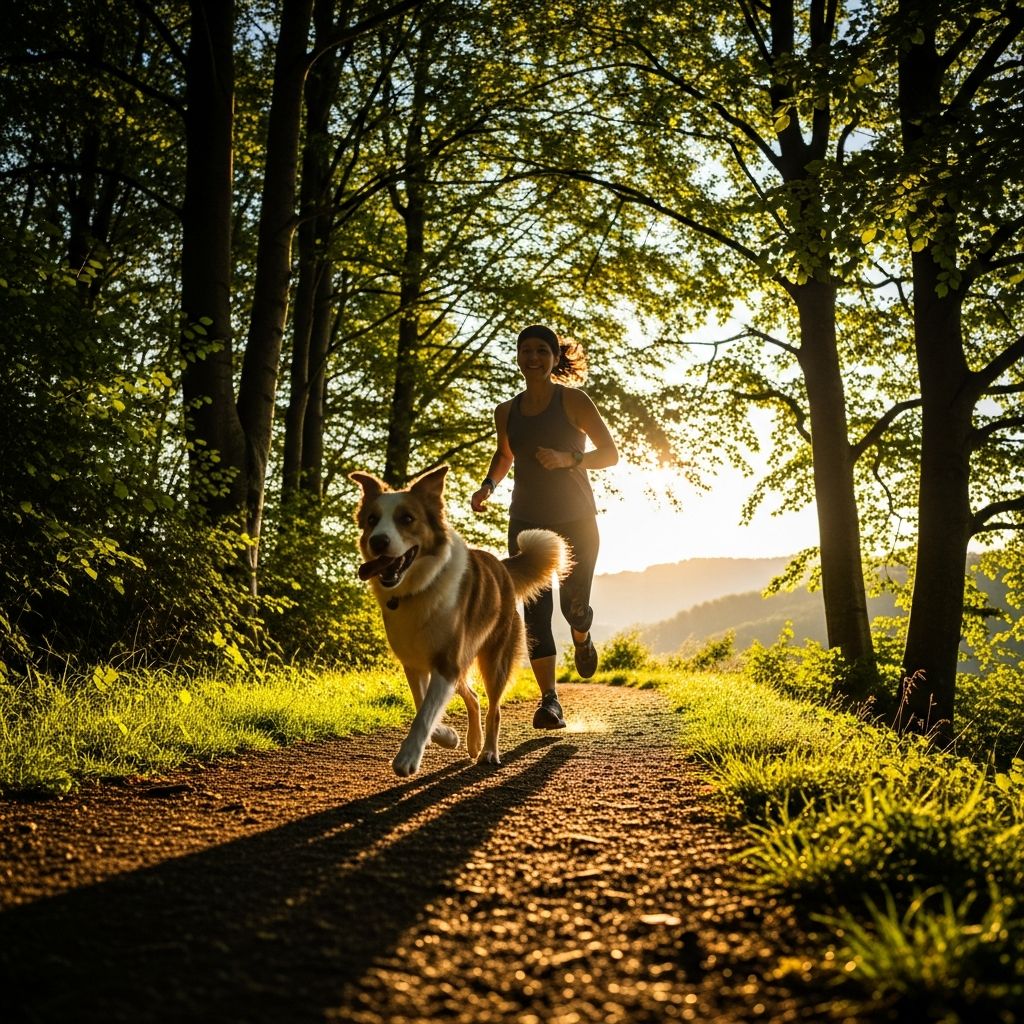
Running with your dog strengthens your bond while boosting fitness for both. Proper preparation prevents injuries and ensures enjoyable outings.
Assess Your Dog’s Suitability for Running
Not all dogs thrive as running partners. Evaluate breed traits, age, and health before starting. High-energy breeds like Labrador Retrievers or Vizslas often excel, while short-nosed breeds like Bulldogs face breathing challenges.
- Age considerations: Puppies under 18 months need bone development time; avoid high-impact runs. Seniors may require vet clearance for joint health.
- Breed energy levels: Herding and sporting breeds suit longer distances; companion breeds prefer shorter jogs.
- Health screening: Annual vet exams check for hip dysplasia or heart issues common in active dogs.
Consult a veterinarian to confirm your dog’s fitness. Bloodwork and physicals reveal hidden conditions.
Essential Gear for Safe Runs
Quality equipment enhances control and comfort. Skip collars; opt for harnesses distributing pressure evenly.
| Gear Type | Recommendation | Benefits |
|---|---|---|
| Harness | Back-clip for heel position; front-clip to discourage pulling | Reduces neck strain, improves handling |
| Leash | Hands-free waist belt with bungee; 4-6 ft length | Allows natural movement, prevents tangles |
| Collar/ID | Lightweight with tags and microchip | Ensures identification if separated |
| Extras | Water bottle, portable bowls, booties for hot pavement | Supports hydration, paw protection |
Test gear on walks first. Adjust fit to allow two fingers under straps without chafing.
Build a Strong Foundation with Leash Skills
Master loose-leash walking before running. A pulling dog risks trips or joint damage at speed.
Practice in low-distraction areas. Reward slack leash with treats at your side, forming a J-shape.
- Hold treats near your leg to position dog correctly.
- Use high-value rewards like chicken for focus amid distractions.
- Stop if pulling occurs; resume when slack.
Transition sides with cues like “heel left” or “heel right.” Hands-free leashes aid rhythm once proficient.
Introduce Speed Changes and Commands
Teach cues for pace adjustments. Clear signals prevent confusion during varied terrain.
- Accelerate: “Let’s go!” before jogging; reward catching up.
- Decelerate: “Easy” or foot scuff; gently guide back if needed.
- Directions: “Left,” “Right” for turns; practice at slow speeds.
- Stop: “Whoa” or “Wait” for hazards; reinforce with praise.
Intersperse bursts: walk 2 minutes, jog 30 seconds, repeat. Gradually extend jog intervals.
Develop Endurance Gradually
Rapid increases cause overuse injuries. Follow the 10% rule: add no more than 10% distance weekly.
Sample 4-week plan:
| Week | Frequency | Session Structure |
|---|---|---|
| 1 | 3-4 days | Walk 20 min + 1-2 min jog bursts |
| 2 | 3-4 days | Walk 25 min + 3-5 min jog |
| 3 | 4 days | 10-15 min continuous trot |
| 4 | 4-5 days | 20-30 min run with intervals |
Monitor for fatigue: lagging, heavy panting, or limping signals rest.
Route Planning and Environmental Safety
Select paths minimizing risks. Early mornings or evenings avoid peak heat.
- Shaded trails over asphalt; check pavement temperature (test with hand for 5 seconds).
- Water access every 10-15 minutes; cool vests for hot days.
- Traffic-free zones; practice “on by” for passing distractions.
Scout routes: note dog-friendly areas, waste stations, and obstacles.
Health Monitoring and Recovery
Post-run checks prevent issues. Inspect paws, hydrate immediately.
Signs to watch:
- Overheating: Excessive drooling, collapse—cool with water, seek vet.
Paw injuries: Bleeding, swelling—clean, bandage if deep.
- Behavioral: Reluctance to run indicates pain.
Rest days allow recovery. Incorporate cross-training like swimming.
Advanced Techniques for Trail and Off-Leash
Once on-leash reliable, trial off-leash in safe areas. Use long lines first.
For trails: Teach “line out” for canicross-style pulling if breed-suited.
Group runs: Practice ignoring other dogs with distance and rewards.
Nutrition and Timing for Peak Performance
Feed 2-3 hours pre-run to avoid cramps. High-protein meals support muscle repair.
Hydrate proactively; electrolyte supplements for long runs per vet advice.
Common Mistakes to Avoid
Beginners often rush progression or ignore weather. Key pitfalls:
- Ignoring warm-ups: 5-10 min walks prevent strains.
- Overlooking breed limits: brachycephalics tire quickly.
- Poor timing: Hot hours risk heatstroke.
FAQs
Can any dog learn to run with me?
Most healthy adults can with training, but match intensity to fitness.
How often should we run?
3-5 days weekly, with rest; build slowly.
What if my dog pulls?
Revert to walk training; use front-clip harness.
Is running good for overweight dogs?
Start with walks; vet-guided weight loss first.
When to stop a run?
At signs of distress: limping, refusal, or overheating.
References
- How to Train Your Dog to Run With You — American Kennel Club. 2023-05-15. https://www.akc.org/expert-advice/health/train-dog-to-run-with-you/
- How to teach your dog to run with you – on and off the lead — YouTube (Training Video). 2022-08-10. https://www.youtube.com/watch?v=xcl6vQiiL1o
- Running With Your Dog For Beginners — Gunner Kennels. 2024-01-22. https://gunner.com/blogs/pack/running-with-your-dog-for-beginners
- A Complete Guide to Running with Your Dog — Treeline Review. 2023-11-08. https://www.treelinereview.com/learn-skills/running-with-your-dog
- How to Start Trail Running With Your Dog — Trail Runner Magazine. 2023-06-19. https://www.trailrunnermag.com/training/trail-tips-training/runners-best-friend/
- Guide: How to Run With Your Dog — Ruffwear. 2024-03-12. https://ruffwear.com/blogs/explored/how-to-run-with-your-dog
Similar Articles








Read full bio of medha deb




