

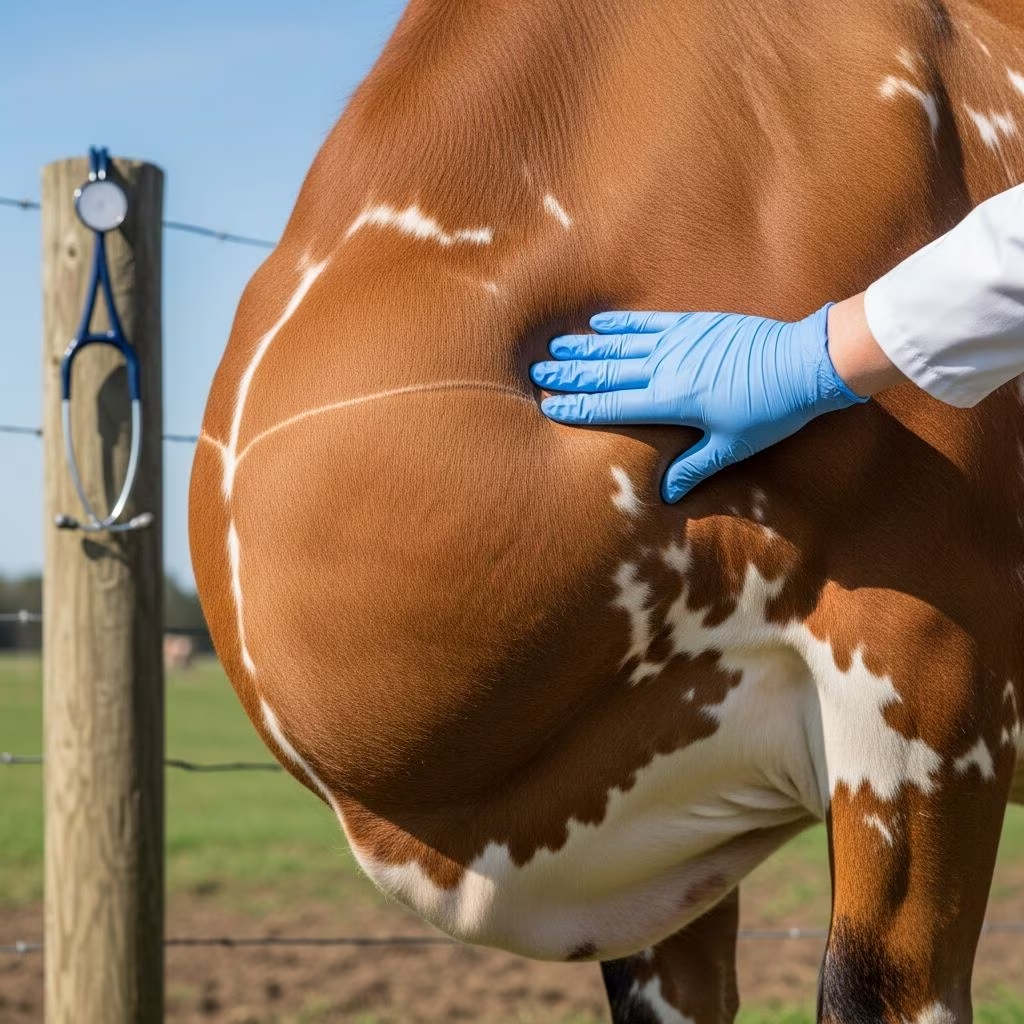
Understanding Ruminal Tympany in Livestock
Bloat in ruminants, clinically termed ruminal tympany, represents a life-threatening condition characterized by abnormal overdistention of the rumenoreticulum caused by excessive accumulation of fermentation gases. This digestive emergency occurs when the animal’s natural mechanism for releasing gas through eructation (belching) becomes compromised or ineffective. The condition demands immediate veterinary attention, as severe cases can progress rapidly to respiratory compromise, organ displacement, and potential death by asphyxiation.
The rumen is a specialized compartment where microbial fermentation of ingested plant material produces various gases including carbon dioxide, methane, and hydrogen. Under normal circumstances, these gases escape continuously through the eructation reflex, a coordinated neuromuscular process that prevents excessive pressure buildup. When this natural ventilation mechanism fails, gases accumulate progressively, creating dangerous intraruminal pressure that compromises both respiratory function and circulatory efficiency.
Classification and Underlying Mechanisms
Veterinary clinicians recognize two distinct categories of bloat based on the physical form in which gases accumulate within the rumen. Understanding this distinction is critical because the underlying pathophysiology differs significantly, leading to different diagnostic approaches and treatment protocols.
Frothy Bloat and Foam Formation
Primary ruminal tympany, more commonly known as frothy bloat, represents the predominant form encountered in clinical practice. This condition develops when normal fermentation gases become trapped within a persistent foam layer that forms on top of the ruminal liquid. The foam acts as a physical barrier, preventing gas bubbles from coalescing and subsequently escaping through eructation.
The stabilization of foam depends on multiple factors involving both the animal’s physiology and the composition of consumed feedstuffs. Plant-derived compounds, particularly saponins found in certain legumes, create surface-active properties that prevent small gas bubbles from merging. Additionally, the viscosity of ruminal contents, the rate of gas production during fermentation, and the animal’s inherent ability to form stable emulsions all contribute to foam development.
Frothy bloat is fundamentally diet-related. Consumption of lush pasture dominated by leguminous plants—particularly alfalfa, red clover, and white clover—substantially increases bloat risk. The high protein content and specific chemical composition of these rapidly growing plants create ideal conditions for foam stabilization. Similarly, diets containing finely ground grains can precipitate frothy bloat, though this typically occurs in managed feeding situations rather than pasture grazing.
Free-Gas Bloat and Obstructive Pathology
Secondary ruminal tympany, termed free-gas bloat, accounts for a minority of clinical cases but often requires more invasive intervention. In this form, accumulated gas exists as discrete bubbles rather than integrated within a foam matrix. The underlying cause involves some form of mechanical or functional obstruction that prevents normal eructation.
Potential obstructive causes include esophageal choking from feed impaction, strictures or inflammatory lesions affecting the esophageal groove, and space-occupying masses such as tumors, enlarged lymph nodes, or diaphragmatic hernias that physically impede the eructation reflex pathway. These anatomical problems interfere with either the sensory detection of ruminal distention or the coordinated muscular contractions necessary to expel gas.
Beyond mechanical obstruction, nerve pathway lesions can disrupt the eructation reflex arc itself. Damage to tension receptors or mechanoreceptors within the reticular wall—structures responsible for discriminating between accumulated gas, liquid, and foam—impairs the animal’s ability to generate appropriate belching responses.
Predisposing Factors and Clinical Circumstances
Several conditions increase susceptibility to bloat development independent of the primary classification. Acute ruminal atony, characterized by loss of normal muscular contractions, occurs following anaphylactic reactions and grain overload situations. This atony reduces the rumen’s ability to generate appropriate contractions for eructation while simultaneously lowering ruminal pH and potentially causing inflammatory changes (esophagitis and rumenitis) that further impair gas escape.
Metabolic disorders affect bloat risk substantially. Hypocalcemia (low blood calcium) precipitates ruminal atony and associated tympany through its effects on neuromuscular function. Chronic bloat appears with unusual frequency in young calves up to six months of age, often without identifiable etiology; fortunately, this juvenile form typically resolves spontaneously as the animal matures.
Vagal indigestion—a syndrome involving impaired function of the vagal nerve that controls rumen motility—produces chronic ruminal tympany through interference with both eructation mechanisms and overall rumen contractions. Tetanus, through its effects on neuromuscular control, similarly disrupts normal gas expulsion.
Clinical Recognition and Diagnostic Approach
Early recognition of bloat is paramount given the rapid progression toward life-threatening complications. Affected animals display characteristic external and behavioral signs that vary somewhat with bloat severity and type.
Observable Clinical Signs
The most prominent physical finding involves left-sided abdominal distention, corresponding to the location of the rumen. The left flank appears noticeably enlarged and tense to palpation. When the distended abdomen is percussed (tapped), it produces a characteristic high-pitched sound resembling a kettle drum due to the resonant properties of accumulated gas.
Animals experiencing bloat exhibit clear signs of respiratory compromise and discomfort. Breathing becomes visibly labored with increased respiratory rate. Affected individuals may stand in characteristic stances with extended neck, open-mouth breathing with protruding tongue, and occasionally grunting vocalizations. Behavioral changes include restlessness, frequent postural shifts, possible kicking or biting at the distended abdomen, and apparent abdominal pain. As the condition progresses, animals may become recumbent (unable to stand), signaling severe hemodynamic compromise.
Additional clinical manifestations may include decreased milk production in lactating animals, increased urination frequency, and generalized signs of acute distress. Animals present with obvious anxiety and vocalization in response to their physiologic compromise.
Differentiation Between Bloat Types
Clinical diagnosis relies partly on response to diagnostic interventions. Passage of an ororuminal tube (stomach tube inserted through the mouth) represents the initial diagnostic maneuver. If gas is immediately and easily expelled, with obvious relief of distention, free-gas bloat is confirmed. Conversely, if the tube fails to relieve bloat despite proper placement, and foam material is observed within the tube upon removal, primary frothy bloat is indicated.
Definitive confirmation of frothy bloat occurs when intraruminal administration of antifoaming agents results in rapid bloat resolution, typically within 30-60 minutes. The speed of response helps distinguish true frothy bloat from other causes of rumen distention.
Management and Treatment Protocols
Treatment strategies differ fundamentally between the two bloat categories, reflecting their distinct underlying mechanisms. Prompt intervention prevents progression to shock, respiratory failure, and death.
Antifoaming Agent Therapy for Frothy Bloat
Antifoaming agents represent the primary treatment modality for primary ruminal tympany. These substances function by reducing surface tension at the foam-gas interface, promoting coalescence of small foam bubbles into larger gas pockets that can then be eructated through normal mechanisms.
Multiple antifoaming agents have demonstrated clinical efficacy. Vegetable oils—including peanut, corn, and soybean varieties—effectively reduce surface tension. Mineral oils (paraffins), which are not rapidly metabolized, provide sustained antifoaming effects. Commercial antifoaming products containing poloxalene (a surfactant) or alcohol ethoxylate (a detergent) offer convenient formulations.
Standard dosing for cattle involves vegetable or mineral oil administered at 250-500 mL volumes delivered directly into the rumen via stomach tube. The specific mechanism of oil effectiveness stems from the simple principle that any nontoxic, slowly metabolized oil reduces surface tension through its physical properties.
Administration requires proper technique to avoid aspiration pneumonia or esophageal damage. Once antifoaming agents are delivered, animals should be closely monitored to confirm onset of eructation and progressive bloat relief.
Interventions for Free-Gas Bloat
Secondary ruminal tympany management focuses on addressing the underlying obstructive pathology preventing normal gas escape. Removal of esophageal obstructions (such as foreign bodies causing choking) is essential. If structural lesions or masses cannot be easily removed, surgical establishment of a rumen fistula may become necessary. A rumen fistula creates a permanent opening through the abdominal wall into the rumen, allowing continuous gas escape and preventing future bloat episodes.
Emergency Decompression
In life-threatening situations where distention is extreme and progressing rapidly toward asphyxiation, more aggressive measures become necessary. Insertion of a rumen trocar—a sharp instrument that penetrates the rumen wall to allow gas escape—provides immediate temporary relief. While trocar placement carries risk of peritonitis (abdominal cavity infection), it may be life-saving when other options are unavailable or unsuccessful.
Emergency rumenotomy (surgical opening of the rumen) represents a last-resort intervention for severe bloat unresponsive to other treatments. This procedure involves direct surgical access to the rumen, allowing dramatic evacuation of contents and gases. Though accompanied by explosive release of ruminal material and temporary dramatic relief, recovery is typically uneventful with only occasional minor postoperative complications.
Prognostic Considerations
Response to treatment and prognosis depend on multiple variables. Early recognition and intervention substantially improve outcomes. Animals treated promptly for frothy bloat using antifoaming agents typically respond within hours and proceed to full recovery. Cases of free-gas bloat respond immediately to removal of obstructions or trocar placement, with good long-term prognosis following definitive treatment of underlying causes.
Chronically bloated animals, particularly those with persistent obstruction or vagal dysfunction, may require chronic management strategies. Young calves with idiopathic chronic bloat usually improve spontaneously as they mature.
Frequently Asked Questions
What is the difference between frothy bloat and free-gas bloat?
Frothy bloat involves gas trapped in a stable foam layer on ruminal liquid and is typically diet-related; free-gas bloat involves discrete gas pockets and results from mechanical or functional obstruction of eructation. Diagnostic tube passage immediately relieves free-gas bloat but not frothy bloat.
Why is bloat considered a veterinary emergency?
Bloat causes rapid intraruminal pressure increases that compromise breathing, displace internal organs, and can progress to asphyxiation and death within hours if untreated.
Can bloat be prevented in grazing animals?
Risk reduction involves limiting access to lush legume-dominant pastures, especially during rapid spring growth, and avoiding finely ground grain diets. Gradual introduction to fresh pasture and provision of dietary diversity help minimize frothy bloat risk.
Are there long-term complications from bloat episodes?
Most animals recover completely from single bloat episodes with appropriate treatment. However, animals with chronic bloat from underlying obstructions or neurologic conditions may require ongoing management or permanent interventions such as rumen fistulas.
Summary
Bloat in ruminants represents a serious digestive emergency requiring rapid recognition and appropriate intervention. Understanding the distinction between foam-mediated frothy bloat and mechanically obstructed free-gas bloat guides both diagnosis and treatment selection. Frothy bloat, the more common form typically associated with legume-rich diets, responds excellently to antifoaming agents administered via stomach tube. Free-gas bloat requires addressing underlying obstructions or, in severe cases, surgical intervention. Early veterinary consultation ensures optimal outcomes and prevents progression to fatal complications.
References
- Bloat in Ruminants – Digestive System — Merck Veterinary Manual. https://www.merckvetmanual.com/digestive-system/diseases-of-the-ruminant-forestomach/bloat-in-ruminants
- Bloat in Ruminants – Digestive System — MSD Veterinary Manual. https://www.msdvetmanual.com/digestive-system/diseases-of-the-ruminant-forestomach/bloat-in-ruminants
- Bloat In Ruminants — The Open Sanctuary Project. https://opensanctuary.org/bloat-in-ruminants/
- Rumen Bloat — Colorado State University. https://vivo.colostate.edu/livestock/bloat.html
- Pasture Bloat—Prevention and Treatment — Iowa Beef Center. https://www.iowabeefcenter.org/bch/PastureBloat.pdf
- Bloat in Beef Cattle — University of Nebraska-Lincoln. https://beef.unl.edu/cattleproduction/bloat-beefcattle/
- Bloat and Pasture — Natural Resources Conservation Service, U.S. Department of Agriculture. https://www.nrcs.usda.gov/sites/default/files/2022-12/Bloat-and-Pasture.pdf



