

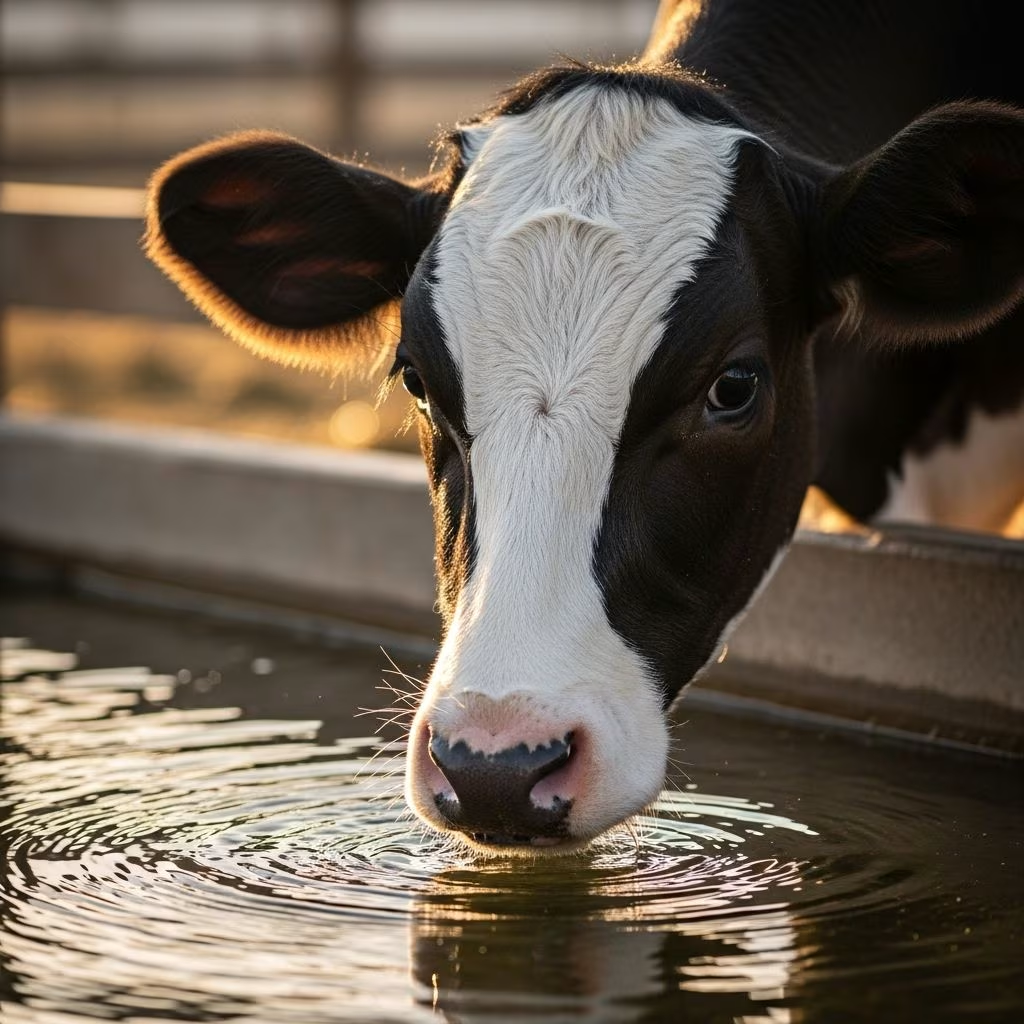
Ruminal drinking, or reticuloruminal milk accumulation, is a digestive disorder in young calves where milk bypasses the esophagus-reticulum groove and flows directly into the rumen. This failure disrupts normal digestion, triggering fermentation of milk sugars and resulting in rumen acidosis. Primarily affecting bucket-fed veal calves, it manifests as either a chronic primary condition or an acute secondary issue tied to other neonatal illnesses like diarrhea.
The Ruminant Digestive System in Neonates
Newborn calves possess a unique digestive setup that evolves rapidly. The forestomachs—rumen, reticulum, and omasum—start underdeveloped, relying on the abomasum for milk digestion via true stomach enzymes. The reticular groove, a muscular fold linking the esophagus to the omasum, closes during suckling, channeling milk past the rumen into the abomasum. This reflex depends on stimuli like suckling or nipple contact.
In healthy calves, this mechanism ensures milk avoids rumen fermentation. However, stressors disrupt it, allowing milk to pool in the rumen where bacteria ferment lactose into acids and gases, dropping pH below 4 and damaging mucosa. Chronic exposure leads to hyperkeratosis, impairing motility and causing recurrent bloat.
Primary Forms of Ruminal Drinking Syndrome
Primary ruminal drinking emerges in veal operations 2-4 weeks post-arrival. Risk factors include:
- Prolonged transport stressing calves.
- Sudden grouping with unfamiliar peers.
- Shift from nipple to bucket feeding.
These provoke groove dysfunction, leading to milk accumulation. Calves show subtle early signs progressing to severe issues.
Clinical Manifestations in Chronic Cases
Affected calves exhibit:
- Reduced appetite and lethargy.
- Poor weight gain and hair loss.
- Recurrent abdominal tympany with ventral distention.
- Clay-like feces from impaired absorption.
- Fluid splashing on left flank succussion.
Systemic effects stem from d-lactate absorption, causing ataxia and weakness due to absent metabolism enzymes. Ruminal fluid via stomach tube reveals fermented, acidic contents confirming diagnosis.
Secondary Ruminal Drinking Complications
Acute forms arise alongside neonatal diseases, notably diarrhea, weakening the groove reflex. Painful conditions or force-feeding exacerbate it by supplying fermentable substrate. Dominant symptoms mask ruminal issues, but severe rumenitis prompts teeth grinding, back arching, and distention.
Underlying dehydration and acidosis from diarrhea often resolve with treatment, hiding ruminal drinking. Persistent cases require ruminal fluid checks for low pH and fermentation products.
Pathophysiology of Acidosis and Damage
Milk in the rumen fuels rapid bacterial fermentation, producing lactic acid (l- and d-isomers) and gases. pH drops provoke forestomach inflammation, abomasal edema, and mucosal erosions. In peracute cases, gaseous bullae form in walls, with hemorrhage and emphysema noted at necropsy.
Microbes like Clostridium spp. and Sarcina spp. contribute, thriving on lactose or glucose, but no single agent dominates; it’s substrate-driven. d-Lactate buildup induces metabolic acidosis, neurological signs. Chronic inflammation yields parakeratosis, motility loss, and villous atrophy reducing nutrient uptake.
| Aspect | Acute (Secondary) | Chronic (Primary) |
|---|---|---|
| Onset | Rapid, with primary disease | Weeks after stress |
| Main Signs | Diarrhea dominance, grinding teeth | Lethargy, poor growth, bloat |
| Mucosal Changes | Erosions, emphysema | Hyperkeratosis, parakeratosis |
| Prognosis | Good with disease treatment | Poor in advanced stages |
Diagnostic Approaches
Diagnosis hinges on history, signs, and tests:
- Palpation and succussion for fluid sounds.
- Stomach tubing to sample acidic, soured rumen fluid.
- pH measurement (<4 indicative).
- Response to suckling test: finger suckling before feed may close groove.
Rule out grain overload or simple indigestion via diet history; latter shows atony without acidosis. Necropsy reveals emphysema, hemorrhages in severe cases.
Management and Prevention Tactics
Early detection is crucial; advanced chronic cases carry poor prognosis. Strategies include:
- Feeding Modifications: Switch to nipple bottles or small-volume feeds to stimulate groove closure. Suck finger pre-feed.
- Supportive Care: Electrolytes for dehydration, antacids for pH correction.
- Stress Reduction: Minimize transport, gradual grouping, consistent feeding.
For secondary cases, treat primary disease aggressively; ruminal issues often self-resolve. Avoid force-feeding anorectics to prevent substrate overload.
Nutritional Adjustments Table
| Risk Group | Strategy | Expected Benefit |
|---|---|---|
| Bucket-Fed Veal Calves | Nipple transition, small frequent feeds | Groove reflex restoration |
| Post-Diarrhea Recovery | Monitor intake, avoid overfeeding | Prevents secondary acidosis |
| Transported Groups | Rest periods, familiar feeds | Reduces stress-induced failure |
Prognostic Factors
Primary chronic cases diagnosed late have guarded to poor outlooks due to irreversible damage. Early intervention yields high recovery via behavioral feeding cues. Secondary forms succeed with primary disease control; monitor non-responders closely.
Research Insights on Etiology
Studies link ruminal drinking to fermentable carbs fueling gas/acid production, not singular pathogens. Experimental glucose dosing mimics lesions, supporting substrate role. Clostridium and Sarcina appear sporadically, but multifactorial fermentation drives pathology.
Frequently Asked Questions (FAQs)
What triggers ruminal drinking in calves?
Stress from transport, grouping, or bucket feeding disrupts the reticular groove reflex, diverting milk to rumen.
How do I test for it at home?
Listen for splashing on flank succussion; tube rumen for soured, low-pH fluid (<4).
Can it affect lambs too?
Yes, similar in artificially fed lambs, with comparable acidosis signs.
Is surgery ever needed?
No, management focuses on feeding and support; surgery not standard.
How to prevent in veal units?
Use nipples, reduce stressors, feed small volumes frequently.
Long-Term Health Impacts
Untreated calves face stunted growth, recurrent bloat, and higher mortality. Surviving ones risk chronic dysmotility, impacting lifetime productivity. Proactive care ensures robust rumen development for solid feed transition.
References
- Tympany, Acidosis, and Mural Emphysema of the Stomach in Calves — Veterinary Pathology, SAGE Journals. 2007-07-01. https://journals.sagepub.com/doi/10.1177/104063870701900409
- Reticuloruminal Milk Accumulation (“Ruminal Drinking”) in Calves — MSD Veterinary Manual. 2023. https://www.msdvetmanual.com/digestive-system/diseases-of-the-ruminant-forestomach/reticuloruminal-milk-accumulation-ruminal-drinking-in-calves
- Tympany, acidosis, and mural emphysema of the stomach in calves — PubMed. 2007-07-04. https://pubmed.ncbi.nlm.nih.gov/17609349/
- Ruminal Hyperkeratosis and Ruminitis in Young Calves — AABP Proceedings. 2023. https://bovine-ojs-tamu.tdl.org/aabp/article/view/6595
- Disorders of forestomach in large ruminants: A review — Emerging Research. 2023. https://www.emergentresearch.org/uploads/38/15230_pdf.pdf



