
Rule of 20: Vital Monitoring for Sick Pets
Master the Rule of 20 to proactively track and stabilize critically ill dogs and cats in emergency veterinary settings.
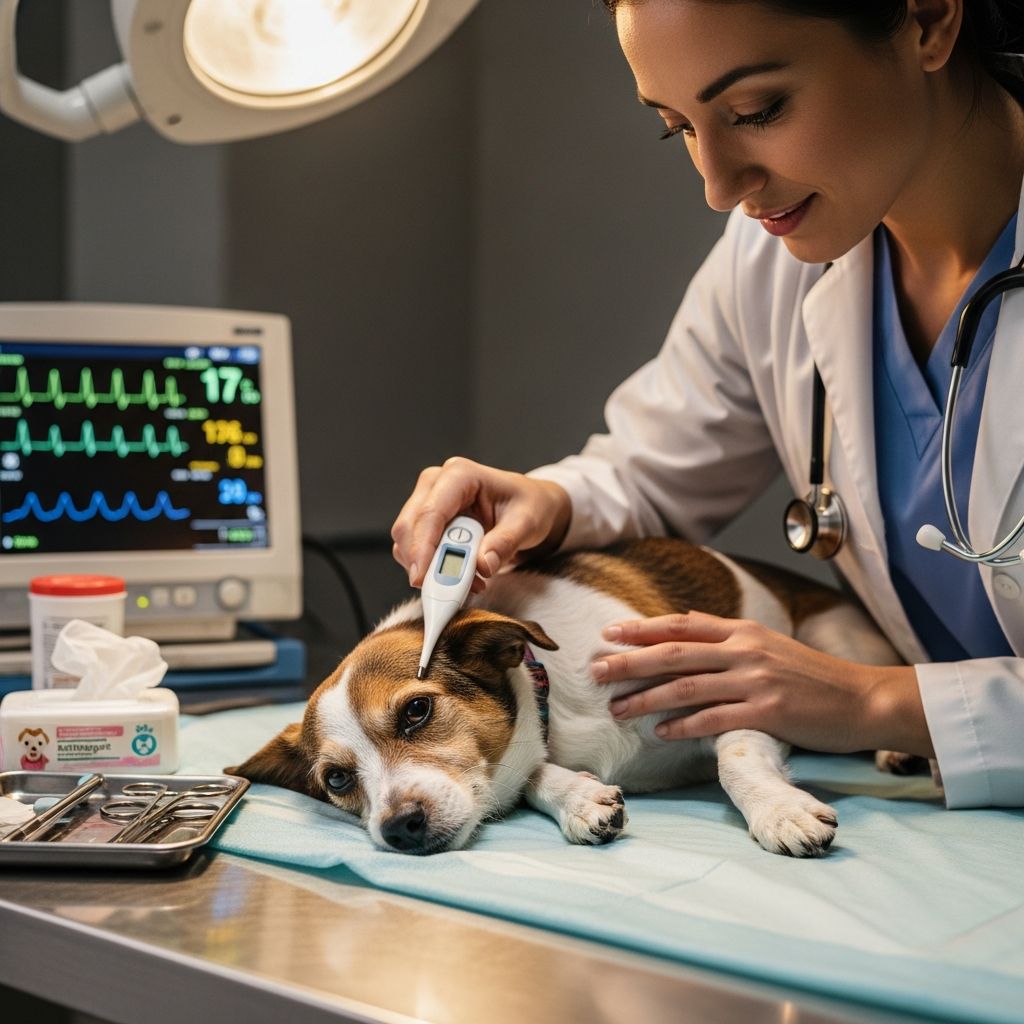
The Rule of 20 serves as a comprehensive framework in veterinary medicine for evaluating critically ill small animals, such as dogs and cats, through 20 essential parameters assessed at least once daily, with some checked multiple times. This proactive approach emphasizes anticipation over reaction, enabling veterinarians to detect subtle changes and intervene before irreversible damage occurs.
Why Proactive Monitoring Matters in Pet Critical Care
In emergency and intensive care units (ICUs), timely assessment prevents complications from escalating. Critically ill pets often face multi-organ threats from conditions like trauma, sepsis, or toxin exposure. Regular checks ensure balanced therapy, adjusting fluids, medications, and support based on real-time data. Studies show structured monitoring improves survival rates by identifying issues early.
Veterinarians use tools like scoring systems—such as the Modified Glasgow Coma Scale (MGCS) for neurology or pain scales—to quantify changes objectively, reducing subjectivity across shifts.
Core Components of the Rule of 20
The protocol groups parameters into physiological categories for systematic review. Below, we break down each, with practical assessment methods and intervention strategies.
1. Fluid Balance and Hydration Status
Maintaining euvolemia (normal fluid volume) is paramount, as overload risks pulmonary edema, while deficits cause organ hypoperfusion. Track inputs (IV fluids, oral intake) against outputs (urine, feces, vomit). Aim for 2 mL/kg/hr urine output in stable patients.
- Weigh patients 2-3 times daily; 5-10% loss signals dehydration.
- Monitor respiratory rate <30/min to detect overload.
- Use focused ultrasound for lung B-lines or vena cava size.
| Delivery Method | Monitoring Tips |
|---|---|
| IV Fluid Pump | Reset total volume infused (TVI) every 2-4 hours; match VTBI to check intervals. |
| Syringe Pump | Document TVI q2-4h; adjust for high-risk patients. |
| Subcutaneous Fluids | Use overnight when 24/7 monitoring unavailable; check weight next day. |
2. Oncotic Pull and Albumin Levels
Albumin maintains vascular oncotic pressure, preventing edema. Levels <1.5 g/dL prompt colloids like hetastarch (0.5-1 mL/kg/hr) or plasma. Serial serum albumin checks guide therapy.
3. Blood Glucose Control
Hyperglycemia (>180 mg/dL) worsens outcomes in sepsis; hypoglycemia (<60 mg/dL) risks seizures. Check q4-6h or continuously via subcutaneous monitors. Insulin CRI for persistent highs; dextrose for lows.
4. Electrolyte Equilibrium
Imbalances like hyperkalemia (>6 mEq/L) in renal failure demand immediate ECG and calcium gluconate. Monitor sodium, potassium, calcium, magnesium daily or more.
5. Acid-Base Homeostasis
Arterial blood gases reveal metabolic acidosis (lactate >2.5 mmol/L) or respiratory issues. Buffer with bicarb if pH <7.2 and base deficit >-10.
6. Oxygenation and Ventilation Metrics
Target SpO2 94-98%; PaO2 >80 mmHg. End-tidal CO2 (ETCO2) via nasal cannula correlates with arterial values, guiding ventilation needs. Serial checks assess oxygen therapy efficacy.
7. Neurological Function Assessment
Use MGCS (score 1-6 per category: consciousness, motor, cranial nerves; total <9 poor prognosis). Declines signal metabolic derangements or rising intracranial pressure. Elevate head 15°, normoventilate.
- Check mentation, posture, pupil response q2-4h.
- Deep pain for spinal injuries; withdrawal alone insufficient.
8. Systemic Blood Pressure Management
Doppler or oscillometric: MAP 65-90 mmHg. Hypotension (<60 mmHg) gets fluids/crystalloids; hypertension monitored for brain injury.
9. Cardiac Performance: Rate, Rhythm, Strength
Auscultate HR 60-160 bpm (species-dependent); ECG for arrhythmias. Echo assesses contractility; dobutamine CRI if low (dogs 5-20 mcg/kg/min). CVP 0-5 cmH2O via central line.
10. Core Body Temperature Regulation
Normothermia 37.5-39°C. Hypothermia common; warm fluids, blankets. Hyperthermia treated with NSAIDs, not ice.
11. Coagulation Profile Vigilance
PT/PTT, fibrinogen, D-dimers for DIC. Platelets >50,000/mcL ideal; fresh frozen plasma for deficits.
12. Red Cell Mass and Hemoglobin
PCV 25-45%, Hgb >8 g/dL. Transfuse if <20% PCV with tachycardia.
13. Renal Function Tracking
Serial BUN/creatinine, urinalysis for casts/protein. IRIS staging uses creatinine, BP, UPC. Culture urine for infection.
14. Appetite and Nutritional Support
Anorexia >24h risks catabolism. Esophagostomy tubes for enteral feeding; meet 50-100% RER.
15. Urine Production Oversight
Oliguria (<1 mL/kg/hr) flags AKI; furosemide + mannitol if needed.
16. Lactate Clearance Monitoring
>2.5 mmol/L indicates hypoperfusion; recheck post-resuscitation.
17. Immune Competence and Infection Control
Neutropenia (<1000/mcL): isolate, aseptic care, gloves/gowns. Hand hygiene mandatory.
18. Gastrointestinal Tract Integrity
Vomit/diarrhea volumes; sucralfate for ulcers. Monitor motility.
19. Pain and Comfort Evaluation
Glasgow Pain Scale; multimodal analgesics (opioids, ketamine CRI).
20. Mental Status and Overall Trend
Integrate all; worsening trends prompt re-evaluation.
Implementing the Rule of 20 in Practice
Create checklists for shifts. Integrate tech: continuous ECG, telemetry, multiplex analyzers. Triage tiers: Category 1 (CPA, GDV) needs constant watch. Day clinics use SC fluids overnight.
Team rounds discuss trends. Owner updates build trust.
Advanced Tools Enhancing the Protocol
Biomarkers like NT-proBNP predict cardiac risk. Ultrasound for effusions. Scoring: ATTS for trauma.
Common Challenges and Solutions
| Challenge | Solution |
|---|---|
| Non-24/7 Facilities | Day IV + night SC; frequent weights. |
| Subjective Assessments | Validated scales (MGCS, pain). |
| Fluid Overload Risk | q2h RR, lung scans. |
Frequently Asked Questions (FAQs)
What is the Rule of 20 in vet medicine?
A daily checklist of 20 parameters for critically ill pets to ensure comprehensive care.
How often should I check glucose in ICU dogs?
q4-6h or continuous; adjust for diabetics.
Can home pet owners use parts of this?
Monitor appetite, urine output, attitude; consult vet for abnormalities.
What if MGCS drops suddenly?
Rule out hypo/hyperglycemia, electrolytes, BP changes.
Is ETCO2 reliable without intubation?
Yes, via nasal cannula in small animals.
Future Directions in Critical Pet Monitoring
Emerging: wearable biosensors, AI trend analysis, renal biomarkers. Protocols evolve with evidence.
References
- Monitoring the Critically Ill Small Animal Using the Rule of 20 — Merck Veterinary Manual. 2023. https://www.merckvetmanual.com/emergency-medicine-and-critical-care/monitoring-the-critically-ill-small-animal/monitoring-the-critically-ill-small-animal-using-the-rule-of-20
- Monitoring the Critical Patient (Proceedings) — dvm360. 2023. https://www.dvm360.com/view/monitoring-critical-patient-proceedings
- 2024 AAHA Fluid Therapy Guidelines for Dogs and Cats — American Animal Hospital Association (AAHA). 2024. https://www.aaha.org/resources/2024-aaha-fluid-therapy-guidelines-for-dogs-and-cats/section-8-fluid-administration-and-monitoring/
- Care of the Critically Ill: Initial Exam and Patient Monitoring — Delaware Valley Academy of Veterinary Medicine. 2011. http://www.delawarevalleyacademyvm.org/pdfs/oct11/1_Monitoring_Sick_Patients.pdf
- Advanced Monitoring and Procedures for Small Animal Emergency and Critical Care — Wiley Online Library. 2023. https://onlinelibrary.wiley.com/doi/book/10.1002/9781119581154
Similar Articles








Read full bio of medha deb


