
Routine Veterinary Care of the Miniature Pig
Essential guide to mini pig health: vaccination, hoof care, tusks, and preventive medicine.
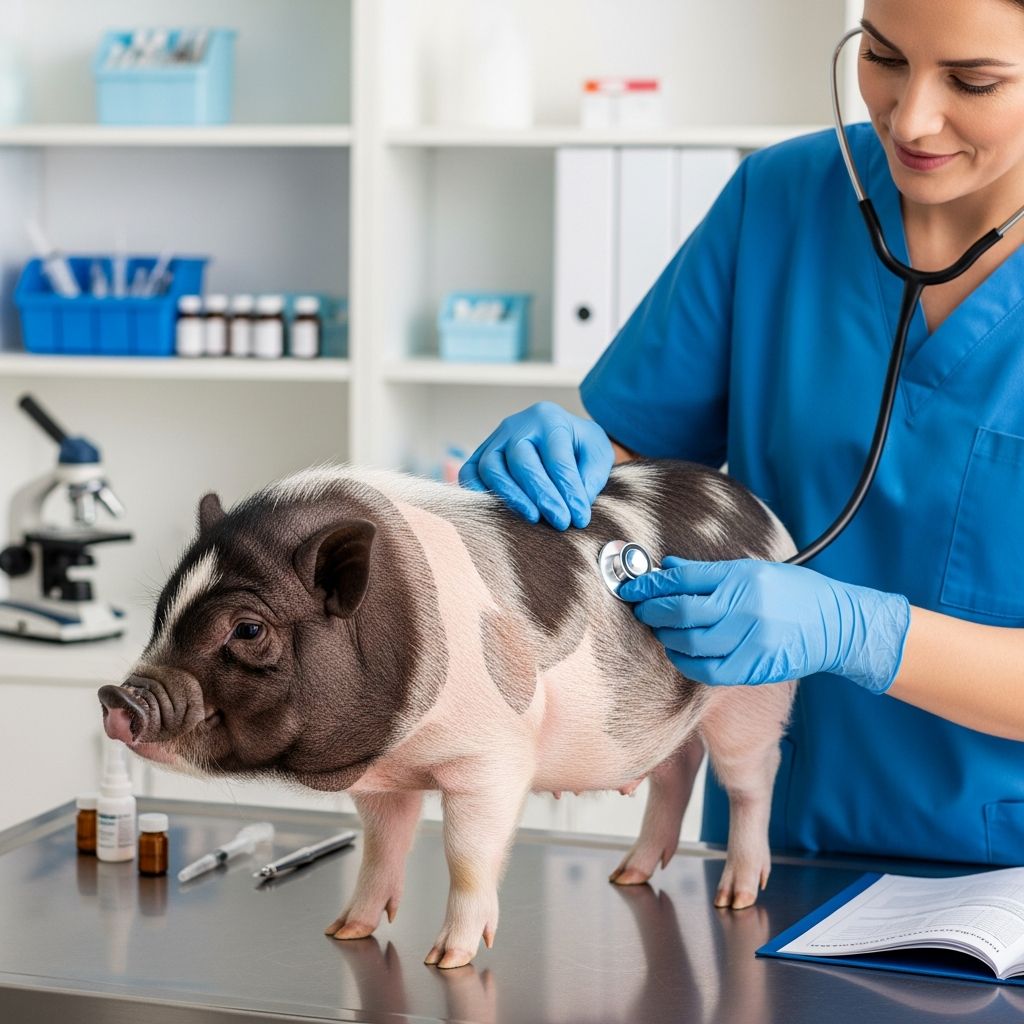
Miniature pigs have become increasingly popular as companion animals, yet they require specialized veterinary care that differs significantly from traditional pet species. Understanding the unique needs of pet pigs is essential for veterinarians and pig owners alike. Hoof trims, tusk trims, deworming, and vaccination represent the most common procedures performed during routine veterinary visits. However, successful care of miniature pigs extends far beyond these basic procedures, requiring knowledge of their distinctive anatomy, behavior patterns, and health requirements.
Understanding Miniature Pig Behavior and Handling
One of the most challenging aspects of miniature pig veterinary care is patient restraint and handling. Pigs are prey animals by nature, and this fundamental behavioral characteristic influences how they respond to handling and restraint. Unlike dogs and cats that may be held and restrained relatively easily, pigs exhibit defensive behaviors rooted in their evolutionary survival instincts. Sows do not naturally pick up or restrain their offspring, which means pigs perceive being lifted or confined as a predatory threat.
This behavioral understanding is crucial for developing appropriate handling protocols. Smaller to medium-sized pigs can be restrained by placing one hand beneath the rump while positioning the other hand in front of the forelimbs and under the neck rather than under the chest. Larger pigs require different handling strategies, such as using narrow chutes or corner boards with sorting panels to safely contain the animal. The importance of proper equipment cannot be overstated, as crowd boards and sorting panels represent the most essential specialized handling tools for miniature pig care.
Pigs are also susceptible to exertional myopathy, a condition that is extremely painful and difficult to treat. Therefore, minimizing stress during handling is not merely a matter of convenience but a significant health consideration. It is much safer to perform examinations on the floor rather than on a table, as many pigs will attempt to leap off elevated surfaces. For procedures requiring sedation, veterinarians should develop safe sedation protocols appropriate to miniature pigs, making stubborn and vocal patients more manageable during necessary diagnostic and therapeutic interventions.
Physical Examination and Health Assessment
A comprehensive physical examination forms the foundation of routine miniature pig care. Before the examination, owners should fast their pigs for 6 to 12 hours in case sedation becomes necessary during the visit. Owners should also bring their pig’s daily food ration or favorite treats, which can be useful during handling and restraint.
The physical examination of pet pigs is largely visual, involving careful observation of body condition, hoof integrity, gait, respiratory rate and character, attitude, and mental status. This visual assessment is critical because it provides essential baseline information about the pig’s overall health. Knowledge of normal miniature pig anatomy is particularly important, as certain normal anatomical features may cause concern for uninformed owners. Understanding structures such as carpal glands and preputial diverticulum prevents unnecessary alarm and allows veterinarians to provide appropriate client education.
During the examination, veterinarians should pay particular attention to body condition scoring. Many miniature pigs suffer from nutritional imbalances that result in either obesity or malnutrition. Some commercially prepared mini pig feeds provide inaccurate label instructions that inadvertently lead to obesity. Conversely, unscrupulous breeders sometimes recommend underfeeding protocols designed to maintain the promised small size, resulting in malnutrition and emaciation. Owners must not only learn to “feed to body condition” but must also develop a clear understanding of what constitutes appropriate body condition in miniature pigs. Nutritional counseling is frequently needed and represents an important component of preventive health care.
Hoof Trim and Maintenance
Hoof trim is one of the most frequently performed procedures in miniature pig veterinary care. Most pigs require hoof trims every 6 to 12 months at minimum, though individual requirements vary based on activity level and substrate conditions. Hooves that receive inadequate maintenance can overgrow and curl, resulting in pain, difficulty ambulating, and potential damage to the soft tissue structures of the foot.
The medial and lateral digits, which contact the ground minimally, are particularly prone to overgrowth and require regular trimming in all pet pigs. Proper hoof shaping and balancing during these procedures is essential to maintain healthy foot conformation and prevent lameness. While hoof trims are generally straightforward procedures, they often require sedation in pet pigs due to their tendency to resist handling. Veterinarians should be familiar with appropriate sedation protocols and proper equipment for performing this necessary maintenance procedure safely and effectively.
Tusk Trimming Considerations
Tusk trim represents another common procedure, particularly in male miniature pigs. Male pigs develop tusks that can become long and extremely sharp, creating several potential problems. Long tusks may injure humans and other animals, damage household furniture and flooring, or become caught on caging. In severe cases, tusks can grow long enough to penetrate the pig’s own facial flesh.
However, tusk trimming requires careful consideration and should not be performed indiscriminately. The risk of tooth infection following tusk trimming is notably high, and only certain conditions warrant the procedure. Veterinarians must assess each situation individually, weighing the benefits of trimming against the potential complications. Dental abscesses represent a significant concern following tusk manipulation, making it important to reserve this procedure for situations where the benefits clearly outweigh the risks.
Vaccination Protocols for Miniature Pigs
Vaccination represents an important component of preventive medicine in miniature pigs, yet no universally accepted vaccination protocol exists for this species. Pet pig practitioners must develop individualized vaccination plans suited to each pig’s specific environment and potential disease exposure while adhering to label instructions designed for much larger commercial swine operations.
Recommended vaccination protocols for miniature pigs typically begin at 8 to 12 weeks of age, with initial vaccination consisting of two doses administered 14 days apart, followed by annual boosters. However, specific vaccination recommendations should be based on diseases common in the geographic area, potential exposure risks, the pig’s age and breeding status, and consideration of zoonotic potential.
The variability in vaccination recommendations reflects the relatively recent emergence of miniature pigs as companion animals and the lack of extensive clinical trial data specific to this species. Veterinarians caring for pet pigs must stay informed about regional disease patterns and remain flexible in their vaccination approach, always considering the individual pig’s circumstances and risk factors.
Deworming and Parasite Management
Deworming protocols for miniature pigs vary, though evaluation methods are similar to those used for other species, with drug dosages specifically formulated for swine now readily available. At the initial wellness visit, veterinarians should perform a visual examination for skin parasites and conduct a fecal float to screen for internal parasites. Many practitioners recommend administering a round of dewormer at the first visit regardless of fecal examination results, typically administering dewormer doses every 10 to 12 days for a total of three doses.
Following the initial deworming protocol, fecal flotation should be performed every 6 to 12 months during routine physical examinations to monitor for gastrointestinal parasites. This ongoing monitoring approach allows for targeted deworming only when parasites are actually detected, rather than routine deworming that may not be necessary. In larger “open” herds such as pig sanctuaries, fecal monitoring should be performed more frequently, with a minimum of twice-yearly testing recommended to maintain herd health and prevent parasite transmission.
Dental Care and Oral Health
Dental care should be a routine component of miniature pig preventive health care, similar to recommendations for dogs and cats. However, dental procedures in miniature pigs present unique challenges. Intubation can be extremely difficult, and the narrow gape of pigs makes it exceptionally difficult to access all teeth—considerably more challenging than performing dental procedures in dogs or cats.
Owners should be encouraged to brush their pig’s teeth using dog toothpaste products or baking soda paste, though success depends on individual pig temperament and cooperation. Some owners report positive results with dental chews designed for dogs; however, caution should be exercised when using these products, as they must be the appropriate size and consistency to prevent choking and allow for extended chewing. Many pigs eat voraciously, tending to gulp food rather than chew methodically, which complicates the use of dental chews.
At a minimum, all sedated pigs should receive a brief oral examination and removal of any large tartar chunks. Pigs characteristically form tartar so severe that the buildup sometimes represents the only factor holding a rotten tooth in place. This high incidence of severe dental disease in miniature pigs makes routine oral assessment an essential component of veterinary care.
Surgical Sterilization and Reproductive Health
Spaying and neutering are recommended procedures for miniature pigs maintained as companions. Beyond preventing unwanted breeding, surgical sterilization offers multiple health and behavioral benefits. Neutering male pigs reduces body odor, which can be quite significant in intact males. Spaying and neutering also lessen certain destructive or undesirable behaviors associated with reproductive hormones. Additionally, surgical sterilization prevents serious reproductive health conditions, including uterine infections and tumors in female pigs and testicular tumors in male pigs.
Joint Health and Supplementation
Joint supplementation can be beneficial for miniature pigs, particularly as they age or if they develop signs of arthritis or joint discomfort. Any human, canine, or equine supplement formulated for joint health is appropriate for use in miniature pigs. Specific products such as Dasuquin (Nutramax Laboratories) and Cosequin (Nutramax) have demonstrated good results in pet pigs. Injectable Adequan (Luitpold Pharmaceuticals) also shows promise as a therapeutic option for miniature pigs experiencing joint issues.
Special Health Considerations
Ear Care: Miniature pigs normally produce large amounts of dark brown, flaky to waxy ear secretions that can be removed with gauze squares or cotton balls if desired. However, routine ear cleaning is not necessary unless a problem such as otitis exists. It is critically important not to place fluids of any kind into a pig’s ear, as some pigs develop temporary or permanent head tilts following ear cleaning solution use.
“Dippity Pig” Syndrome: Some pigs develop a condition known as “dippity pig,” characterized by sudden lethargy and depression. Diamond-shaped skin lesions may also appear. Various medications including antibiotics, steroids, and pain relievers have been attempted for treatment, but the stress of veterinary examination and medication administration may outweigh benefits. This condition typically resolves spontaneously within 24 to 48 hours and is best managed through low-stress environmental management in a warm, quiet, dimly-lit area with bedding or hay. This condition can recur in susceptible individuals.
Toxic Exposure Management: Pigs frequently access protected areas such as the space behind refrigerators due to their voracious appetite and predilection for rooting combined with their strength. If toxin ingestion is suspected within 4 to 6 hours, gastric lavage represents the safest management technique when not contraindicated by the nature of the substance ingested. Activated charcoal can be hidden in baby food for administration. Importantly, hydrogen peroxide and mineral oil should never be administered via syringe or drench due to aspiration risks.
Frequently Asked Questions
Q: How often should miniature pigs receive physical examinations?
A: Miniature pigs should receive annual physical examinations as part of routine preventive care. Older pigs and those with existing health conditions may benefit from twice-yearly examinations to detect age-related or progressive conditions early.
Q: Can miniature pigs receive dental cleanings like dogs and cats?
A: While dental cleanings are recommended, very few veterinary clinics are willing to perform dental procedures on miniature pigs due to intubation challenges and the difficulty of accessing all teeth. Owners should focus on preventive care through tooth brushing and monitoring for tartar accumulation.
Q: What sedation protocols are safe for miniature pigs?
A: Deep sedation or light general anesthesia is often required for most diagnostic or therapeutic procedures. Veterinarians experienced with miniature pigs should develop protocols appropriate to the species, considering the pig’s age, weight, and health status.
Q: How can owners determine appropriate body condition for their miniature pig?
A: Owners should work with their veterinarian to understand proper body condition scoring for miniature pigs. Feeding should be adjusted based on body condition rather than relying solely on commercial feed label instructions, which may be inaccurate for mini pigs.
Q: Should male miniature pigs always have their tusks trimmed?
A: No, tusk trimming should only be performed when specific conditions warrant it, as the risk of tooth infection following trimming is high. Veterinarians should assess each situation individually to determine if trimming benefits outweigh potential complications.
Conclusion
While miniature pigs can present unique challenges in veterinary practice, comprehensive understanding of their specialized care requirements makes maintaining pet pig health relatively straightforward once the initial hurdles of restraint and handling are addressed. Successful routine veterinary care depends on knowledge of normal pig anatomy and behavior, appropriate handling techniques, and individualized preventive medicine protocols. By developing expertise in these areas and providing thorough client education regarding nutrition, dental care, and parasite prevention, veterinarians can effectively support the health and well-being of miniature pigs throughout their lives. With guidance and proper veterinary support, miniature pig owners can successfully maintain their pets in excellent health.
References
- Routine Veterinary Care of the Miniature Pig — LafeberVet. 2024. https://lafeber.com/vet/routine-care-mini-pig/
- Basic Information Sheet: Miniature Pig — LafeberVet. 2024. https://lafeber.com/vet/basic-information-sheet-miniature-pig/
- Hoof Trims in Miniature Pigs — LafeberVet. 2024. https://lafeber.com/vet/hoof-trims-in-miniature-pigs/
- Miniature Pig Care — LafeberVet. 2024. https://lafeber.com/vet/basic-miniature-pig-care/
- Miniature Companion Pig Sedation and Anesthesia — Mammal Medicine. 2019-2021. https://lafeber.com/vet/routine-care-mini-pig/
- Using Stakeholder Focus Groups to Refine the Care of Pigs in Research — von LM Wilkinson, et al. 2023. https://pmc.ncbi.nlm.nih.gov/articles/PMC10078923/
- PET PIGS – Care Guide — Catherine Love, DVM. 2024. https://arborviewah.com/wp-content/uploads/2024/05/2274893_ArborViewCareGuidesCopyPigGuide_Bleed_051624.pdf
Similar Articles








Read full bio of medha deb


