

Routine Fecal Testing: FAQs for Dog Owners
As a responsible dog owner, you want to ensure your canine companion stays healthy and happy. One of the most important preventative health measures you can take is routine fecal testing. This simple yet powerful diagnostic tool helps protect your dog from intestinal parasites that can cause serious health problems. Whether you have a new puppy or an adult dog, understanding fecal testing is essential for maintaining your pet’s overall wellness.
What Is the Purpose of Routine Fecal Parasite Testing?
Routine fecal examinations are used to detect intestinal parasites in your dog. These parasites may include worms such as hookworms, roundworms, whipworms, and tapeworms, as well as microscopic parasites like Giardia and Coccidia. These parasites not only cause intestinal disease in dogs but can also pose health risks to humans, making fecal testing crucial for your entire family’s wellbeing.
Intestinal parasites can have serious consequences for your dog’s health. They can interfere with nutrient absorption, leading to malnutrition and stunted growth in puppies. Additionally, parasites can cause digestive upset including diarrhea, vomiting, loss of appetite, and unexplained weight loss. Some parasites are zoonotic, meaning they can be transmitted from your dog to you and other family members, making early detection and treatment essential for protecting everyone in your household.
How Does Your Veterinary Hospital Perform Fecal Parasite Testing?
Understanding the fecal testing process can help you better support your veterinarian and ensure accurate results. The procedure involves several important steps designed to identify parasites effectively.
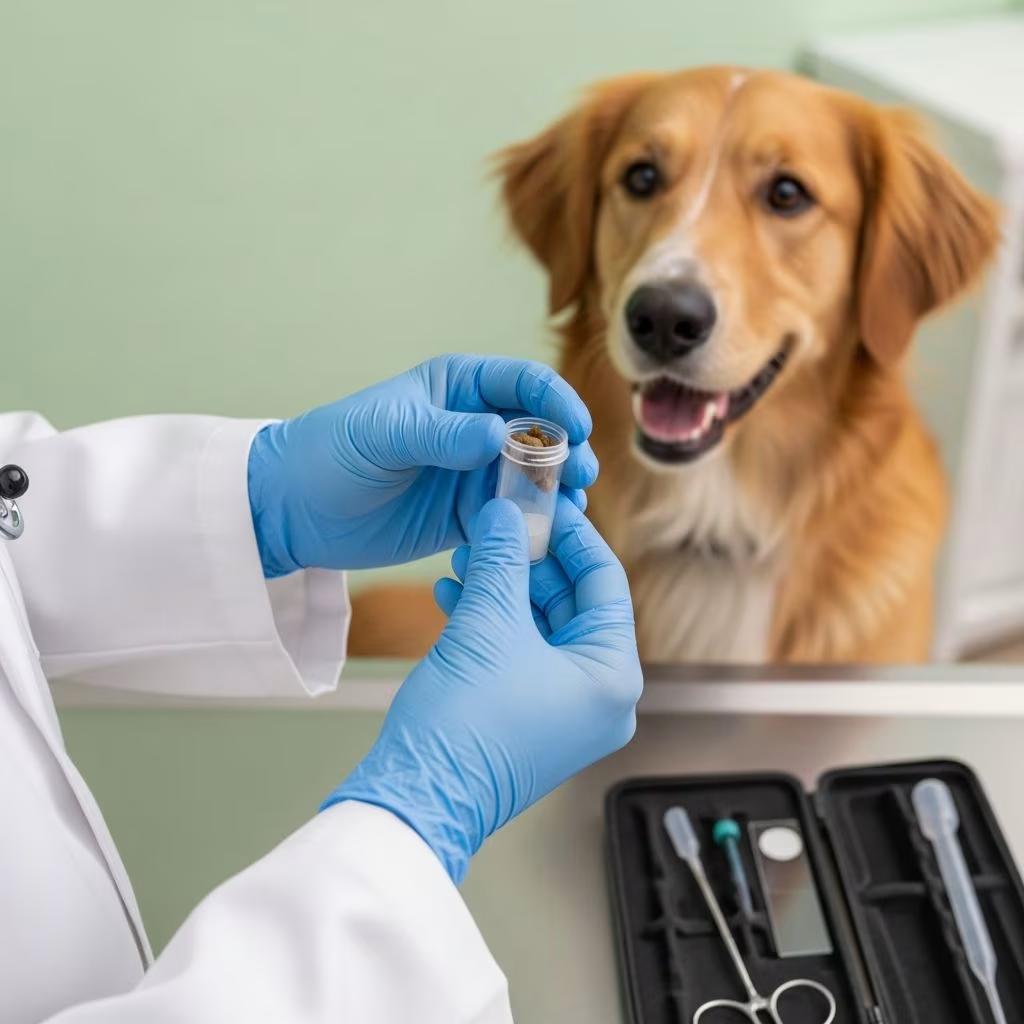
Fecal testing must be performed on fresh feces, as the quality of the sample directly affects the accuracy of results. Your veterinarian may ask you to bring a fresh sample collected from home or may collect a small sample directly from your dog’s rectum during the appointment. Once the sample is obtained, it undergoes specific processing.
The fresh fecal sample is mixed with a special solution in a vial and either centrifuged at high speeds or allowed to sit undisturbed for a set period. This process, known as fecal flotation, causes parasite eggs to rise to the top of the vial, where they can be collected and examined. The material at the surface is then examined under a microscope to detect the presence of worm eggs and other parasitic organisms.
In some cases, your veterinarian may also perform a fecal smear, which involves placing a small amount of your dog’s stool on a microscope slide and examining it directly without special processing. Fecal smears are particularly useful for diagnosing Giardia and can provide additional information about your dog’s intestinal health.
How Often Should Your Dog’s Feces Be Tested for Parasites?
The frequency of fecal testing depends on your dog’s age and individual circumstances. Establishing a regular testing schedule is crucial for early parasite detection.
For Puppies: Puppies should have several fecal parasite exams during their first year of life. Intestinal worms are very common in puppies and can cause more severe problems in younger dogs, making early detection essential. Not all intestinal parasites are addressed by common dewormers, so fecal parasite exams are important even in puppies receiving regular deworming medication.
For Adult Dogs: In adult dogs, fecal parasite testing should be performed every six months, even if they are on heartworm prevention or other parasite prevention medications. This regular schedule helps catch infections early before they become problematic and ensures your prevention strategy is working effectively.
The interval between tests may vary based on your dog’s lifestyle, environment, and individual risk factors. Discuss with your veterinarian the appropriate testing schedule for your specific dog’s needs.
How Can Your Dog Have Worms If You Can’t See Any in Their Stool?
One of the most common questions pet owners ask is how their dog could have worms if they don’t see them in the stool. This confusion is understandable but highlights an important point about parasite lifecycles.
Most intestinal worms remain within the body and are not shed visibly in the stool. Instead, these worms lay microscopic eggs that are shed into the environment and pass through your dog’s digestive system. A fecal parasite examination specifically searches for these microscopic eggs rather than adult worms. The eggs are far too small to see with the naked eye, which is why professional microscopic examination is necessary.
Some parasites, like tapeworms, may occasionally appear in stool as small segments that look like grains of rice, but most parasites cannot be detected without microscopic examination. This is precisely why routine fecal testing is so important—it catches parasite infections at their early stages before they become visible or cause serious health problems.
How Will Your Veterinarian Treat Intestinal Parasites?
If your veterinarian finds evidence of intestinal parasites on routine fecal testing, they will recommend appropriate treatment to eliminate the parasites. Each intestinal parasite has unique treatment requirements, so the specific approach depends on which parasites are identified.
Treatment options vary widely depending on the type of parasite detected. Some infections may require as little as one to two doses of dewormer, while others may necessitate a prolonged course of oral medication. Your veterinarian will recommend the most effective treatment protocol for your dog’s specific situation.
Additionally, your veterinarian may recommend a change in your dog’s heartworm preventive if it is not effectively preventing a particular parasite that is present in your dog’s environment. This proactive approach ensures comprehensive parasite protection going forward.
Frequently Asked Questions About Fecal Testing
Q: What parasites can fecal testing detect?
A: Fecal testing can detect various intestinal parasites including roundworms, hookworms, whipworms, tapeworms, Giardia, and Coccidia. The specific parasites detected may vary based on your geographic location and your dog’s exposure history.
Q: Can I collect the stool sample myself at home?
A: Yes, you can collect a fresh stool sample at home. Take your dog on a walk and collect approximately the size of a cherry tomato in a clean container. The sample should ideally be brought to your veterinarian’s office within a few hours of collection. If you cannot do this, store the sample in the refrigerator to keep it fresh until you can deliver it.
Q: How long is the stool sample good for?
A: Fresh stool samples are ideal and should be used as soon as possible, ideally within a few hours of collection. If the sample is more than six hours old and has not been refrigerated, it may lose accuracy and cannot be used for testing. Always refrigerate samples you cannot deliver immediately.
Q: How quickly will I get test results?
A: Fecal test results typically take one to three business days to process. Your veterinary clinic will contact you as soon as the results are available with information about whether parasites were detected and recommendations for treatment if needed.
Q: Is there any risk to me or my family from my dog’s parasites?
A: Yes, some parasites are zoonotic, meaning they can be transmitted to humans. Hookworms, roundworms, and Giardia can affect people as well as dogs. This is another important reason to maintain regular fecal testing and treat any infections promptly to protect your entire family.
Q: Can my dog get re-infected with parasites after treatment?
A: Yes, dogs can become re-infected with parasites after treatment, particularly if they have exposure to contaminated environments. This is why your veterinarian recommends regular fecal testing even after successful treatment, and why maintaining appropriate parasite prevention is important.
Q: Should I give my dog dewormer even if the fecal test is negative?
A: Follow your veterinarian’s recommendations regarding deworming protocols. Some vets recommend routine deworming based on your dog’s age, lifestyle, and environment, while fecal testing helps identify which parasites may be present and require targeted treatment.
Tips for Collecting and Submitting Fecal Samples
Proper sample collection and submission ensure the most accurate test results. Here are some essential tips to follow:
- Schedule your appointment shortly after collecting the sample to ensure maximum freshness
- Use a clean container with a tightly fitting lid to store the sample
- Collect approximately the size of a cherry tomato or about one inch of stool
- Avoid contaminating the sample with grass, gravel, dirt, or litter
- If you cannot deliver the sample immediately, place it in the refrigerator
- Always wash your hands thoroughly after handling the sample
- Label the container with your dog’s name and the date of collection
- Inform your veterinarian of any current symptoms your dog may be experiencing
The Importance of Routine Fecal Testing in Your Dog’s Health Plan
Routine fecal testing is a cornerstone of preventative veterinary medicine for dogs. This simple, affordable diagnostic tool can catch parasite infections early before they cause significant health problems or spread to other animals or family members. By incorporating regular fecal testing into your dog’s wellness routine, you demonstrate your commitment to their long-term health and wellbeing.
Working closely with your veterinarian to establish an appropriate fecal testing schedule for your dog’s age, lifestyle, and risk factors ensures comprehensive parasite protection. Whether your dog is a young puppy just beginning their health journey or a senior companion, routine fecal testing remains an important component of responsible pet ownership. Making this simple diagnostic procedure part of your dog’s regular health care helps ensure a long, healthy, and happy life together.
References
- What Is A Fecal Test for Puppies — VCA Animal Hospitals. 2025. https://vcahospitals.com/pediatric/puppy/health-wellness/fecal-test-for-puppies
- Routine Fecal Testing: FAQs for Dog Owners — VCA Animal Hospitals. 2025. https://vcahospitals.com/know-your-pet/routine-fecal-testing-faqs-for-dog-owners
- Fecal Flotation — VCA Animal Hospitals. 2025. https://vcahospitals.com/know-your-pet/fecal-flotation
- Importance of Fecal Tests in Dogs & Cats — VCA Animal Hospitals. 2025. https://vcahospitals.com/fecal-tests-for-dogs-and-cats
- Parasitic Infections in Dogs — American Veterinary Medical Association (AVMA). 2024. https://www.avma.org/resources/pet-owners/petcare/parasites



