

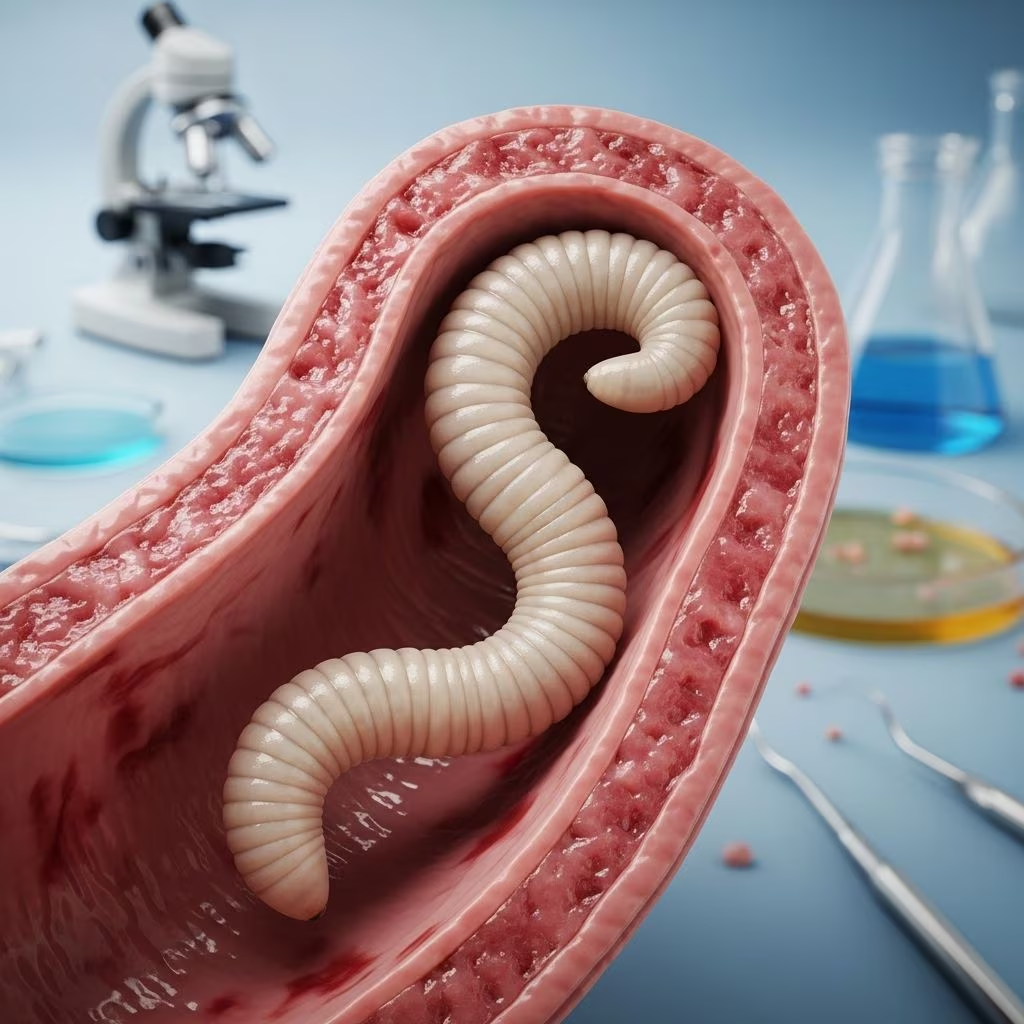
Roundworms represent one of the most prevalent intestinal parasites impacting dogs and cats worldwide, with young animals facing the greatest vulnerability. These nematodes, primarily Toxocara canis in dogs and Toxocara cati in cats, alongside Toxascaris leonina, reside in the small intestine and can lead to severe health complications if untreated.
Understanding the Biology of Roundworms
Roundworms are elongated, spaghetti-like organisms that mature within a pet’s gastrointestinal tract. Adult females can produce thousands of eggs daily, which exit the body via feces and contaminate the environment. These eggs embryonate over 2-4 weeks, becoming infective to other hosts. Unlike some parasites, roundworms exhibit complex life cycles involving migration through tissues, enhancing their resilience and transmission potential.
The primary species affecting canines include Toxocara canis, notorious for its zoonotic capabilities, and Toxascaris leonina, which shares similar habitats but differs in larval migration patterns. In felines, Toxocara cati predominates, with vertical transmission from queen to kittens being a key concern.
Transmission Pathways in Companion Animals
Pets acquire roundworms through multiple avenues, making prevention challenging without vigilant care. Puppies often inherit infections transplacentally from infected mothers, with larvae crossing the placenta or entering via colostrum and milk. This prenatal and postnatal transmission explains the high prevalence in litters under three months.
Older animals ingest embryonated eggs from contaminated soil, grass, or sand, especially in parks or yards harboring infected feces. Consuming paratenic hosts like rodents or birds also introduces dormant larvae. Cats face additional risks from hunting behaviors, amplifying exposure in outdoor environments.
- Vertical transmission: From dam to offspring via placenta or milk.
- Horizontal transmission: Ingestion of eggs from environment or infected prey.
- Paratenic hosts: Rodents harboring encysted larvae.
Clinical Manifestations in Infected Pets
Many infections remain subclinical, particularly in adults, allowing silent shedding of eggs into surroundings. However, heavy burdens in juveniles provoke noticeable distress. Puppies and kittens exhibit failure to thrive, manifesting as stunted growth, pot-bellied appearance, and unthrifty coats.
Gastrointestinal disturbances include mucoid diarrhea, vomiting—sometimes expelling live worms—and weight loss despite normal appetites. Respiratory signs arise from larval migration to lungs, prompting coughing or gagging. In extreme cases, intestinal obstruction or fatality occurs in very young pups.
| Symptom | Dogs | Cats | Severity in Young Animals |
|---|---|---|---|
| Pot-bellied abdomen | Common | Common | High |
| Diarrhea/Vomiting | Frequent | Frequent | High |
| Visible worms in stool | Possible | Possible | Moderate |
| Coughing | Occasional | Less common | Moderate |
| Weight loss/Dull coat | Common | Common | High |
This table summarizes key signs, drawn from veterinary observations.
Diagnostic Approaches for Pet Owners
Veterinarians confirm roundworm presence through fecal flotation tests, detecting characteristic eggs with thick, pitted shells. Antigen detection kits offer higher sensitivity, especially in early infections when eggs are absent due to the prepatent period of 2-5 weeks.
Direct visualization of worms in vomit or feces provides immediate clues, though not definitive without lab confirmation. Routine screening is advised: four times yearly for juveniles, biannually for adults, per parasite control guidelines.
Treatment Protocols and Medications
Deworming with broad-spectrum anthelmintics targets adult worms and some larvae. Common agents include pyrantel pamoate, fenbendazole, and milbemycin oxime, often requiring repeat doses two weeks apart to address emerging larvae.
- Pyrantel: Effective against adults; safe for puppies from 2 weeks.
- Fenbendazole: Covers multiple stages; 3-day course recommended.
- Monthly preventives: Heartworm products with roundworm coverage (e.g., those targeting Toxocara canis and Toxascaris leonina).
Avoid over-the-counter remedies without vet guidance, as they may fail against resistant strains or dormant larvae. Post-treatment fecal exams ensure clearance.
Preventive Strategies for Long-Term Control
Year-round prophylaxis via monthly chewables or topicals prevents heartworms and intestinal parasites simultaneously. Prompt fecal disposal curbs environmental contamination, as eggs remain viable for years.
Minimize hunting and rodent access; discourage geophagia by supervising outdoor time. Pregnant pets warrant pre-breeding deworming to reduce vertical transmission. Regular vet check-ups facilitate early intervention.
Zoonotic Implications for Human Health
Toxocara canis and Toxocara cati pose zoonotic risks, with larvae causing visceral or ocular larval migrans in humans, particularly children ingesting contaminated soil or objects. Symptoms range from fever and abdominal pain to vision impairment; prevention hinges on pet deworming and hygiene.
Handwashing after soil contact and covering sandboxes mitigate exposure. No direct treatment targets human larvae, emphasizing pet control.
Special Considerations for Puppies and Kittens
Neonates demand aggressive protocols: deworm at 2, 4, 6, and 8 weeks, followed by monthly treatments until 6 months. Monitor for heavy burdens causing life-threatening blockages. Nutritional support aids recovery in malnourished cases.
FAQs on Roundworms in Pets
Can indoor pets get roundworms?
Yes, via fomites or undetected eggs tracked indoors; routine preventives are essential.
How often should I deworm my dog?
Puppies: every 2 weeks until 8 weeks, then monthly. Adults: monthly with preventives or per vet schedule.
Are roundworms visible to the naked eye?
Adults measure 3-5 inches, appearing as white strands in stool or vomit.
Can roundworms be fatal?
Rarely in adults, but heavy infections can kill puppies through obstruction or malnutrition.
Do cats need different treatment than dogs?
Medications overlap, but confirm species-specific efficacy with your vet.
Monitoring and Follow-Up Care
Post-treatment, retest feces 2-4 weeks later. Integrate parasite screening into wellness exams. Lifestyle adjustments, like limiting wildlife contact, bolster defenses.
By prioritizing prevention, pet owners avert outbreaks, ensuring vibrant health for their companions.
References
- Roundworms in Small Animals — MSD Veterinary Manual. 2023. https://www.msdvetmanual.com/digestive-system/gastrointestinal-parasites-of-small-animals/roundworms-in-small-animals
- All About Roundworms in Dogs — Zoetis Petcare. 2024. https://www.zoetispetcare.com/blog/article/roundworms-in-dogs
- Roundworm — Banfield Pet Hospital. 2024. https://www.banfield.com/Wellness-at-banfield/Worms/Roundworm
- How to Identify Roundworms in Dogs and Puppies — Elanco Your Pet and You. 2024. https://yourpetandyou.elanco.com/us/parasites/intestinal-worms/roundworms-in-dogs
- What They Are and What To Do If You Find Worms in Your Dog’s Poop — PetMD. 2024. https://www.petmd.com/dog/conditions/digestive/roundworms-in-dogs
- Roundworms — Cornell University College of Veterinary Medicine. 2024. https://www.vet.cornell.edu/departments-centers-and-institutes/riney-canine-health-center/canine-health-topics/roundworms
- Roundworm Disease Detailer — Companion Animal Parasite Council. 2020-12-04. https://www.petsandparasites.org/images/uploads/documents/20201204_CAPC_Roundworm_Detailer_v4.pdf



