

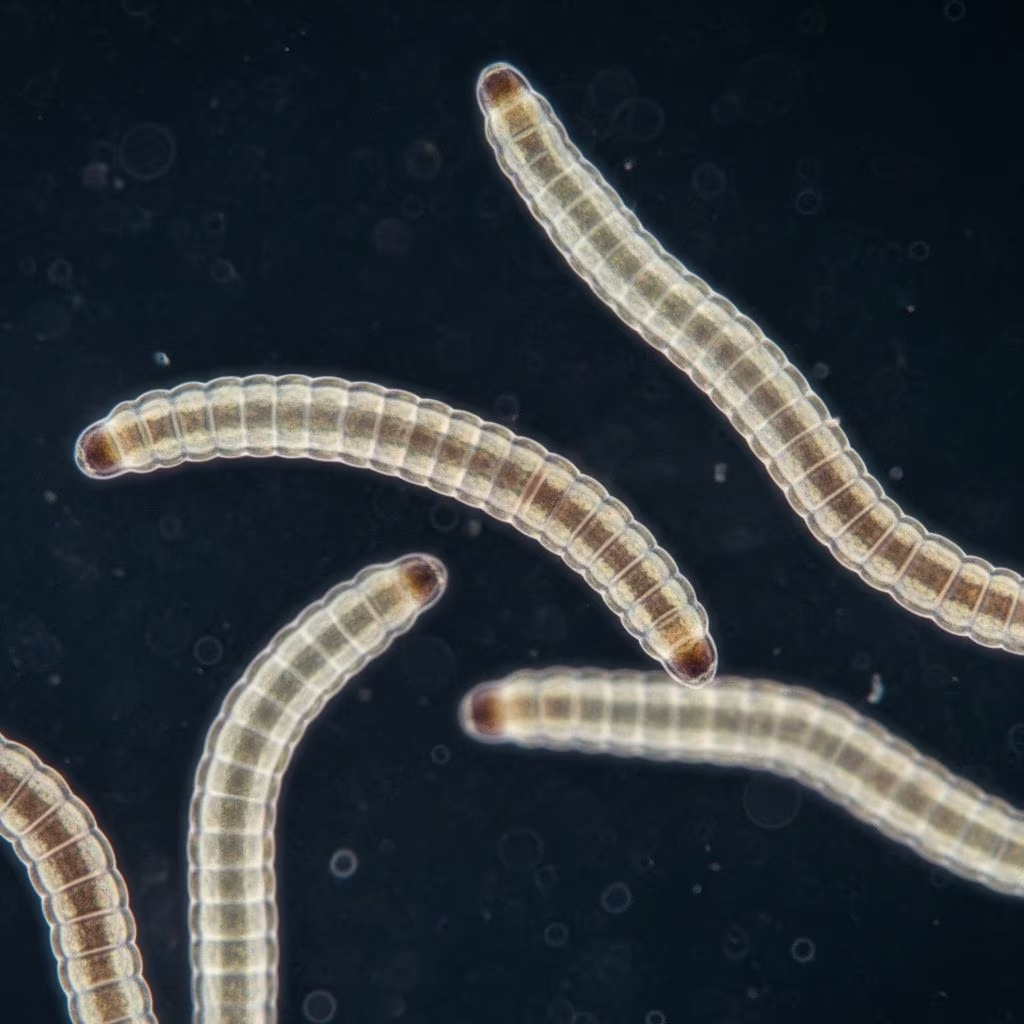
Roundworms (Toxocara canis and Toxocara leonina) are among the most common intestinal parasites affecting dogs, particularly puppies. These spaghetti-like nematodes can cause serious health issues if untreated, including malnutrition, intestinal blockages, and zoonotic transmission to humans. Early detection through symptoms like a potbellied appearance, vomiting, or visible worms in stool is crucial, with veterinary-prescribed dewormers providing effective treatment and monthly preventatives ensuring long-term control.
What Are Roundworms?
Roundworms are large, white or light brown worms, typically 3-5 inches long, resembling strands of spaghetti. They primarily inhabit the small intestine of dogs, where females can produce up to 200,000 eggs daily. These eggs are passed in feces and become infective in soil within 2-4 weeks, remaining viable for years. Two main species infect dogs: Toxocara canis, most common in puppies and associated with transplacental and transmammary transmission, and Toxocara leonina, affecting older dogs via fecal-oral route.
Puppies are especially vulnerable as larvae can migrate from the mother’s uterus or milk directly to them, bypassing environmental exposure. Adult dogs typically acquire infections by ingesting eggs from contaminated soil, prey, or feces.
Symptoms of Roundworms in Dogs
Many dogs, especially adults with low worm burdens, show no symptoms. However, heavy infestations, common in puppies, lead to noticeable signs. Key symptoms include:
- Potbellied appearance: Puppies often develop a swollen abdomen due to worm masses causing bloating and fluid accumulation.
- Vomiting: Frequent vomiting, sometimes containing live worms or segments, from gastrointestinal irritation.
- Diarrhea: Loose, watery stools possibly with mucus, blood, or worms, disrupting nutrient absorption.
- Weight loss and poor growth: Malnutrition despite normal eating, leading to failure to thrive in puppies.
- Dull coat and lethargy: Nutrient theft by worms causes poor coat quality and weakness.
- Coughing or pneumonia: Larvae migrating through lungs provoke respiratory symptoms.
- Visible worms: In stool, vomit, or around anus.
Severe cases in puppies can cause intestinal blockages, abdominal pain, or seizures. Adult dogs may only exhibit mild soft stools.
How Do Dogs Get Roundworms?
Dogs contract roundworms through several routes:
- Prenatal transmission: Larvae cross the placenta to puppies in utero, primary for Toxocara canis.
- Lactogenic transmission: Puppies ingest larvae via infected mother’s milk.
- Fecal-oral ingestion: Eating eggs from contaminated soil, food, water, or grooming.
- Paratenic hosts: Consuming infected rodents, birds, or earthworms harboring larvae.
Eggs shed in feces embryonate in warm, moist soil and remain infectious for months to years, explaining high prevalence in kennels, parks, and yards.
Diagnosis of Roundworms in Dogs
Veterinarians diagnose via fecal flotation microscopy, detecting characteristic roundworm eggs. Multiple samples may be needed as shedding is intermittent. Direct smear or centrifugation enhances detection. In heavy infections, adult worms may be visible in stool or vomit. Blood tests or imaging are rare but used for complications like migration. Puppies often receive presumptive deworming without testing due to high risk. Follow-up fecal exams confirm treatment success.
Treatment for Roundworms in Dogs
Treatment is straightforward with FDA-approved anthelmintics killing adult worms; repeat doses target emerging larvae. Common medications include:
| Medication | Dosage/Regimen | Notes |
|---|---|---|
| Fenbendazole (Panacur, Safe-Guard) | 50 mg/kg daily for 3 days or 100 mg/kg once | Effective against adults and larvae; safe for puppies/pregnant dogs. |
| Pyrantel pamoate (Nemex, Virbantel) | 20 mg/kg, repeat in 2-3 weeks | Targets adults; oral liquid/paste. |
| Milbemycin oxime (Interceptor) | Monthly heartworm preventative dose | Controls roundworms ongoing. |
| Moxidectin, Piperazine | Vet-prescribed | Specific protocols. |
Administer orally as tablets, chewables, pastes, or liquids based on dog size. Multiple treatments (2-3 doses, 10-14 days apart) ensure clearance. Severe cases may require hospitalization, fluids, probiotics (e.g., FortiFlora), or surgery for blockages. Clean environment thoroughly to prevent reinfection.
Recovery and Management
Mild infections resolve in weeks with deworming; severe ones take longer with supportive care. Monitor via follow-up fecals 7-14 days post-treatment. Puppies recover fully with nutrition; adults quickly regain condition. Ongoing monthly preventatives (e.g., Heartgard Plus, Simparica Trio) control reinfection.
Prevention of Roundworms in Dogs
Prevent via:
- Routine deworming: Puppies from 2 weeks, every 2 weeks to 8 weeks, then monthly. Pregnant dogs at 40 days and during lactation.
- Monthly preventatives: Heartworm products covering roundworms.
- Hygiene: Prompt feces removal, discourage scavenging, regular grooming.
- Fecal screening: 2-4x/year puppies, 1-2x adults.
Roundworms in Dogs and Humans (Zoonosis)
Roundworms are zoonotic; humans, especially children, risk visceral/ocular larval migrans from ingesting Toxocara eggs. Prevent by hygiene, feces disposal, and deworming dogs.
FAQs
Can humans get roundworms from dogs?
Yes, via fecal-oral contact with infective eggs, causing toxocariasis.
How often should puppies be dewormed?
Every 2 weeks from 2-8 weeks, then monthly.
Are roundworms visible in dog poop?
Yes, as small white segments or spaghetti-like worms.
Is roundworm infection fatal in dogs?
Rarely, but blockages or pneumonia can be in untreated puppies.
Do heartworm preventatives treat roundworms?
Many do, like those with milbemycin or moxidectin.
References
- Understanding Dog Roundworm Infections: Expert Insights — Reed Animal Hospital. 2023. https://www.reedanimalhospital.com/blog/roundworms-in-dogs/
- Roundworms in Dogs: What They Are and What To Do If You Find Worms in Your Dog’s Poop — PetMD. 2024. https://www.petmd.com/dog/conditions/digestive/roundworms-in-dogs
- Roundworms in Dogs: Symptoms, Treatment, and Prevention — American Kennel Club (AKC). 2024. https://www.akc.org/expert-advice/health/roundworms-in-dogs-symptoms-treatment-and-prevention/
- Roundworms in Dogs — Small Door Veterinary. 2024. https://www.smalldoorvet.com/learning-center/medical/roundworms-in-dogs
- Roundworms in Dogs – Symptoms, Causes, Treatments — WebMD. 2024. https://www.webmd.com/pets/dogs/roundworms-dogs
- Roundworms — Cornell University College of Veterinary Medicine. 2024. https://www.vet.cornell.edu/departments-centers-and-institutes/riney-canine-health-center/canine-health-topics/roundworms
- Roundworm Infection in Dogs — VCA Animal Hospitals. 2024. https://vcahospitals.com/know-your-pet/roundworm-infection-in-dogs



