

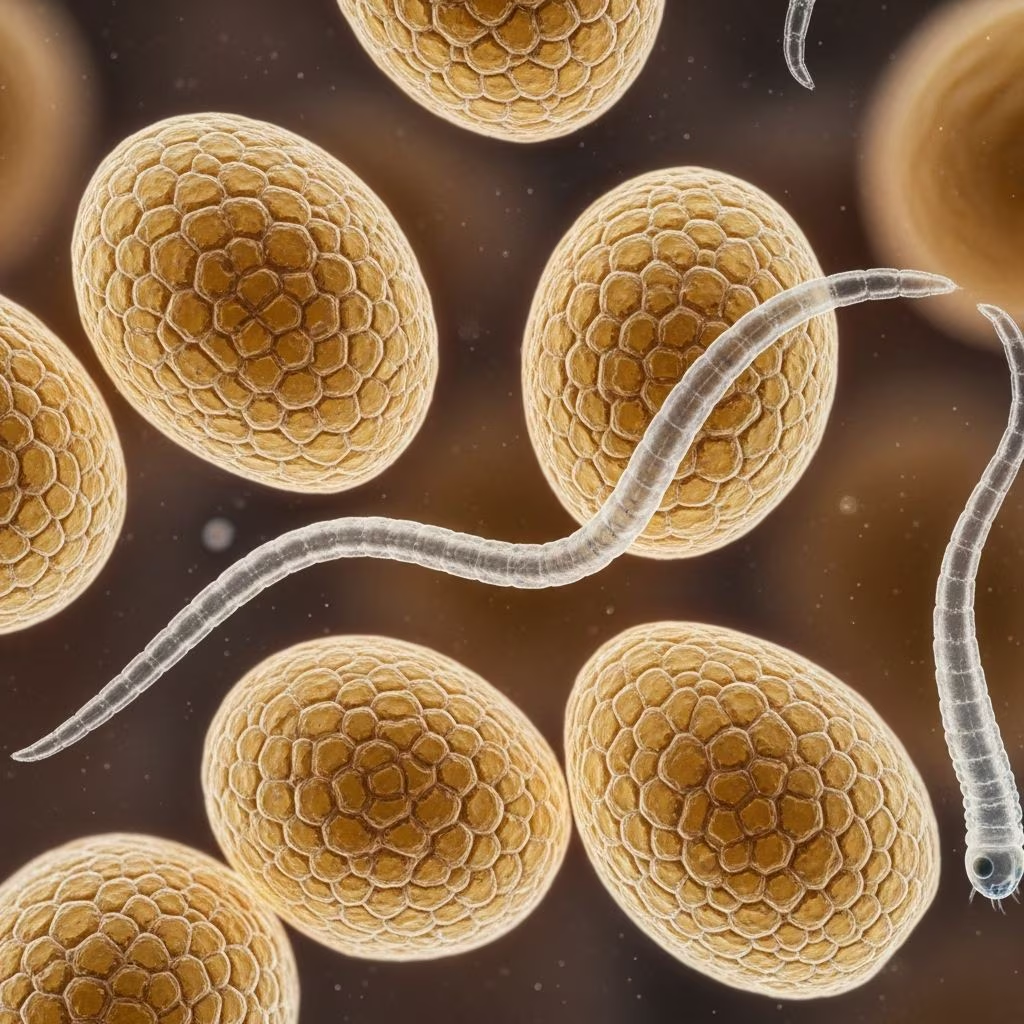
Roundworms represent one of the most prevalent parasitic infections affecting companion animals worldwide. These intestinal parasites, scientifically known as ascarids or nematodes, pose significant health risks not only to dogs and cats but also to human family members. Understanding the biology, transmission, clinical presentation, and management of roundworm infections is essential for responsible pet ownership and public health protection.
What Are Roundworms and Their Basic Characteristics
Roundworms are long, cylindrical worms that inhabit the small intestines of infected animals. Adult worms measure approximately four to six inches in length and possess a distinctive appearance similar to strands of cooked spaghetti or pasta. These parasites belong primarily to the Toxocara species, which represent the most common roundworm type affecting domestic pets. Unlike flatworms, roundworms maintain a round cross-sectional shape, a characteristic that distinguishes them morphologically from other intestinal parasites such as tapeworms.
The life cycle of roundworms involves distinct stages of development. Female worms produce microscopic eggs that are shed into the host animal’s intestinal tract and subsequently passed through feces. These eggs become infective to other animals within two to four weeks after being released into the environment. The remarkable resilience of roundworm eggs allows them to survive in soil, contaminated surfaces, and outdoor environments for extended periods, sometimes persisting for up to ten years.
Routes of Transmission and Infection in Companion Animals
Roundworm transmission occurs through multiple pathways, making prevention challenging even for conscientious pet owners. Understanding these transmission routes enables better implementation of protective measures:
- Maternal Transmission: Puppies and kittens frequently acquire roundworm infections from their mothers through two mechanisms. Intrauterine transmission occurs when larvae migrate across the placental barrier during pregnancy, while postnatal transmission happens through infected milk during nursing. This maternal route represents the most common infection pathway and explains why roundworms are particularly prevalent in young animals.
- Fecal-Oral Contamination: Dogs and cats become infected by ingesting roundworm eggs present in contaminated soil, feces, or objects that have contacted infected fecal material. Young children face elevated risk from this transmission route due to their tendency to place contaminated objects or soil in their mouths.
- Intermediate Host Consumption: Pets that consume infected rodents, rabbits, earthworms, insects, or birds can acquire roundworm infections. This paratenic host transmission allows roundworms to spread through the food chain, even affecting indoor-only pets through contaminated insects like flies or crickets.
- Environmental Contamination: Roundworm eggs can attach to pet fur during grooming or play in contaminated areas. Subsequent self-grooming allows pets to ingest these eggs. Additionally, potting soil used for houseplants harbors roundworm eggs in approximately 15% of commercial products, presenting an unexpected indoor transmission source.
- Household Contamination: Roundworm eggs can be inadvertently transported indoors on human clothing, shoe soles, and other objects, creating environmental hazards even for strictly indoor pets.
Clinical Manifestations and Health Impacts
The clinical presentation of roundworm infection varies considerably depending on the parasite burden, the animal’s age, nutritional status, and immune function. Young puppies and kittens exhibit more pronounced clinical signs compared to adult animals, who may remain asymptomatic despite harboring infections.
Common Clinical Symptoms:
- Gastrointestinal disturbances including diarrhea and vomiting
- Abdominal distension creating a characteristic pot-bellied appearance
- Poor coat quality and lack of luster
- Progressive weight loss despite adequate food consumption
- Stunted growth and developmental delays in young animals
- Coughing, which occurs when larvae migrate through the respiratory tract
Most roundworm infections remain mild, with parasites residing in the intestinal lumen and extracting nutrients from the host. However, severe infestations can precipitate serious complications. Heavy parasite burdens may cause intestinal blockages, potentially leading to life-threatening emergencies requiring surgical intervention. Additionally, roundworm larvae can migrate through intestinal tissue walls, encyst in muscle tissue, liver, and other organs, causing systemic inflammation and organ dysfunction.
Diagnostic Approaches for Roundworm Detection
Accurate diagnosis of roundworm infections depends on laboratory examination and clinical observation. Pet owners frequently do not observe adult worms in their animal’s stool under normal circumstances, necessitating professional veterinary diagnostics.
Primary Diagnostic Methods:
Fecal microscopy remains the gold standard for roundworm diagnosis. Veterinarians examine fresh stool samples using microscopic magnification to identify characteristic roundworm eggs. Fresh samples collected the day of the veterinary visit provide optimal diagnostic accuracy, as eggs may deteriorate in older samples.
Antigen testing offers an alternative diagnostic approach, particularly valuable when pets have low egg shedding or when additional confirmation is desired. This specialized test detects specific roundworm antigens in stool samples, providing increased sensitivity compared to microscopy alone.
Direct visualization of adult worms in stool or vomit provides definitive diagnosis, though this observation occurs less frequently than egg detection through microscopic examination.
Treatment Protocols and Medication Options
Roundworm treatment employs deworming medications that eliminate adult parasites from the intestinal tract. Multiple pharmaceutical options exist, each with distinct mechanisms of action and efficacy profiles.
Primary Deworming Medications: Pyrantel and fenbendazole represent first-line deworming agents commonly prescribed by veterinarians. These medications target adult roundworms, causing paralysis and subsequent expulsion through fecal elimination.
Monthly Preventive Alternatives: Monthly heartworm prevention products containing milbemycin or ivermectin combined with pyrantel provide dual protection against both heartworm disease and roundworm infection. These preventive products offer convenient ongoing protection when administered consistently.
Treatment Protocols: Standard roundworm treatment often requires repeat administration approximately two weeks after initial dosing to ensure complete parasite elimination, as medications typically target adult worms but not developing larvae.
Puppy Deworming Schedules: Veterinarians recommend specific deworming protocols for puppies beginning at two weeks of age. Treatment continues every two weeks until approximately eight weeks of age, then transitions to monthly administration. This intensive early schedule addresses the high prevalence of maternal transmission in young animals.
Pregnant and Nursing Animals: Pregnant dogs warrant treatment during late pregnancy, approximately 40 days after conception, to reduce the likelihood of transmitting parasites to offspring. Nursing mothers should receive deworming at intervals synchronized with their puppies’ treatment schedule.
Prevention Strategies for Long-Term Parasite Control
Effective roundworm prevention integrates multiple management approaches, protecting both pets and human family members from infection.
Environmental Management: Prompt removal and proper disposal of feces prevents egg accumulation in yards, playgrounds, and other areas where people and animals may contact contaminated soil. Regular environmental sanitation significantly reduces roundworm transmission risk.
Ongoing Deworming Programs: Maintaining pets on monthly deworming or parasite prevention medications ensures continuous protection against newly acquired infections. This consistent approach proves particularly important for outdoor-access animals with higher exposure risk.
Dietary and Behavioral Controls: Preventing pets from hunting or consuming rodents and other potential intermediate hosts reduces infection risk. Supervising outdoor activities and restricting access to areas with known contamination provides additional protective benefit.
Personal Hygiene Measures: Rigorous hand hygiene following outdoor activities and pet contact prevents accidental ingestion of roundworm eggs. Teaching children to wash hands before eating and avoiding soil consumption significantly reduces human infection risk.
Environmental Restriction: Limiting children’s play in areas where pets or wildlife defecate protects against accidental roundworm egg ingestion. This precaution proves especially important in public parks and open spaces where multiple animals may deposit feces.
Health Risks to Human Family Members
Roundworm infections transmit to humans through accidental ingestion of infective eggs, creating significant public health concerns. CDC surveillance data indicates approximately 10,000 documented cases annually in the United States, with an estimated 1.4 billion cases occurring worldwide.
Earlier epidemiologic studies reported that nearly 14% of Americans carry Toxocara antibodies, indicating previous or current infection. Most infected individuals remain asymptomatic throughout infection, though some develop respiratory symptoms, gastrointestinal disturbances, or liver involvement when larvae migrate through these tissues.
Ocular larval migrans represents the most serious human complication, occurring when roundworm larvae migrate into eye tissue. This condition can cause permanent blindness, particularly in children, and represents one of the preventable causes of childhood vision loss.
Prognosis and Recovery Following Treatment
The prognosis for roundworm-infected animals depends significantly on infection severity, the animal’s age, and treatment timing. Most dogs and cats recover completely following appropriate deworming therapy. However, young puppies with severe infestations face higher risks from nutritional depletion and stunted growth.
Animals that develop intestinal obstruction from massive parasite burdens require aggressive medical or surgical intervention, substantially complicating their clinical course and prognosis. Early detection and treatment prevent such serious complications.
Frequently Asked Questions About Roundworms
Q: Can indoor-only pets contract roundworms?
A: Yes, indoor pets can acquire roundworm infections through multiple mechanisms, including contaminated insects, potting soil, shoes tracking in infected soil, and environmental dust carrying eggs.
Q: How long does roundworm treatment take?
A: Initial deworming typically eliminates adult parasites within hours to days, but repeat treatment after two weeks ensures larval forms are also eliminated.
Q: Is it safe to use monthly heartworm prevention for roundworm control?
A: Yes, many monthly heartworm preventatives contain ingredients effective against roundworms and can serve as ongoing parasite prevention when used consistently.
Q: What should I do if I find worms in my pet’s stool?
A: Contact your veterinarian immediately for proper identification and treatment prescription. Collect a fresh stool sample for diagnostic examination.
Summary and Key Takeaways
Roundworms represent a common yet preventable parasitic threat affecting dogs, cats, and humans. Multiple transmission routes, maternal infection patterns, and environmental persistence of eggs make complete prevention challenging. However, consistent implementation of deworming programs, environmental hygiene, behavioral modifications, and monthly preventive medications substantially reduce infection risk in both animals and human family members. Regular veterinary care, including fecal screening and appropriate deworming protocols, remains essential for protecting pet health and preventing public health complications associated with this widespread parasite.
References
- Roundworms — Ashley Valley Veterinary Clinic. https://ashleyvalleyvet.com/articles/415908-roundworms
- Roundworms — Cornell University College of Veterinary Medicine. https://www.vet.cornell.edu/departments-centers-and-institutes/riney-canine-health-center/canine-health-topics/roundworms
- Roundworms in Dogs and Cats — Patton Veterinary Hospital. https://pattonvethospital.com/blog/806878-roundworms-in-dogs-and-cats
- About Toxocariasis — Centers for Disease Control and Prevention. https://www.cdc.gov/toxocariasis/about/index.html
- Intestinal parasites in cats and dogs — American Veterinary Medical Association. https://www.avma.org/resources-tools/pet-owners/petcare/intestinal-parasites-cats-and-dogs



