

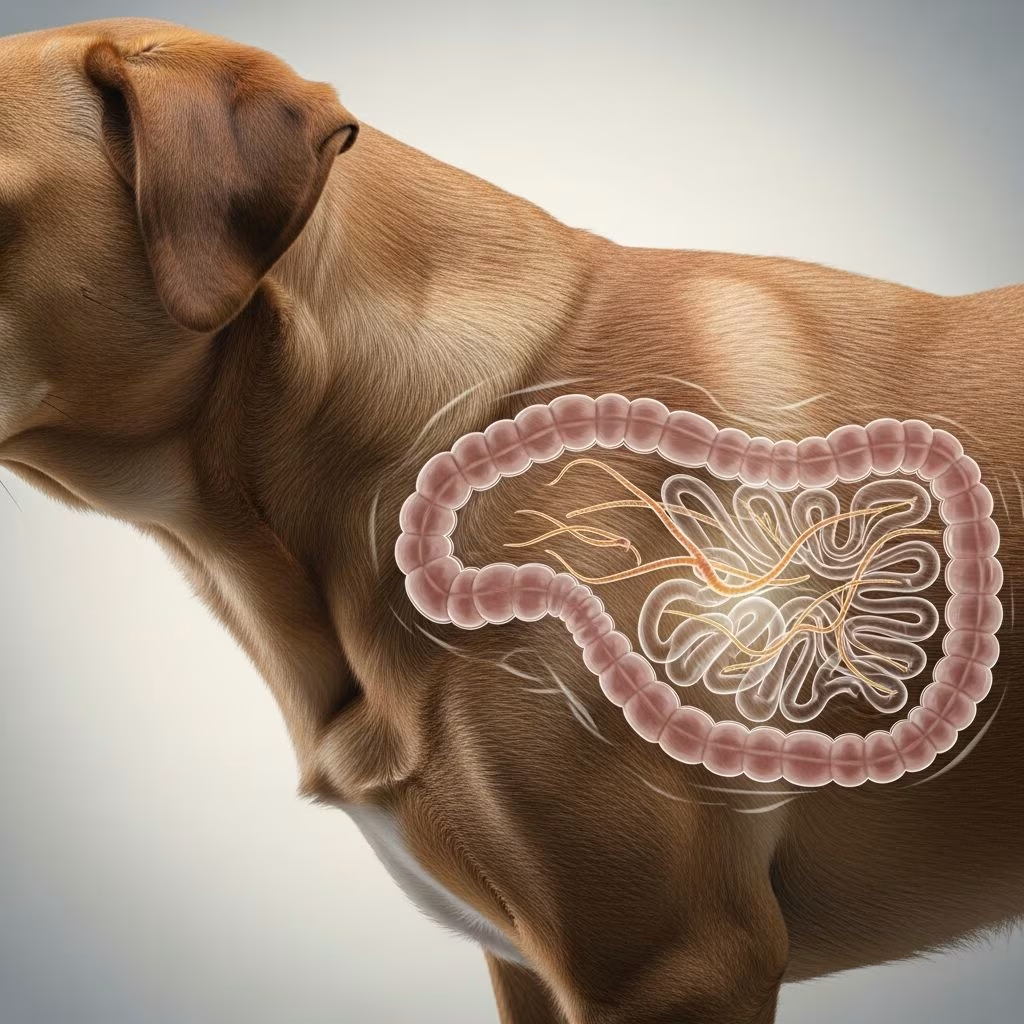
Roundworm Infection in Dogs
Roundworms are among the most common intestinal parasites affecting dogs, particularly puppies and young animals. These parasitic infections can range from asymptomatic to life-threatening, depending on the severity of infection and the age and health status of the affected dog. Understanding roundworm infections is essential for dog owners to ensure proper prevention, early detection, and timely treatment of their pets.
What Are Roundworms?
Roundworms are parasitic nematodes that inhabit the small intestines of dogs and other animals. These worms can grow to several inches in length and resemble strands of cooked spaghetti. Adult roundworms feed on partially digested food in the intestinal tract, which can lead to nutritional deficiencies in infected dogs. Roundworm infections are particularly concerning because they can affect dogs of all ages, though puppies are more vulnerable to severe complications.
Transmission and Risk Factors
Dogs can contract roundworms through several transmission routes. Puppies may be infected in utero through the placenta or through nursing from an infected mother. Adult dogs can become infected by ingesting roundworm eggs from contaminated soil, water, or feces. The eggs can survive in the environment for extended periods, making outdoor areas and parks potential sources of infection. Additionally, eating infected prey animals, such as rodents, can transmit roundworms to dogs.
Certain risk factors increase the likelihood of roundworm infection. Young puppies have immature immune systems, making them more susceptible to infection. Dogs with poor nutrition or concurrent illnesses are at higher risk. Outdoor dogs with access to contaminated areas face greater exposure to roundworm eggs. Senior dogs and those with compromised immune systems are also vulnerable to more severe infections.
Clinical Signs of Roundworm Infection
The symptoms of roundworm infection vary depending on the parasite load and the dog’s age and health status. Adult dogs may show no signs of infection while still shedding roundworm eggs into the environment. However, when symptoms appear, they can include:
- Soft stool or diarrhea, sometimes containing visible roundworms
- Vomiting, occasionally with visible worms
- Pot-bellied or distended abdomen appearance
- Dull, unhealthy-looking coat
- Poor growth and failure to thrive in puppies
- Depressed appetite or reduced food intake
- Abdominal discomfort or pain
- Coughing or respiratory difficulties if larvae migrate to the lungs
- In rare cases, seizures may occur
In puppies, large numbers of roundworms can cause life-threatening conditions. Heavy infections may lead to intestinal blockages, malnutrition, and failure to develop properly. Some puppies with severe roundworm infections can develop pneumonia from larvae migration to the lungs, which can be fatal if left untreated. This underscores the importance of early detection and treatment in young animals.
Diagnosis of Roundworm Infection
Veterinarians diagnose roundworm infections through fecal examination. A fresh stool sample is examined under a microscope to identify roundworm eggs. Sometimes, visible adult worms may be noticed in the dog’s stool or vomit before formal diagnosis. Repeat fecal testing may be necessary to confirm diagnosis, as not all samples will contain detectable eggs. A definitive diagnosis is essential for preventing transmission to humans and ensuring appropriate treatment.
Treatment of Roundworm Infection
The good news is that roundworm infections are highly treatable and curable. Treatment is straightforward and effective when administered under veterinary supervision. Veterinarians prescribe various deworming medications that safely eliminate roundworms from the intestinal tract.
Deworming Medications
Several safe and effective medications are available to treat roundworms in dogs: Common deworming drugs include:
- Fenbendazole — A broad-spectrum anthelmintic that kills adult and some larval stages
- Pyrantel — An effective medication against adult roundworms
- Milbemycin — Kills adult worms and helps prevent future infections
- Moxidectin — A macrocyclic lactone effective against multiple parasite types
- Piperazine — An older but still effective treatment option
Additionally, many heartworm preventatives contain ingredients that also treat and prevent roundworms, making them dual-purpose medications. Examples include Heartgard Plus, Interceptor Plus, Simparica Trio, Nexgard Spectra, and Advantage Multi. These monthly preventatives help prevent future roundworm infections while protecting against heartworms.
Treatment Protocol
Because some deworming medications only kill adult worms and do not affect migrating or encysting larvae, multiple treatments are necessary to completely eliminate infection. Typically, dogs receive an initial dose followed by a second dose 10-14 days later to target any newly matured worms that were in larval stages during the first treatment. Some cases may require a third treatment to ensure complete eradication.
Follow-up fecal examinations should be performed 7-14 days after the final treatment to confirm that the infection has been completely resolved. This is essential to verify treatment efficacy and ensure no remaining parasites shed eggs into the environment.
Recovery and Management
Dogs with mild roundworm infections typically recover within a few weeks once treatment begins. However, the recovery timeline depends on the severity of infection and the dog’s overall health status.
Supportive Care
For dogs with more severe infections or those experiencing significant symptoms, veterinarians may recommend additional supportive measures:
- Specialized veterinary diets formulated for gastrointestinal health
- Gastrointestinal probiotics to restore healthy gut flora
- Hospitalization and intravenous fluids for severe cases
- Nutritional supplementation to address deficiencies from parasitism
In rare cases where large numbers of worms cause intestinal blockage, emergency surgical intervention may be necessary to remove the obstruction and prevent fatal complications.
Prevention of Roundworm Infection
Preventing roundworm infection is more effective than treating it after infection occurs. Routine deworming of puppies is the most important prevention strategy. Puppies should receive dewormer starting at two weeks of age, repeated every two weeks until approximately eight weeks of age, and then continued monthly until six months of age.
Adult dogs should receive regular fecal examinations to detect parasites early. Depending on lifestyle and risk factors, adult dogs should have fecal exams at least one to two times annually. Using monthly heartworm and intestinal parasite preventatives provides year-round protection against roundworms and other parasites.
Environmental Management
Proper sanitation practices significantly reduce the risk of roundworm transmission. Pet owners should promptly pick up and dispose of dog feces from yards, parks, and other outdoor areas. This prevents environmental contamination with roundworm eggs that remain viable for extended periods. Children should be kept from playing in areas known to be contaminated with dog feces, and frequent hand washing is recommended, especially after outdoor play where dogs may have been present.
Public Health Considerations
Roundworm infections in dogs pose a potential zoonotic risk to humans, particularly young children. Accidental ingestion of roundworm eggs can occur through contaminated hands, soil, or objects. Therefore, it is recommended that all dogs receive appropriate roundworm treatment and preventative medications. Maintaining good hygiene practices and promptly removing dog feces from public areas helps protect both animal and human health.
Frequently Asked Questions
Q: Can adult dogs show no symptoms of roundworm infection?
A: Yes, adult dogs may have no clinical signs of roundworms or only mild symptoms such as soft stool and vomiting, while still actively shedding roundworm eggs into the environment. This is why regular fecal examinations are important.
Q: Are roundworms in dogs curable?
A: Yes, roundworms are completely curable with appropriate deworming medications prescribed by a veterinarian. Treatment is simple, effective, and safe when administered according to your vet’s directions.
Q: How many treatments are needed to cure roundworms?
A: Most cases require at least two to three treatments administered 10-14 days apart to eliminate all stages of the parasite. Follow-up fecal testing confirms complete eradication.
Q: Can puppies die from roundworm infections?
A: Yes, heavy roundworm infections in young puppies can be life-threatening, potentially causing intestinal blockages, malnutrition, pneumonia, or other serious complications if left untreated.
Q: What preventative medications treat roundworms?
A: Many monthly heartworm preventatives also provide roundworm protection, including Heartgard Plus, Interceptor Plus, Simparica Trio, Nexgard Spectra, and Advantage Multi. Consult your veterinarian about which option is best for your dog.
Q: How often should dogs be tested for roundworms?
A: Puppies should have fecal exams two to four times per year, while adult dogs should be tested one to two times annually, depending on their lifestyle and risk factors.
Q: Can I get roundworms from my dog?
A: Yes, roundworm eggs can pose a zoonotic risk to humans, particularly young children. Practicing good hygiene, promptly disposing of dog feces, and ensuring your dog receives appropriate treatment and prevention significantly reduce this risk.
Q: What should I do if I see worms in my dog’s stool?
A: Contact your veterinarian immediately. Bring a fresh stool sample for examination. Your vet will confirm diagnosis and prescribe appropriate deworming treatment.
References
- Roundworm Infection in Dogs — VCA Animal Hospitals. 2025. https://vcahospitals.com/know-your-pet/roundworm-infection-in-dogs
- Roundworms in Dogs: Symptoms, Treatment, and Prevention — American Kennel Club. 2024. https://www.akc.org/expert-advice/health/roundworms-in-dogs-symptoms-treatment-and-prevention/
- Roundworms — Cornell University College of Veterinary Medicine. 2024. https://www.vet.cornell.edu/departments-centers-and-institutes/riney-canine-health-center/canine-health-topics/roundworms
- Roundworms in Small Animals – Digestive System — MSD Veterinary Manual. 2024. https://www.msdvetmanual.com/digestive-system/gastrointestinal-parasites-of-small-animals/roundworms-in-small-animals
- What They Are and What To Do If You Find Worms in Your Dog’s Poop — PetMD. 2024. https://www.petmd.com/dog/conditions/digestive/roundworms-in-dogs
- Roundworms in Dogs | Small Door Veterinary — Small Door Veterinary. 2024. https://www.smalldoorvet.com/learning-center/medical/roundworms-in-dogs



