

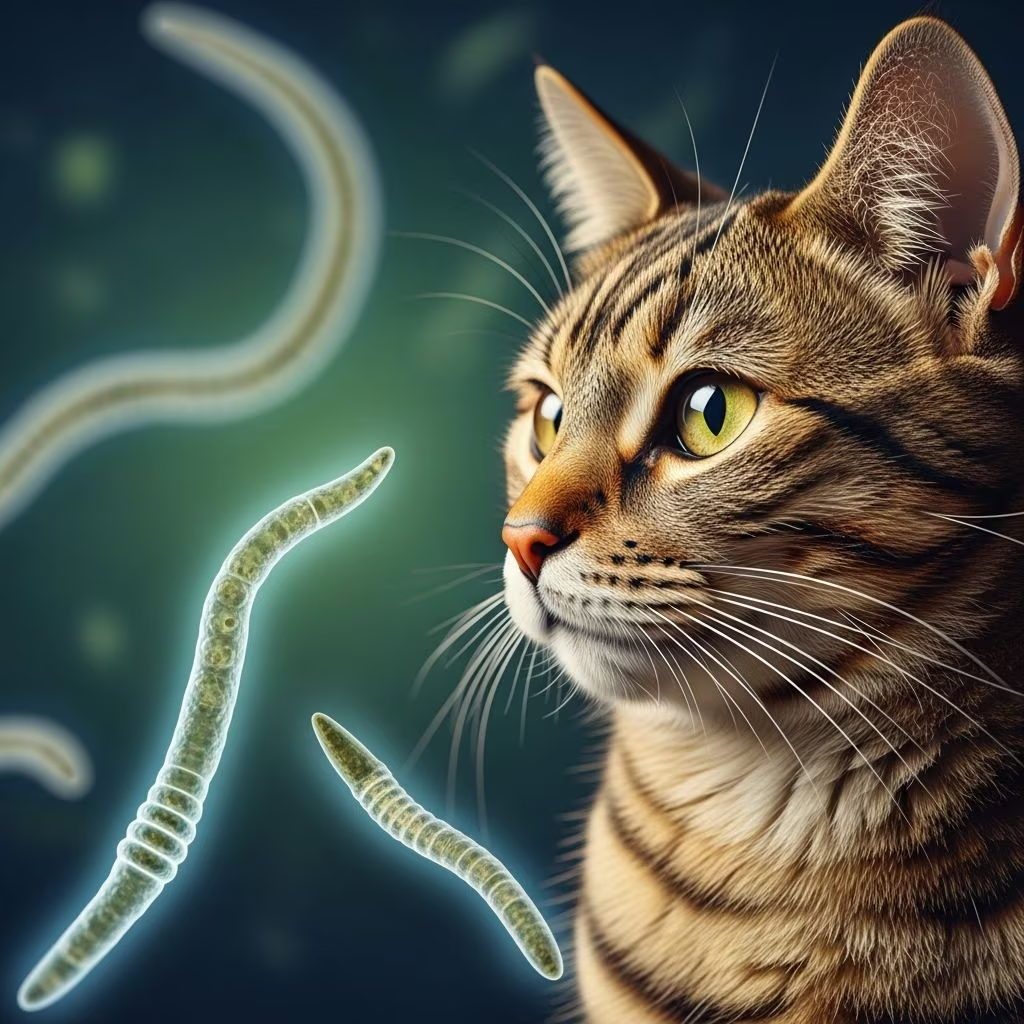
Understanding Roundworm Infection in Cats
Roundworms are common parasitic infections that affect cats of all ages, though they are particularly prevalent in kittens. These intestinal parasites, scientifically known as Toxascaris leonina and Toxoplasma cati, can cause various health problems ranging from mild gastrointestinal upset to life-threatening complications in young or debilitated cats. Understanding how roundworms infect cats, recognizing the clinical signs, and knowing the available treatment options are essential for maintaining your cat’s health and wellbeing.
What Are Roundworms?
Roundworms are long, cream-colored parasitic worms that resemble spaghetti and can grow up to 10 centimeters in length. They live in the small intestine of infected cats and feed on partially digested food and blood, depriving your cat of essential nutrients. Adult cats may harbor these parasites without showing obvious symptoms, while kittens and immunocompromised cats can develop severe health complications.
How Do Cats Get Roundworms?
Cats can contract roundworms through multiple transmission routes. The most common method involves ingesting roundworm eggs from contaminated environments, particularly from soil, feces, or surfaces where infected cats have eliminated waste. Kittens can also acquire roundworms through their mother’s milk during nursing, making prenatal and perinatal treatment critical for pregnant and nursing queens.
Risk Factors for Roundworm Infection
Several factors increase the likelihood of roundworm infection in cats:
– Exposure to contaminated soil or feces- Contact with intermediate hosts such as roaches, earthworms, and birds- Living in heavily contaminated environments- Maternal transmission from infected nursing queens- Hunting or roaming outdoors without supervision- Poor sanitation or infrequent litter box cleaning
Clinical Signs of Roundworm Infection
The symptoms of roundworm infection vary depending on the number of parasites present and the age of the cat. Adult cats may experience no symptoms or only mild clinical signs, making detection challenging without veterinary examination. However, kittens and older or debilitated cats are more susceptible to severe complications from roundworm infections.
Symptoms in Adult Cats
Adult cats with roundworm infections may display subtle signs including mild coughing, soft stools, and vomiting. Many infected adult cats show no obvious clinical signs at all, yet can still serve as a source of infection to other animals and the environment. If you notice any of these symptoms persisting for more than a few days, consult your veterinarian.
Symptoms in Kittens
Kittens are particularly vulnerable to roundworm infections and typically display more pronounced symptoms:
– Pot-bellied appearance due to abdominal distension- Abdominal discomfort and pain- Depressed appetite and loss of interest in food- Dull, rough coat appearance- Vomiting and diarrhea- Poor growth and failure to thrive- Coughing (in cases with larval migration)- Visible worms in stool or vomit- Seizures (rare but severe cases)
Despite these potential symptoms, kittens with small numbers of roundworms may show no obvious clinical signs of infection. Regular veterinary checkups and fecal examinations are essential for early detection and treatment.
Diagnosing Roundworm Infections
Veterinarians diagnose roundworm infections through fecal examinations, where stool samples are analyzed under a microscope to identify roundworm eggs. Additionally, visible roundworms may be seen in a cat’s vomit or stool, which can prompt immediate veterinary attention. Your veterinarian may recommend multiple fecal examinations to confirm the diagnosis and monitor treatment effectiveness.
Treatment for Roundworm Infections
The good news is that roundworm infections are highly treatable with safe and effective deworming medications. Treatment is simple, relatively inexpensive, and provides excellent outcomes when initiated promptly. However, the treatment protocol requires multiple doses administered at specific intervals to address all life stages of the parasite.
Deworming Medications
Multiple medications are available to eliminate adult roundworms from the intestine. The most commonly prescribed deworming agents include:
– Pyrantel (brand names: Nemex®, Strongid®)- Fenbendazole (brand name: Panacur®)- Emodepside– Ivermectin– Moxidectin– Milbemycin- Piperazine- Selamectin
Your veterinarian will select the most appropriate medication based on your cat’s age, health status, and specific circumstances.
Treatment Protocol and Frequency
Deworming medications work by killing adult roundworms and their larvae, but they do not eliminate migrating or encysting larvae. Therefore, at least two or three treatments are necessary, typically administered at two to three-week intervals. This multiple-dose approach ensures that newly matured worms are also eliminated as they develop during the extended treatment period.
After treatment, dead and dying roundworms pass into the stool. Your veterinarian may recommend fecal examinations 7-14 days after the final treatment to confirm that the infection has been completely eliminated.
Treatment for Kittens
Kittens require more frequent deworming than adult cats due to their high susceptibility to roundworm infections. The recommended protocol for kittens includes:
– Deworming every two weeks between ages 3 and 9 weeks- Monthly deworming from 9 weeks to 6 months of age- Ideally, deworming at each booster vaccine appointment
Combined Prevention and Treatment
Many modern flea and heartworm preventive medications also provide roundworm protection, offering comprehensive parasite control. These combination products include Revolution® Plus, Advantage® Multi, Profender®, Nexgard COMBO®, and Milbemax®. Your veterinarian will recommend the best prevention and treatment plan tailored to your cat’s lifestyle and risk factors.
Treatment for Nursing and Pregnant Cats
Pregnant and nursing queens should receive deworming treatment to prevent vertical transmission to their kittens. Treatment with a single dose of emodepside/praziquantel spot-on during the last week of pregnancy can significantly reduce perinatal transmission. Nursing cats should be treated simultaneously with their kittens to prevent reinfection.
Recovery and Prognosis
The prognosis for roundworm infection is excellent when appropriate medication is provided promptly. When roundworms are caught early and treated on schedule, cats typically recover within two to six weeks, depending on the severity of the infection and the cat’s overall health status. After successful treatment, cats can return to their normal lives without complications.
However, it is important to note that recovery from roundworm infection does not provide immunity. Cats can become reinfected if exposed to roundworm eggs or infected rodents again, making ongoing prevention and environmental management crucial.
Prevention of Roundworm Infections
Preventing roundworm infections is more effective and cost-efficient than treating infections after they occur. Several preventive measures can significantly reduce your cat’s risk of contracting roundworms:
Environmental Management
– Clean and replace litter boxes frequently- Wash litter boxes regularly with pet-safe disinfectant- Remove feces from outdoor areas where your cat has access- Maintain proper sanitation in your home and yard- Limit your cat’s roaming and hunting time outdoors- Reduce exposure to potential intermediate hosts like roaches and rodents
Preventive Medication
Monthly preventive treatments with medications containing roundworm-killing agents provide protection against infection. These can be administered orally or topically, depending on the medication and your cat’s preferences. Discuss with your veterinarian which preventive option best suits your cat’s lifestyle and health profile.
Regular Veterinary Care
Regular veterinary checkups, including routine fecal examinations, help detect roundworm infections early before they cause significant health problems. This is particularly important for kittens, outdoor cats, and cats with access to potentially contaminated environments.
Special Considerations for Different Cat Populations
Outdoor and Hunting Cats
Cats that spend time outdoors or hunt prey animals face increased risk of roundworm infection. These cats should receive year-round preventive treatment and more frequent fecal examinations to monitor for parasitic infections.
Multi-Cat Households
In homes with multiple cats, if one cat is diagnosed with roundworms, all cats in the household should be treated, as transmission can occur through shared litter boxes and contaminated environments.
Immune-Compromised Cats
Cats with weakened immune systems, including those with feline leukemia virus (FeLV) or feline immunodeficiency virus (FIV), are at higher risk for severe roundworm infections and may require more aggressive treatment and prevention protocols.
Frequently Asked Questions About Roundworms in Cats
Q: Can roundworms in cats be transmitted to humans?
A: While roundworm transmission to humans is rare, it is possible. Good hygiene practices, including washing hands after handling cats and cleaning litter boxes, minimize this risk significantly.
Q: How long does it take to treat roundworms in cats?
A: Cats typically recover within two to six weeks when treated on schedule with deworming medication. However, the complete treatment protocol may span several weeks due to the need for multiple doses at intervals.
Q: Are roundworm medications safe for kittens?
A: Yes, approved deworming medications are safe for kittens when administered at appropriate doses. Your veterinarian will prescribe medications suitable for your kitten’s age and weight.
Q: Can indoor cats get roundworms?
A: Yes, indoor cats can contract roundworms through exposure to contaminated soil on shoes and clothing, contact with infected prey, or vertical transmission from their mother during nursing.
Q: What should I do if I see roundworms in my cat’s stool?
A: Contact your veterinarian immediately. Bring a stool sample if possible. Your veterinarian will prescribe appropriate deworming treatment based on your cat’s specific situation.
Q: Is roundworm infection life-threatening?
A: For adult cats, roundworm infection is generally not life-threatening. However, large numbers of roundworms can cause serious complications in kittens, debilitated, and older cats.
When to Contact Your Veterinarian
Seek immediate veterinary attention if your cat exhibits any of the following:
– Visible roundworms in stool or vomit- Persistent vomiting or diarrhea- Abdominal pain or distension- Poor appetite or failure to thrive in kittens- Lethargy or depression- Dull or rough coat despite proper grooming- Respiratory symptoms such as coughing- Any signs of illness lasting more than a few days
Early detection and treatment provide the best outcomes for roundworm infections in cats of all ages.
References
- What to Know About Roundworms in Cats — WebMD Pet Health. 2024. https://www.webmd.com/pets/cats/what-to-know-about-roundworms-in-cats
- Roundworm Infection in Cats — VCA Animal Hospitals. 2024. https://vcahospitals.com/know-your-pet/roundworm-infection-in-cats
- Roundworm Infection in Cats — Bishop Ranch Veterinary Center. 2024. https://www.webvets.com/blog/roundworm-infection-in-cats-127.html
- Roundworms in Cats: Clinical Signs and Treatment Protocols — PetMD. 2024. https://www.petmd.com/cat/conditions/infectious-parasitic/roundworms-cats
- Roundworms in Small Animals: Digestive System — Merck Veterinary Manual. 2024. https://www.merckvetmanual.com/digestive-system/gastrointestinal-parasites-of-small-animals/roundworms-in-small-animals
- Roundworms in Cats: Symptoms and Treatment — Small Door Veterinary. 2024. https://www.smalldoorvet.com/learning-center/medical/roundworms-in-cats
- Roundworms in Cats: Symptoms and Treatment Guide — NexGard SPECTRA. 2024. https://nexgard.com.au/cat-parasites/worms/roundworms-in-cats



