

Understanding Roundworm Infection in Cats
Roundworms are one of the most common intestinal parasites affecting cats, particularly kittens. These parasites can cause significant health problems ranging from mild digestive issues to severe, life-threatening complications. Understanding roundworm infections is essential for cat owners who want to maintain their pet’s health and prevent transmission to other animals or humans in the household. Roundworms belong to the genus Toxocara and can severely impact a cat’s nutritional status and overall well-being.
What Are Roundworms?
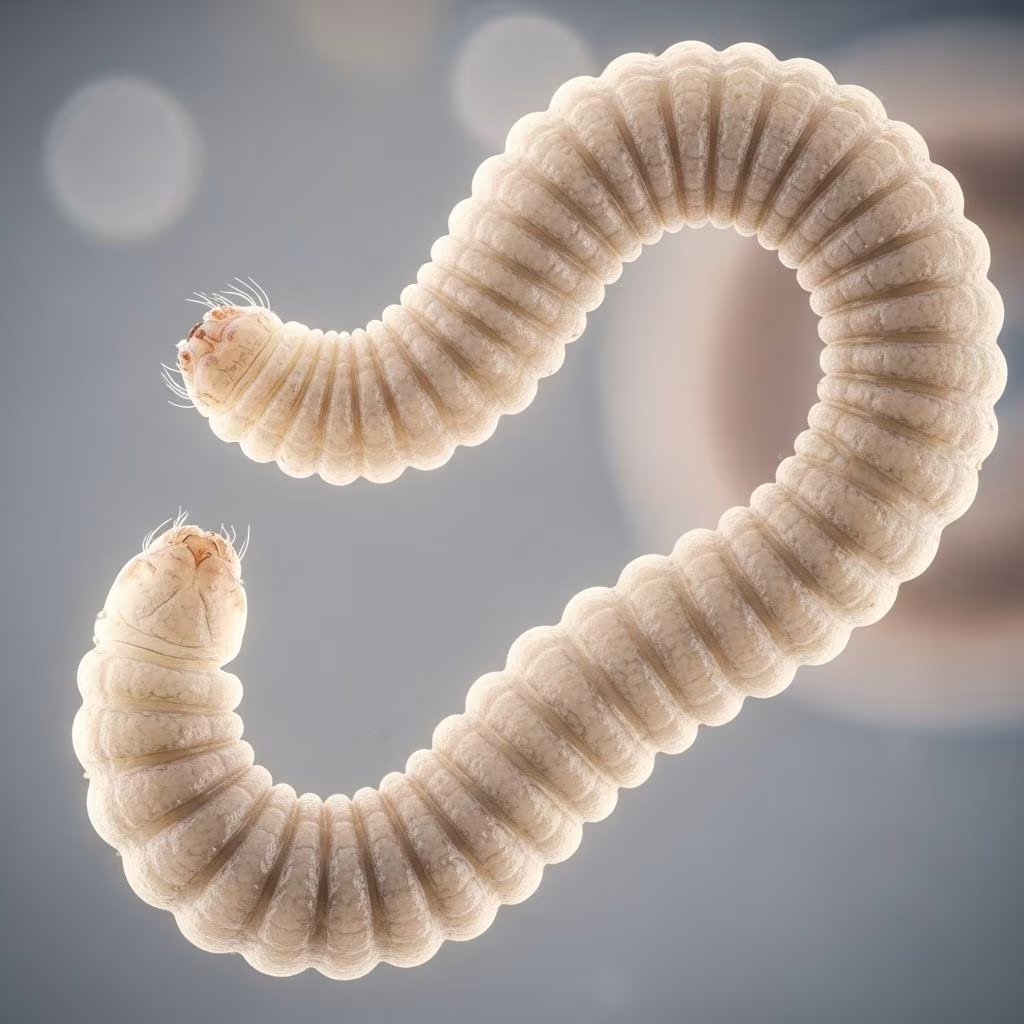
Roundworms are long, cylindrical parasites that inhabit the small intestines of cats. These cream-colored, spaghetti-like worms can grow up to 10 centimeters in length and are visible to the naked eye, particularly when found in a cat’s vomit or feces. Cats can become infected through multiple transmission routes, making roundworm infections a widespread concern in feline populations. The parasites feed on the intestinal contents and nutrients, depriving the infected cat of essential nutrition.
How Do Cats Get Roundworms?
Cats can acquire roundworm infections through several different pathways. The most common transmission routes include:
- Ingestion of contaminated soil or feces containing roundworm eggs
- Consumption of infected intermediate hosts such as rodents, earthworms, or beetles
- Nursing from infected mother cats through milk-borne transmission
- Direct ingestion of roundworm eggs from contaminated environments
- Consumption of raw or undercooked meat containing roundworm larvae
Kittens are particularly vulnerable to roundworm infections due to their developing immune systems and frequent contact with infected mothers or contaminated environments. The risk of infection increases significantly in outdoor cats or those with access to hunting opportunities.
Clinical Signs of Roundworm Infection
The presentation of roundworm infection varies considerably depending on the cat’s age, immune status, and parasite burden. Adult cats may display no noticeable symptoms or exhibit only mild clinical signs, while kittens and debilitated cats can suffer severe consequences from even moderate infections.
Signs in Adult Cats
Adult cats with roundworm infections often show minimal symptoms or remain asymptomatic, which makes prevention and regular screening particularly important. When symptoms do appear in adult cats, they typically include mild signs such as occasional coughing, soft or loose stools, and intermittent vomiting. However, cats harboring large numbers of roundworms may experience more pronounced gastrointestinal disturbances and nutritional deficiencies.
Signs in Kittens
Kittens infected with roundworms typically display more obvious clinical manifestations due to their smaller body size and developing immune systems. Common signs in infected kittens include a distinctive pot-bellied or distended abdomen, abdominal discomfort or pain, reduced appetite, dull or poor-quality coat, vomiting, diarrhea, poor growth and development, and in rare cases, seizures. Kittens with small numbers of roundworms may show no obvious clinical signs of infection, making regular veterinary examination and preventive treatment crucial. If you notice visible roundworms in your kitten or cat’s stool or vomit, contact your veterinarian immediately for appropriate treatment.
Diagnosis of Roundworm Infection
Diagnosing roundworm infections typically involves fecal examination, where a veterinarian microscopically analyzes a sample of your cat’s feces to identify roundworm eggs. Multiple fecal samples may be necessary, as eggs are not always present in every bowel movement. In some cases, adult roundworms may be visible in vomit or feces, providing obvious evidence of infection. Your veterinarian may also perform physical examinations and assess clinical signs to support a roundworm diagnosis. Regular fecal testing is particularly important for kittens and cats at high risk of infection.
Treatment for Roundworm Infection
Fortunately, roundworm infections are treatable with safe and effective medications. Treatment is straightforward and successful when followed correctly, though multiple doses are typically required to eliminate all parasites at various life stages.
Deworming Medications
Several highly effective deworming medications are available for treating roundworm infections in cats. These medications target and eliminate adult roundworms in the intestine. Common deworming options include:
- Pyrantel (Nemex®, Strongid®) – oral medication effective against adult roundworms
- Fenbendazole (Panacur®) – oral anthelmintic medication with broad-spectrum activity
- Emodepside – highly effective against multiple roundworm life stages
- Moxidectin – available in both oral and topical formulations
- Ivermectin – systemic antiparasitic medication
- Selamectin – topical treatment option
- Milbemycin – oral antiparasitic medication
Treatment Protocol
Because most deworming medications kill only adult roundworms and do not affect migrating or encysting larvae, multiple treatments are essential for complete parasite elimination. Typically, at least two to three treatments are needed, spaced at two to three-week intervals, to ensure all roundworms at different life stages are destroyed. Your veterinarian will determine the appropriate medication, dosage, and treatment schedule based on your cat’s age, weight, and overall health status.
Combined Prevention Products
Many modern flea and heartworm preventive products also provide protection against roundworms. These combination medications offer convenient year-round parasite control. Options include Revolution® Plus, Advantage® Multi, Profender®, Nexgard COMBO®, and Milbemax®. Using these products provides both treatment and prevention while reducing the need for multiple medications.
Kitten Treatment Schedule
Due to their high susceptibility to roundworm infection, kittens require a structured deworming protocol. Kittens should be treated every two weeks between ages three and nine weeks of age. After nine weeks of age, preventive treatment should be given monthly until the kitten reaches one year of age. Ideally, kittens are dewormed at each booster vaccine appointment, coordinating parasite treatment with routine immunizations. Nursing mother cats should be treated simultaneously with their kittens to prevent continued transmission through nursing and environmental exposure.
Recovery Timeline
When roundworm infections are caught early and treated on a proper schedule, most cats can recover completely in two to six weeks, depending on the severity of the infection and the cat’s overall health status. After the infection has cleared with successful treatment completion, cats can return to a completely normal life. However, cats can become reinfected if exposed to roundworm eggs or contaminated environments, making ongoing prevention and environmental management important components of long-term health maintenance.
Prevention and Control Strategies
Preventing roundworm infections is more effective and cost-efficient than treating established infections. Several practical strategies can significantly reduce your cat’s risk of roundworm infection and environmental contamination.
Environmental Management
Maintaining a clean environment is crucial for preventing roundworm transmission and reinfection. Key environmental control measures include:
- Cleaning the litter box frequently, ideally daily
- Limiting roaming and hunting time outside, where cats may encounter infected prey or contaminated soil
- Washing litter boxes regularly with pet-safe disinfectant to eliminate eggs
- Properly disposing of cat feces to prevent environmental contamination
- Keeping outdoor areas free of feces and potential intermediate hosts
- Maintaining indoor housing standards that minimize parasite exposure
Preventive Medication
Regular preventive medication is one of the most effective ways to protect cats from roundworm infections. Monthly preventive treatments, particularly those that combine multiple parasite protection, provide comprehensive defense against roundworms and other parasites. Treating pregnant queens with appropriate anthelmintics before and during pregnancy significantly reduces the risk of perinatal transmission to nursing kittens. A well-designed prevention program should include regular veterinary assessments and risk evaluations based on your individual cat’s lifestyle and environment.
Frequently Asked Questions
Q: Can humans get roundworms from cats?
A: While possible, transmission to humans is uncommon. Maintaining good hygiene practices such as washing hands after handling cats or cleaning litter boxes significantly reduces any risk of transmission.
Q: How often should I have my cat tested for roundworms?
A: Kittens should have fecal testing at routine veterinary visits. Adult cats should be tested annually or more frequently if they spend time outdoors or show symptoms of infection. Your veterinarian will recommend an appropriate testing schedule based on your cat’s lifestyle and risk factors.
Q: Can my cat get roundworms from other cats?
A: Yes, cats can transmit roundworms to each other through contaminated environments, shared litter boxes, or through nursing. Regular preventive treatment and environmental management help prevent transmission between cats.
Q: What should I do if I see worms in my cat’s stool?
A: Contact your veterinarian immediately. Do not delay treatment, as this indicates an active infection that requires prompt medical attention. Preserve a sample if possible for veterinary examination.
Q: Is it safe to use combination products for both flea and roundworm prevention?
A: Yes, many veterinarian-approved combination products are safe and effective for simultaneous protection against fleas, ticks, and roundworms. Your veterinarian can recommend the best option for your cat’s specific needs.
Q: How long does roundworm treatment take to work?
A: Most cats show improvement within one to two weeks of starting treatment. However, complete elimination of parasites requires the full treatment course, typically spanning two to six weeks depending on the medication used and infection severity.
References
- Roundworms in Small Animals – Digestive System — Merck Veterinary Manual. 2024. https://www.merckvetmanual.com/digestive-system/gastrointestinal-parasites-of-small-animals/roundworms-in-small-animals
- What to Know About Roundworms in Cats — WebMD. 2024. https://www.webmd.com/pets/cats/what-to-know-about-roundworms-in-cats
- Roundworms in Cats — PetMD. 2024. https://www.petmd.com/cat/conditions/infectious-parasitic/roundworms-cats
- About Toxocariasis — Centers for Disease Control and Prevention (CDC). 2023. https://www.cdc.gov/toxocariasis/about/index.html
- Roundworms in Cats — Small Door Veterinary. 2024. https://www.smalldoorvet.com/learning-center/medical/roundworms-in-cats



