

Understanding Roundworm Infection in Dogs
Roundworms are one of the most common parasitic infections affecting dogs worldwide, particularly in puppies and young animals. These intestinal parasites belong to the phylum Nematoda and can cause significant health complications if left untreated. Understanding roundworm infections is essential for dog owners to ensure their pets receive prompt diagnosis and appropriate treatment. Roundworms live in the small intestine of infected dogs and feed on partially digested food, potentially causing nutritional deficiencies and gastrointestinal disturbances.
What Are Roundworms?
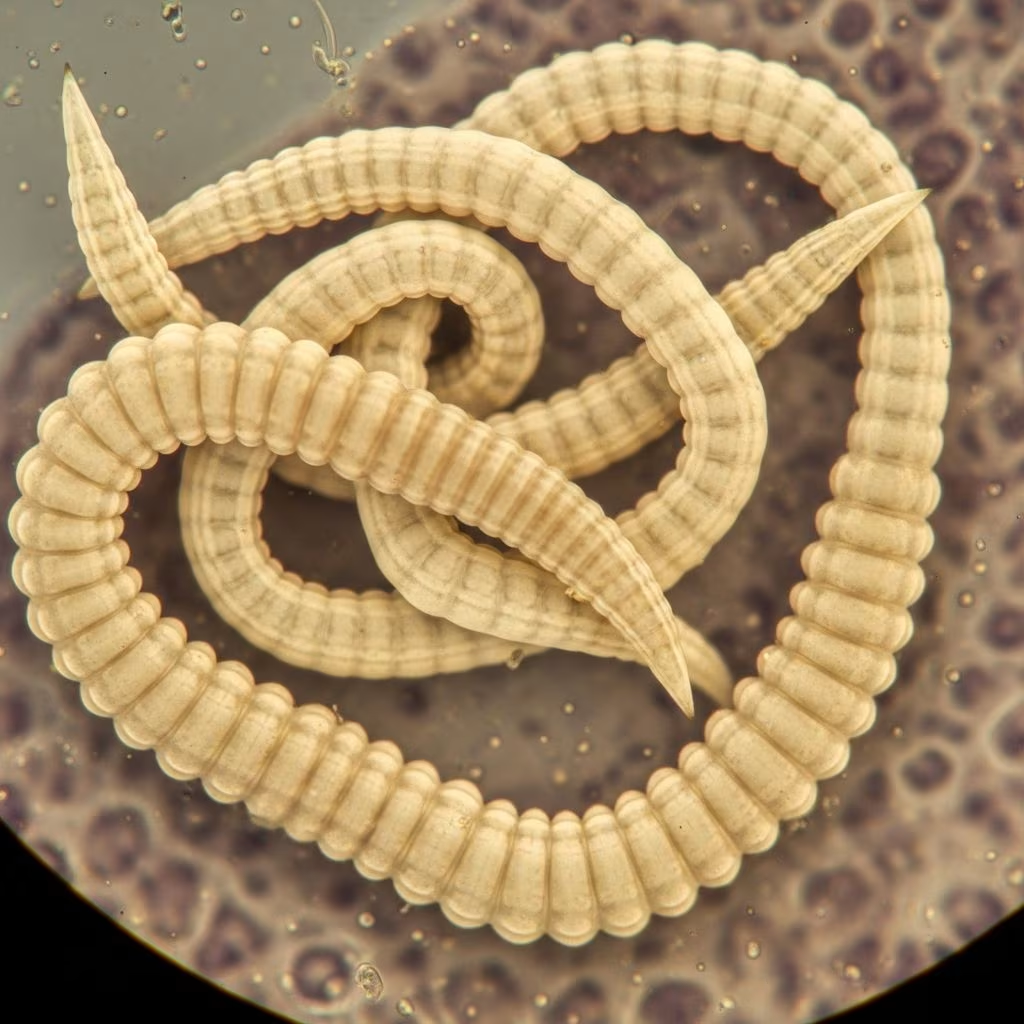
Roundworms are parasitic organisms that inhabit the intestinal tract of dogs. The most common species affecting canines are Toxocara canis and Toxascaris leonina. These parasites can grow quite large, sometimes reaching lengths of several inches, and are visible to the naked eye in feces or vomit. Adult roundworms reproduce within the dog’s intestines, producing millions of microscopic eggs that are shed through the animal’s stool. These eggs can remain viable in soil and the environment for extended periods, making environmental contamination a significant concern for roundworm transmission.
How Dogs Contract Roundworms
Dogs can acquire roundworm infections through several transmission routes. Puppies may become infected through their mother’s milk during nursing, which is one of the most common methods of transmission in young animals. Dogs can also contract roundworms by ingesting contaminated soil, water, or food that contains roundworm eggs. Additionally, ingestion of infected prey animals, such as rodents or birds, can transmit roundworms to dogs. The eggs are extremely hardy and can persist in the environment for months or even years, creating ongoing contamination risks in yards, parks, and other outdoor areas where infected dogs have defecated.
Clinical Signs and Symptoms of Roundworm Infection
The manifestations of roundworm infection vary considerably depending on the severity of the infestation and the age of the affected dog. While some dogs may show no visible symptoms despite active infection, others may develop various clinical signs that warrant veterinary attention.
Symptoms in Puppies
Puppies are particularly vulnerable to severe roundworm infections and often display noticeable symptoms. Common clinical signs in infected puppies include a distinctive potbellied appearance caused by abdominal distension from numerous worms in the intestines. Additional symptoms include abdominal discomfort, depressed appetite, dull coat quality, vomiting, diarrhea, poor growth and development, coughing, and rarely, seizures. In severe cases, heavy roundworm infections in young puppies can be life-threatening if left untreated.
Symptoms in Adult Dogs
Adult dogs may exhibit no signs of roundworm infection whatsoever while still actively shedding eggs into the environment. When symptoms do occur in mature dogs, they tend to be milder and may include soft stools, mild vomiting, or a generally unhealthy appearance. However, large numbers of roundworms can cause life-threatening complications in debilitated or elderly dogs, similar to the severity seen in puppies.
Common Roundworm Symptoms
Several symptoms can indicate roundworm infection across all age groups:
- Vomiting: Dogs infected with roundworms may vomit frequently, sometimes containing visible worms or worm segments due to gastrointestinal irritation.
- Diarrhea: Roundworm infestations often cause diarrhea characterized by loose, watery stools with mucus or blood as the worms disrupt normal digestion.
- Potbellied Appearance: A swollen or distended abdomen, especially noticeable in puppies, results from intestinal distension caused by worm presence.
- Visible Worms: Adult roundworms may be visible in feces or vomit, appearing as spaghetti-like strands.
- Dull Coat: Poor hair quality and a generally unhealthy appearance reflect nutritional deficiencies caused by parasitic infection.
- Weight Loss: Despite adequate food intake, infected dogs may fail to gain weight or may lose weight due to parasitic competition for nutrients.
- Coughing: If roundworm larvae migrate to the lungs, dogs may develop coughing or respiratory symptoms, potentially progressing to pneumonia.
Diagnosis of Roundworm Infection
Veterinarians diagnose roundworm infections primarily through fecal examination. During a routine veterinary visit, your vet will request a fresh stool sample to examine under a microscope for the presence of roundworm eggs. This procedure, known as a fecal flotation test, allows veterinarians to identify the parasitic eggs and confirm the diagnosis. In some cases, repeat fecal testing may be necessary to establish a definitive diagnosis, particularly if the initial sample was collected before the parasites began shedding eggs. Occasionally, adult roundworms may be visible in the stool or vomit without requiring laboratory analysis, providing immediate visual confirmation of infection.
Treatment Options for Roundworm Infection
Treating roundworm infections in dogs is relatively straightforward and highly effective when proper protocols are followed. Multiple treatment approaches and medications are available to eliminate these parasites and prevent future infections.
Deworming Medications
Treatment is simple and effective, utilizing various safe and proven deworming medications. Common anthelmintic drugs prescribed by veterinarians include fenbendazole, pyrantel pamoate, milbemycin, moxidectin, and piperazine. These medications are highly effective in killing adult roundworms within the intestinal tract. Deworming medications may be administered in multiple formulations including tablets, chewables, liquids, or pastes, depending on the specific product and the dog’s preferences or medical needs.
Treatment Protocols
Since some deworming medications affect only adult worms and do not eliminate migrating or encysting larvae, at least two or three treatments are typically necessary for complete elimination of roundworm infections. These treatments are usually spaced 10 to 14 days apart to ensure that newly developed worms are also eliminated. Your veterinarian will determine the appropriate dosage based on your dog’s weight and prescribe the specific medication best suited to your pet’s individual needs.
Preventative Medications
Many heartworm preventatives are effective against intestinal roundworms and help prevent future infections. These products include Heartgard Plus, Interceptor Plus, Simparica Trio, Nexgard Spectra, and Advantage Multi. Monthly preventative treatments offer dual or multi-parasite protection while preventing roundworm reinfection, making them particularly valuable for dogs in high-risk environments.
Recovery and Management
Most dogs with lower-level roundworm infections can recover within a few weeks of initiating appropriate treatment. Recovery timelines depend on the severity of the infection and the individual dog’s overall health status. Dogs with more severe symptoms may require additional supportive care, including veterinary diets such as Hill’s GI Biome, gastrointestinal probiotics like FortiFlora or Proviable, or hospitalization for comprehensive supportive care. In rare cases where severe infections cause intestinal blockage, emergency surgery may be necessary to remove accumulated worms. Even after successful treatment, regular fecal examinations are essential to confirm that the infection has been completely eliminated.
Prevention of Roundworm Infection
Preventing roundworm infections is more effective than treating established infections. Several strategies can significantly reduce the risk of roundworm transmission and reinfection.
Puppy Deworming Schedule
Routine deworming of puppies is strongly recommended because roundworm infection is extremely common in young animals. The standard deworming protocol for puppies begins at two weeks of age, with treatments repeated every two weeks until approximately eight weeks of age. After this initial series, monthly deworming should continue until the puppy reaches adulthood. This aggressive early prevention strategy helps protect puppies during their most vulnerable developmental period.
Adult Dog Prevention
Adult dogs should receive regular fecal examinations to screen for roundworm infections. For puppies, fecal exams should be performed two to four times yearly. Dogs one year of age or older should receive fecal exams one to two times annually. Monthly preventative medications that target roundworms provide additional protection, particularly for dogs with outdoor access or those in high-risk environments.
Environmental Management
Proper sanitation is crucial for preventing roundworm transmission. Dog stools should be picked up immediately from yards, parks, playgrounds, and other outdoor areas to prevent environmental contamination. Children should be kept from playing on ground known to be contaminated with dog feces, and frequent handwashing is essential for children who play outdoors where dogs have been present. These preventative measures reduce transmission risk to other animals and humans in the household and community.
Public Health Considerations
Because roundworm infection poses transmission risks to humans, particularly young children, it is recommended that all dogs receive appropriate treatment and preventative care for roundworms. The zoonotic potential of roundworms makes community awareness and responsible pet ownership practices essential for public health protection.
Frequently Asked Questions
Q: Can roundworms be fatal to dogs?
A: Yes, heavy roundworm infections can be fatal, particularly in puppies and debilitated or elderly dogs. Without treatment, severe infections may cause intestinal blockage or other life-threatening complications. However, with prompt veterinary treatment, most dogs recover completely.
Q: How often should adult dogs be tested for roundworms?
A: Adult dogs should undergo fecal examinations one to two times annually. More frequent testing may be warranted for puppies (two to four times yearly) or dogs in high-risk environments.
Q: Are there side effects to roundworm medications?
A: Most deworming medications are safe and well-tolerated. Mild side effects such as vomiting, diarrhea, or lethargy may occur in some dogs. Resistance to certain medications can develop over time with repeated use, making medication rotation beneficial.
Q: How long does roundworm treatment take?
A: Treatment typically requires multiple doses administered 10 to 14 days apart, with the complete protocol lasting several weeks. Follow-up fecal testing confirms successful elimination of the infection.
Q: Can humans get roundworms from dogs?
A: Yes, roundworms can be transmitted to humans, particularly through contact with contaminated soil or feces. This zoonotic risk underscores the importance of prompt treatment and proper sanitation practices.
Q: Is there a cure for roundworms in dogs?
A: Yes, roundworm infections are curable with appropriate deworming medications. Medications like fenbendazole effectively eliminate adult worms, and monthly preventatives can decrease or completely eliminate future infections.
References
- Roundworm Infection in Dogs — VCA Animal Hospitals. 2024. https://vcahospitals.com/know-your-pet/roundworm-infection-in-dogs
- Roundworms in Dogs: Symptoms, Treatment, and Prevention — American Kennel Club. 2024. https://www.akc.org/expert-advice/health/roundworms-in-dogs-symptoms-treatment-and-prevention/
- Roundworms in Dogs — Cornell University College of Veterinary Medicine, Riney Canine Health Center. 2024. https://www.vet.cornell.edu/departments-centers-and-institutes/riney-canine-health-center/canine-health-topics/roundworms
- Roundworms in Small Animals – Digestive System — Merck Veterinary Manual. 2024. https://www.merckvetmanual.com/digestive-system/gastrointestinal-parasites-of-small-animals/roundworms-in-small-animals
- What They Are and What To Do If You Find Worms in Your Dog’s Poop — PetMD. 2024. https://www.petmd.com/dog/conditions/digestive/roundworms-in-dogs
- Understanding Dog Roundworm Infections: Expert Insights — Reed Animal Hospital. 2024. https://www.reedanimalhospital.com/blog/roundworms-in-dogs/
- Roundworms in Dogs | Small Door Veterinary — Small Door Veterinary. 2024. https://www.smalldoorvet.com/learning-center/medical/roundworms-in-dogs



