

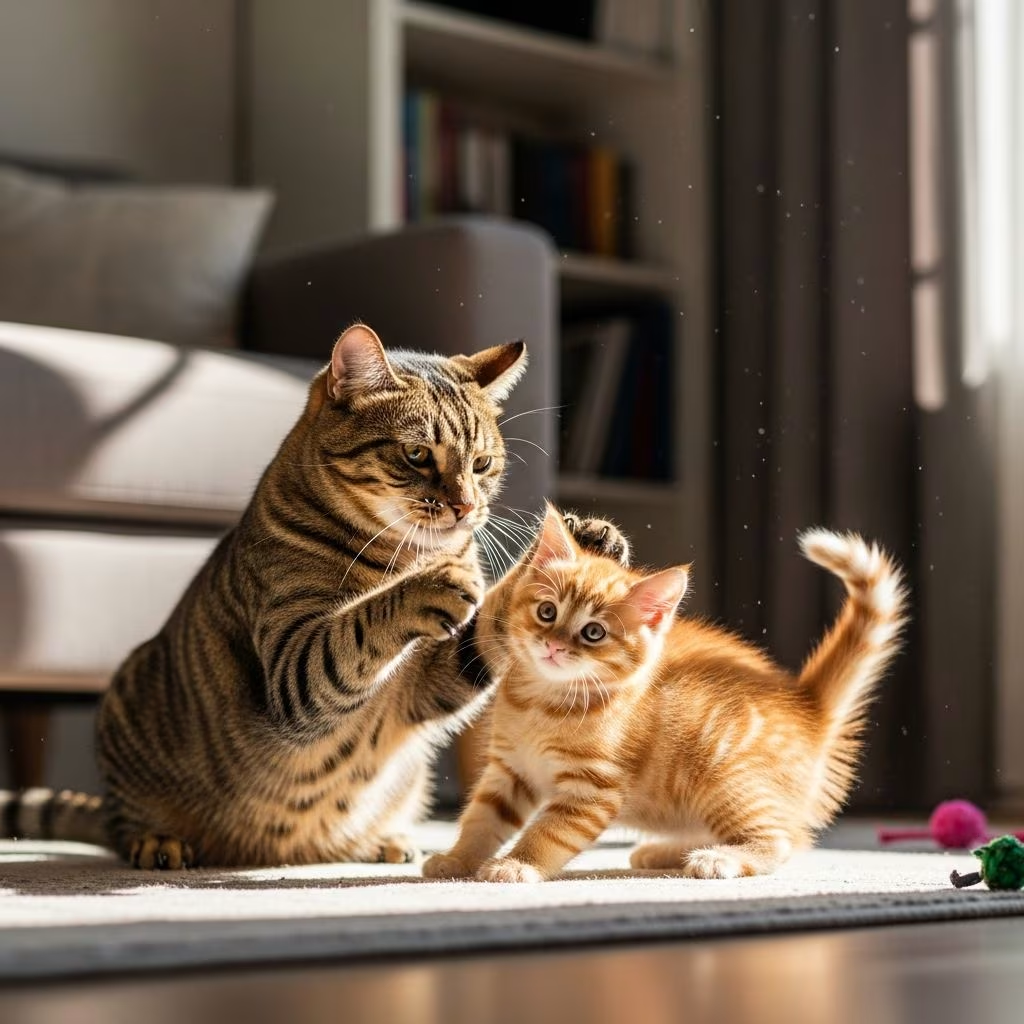
In multi-cat households, witnessing an older cat engage in vigorous play with a younger companion can raise concerns for owners. This behavior often mimics natural feline interactions, where play serves as a vital outlet for energy and social bonding. However, distinguishing between harmless roughhousing and escalating tension is crucial for ensuring both cats’ well-being.
Understanding Feline Play Dynamics
Cats, by nature, are predators whose play replicates hunting instincts. Kittens and young cats frequently exhibit high-energy activities involving chasing, pouncing, and light swatting. When an older cat joins in, it can appear intense due to differences in size, strength, and experience. Play aggression peaks in mornings and evenings, aligning with natural crepuscular activity patterns.
Social play between cats strengthens relationships and hones skills like coordination and bite inhibition. Reciprocal exchanges—where roles of chaser and chasee switch—indicate fun rather than conflict. Ears forward, relaxed tails, and no drawn blood are positive signs.
Key Differences: Play vs. Real Aggression
Not all rough interactions are playful. Owners must observe body language to differentiate. Here’s a comparison:
| Indicator | Play Behavior | Aggression |
|---|---|---|
| Ears | Forward or slightly twitching | Flattened back |
| Tail | Loose, waving | Lashing or puffed |
| Claws/Bites | Retracted or soft, no injury | Fully extended, drawing blood |
| Body Posture | Leaning forward, bouncy | Arched back, hissing/growling |
| Role Switching | Frequent changes | One cat always dominant |
This table highlights observable cues. Playful sessions end amicably, with cats grooming each other afterward.
Why Older Cats Might Play Roughly with Younger Ones
Several factors contribute to this dynamic:
- Energy Mismatch: Younger cats burst with vitality, inviting older ones to engage despite reduced stamina.
- Social Learning: Early-weaned kittens miss littermate lessons on gentle play, leading to uninhibited styles that provoke seniors.
- Boredom and Understimulation: Indoor cats without outlets channel excess energy into housemates.
- Health Triggers: Sudden roughness in elders may stem from pain like arthritis or dental issues, mistaking it for play.
High-energy breeds or individuals amplify these tendencies, especially if alone for long periods.
Potential Risks in Multi-Cat Homes
While often benign, unchecked rough play poses risks. Younger cats may sustain scratches prone to infection, while seniors risk injury from overexertion. Chronic stress can lead to redirected aggression or litter box avoidance. In households with fragile older cats, youthful exuberance might overwhelm, causing avoidance or fights.
Veterinarians recommend ruling out medical causes first. Pain amplifies irritability, turning play defensive.
Strategies to Encourage Safe Play
Proactive management fosters positive interactions without punishment, which worsens reactivity.
Daily Play Routines
Schedule 15-20 minute sessions twice daily using interactive toys. Wand toys with feathers simulate prey, keeping paws at a distance while mimicking stalk-chase-pounce cycles. Follow with meals to replicate hunt-eat-sleep, tiring cats naturally.
Environmental Enrichment
Boost vertical space with cat trees, shelves, and tunnels. Scatter toys or treats to promote exploration, reducing boredom-fueled tussles.
- Install window perches for bird-watching.
- Rotate toys weekly for novelty.
- Create hide-and-seek spots with boxes.
Supervised Interactions
Monitor sessions, intervening with toys if intensity rises. Separate feeding areas prevent resource guarding.
Advanced Interventions for Persistent Issues
If roughness persists:
- Individual Play: Tire each cat separately to balance energy.
- Companion Matching: Adopt playmates with similar styles.
- Calming Aids: Pheromone diffusers soothe multi-cat tension.
- Vet Consultation: Bloodwork checks for thyroid or pain issues.
For severe cases, temporary separation with gradual reintroduction rebuilds trust.
Age-Specific Considerations
Older cats playing rough may rediscover youth, but watch for fatigue signs like limping. Provide soft landing spots and joint supplements if vet-approved. Kittens learn boundaries from elders, but intervene if the senior seems distressed.
FAQs on Cat Rough Play
Is it okay if my older cat chases the kitten constantly?
Yes, if reciprocal and injury-free. Ensure rest periods and monitor.
What if one cat yelps during play?
Pause interaction; check for wounds. Resume with toys, not hands.
Can rough play lead to real fights?
Possibly, if unaddressed. Enrich environment and schedule play to prevent.
Should I declaw for safety?
No; it’s painful and ineffective. Use toys and trims instead.
How much play do cats need daily?
20-30 minutes of vigorous activity, split into sessions.
Long-Term Benefits of Managed Play
Well-channeled play enhances physical health, reduces obesity, and fortifies bonds. Cats in enriched homes show less stress and better litter habits. Owners report happier, more relaxed pets.
By understanding these behaviors, you create a thriving environment where both ages flourish.
References
- Play Aggression (Cats) — San Francisco SPCA. Accessed 2026. https://www.sfspca.org/resource/play-aggression/
- Issue: Rough Play (Play Aggression) — Hawaiian Humane Society. 2020-12. https://www.hawaiianhumane.org/wp-content/uploads/2020/12/Feline-Behavior-Resources-Rough-Play-Play-Aggression.pdf
- Rough play in a kitten or adult cat — Humane Society of Huron Valley. Accessed 2026. https://www.hshv.org/rough-kitten-play/
- Aggression Between Cats in Your Household — ASPCA. Accessed 2026. https://www.aspca.org/pet-care/cat-care/common-cat-behavior-issues/aggression-between-cats-your-household
- Managing Your Kitten rough play — UC Davis School of Veterinary Medicine. Accessed 2026. https://www.vetmed.ucdavis.edu/sites/g/files/dgvnsk491/files/inline-files/Managing_Your_Kitten_rough_play.pdf
- Is it normal for my older cat to suddenly play so rough? — DiaLaVet. Accessed 2026. https://www.dialavet.com/vet-answers/older-cat-suddenly-plays-rough-212282



