

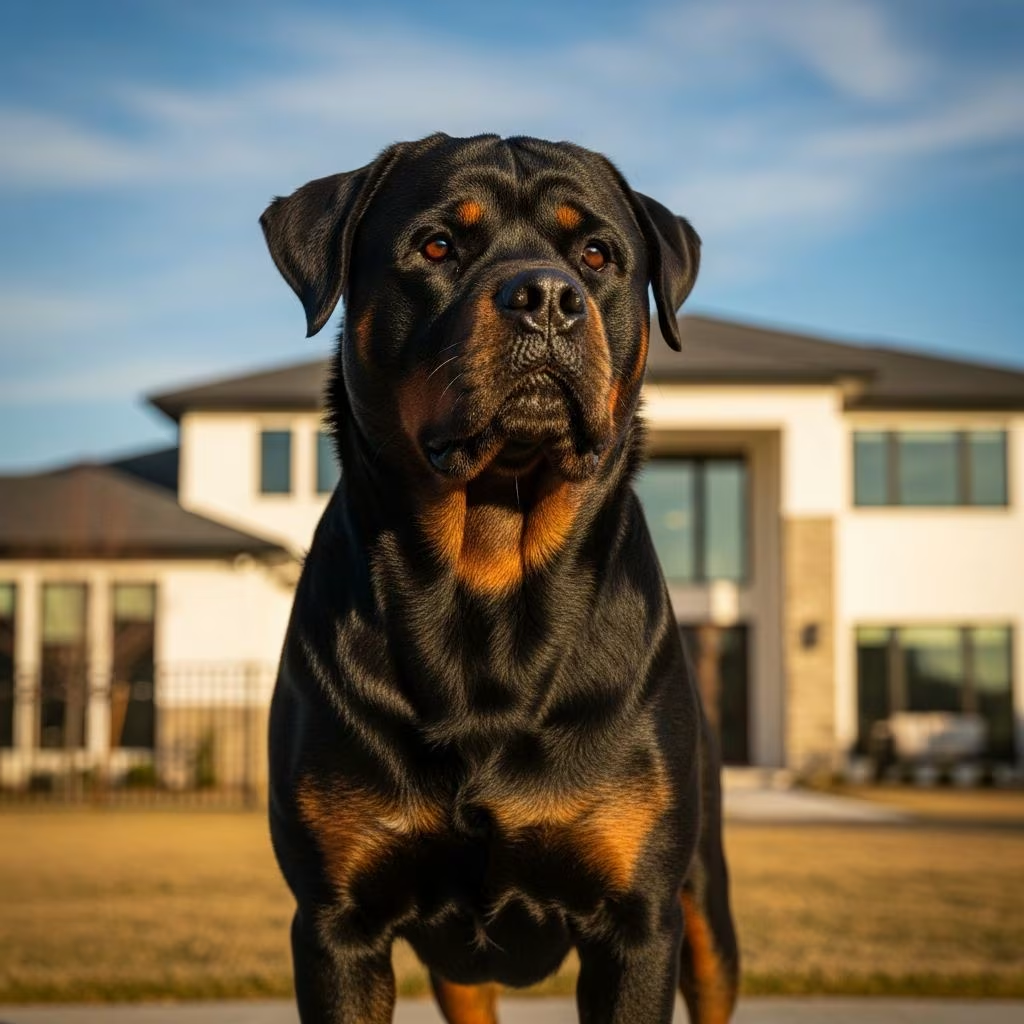
Rottweilers stand out as premier guard dogs due to their imposing physique, inherent protective drive, and deep devotion to their families. Bred for centuries as working companions, they combine physical prowess with sharp intelligence, making them reliable sentinels for homes and loved ones.
The Historical Foundations of Rottweiler Protection
The Rottweiler’s legacy as a guardian traces back to ancient Rome, where they drove cattle and safeguarded legions during conquests. In medieval Germany, butchers employed them to herd livestock and protect earnings from bandits, honing their territorial vigilance. This heritage instills a natural readiness to defend property and people without needing aggressive conditioning.
Today, organizations like the American Kennel Club recognize their versatility, noting their athletic build suits both guarding duties and family activities such as swimming or hiking. Their evolution from drover to protector underscores a breed temperament geared toward discerning real dangers from everyday occurrences.
Physical Attributes That Deter Intruders
A Rottweiler’s sheer size commands respect: males typically reach 24-27 inches at the shoulder and weigh 95-135 pounds, while females measure 22-24 inches and 80-100 pounds. This muscular frame, with a broad head and powerful jaws exerting around 328 PSI of bite force, signals an unyielding barrier to threats.
Prospective owners appreciate how their confident posture alone discourages trespassers. Unlike smaller breeds that rely on barking, Rottweilers project quiet authority, patrolling perimeters or stationing at windows with unwavering focus.
| Attribute | Males | Females |
|---|---|---|
| Height (inches) | 24-27 | 22-24 |
| Weight (lbs) | 95-135 | 80-100 |
| Bite Force (PSI) | ~328 | ~328 |
This table highlights their formidable presence, ideal for deterrence.
Innate Protective Instincts and Alertness
Rottweilers possess an innate wariness of strangers, a trait selectively bred for safeguarding. They vigilantly monitor environments, reacting swiftly to anomalies with barks or postures that escalate only if necessary. Their superior hearing and keen senses amplify this role, ensuring nothing escapes notice.
- Environmental Awareness: They methodically scan yards or homes, alerting to unusual noises or movements.
- Threat Discrimination: Proper upbringing teaches them to differentiate visitors from intruders.
- Territorial Drive: Rooted in livestock guarding, they claim family and home as sacred.
Unlike breeds prone to indiscriminate aggression, Rottweilers balance caution with composure indoors.
Loyalty and Family Bonding
Central to their guarding prowess is unwavering loyalty. Rottweilers forge profound attachments, viewing their household as a pack to defend fiercely. This devotion manifests as gentle affection toward familiars, often cuddling despite their size, earning them the ‘velcro dog’ moniker.
They thrive indoors, disliking prolonged isolation, which could foster anxiety. Their patience suits multi-member households, provided interactions emphasize respect.
Intelligence and Trainability for Effective Guarding
Ranking among the brightest breeds, Rottweilers grasp commands rapidly, excelling in obedience critical for protection work. Force-free methods build confidence, channeling instincts without instilling fear-based reactivity.
Early socialization exposes them to diverse stimuli, preventing overprotectiveness. Owners should prioritize puppy classes and ongoing reinforcement to harness their smarts.
- Begin obedience basics like sit, stay, and recall from 8 weeks.
- Introduce controlled stranger encounters.
- Incorporate mental games to sustain engagement.
Balancing Strength with Family Compatibility
Far from mere muscle, Rottweilers integrate seamlessly into families when raised right. Their calm demeanor at home contrasts with vigilant readiness, making them nurturing with children—patient during play yet intervening against hazards.
They discriminate affection: aloof to outsiders but loving with ‘their people.’ This duality positions them as both companions and custodians.
Exercise and Lifestyle Demands
Vigorous working dogs, Rottweilers require 60-90 minutes of daily activity to channel energy productively. Walks, runs, or fetch prevent boredom-induced issues, enhancing their guarding focus.
Puppies need moderated exertion to protect developing joints, ramping up post-maturity. Active owners find them perfect partners for adventures, boosting overall well-being.
Health Considerations for Long-Term Guardians
Maintaining peak condition demands vigilance against breed predispositions like hip dysplasia or heart issues. Reputable breeders screen parents via OFA certifications, while routine vet visits, balanced nutrition, and weight management extend their 9-10 year lifespan.
Regular grooming—weekly brushing and nail trims—supports their short, dense coat. Mental stimulation via puzzle toys complements physical routines.
Training Best Practices for Protection Roles
Success hinges on consistent, positive reinforcement from experienced handlers. Avoid dominance tactics; instead, reward desired behaviors to foster reliable responses.
- Socialization Window: Critical 3-16 weeks for positive exposures.
- Boundary Setting: Define protected zones clearly.
- Advanced Commands: Teach ‘watch,’ ‘quiet,’ and ‘release’ for control.
Professional trainers specializing in working breeds refine these skills, ensuring safety.
Legal and Ethical Ownership Responsibilities
Breed-specific laws in some areas mandate leashing or muzzling; research local ordinances. Responsible ownership includes liability insurance and public education to counter misconceptions.
Not for novices, they suit committed families valuing structure and engagement.
Common Misconceptions Debunked
Often stereotyped as vicious, well-bred Rottweilers exhibit stable temperaments. Aggression stems from neglect or poor breeding, not genetics. Statistics from humane societies affirm their low bite rates relative to popularity when properly managed.
Choosing Your Rottweiler Guardian
Select from ethical breeders prioritizing health testing and temperament. Rescues offer mature dogs with known histories. Evaluate for confidence, not shyness or oversensitivity.
Prepare with secure fencing, training resources, and time commitment for a rewarding partnership.
Frequently Asked Questions
Are Rottweilers good with children?
Yes, when socialized early, they are gentle and watchful with kids, often dubbed ‘nanny dogs’.
How much exercise do they need?
At least one hour daily, including walks and play to maintain fitness.
Can they be trained not to be aggressive?
They aren’t inherently aggressive; training emphasizes control over natural protectiveness.
Are female Rottweilers as good at guarding as males?
Absolutely, both genders share strong instincts, with females sometimes more alert.
What is the best way to socialize a Rottweiler puppy?
Expose to varied people, animals, and environments positively during key developmental stages.
References
- Understanding Rottweiler Behavior: Key Traits & Training Tips — Cape Cod Dog Center. 2023. https://capecoddogcenter.com/understanding-rottweiler-behavior-what-every-owner-should-know/
- 12 Reasons Rottweilers Are the Best Guard Dogs — A-Z Animals. 2024-01-15. https://a-z-animals.com/blog/reasons-rottweilers-are-the-best-guard-dogs/
- Why Rottweilers Are One of the Best Family Guard Dogs! — The Pet Perspective (YouTube). 2025-03-22. https://www.youtube.com/watch?v=BXFmUWrQxqU
- Rottweiler Dog Breed Information — American Kennel Club. 2025. https://www.akc.org/dog-breeds/rottweiler/
- Rottweilers: The Best Family Watchdog — PetHelpful. 2024. https://pethelpful.com/dogs/the-best-family-watch-dog



