

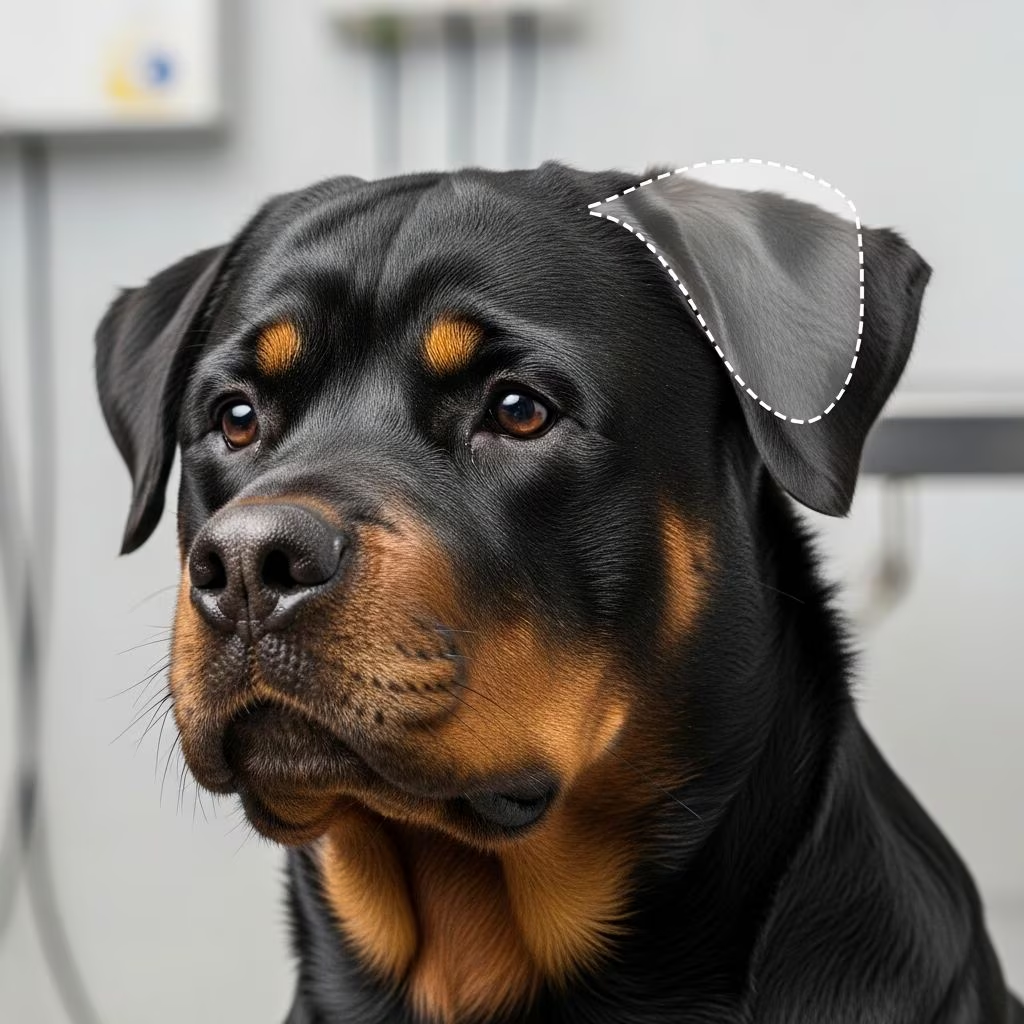
Rottweilers, renowned for their strength and loyalty, have long been associated with distinctive physical traits, including the option of cropped ears. This practice involves surgically altering the ear shape to create an upright, alert appearance. While rooted in historical utility, ear cropping in Rottweilers today sparks debate over aesthetics, health, and ethics.
Historical Origins of Ear Alterations in Working Breeds
The tradition of modifying dog ears dates back to ancient times, primarily for practical reasons among working canines. In Roman eras, shepherds and hunters cropped ears on dogs to prevent injuries from thorns, brambles, or predator attacks during fieldwork. This minimized tears and infections in an age without modern antibiotics or veterinary care.
For breeds like Rottweilers, developed in Germany for herding cattle and guarding, similar logic applied. Their ancestors endured rough terrains where floppy ears could snag or harbor dirt, leading to ailments. Cropping created a streamlined silhouette, potentially enhancing hearing by reducing flapping tissue and projecting an intimidating profile to deter threats.
By the 19th century, as Rottweilers gained fame as guard dogs, ear cropping evolved into a breed hallmark. Early breeders aimed for naturally erect ears but resorted to surgery when genetics fell short, preserving the dog’s vigilant look that attracted enthusiasts. This shift marked the transition from pure functionality to aesthetic standards in dog shows.
How the Ear Cropping Surgery Works for Rottweilers
Ear cropping is a veterinary surgery termed cosmetic otoplasty, typically done on Rottweiler puppies aged 7-12 weeks when cartilage is pliable. Performed under general anesthesia, the vet removes up to two-thirds of the ear flap (pinna), tailoring the cut to breed ideals—often a pointed or rounded style for Rottweilers.
Post-surgery, stitches close the incisions, and ears are splinted or taped to train them upright. Healing spans 4-8 months, demanding meticulous aftercare: daily cleaning to avert infections, tape adjustments every few days, and vet check-ups. Owners must monitor for swelling, discharge, or pain, as complications like hematoma or scarring can arise.
| Stage | Description | Duration |
|---|---|---|
| Pre-Op Consultation | Discuss style, health check, anesthesia prep | 1 visit |
| Surgery | Ear removal, stitching under anesthesia | 1-2 hours |
| Initial Healing | Bandaging, pain management | 1-2 weeks |
| Posting/Taping | Shaping ears upright | 4-8 months |
This table outlines the timeline, highlighting the commitment required. Costs range from $500-$2000 USD, varying by location and complexity.
Is Ear Cropping Standard for Rottweilers?
Unlike some breeds mandating crops for show rings, Rottweilers do not universally require it. The American Kennel Club (AKC) Rottweiler standard prefers cropped ears for their alert expression but accepts natural ones. In practice, many pet Rottweilers sport floppy ears, reflecting owner preferences over conformation ideals.
Show competitors often crop to align with traditional visuals, believing it enhances the breed’s muscular, imposing stature. However, natural-eared Rottweilers compete successfully, especially as attitudes shift toward welfare. Globally, cropping rates decline among non-show dogs.
Potential Health Risks and Complications
While vets deem the procedure safe when done professionally, risks persist. Acute issues include anesthesia reactions, excessive bleeding, or infections from poor hygiene. Chronic problems feature phantom pain, altered ear circulation causing necrosis, or balance issues from inner ear impacts.
Studies note higher chronic pain likelihood in cropped dogs versus naturals, with some exhibiting head-shaking or sensitivity years later. Floppy ears, conversely, protect ear canals from debris but risk infections if uncleaned. Weighing pros and cons, many experts advocate natural ears for health.
- Infection Risk: 10-20% of cases need antibiotics post-op.
- Pain Management: Opioids required for 7-10 days.
- Long-Term: Possible gait changes or hearing subtleties.
Legal Status and Global Regulations on Cosmetic Surgeries
Ear cropping legality varies widely. In the US, it’s permitted in most states sans bans in places like Maryland or New York City, though the AVMA opposes it as non-therapeutic. Europe leads bans: UK, Germany, Norway, Finland, and others prohibit it since the 1990s, citing cruelty.
Australia, parts of Canada, and several South American nations follow suit. Even where legal, ethical vets decline, pressuring kennel clubs to adapt standards—like the FCI allowing uncropped Rottweilers internationally. Trends favor bans, with US bills pending.
Ethical Considerations in Cosmetic Dog Modifications
Proponents argue cropping upholds breed heritage, prevents natural ear infections, and boosts guard efficacy. Critics counter it’s purely cosmetic, inflicting unnecessary pain for human vanity, conflicting with ‘do no harm’ principles.
Animal welfare groups like the Humane Society label it mutilation, paralleling tail docking debates. Public opinion sways toward naturals, with social media showcasing happy, uncropped Rottweilers. Informed consent—understanding a puppy’s inability to choose—guides ethical ownership.
Alternatives to Surgical Ear Cropping
Owners seeking upright ears without surgery explore taping on naturals, using braces from 8 weeks to encourage stance. Success varies by genetics; some Rottweilers achieve semi-erect ears.
Grooming maintains natural appeal: regular cleaning prevents otitis, trimming hair reduces debris. Training emphasizes temperament over looks for protection roles. Breeding for natural erect ears gains traction, preserving heritage sans scalpel.
Caring for Rottweiler Ears: Cropped or Natural
Cropped Ear Maintenance
Clean weekly with vet-approved solutions, avoiding moisture buildup. Check for irritation from tape residues. Annual vet exams monitor healing scars.
Natural Ear Care
Wipe canals bi-weekly, dry after swims. Inspect for wax, odor, or redness signaling infections. Breeds like Rottweilers need vigilant hygiene.
| Aspect | Cropped Ears | Natural Ears |
|---|---|---|
| Cleaning Frequency | Weekly external | Bi-weekly internal |
| Infection Risk | Post-op high, then low | Moderate if neglected |
| Maintenance Effort | High initially | Consistent routine |
Pros and Cons of Ear Cropping in Rottweilers
- Pros: Enhanced alert look, tradition adherence, potential injury prevention in work.
- Cons: Surgical risks, pain, legal/ethical issues, high cost/time.
Pet owners increasingly opt out, prioritizing health over aesthetics.
Frequently Asked Questions (FAQs)
Do all Rottweilers have cropped ears?
No, it’s optional; many have natural floppy ears, especially pets.
Is ear cropping painful for Rottweilers?
Yes, involving anesthesia and weeks of discomfort, managed with meds.
Can you crop adult Rottweiler ears?
Not recommended; harder healing, more pain after 16 weeks.
Why do some countries ban ear cropping?
View it as unnecessary cosmetic surgery causing suffering.
How to choose between cropped and natural?
Consider lifestyle, laws, welfare; consult ethical vets.
Final Thoughts on Choosing for Your Rottweiler
Deciding on ear cropping demands balancing history, health, and values. With naturals thriving and regulations tightening, the trend favors unaltered beauty. Prioritize your Rottweiler’s lifelong well-being over fleeting trends.
References
- Understanding Ear Cropping: History, Procedure, and Perspectives — The Big Damn Dog Co. 2023. https://thebigdamndogco.com/blogs/the-better-years-blog/understanding-ear-cropping-history-procedure-and-perspectives
- Tale Of Tails & Ears — DPCA.org. 2024. https://dpca.org/breeded/tale-of-tails-a-ears/
- Cropping (animal) — Wikipedia (informed by primary historical sources). 2025-01-15. https://en.wikipedia.org/wiki/Cropping_(animal)
- EAR CROPPING & TAIL DOCKING HISTORY — TheDogPlace.org. 2023. https://www.thedogplace.org/showplace/ear-crop-tail-docking-history-1_129.asp
- Ear cropping in dogs – Literature Review — American Veterinary Medical Association (AVMA). 2024-08-24. https://www.avma.org/sites/default/files/2024-10/avma-lit-review-ear-cropping-0824.pdf
- The Complex Reasons Behind Dog Ear Cropping — Oreate AI. 2024. https://www.oreateai.com/blog/the-complex-reasons-behind-dog-ear-cropping/0bc8acc5e7cd214e6cf88d1eefa8831f
- Dispelling the Myths of Cropped Ears, Docked Tails, Dewclaws, and Debarking — American Kennel Club (AKC). 2021-11. https://www.akc.org/wp-content/uploads/2021/11/DispellingMythsCroppedDockedDewclawsDebarking.pdf



