

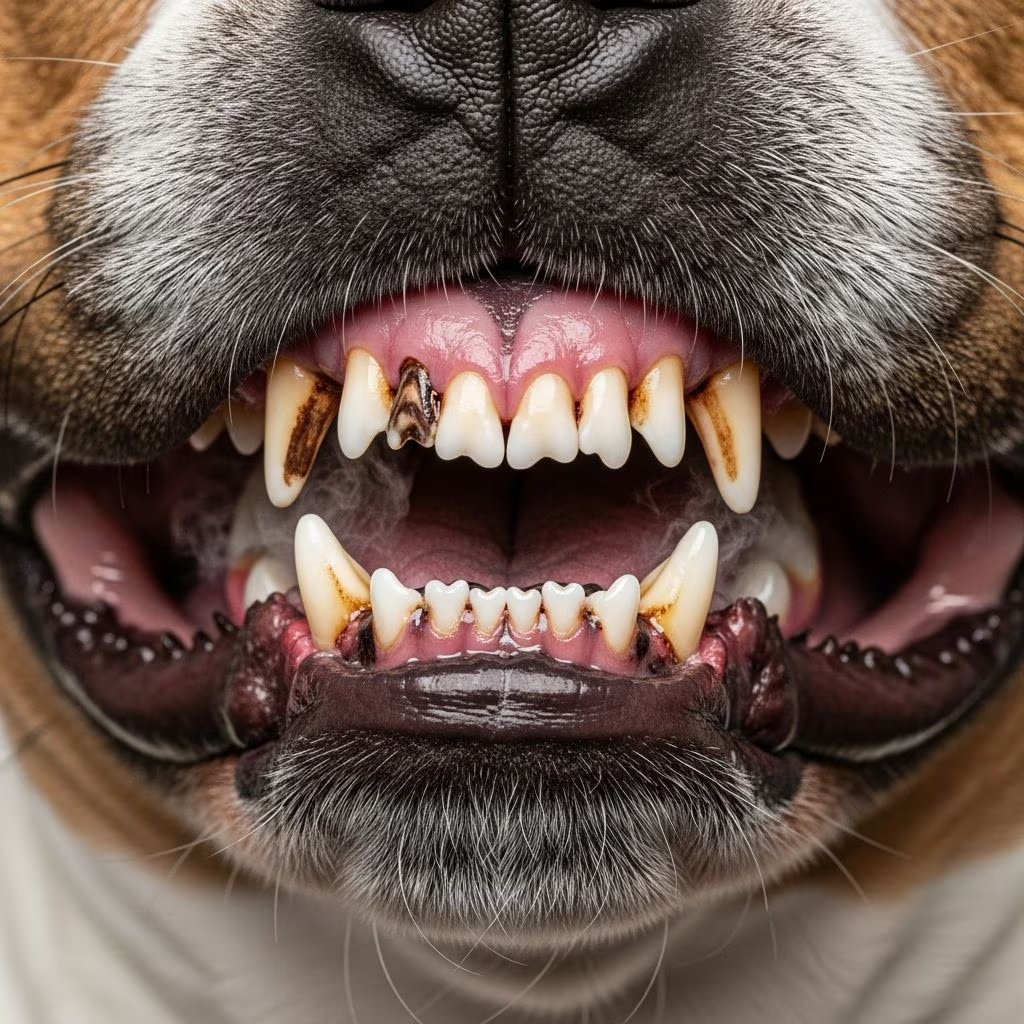
Rotten dog teeth, often resulting from advanced periodontal disease, represent a common yet serious health issue in canines, leading to pain, infection, and potential tooth loss if untreated. This condition arises when bacteria in plaque produce acids that erode tooth enamel and dentin, ultimately digesting the tooth structure. Understanding the signs, causes, treatments, and prevention strategies is crucial for dog owners to ensure their pets’ oral health and overall well-being.
What Are Rotten Dog Teeth?
Rotten dog teeth refer to severe dental decay or advanced periodontal disease where teeth become structurally compromised, often losing attachment from the socket. Unlike humans, dogs rarely develop traditional cavities but suffer from plaque-induced decay that progresses through enamel, dentin, pulp, and crown stages. This decay starts with natural mouth bacteria forming plaque on teeth; carbohydrates ferment, producing acids that demineralize enamel and expose underlying layers to further bacterial invasion.
Periodontal disease, the primary culprit, affects over 80% of dogs by age three, progressing from gingivitis (gum inflammation) to periodontitis (bone and tissue loss). In severe cases, roots expose, abscesses form, and teeth rot completely, causing immense pain and systemic health risks. Early intervention prevents escalation from reversible plaque to irreversible damage.
Signs and Symptoms of Rotten Dog Teeth
Recognizing symptoms early can prevent progression. Common indicators include:
- Bad Breath (Halitosis): Persistent foul odor from bacterial overgrowth and tartar, often the first noticeable sign.
- Discolored Teeth: Yellow, brown, or black staining from plaque and tartar accumulation signals decay.
- Swollen or Bleeding Gums: Red, inflamed gums that bleed easily indicate gingivitis advancing to periodontitis.
- Difficulty Eating: Dropping food, chewing on one side, avoiding hard foods, or reduced appetite due to pain.
- Excessive Drooling or Pawing at Mouth: Signs of discomfort from abscesses or loose teeth.
- Loose Teeth or Tooth Loss: Advanced decay leads to mobility and eventual shedding.
- Facial Swelling or Nasal Discharge: Abscesses or infections spreading to sinuses.
- Weight Loss: Chronic pain reduces eating, leading to malnutrition.
If your dog exhibits these, a veterinary dental exam is essential, as pain is often hidden—dogs mask discomfort instinctively.
Causes of Rotten Dog Teeth
Several factors contribute to dental decay in dogs:
- Poor Dental Hygiene: Lack of brushing allows plaque to harden into tartar, harboring bacteria.
- Diet High in Sugars/Carbs: Fermentable carbohydrates feed bacteria, accelerating acid production.
- Breed Predispositions: Small breeds like Poodles and Yorkies have crowded teeth prone to buildup; brachycephalics face misalignment.
- Underlying Health Issues: Diabetes, kidney disease alter oral bacteria balance, worsening decay.
- Genetics and Trauma: Weak enamel or injuries create bacterial entry points.
- Lack of Chewing: Insufficient chewing fails to naturally scrape plaque.
Age plays a role—older dogs accumulate more tartar without intervention.
Health Risks and Complications
Untreated rotten teeth extend beyond the mouth, causing:
- Gum Inflammation (Gingivitis): Toxins from plaque damage tissues, causing redness and bleeding.
- Periodontitis and Tooth Loss: Bone erosion leads to loose teeth and jaw weakening.
- Pathologic Jaw Fractures: Weakened sockets cause spontaneous breaks.
- Systemic Infections: Bacteria enter bloodstream, risking heart, liver, kidney disease.
- Abscesses and Pain: Pus pockets cause swelling, fever, stress.
Chronic issues manifest as weight loss, lethargy, or organ dysfunction.
Treatment Options for Rotten Dog Teeth
Treatment varies by decay stage, often requiring anesthesia for thorough assessment.
| Stage of Decay | Description | Treatment |
|---|---|---|
| 1: Enamel Only | Surface demineralization | Professional cleaning, fluoride sealants |
| 2: Dentin Penetration | Deeper erosion | Scaling, polishing, fillings if possible |
| 3: Pulp Chamber | Nerve exposure | Root canal or extraction |
| 4: Crown Damage | Structural loss | Crown restoration or extraction |
| 5: Root Exposure | Total crown loss | Extraction mandatory |
Standard procedures include:
- Professional Cleaning: Scaling removes tartar, polishing smooths surfaces, probing checks pockets.
- Extractions: For non-salvageable teeth, preventing infection spread.
- Antibiotics/Pain Meds: Combat infection and discomfort.
Post-treatment, home care sustains results.
Prevention of Rotten Dog Teeth
Proactive measures maintain dental health:
- Daily Brushing: Use enzymatic toothpaste and dog brush 3-7 times weekly.
- Dental Chews/Toys: Promote mechanical cleaning and tartar reduction.
- Balanced Diet: Low-carb kibble; avoid sticky treats.
- Water Additives: Antimicrobial solutions reduce plaque.
- Regular Vet Checkups: Annual exams with cleanings as needed.
Start puppies early for lifelong habits.
Frequently Asked Questions (FAQs)
Q: Can dogs get cavities like humans?
A: Dogs rarely get true cavities but experience similar decay from periodontal disease and plaque acids.
Q: How often should I brush my dog’s teeth?
A: Ideally daily, but at least 3-4 times weekly with vet-approved products.
Q: Is bad breath always a sign of rotten teeth?
A: Often yes, but could indicate other issues; vet evaluation needed.
Q: What breeds are most prone to dental problems?
A: Small breeds (Chihuahuas, Dachshunds) and brachycephalics (Pugs, Bulldogs) due to tooth crowding.
Q: Can rotten teeth cause heart disease in dogs?
A: Yes, bacteria can spread systemically, contributing to endocarditis and organ damage.
Q: Is tooth extraction safe for dogs?
A: Yes, under anesthesia by vets; it relieves pain and prevents worse complications.
References
- Rotten Dog Teeth: Signs, Symptoms, and Treatments — American Kennel Club. 2023-10-15. https://www.akc.org/expert-advice/health/rotten-dog-teeth/
- Dog Teeth Rotting: Symptoms and Treatments — Lake City Animal Hospital. 2024-02-20. https://lakecityanimalhospital.com/blog/dog-teeth-rotting/
- 9 Signs Your Dog’s Teeth Are Rotten (And What to Do) — PetLabCo. 2024-05-10. https://thepetlabco.com/learn/dog/health-wellness/rotten-dog-teeth
- Cavities in Dogs: Causes, Symptoms & Treatment — Mahopac Veterinary Hospital. 2023-09-30. https://www.mahopacvet.com/site/blog/2023/09/30/cavities-in-dogs-causes-symptoms-treatment
- 5 Consequences of Rotting Dog Teeth — Animal Medical Clinic. 2023-11-05. https://www.animal-medical-clinic.com/services/pet-health-tips/blog/5-consequences-rotting-dog-teeth
- Oral Hygiene and Your Dog’s Health — PetMD. 2024-01-12. https://www.petmd.com/dog/grooming/evr_dg_oral_hygiene_and_your_dogs_health
- Dental Disease in Dogs — People’s Dispensary for Sick Animals (PDSA). 2024-03-18. https://www.pdsa.org.uk/pet-help-and-advice/pet-health-hub/conditions/dental-disease-in-dogs



