

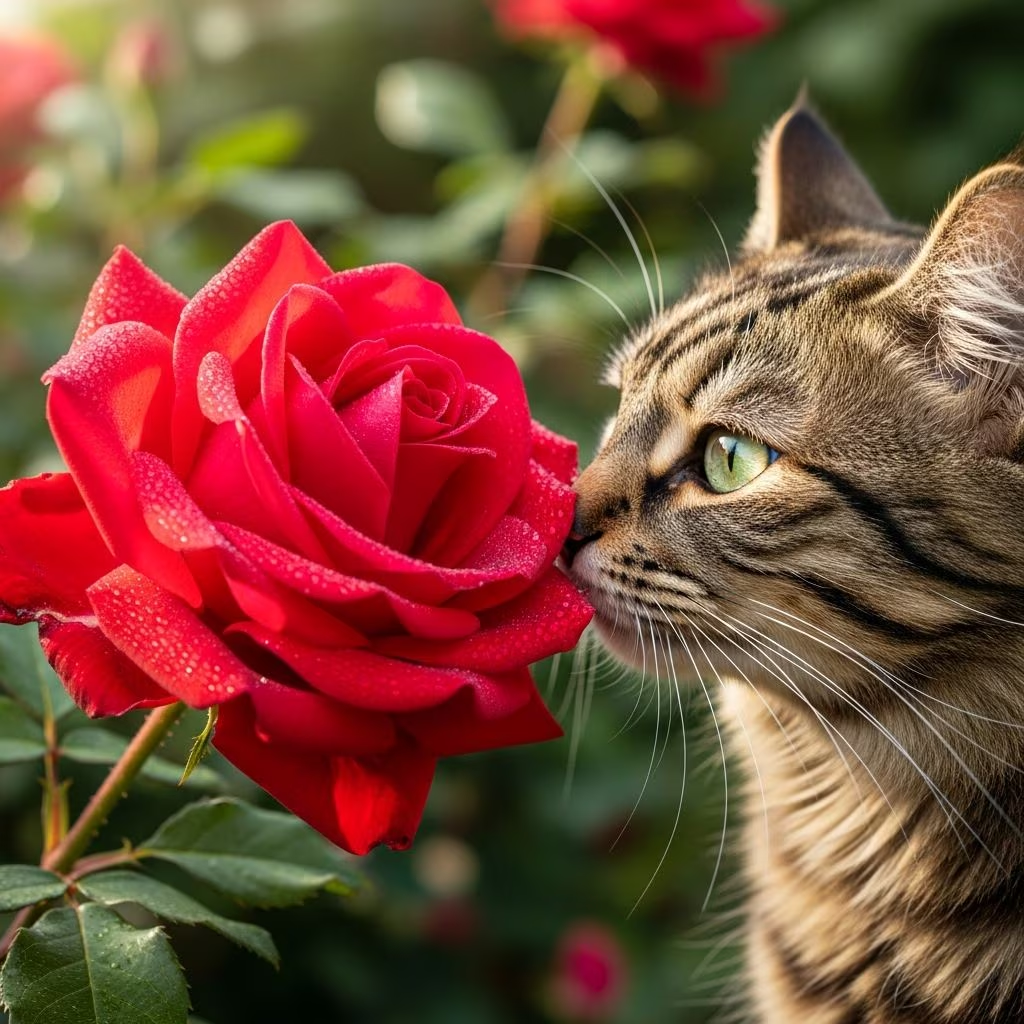
Roses (*Rosa* species) are **non-toxic to cats**, according to the ASPCA, making them one of the safer flowers for feline companions. However, this doesn’t mean they’re entirely harmless. Thorns on stems can cause injuries, pesticides or flower food packets introduce toxicity risks, and even the plant material itself may lead to gastrointestinal upset since cats are obligate carnivores unaccustomed to digesting fibrous greenery. Cat owners who receive rose bouquets or grow roses in gardens must remain vigilant to prevent mishaps.
This comprehensive guide covers everything from why roses seem appealing to cats, potential health issues, what to do if your cat ingests them, and lookalike plants that are dangerous. By understanding these nuances, you can enjoy roses safely around your pets.
Why Do Cats Eat Roses?
Cats are naturally curious and may nibble on roses for several reasons. The movement of petals in a breeze mimics prey, triggering their hunting instincts. The scent or texture might intrigue them during exploration or grooming behaviors, where they rub against objects to mark territory. Boredom or stress can also prompt plant-chewing as a form of entertainment.
- Hunting simulation: Swaying flowers excite predatory play.
- Sensory appeal: Mild fragrance or soft petals attract sniffing and tasting.
- Territorial marking: Rubbing faces on stems spreads their scent.
- Bored indoor cats: Lack of stimulation leads to destructive habits like chewing plants.
Monitor habitual chewers closely, as they risk repeated exposure to thorns or chemicals.
Potential Risks of Roses for Cats
While the petals, leaves, and stems of true roses lack toxic principles, several indirect dangers exist.
Rose Thorns: A Sharp Hazard
Rose stems are covered in sharp thorns that cannot be fully removed in home gardens or most bouquets. If a cat chews, licks, or rubs against them, injuries can occur to the mouth, throat, eyes, skin, or digestive tract. Swallowed thorns may cause internal punctures, leading to infections or blockages.
- Mouth or gum lacerations causing drooling and pain.
- Esophageal or intestinal scratches triggering severe vomiting.
- Skin abrasions from rubbing, prone to bacterial infection.
- Eye injuries if thorns contact during face-rubbing.
For minor wounds, clean with pet-safe antimicrobial wipes; deeper injuries require veterinary attention.
Pesticides and Fertilizers on Roses
Commercial roses—whether store-bought bouquets or garden-grown—are frequently treated with pesticides like neonicotinoids or glyphosate, fertilizers, or preservatives. These chemicals are highly toxic to cats, who groom residues off their fur, ingesting them indirectly. Flower food packets included with bouquets often contain sugars, citric acid, and biocides that ferment into alcohol or harbor bacteria, worsening risks.
Cats’ livers lack sufficient enzymes (like UGT) to detoxify many pesticides, making even small amounts dangerous and potentially causing acute kidney injury.
Dyed or Artificial Roses
Trendy dyed roses (e.g., blue or rainbow) contain artificial colorants and preservatives that irritate stomachs or cause unknown effects when ingested. Artificial silk roses may have plastic coatings or wires posing choking or puncture risks.
Symptoms If Your Cat Eats Roses
Ingestion of plain rose parts typically causes mild, self-resolving upset due to indigestible fiber. Watch for:
- Vomiting: Often contains visible petals; occurs 1-2 times.
- Diarrhea: Loose stools from plant bulk.
- Drooling: Mouth irritation from fibers or thorns.
- Lethargy or appetite loss: Temporary discomfort.
- Abdominal pain: Restlessness or hunched posture.
Symptoms should resolve in 24-48 hours. Persistent issues signal complications like thorns or chemicals.
Pesticide Poisoning Signs
Severe symptoms indicate chemical exposure:
| Symptom | Severity |
|---|---|
| Vomiting/Diarrhea | Mild to severe |
| Lethargy/Fever | Moderate |
| Seizures/Tremors | High—emergency |
| Ataxia (wobbly gait) | High |
| Breathing difficulty/Coma | Critical |
Seek immediate vet care for these.
What to Do If Your Cat Eats a Rose
- Remove access: Discard bouquet or isolate plant.
- Inspect for injury: Check mouth, paws, eyes for thorns/scratches.
- Monitor symptoms: Note vomiting frequency, behavior changes.
- Contact pros: Call vet or Pet Poison Helpline (855-764-7661) if chemicals suspected.
- Vet visit if: Vomiting >2x, blood in vomit/stool, lethargy >24h, or neurological signs.
Do not induce vomiting at home without guidance.
Toxic Plants Masquerading as Roses
Not all “roses” are safe. Avoid these imposters:
Christmas Rose (Helleborus niger)
Also called Lenten or Easter Rose; contains cardioactive steroids causing:
- Vomiting, diarrhea, drooling.
- Weakness, irregular heartbeat.
- Potentially fatal in severe cases.
Desert Rose (Adenium obesum)
Cardiac glycosides lead to:
- Drooling, GI upset.
- Heart arrhythmias, seizures.
Rosebay (Rhododendron/Azalea)
Grayanotoxins disrupt nerves:
- Intense vomiting/diarrhea.
- Tremors, hypotension, collapse.
Primrose (Primula spp.) causes skin irritation and upset.
Cat-Safe Alternatives to Roses
Opt for these non-toxic flowers:
- Orchids (Phalaenopsis).
- Sunflowers.
- Snapdragons.
- Cat-safe roses: Wild varieties like *Rosa canina* (organic only).
Always rinse store-bought flowers and use plain water.
Prevention Tips for Cat Owners
Proactive steps minimize risks:
- Choose thornless varieties or de-thorned bouquets.
- Source organic, untreated roses.
- Discard flower food packets; use fresh water.
- Elevate vases out of reach.
- Provide cat grass or toys for distraction.
- Use pet-safe deterrents like citrus sprays on plants.
Enrich environment with scratching posts and perches to curb plant interest.
Frequently Asked Questions (FAQs)
Are all roses safe for cats?
True garden roses (*Rosa* spp.) are non-toxic, but thorns and chemicals pose risks. Avoid toxic lookalikes like Christmas Rose.
What if my cat chewed a rose stem?
Monitor for mouth injuries or vomiting. Vet if symptoms persist or thorns suspected.
Can pesticides on roses cause kidney damage?
Yes, cats’ poor detoxification makes them vulnerable to acute kidney injury from residues.
Are dyed roses okay for cats?
No, artificial dyes and preservatives can irritate or poison.
How do I make my home rose-safe?
Use organic flowers, elevate arrangements, offer alternatives like catnip toys.
References
- Are Roses Toxic to Cats? No, But They’re Not Harmless — MichuPet. 2023. https://michupet.com/blogs/pet-care/are-roses-toxic-to-cats
- Are Roses Toxic to Cats? — PetMD. 2024-01-15. https://www.petmd.com/cat/poisoning/are-roses-toxic-to-cats
- Warning: Even Non-Toxic Roses Can Harm Your Cat — Greycoat Research. 2024. https://greycoatresearch.com/blogs/kidney-guide/warning-even-non-toxic-roses-can-harm-your-cat
- Rose – Toxic and Non-toxic Plants — ASPCA. 2023-05-10. https://www.aspca.org/pet-care/aspca-poison-control/toxic-and-non-toxic-plants/rose



