

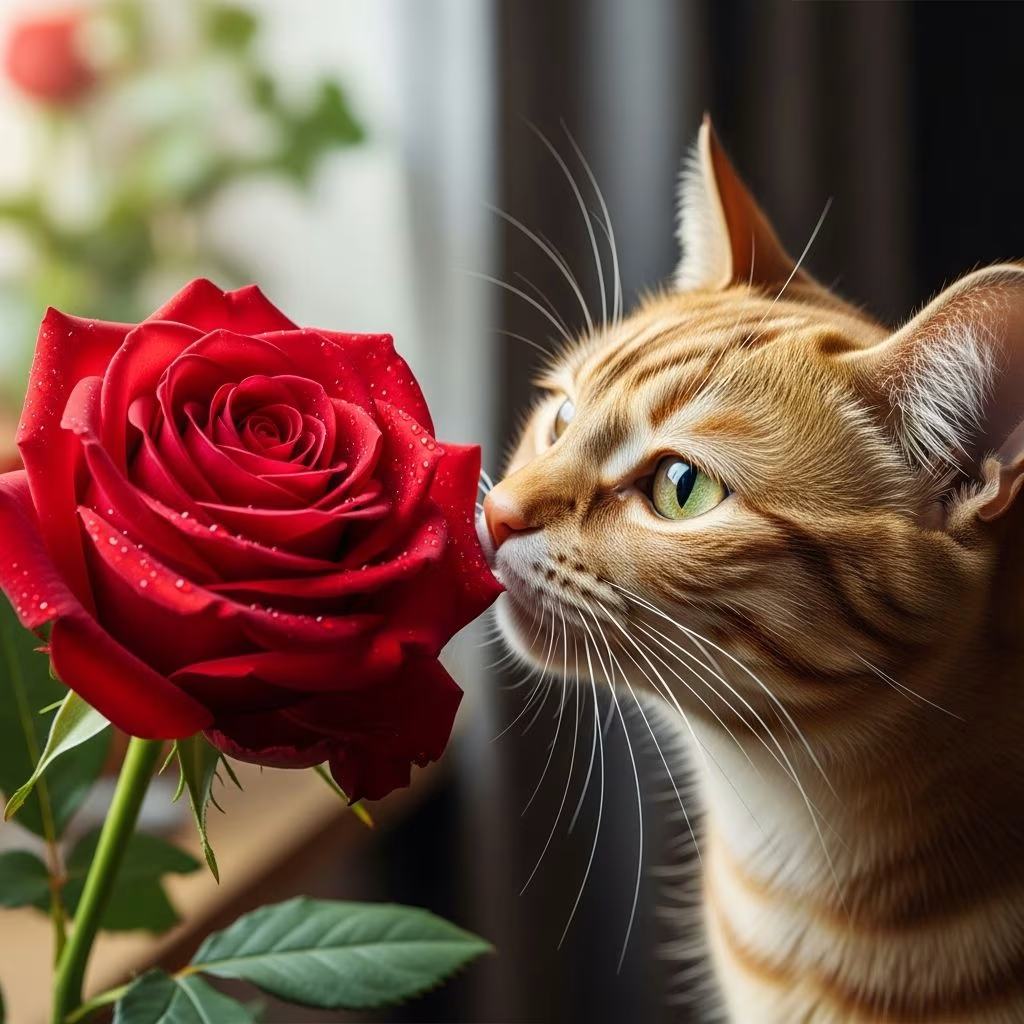
Roses belong to the genus Rosa in the Rosaceae family and are non-toxic to cats when ingested or licked, according to the ASPCA. However, physical injuries from thorns and exposure to pesticides or floral preservatives present real dangers that cat owners must address.
Understanding Rose Components and Cat Interactions
Cats often explore their environment by sniffing, rubbing, or nibbling plants. With roses, the petals, leaves, stems, and flowers themselves do not contain harmful principles toxic to felines. There are roughly 150 natural rose species and countless hybrids, none listed as poisonous by major veterinary databases.
Despite this safety profile, cats’ carnivorous digestive systems struggle with plant matter. Ingesting rose parts may lead to transient gastrointestinal upset, including vomiting or diarrhea, as the material is indigestible. Such reactions typically resolve within 24-48 hours without intervention.
Primary Hazards: Thorns and Physical Trauma
The most immediate risk stems from rose thorns, sharp spines lining the stems. Cats rubbing against or chewing stems can suffer cuts to mouths, paws, eyes, or skin. These injuries may cause bleeding, swelling, or secondary infections if untreated.
- Mouth and throat lacerations: From chewing thorny stems, potentially leading to pain and reluctance to eat.
- Paw punctures: During playful pouncing on bouquets or garden plants.
- Eye scratches: If cats bat at flowers or rub faces nearby.
Thornless rose varieties exist but are rare in commercial bouquets. Most cats avoid repeated encounters after initial pain, reducing severe injury likelihood.
Chemical Contaminants: The Hidden Threat
Farm-fresh or store-bought roses often carry pesticide residues from cultivation. These chemicals, applied to combat pests, are highly toxic to cats, who lack efficient liver enzymes for detoxification. Symptoms of pesticide exposure include:
| Symptom | Severity | Potential Outcome |
|---|---|---|
| Vomiting and diarrhea | Mild to moderate | Dehydration if prolonged |
| Fever, lethargy | Moderate | Requires veterinary monitoring |
| Seizures, breathing issues | Severe | Emergency intervention needed |
| Coma or death | Critical | High mortality without prompt treatment |
Flower food packets in bouquets contain sugars, citric acid, and biocides that ferment into alcohols or harbor bacteria, risking acute kidney injury upon ingestion. Outdoor rose gardens treated with fertilizers amplify these risks.
Distinguishing True Roses from Risky Lookalikes
Not all “rose” plants are safe. Avoid confusion with toxic imposters:
- Desert Rose (Adenium obesum): Contains cardiac glycosides causing irregular heartbeat.
- Christmas Rose (Helleborus niger): Protoanemonin irritates GI tract and skin.
- Rose of Sharon (Hibiscus syriacus): Mild GI upset possible.
- Primrose (Primula spp.): Sap causes dermatitis or vomiting.
Verify botanical names: Only Rosa spp. are confirmed non-toxic.
Recognizing and Responding to Exposure
Monitor for these signs post-exposure:
- Mild: Drooling, mild vomiting with plant debris, reduced appetite.
- Moderate: Persistent diarrhea, abdominal pain (hunched posture).
- Severe: Blood in vomit/stool, weakness, tremors (indicating chemicals).
For minor GI upset, withhold food 12 hours, offer water, and observe. Persistent symptoms warrant veterinary consultation. Thorn wounds require cleaning with pet-safe antiseptics; deep punctures need professional care to prevent abscesses.
Emergency contacts: ASPCA Poison Control (888-426-4435) or Pet Poison Helpline (855-764-7661).
Prevention Strategies for Cat Owners
Proactive measures ensure harmonious living with roses:
- Select safe sources: Opt for organic, pesticide-free roses or home-grown untreated bushes.
- Modify bouquets: Remove thorns, discard flower food, rinse petals thoroughly.
- Elevate displays: Place vases on high shelves or in cat-free zones.
- Garden safeguards: Fence rose beds, use natural pest deterrents like neem oil.
- Enrich environment: Provide cat grass or toys to redirect chewing instincts.
- Train gently: Use deterrents like citrus sprays on plants.
During holidays like Valentine’s Day, choose cat-safe alternatives such as orchids or sunflowers if roses concern you.
Insights from Veterinary Toxicology
Veterinary manuals note that while many ornamentals pose risks, roses rank low due to absent toxic alkaloids or saponins. Peer-reviewed studies on houseplant toxicities confirm carnivores like cats process fibers poorly, but rose ingestion rarely escalates beyond self-limiting upset. Recent 2025 vet guides reinforce ASPCA non-toxic status, emphasizing additive risks.
Anecdotal reports from pet communities align: Cats nibbling petals experience brief vomiting but recover swiftly absent chemicals.
Long-Term Health Considerations
Repeated plant ingestion signals pica, potentially linked to nutritional deficiencies, boredom, or stress. Consult vets for underlying issues. Kidney vulnerability in cats heightens urgency for chemical-free environments.
Frequently Asked Questions
Can cats eat rose petals?
Petals are non-toxic but may cause mild vomiting due to indigestibility.
Are thornless roses safer?
Yes, they eliminate injury risk while retaining non-toxic status.
What if my cat ate rose flower food?
Contact poison control immediately; it contains toxins risking organ damage.
Are wild roses safe for cats?
True wild Rosa species are non-toxic, but check for pesticides.
How do I clean a thorn scratch on my cat?
Use saline or vet-approved wipes; seek care for deep wounds.
Creating a Pet-Friendly Floral Oasis
Balance beauty and safety by integrating roses thoughtfully. Educated owners prevent mishaps, allowing enjoyment of these timeless blooms. Prioritize vigilance around chemicals and thorns for your cat’s well-being.
References
- Are Roses Toxic to Cats? Vet-Verified Facts, Risks & Safety Tips — Catster. 2024. https://www.catster.com/cat-health-care/are-roses-toxic-to-cats/
- Are Roses Toxic to Cats? — PetMD. 2024. https://www.petmd.com/cat/poisoning/are-roses-toxic-to-cats
- Are Roses Poisonous? — Plant Addicts. 2024. https://plantaddicts.com/are-roses-poisonous/
- Rose – Toxic and Non-toxic Plants — ASPCA. 2024. https://www.aspca.org/pet-care/aspca-poison-control/toxic-and-non-toxic-plants/rose
- Houseplants and Ornamentals Toxic to Animals — Merck Veterinary Manual. 2024. https://www.merckvetmanual.com/toxicology/poisonous-plants/houseplants-and-ornamentals-toxic-to-animals



