Rosellas Comprehensive Guide: Essential Pet Parrot Care
Discover why rosellas captivate bird enthusiasts with their stunning colors, engaging personalities, and straightforward care needs for joyful companionship.
Rosellas: Ideal Pet Parrots
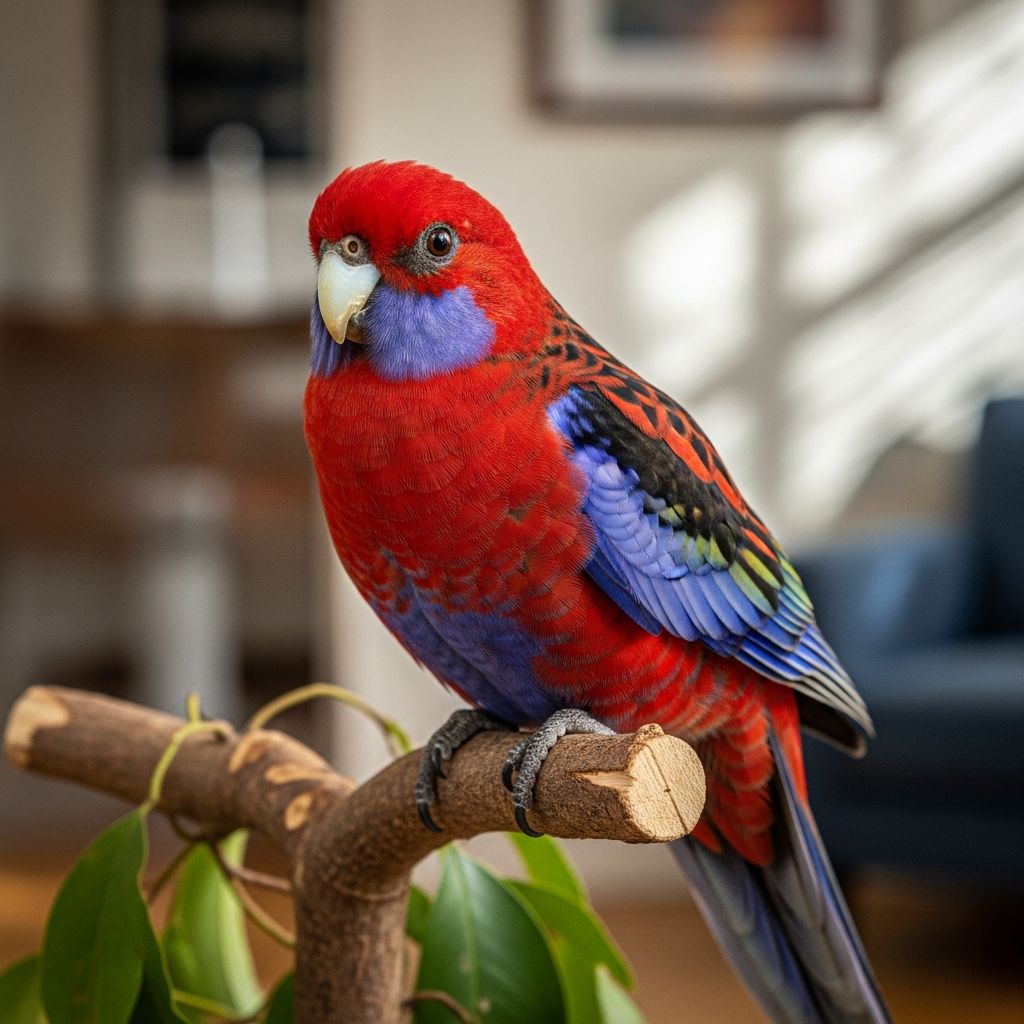
Rosellas belong to the Platycercus genus and stand out as compact parrots native primarily to Australia, measuring around 30 cm in length. These birds feature striking plumage that makes them highly sought after by avian enthusiasts worldwide. Known for their adaptability to both wild and captive environments, rosellas thrive in various settings when provided with proper care.
Origins and Natural Environments
In the wild, rosellas inhabit coastal regions, open woodlands, grasslands, and even urban parks across southeast Australia and nearby islands. Species like the Eastern Rosella frequent timbered areas from seaboard to inland plains, often spotted in pairs or small flocks. They nest in tree hollows high above ground, fence posts, or logs, demonstrating remarkable flexibility. Their presence in suburban gardens highlights their tolerance for human proximity, frequently landing near feeders.
These parrots forage on the ground for seeds, fruits, berries, nectar, and insect larvae, especially during breeding seasons when protein demands increase. Vocalizations include loud ascending calls, metallic piping, screeches for alarms, and soft chatter while feeding. This blend of habitat versatility and social behavior translates well to pet life.
Diverse Species of Rosellas
Rosellas divide into groups like white-cheeked and blue-cheeked varieties, each with unique markings. The Eastern Rosella (Platycercus eximius) boasts a red head, white cheeks, black nape and back edged in yellow-green, blue-green rump, and blue tail feathers in males; females appear duller.
- Eastern Rosella: Red head, yellow-green edged black feathers, blue wings and tail.
- Crimson Rosella: Vibrant red with blue cheeks, common in eastern Australia.
- Western Rosella: Smaller at 28 cm, dark brown with white cheeks, yellow scalloped belly, bluish-green tail.
- Golden Mantled and Tasmanian Eastern: White-cheeked with golden hues.
- Adelaide Rosella: Blue-cheeked variant.
Males typically display brighter colors, while juveniles and females have subdued tones, maturing fully after 12 months. These distinctions aid in species identification and selection for pets.
Why Choose Rosellas as Companions?
Rosellas charm with multicolored feathers—red heads, yellow-green accents, blue wings—and lively whistles or chatters. They live up to 30 years, offering long-term bonds. Friendly and undaunted by humans, they often feed from hands in gardens and adapt to aviaries or homes if hand-tamed young.
Unlike noisier parrots, rosellas remain relatively quiet, ideal for apartments, though they vocalize during feeding or alerts. Their gentle nature suits families, but they may show aggression toward other parrot species, necessitating separate housing. Stress-sensitive, especially untamed adults, they benefit from calm environments to prevent feather-plucking. Some mimic words or whistles, adding interactive fun.
Essential Housing Requirements
For optimal health, house rosellas in spacious aviaries mimicking their natural setups. Outdoor enclosures allow ground foraging but demand vigilant cleaning to avert fungal or worm issues. Minimum dimensions: 2m long x 1m wide x 2m high for one pair, with perches, branches, and toys for enrichment.
| Enclosure Type | Size Recommendation | Key Features |
|---|---|---|
| Indoor Cage | 60x60x90 cm (single bird) | Horizontal bars, multiple perches, toys |
| Outdoor Aviary | 3x2x2.5 m (pair) | Shelter, plants, bathing area, secure mesh |
| Flight Cage | 1.5×0.8×1.2 m | Daily out-of-cage time essential |
Provide natural branches for beak health, swings, puzzles, and chew toys. Maintain temperatures above -10°C for hardy birds, with drafts avoided. Clean weekly, disinfect monthly to prevent psittacosis.
Nutrition and Feeding Guide
A balanced diet mirrors wild foraging: seeds, fruits, veggies, and proteins. Base on quality medium parrot pellet mix (50-60%), supplemented with fresh produce.
- Seeds/Grains: Millet, sunflower, sprouted oats (20-30%).
- Fruits: Apples, berries, pears (daily, no avocado).
- Vegetables/Greens: Kale, carrots, broccoli.
- Proteins: Insect larvae sparingly during breeding.
- Minerals: Cuttlebone, sepia, limestone.
Avoid excess animal proteins to prevent hormonal issues. Offer clean water daily, mist for bathing. Feed twice daily, removing uneaten fresh foods.
Health Management and Common Issues
Rosellas enjoy robust health but require monitoring. Watch for fungal infections, intestinal worms from ground foraging, and psittacosis (chlamydia)—symptoms include lethargy, ruffled feathers, diarrhea. Annual vet checkups with avian specialists recommended.
Prevent self-plucking via stress reduction: stable routines, companionship, enrichment. Obesity arises from seed-heavy diets; balance prevents it. Lifespan reaches 15-30 years with care. Quarantine new birds 30-45 days.
Breeding Rosellas in Captivity
Breeding occurs seasonally: northern birds September-January, southern February-June. Pairs form strong bonds; males court with bowing, calls, mutual feeding. Provide nest boxes (30cm deep, eucalyptus shavings) 1-3m high.
Females lay 4-6 eggs, incubate 19-22 days; chicks fledge in 30 days, parent-reared for months. One-two broods yearly. Hybrids possible if species mixed—avoid for purity. Success demands spacious aviaries, calcium boosts, 12-14 hour light cycles.
Daily Care Routine and Training
Interact daily: 2-4 hours out-of-cage for hand-tamed birds. Training uses positive reinforcement—treats for step-up, whistle mimicry. Socialize young for bonding; adults need patience.
Routine: Morning feed, play; afternoon baths, veggies; evening quiet. Trim wings/nails if needed, but natural wear preferred.
Frequently Asked Questions
Are rosellas good for beginners?
Yes, if committed to aviary setup and socialization; less demanding than large parrots.
Can rosellas talk?
Limited vocabulary, better at whistling tunes.
What do rosellas eat daily?
Pellets, seeds, fruits, veggies; vary for nutrition.
Do rosellas need a mate?
Single birds thrive if human-bonded; pairs for breeders.
How long do pet rosellas live?
15-30 years with proper care.
Choosing Your Rosella
Select from reputable breeders: check health, parent-raised birds, vet records. Observe alertness, clean feathers, social behavior. Budget for initial setup ($500+) and ongoing ($50/month).
Rosellas reward dedication with vibrant beauty, engaging antics, and loyalty, making them standout pets for dedicated owners.
References
- Eastern Rosella – Harmony Wild Bird — Harmony Wild Bird. Accessed 2026. https://www.harmonywildbird.com.au/articles/eastern-rosella
- Rosellas Make Great Companions — Birds.com. Accessed 2026. https://www.birds.com/blog/rosellas-make-great-companions/
- Rosella Personality, Food & Care — Lafeber Co. Accessed 2026. https://lafeber.com/pet-birds/species/rosella/
- Rosella — ZooBonus. Accessed 2026. https://zoobonus.ua/en/breed/rosella
- Rosellas as Pets: Species Spotlight — YouTube (PangoVet channel). 2026. https://www.youtube.com/watch?v=01ePRtOT1O4
Similar Articles





Read full bio of medha deb