
Rosella Personality, Food & Care – Complete Guide
Discover vibrant rosellas: personality, diet, care tips, and what to know before bringing one home.
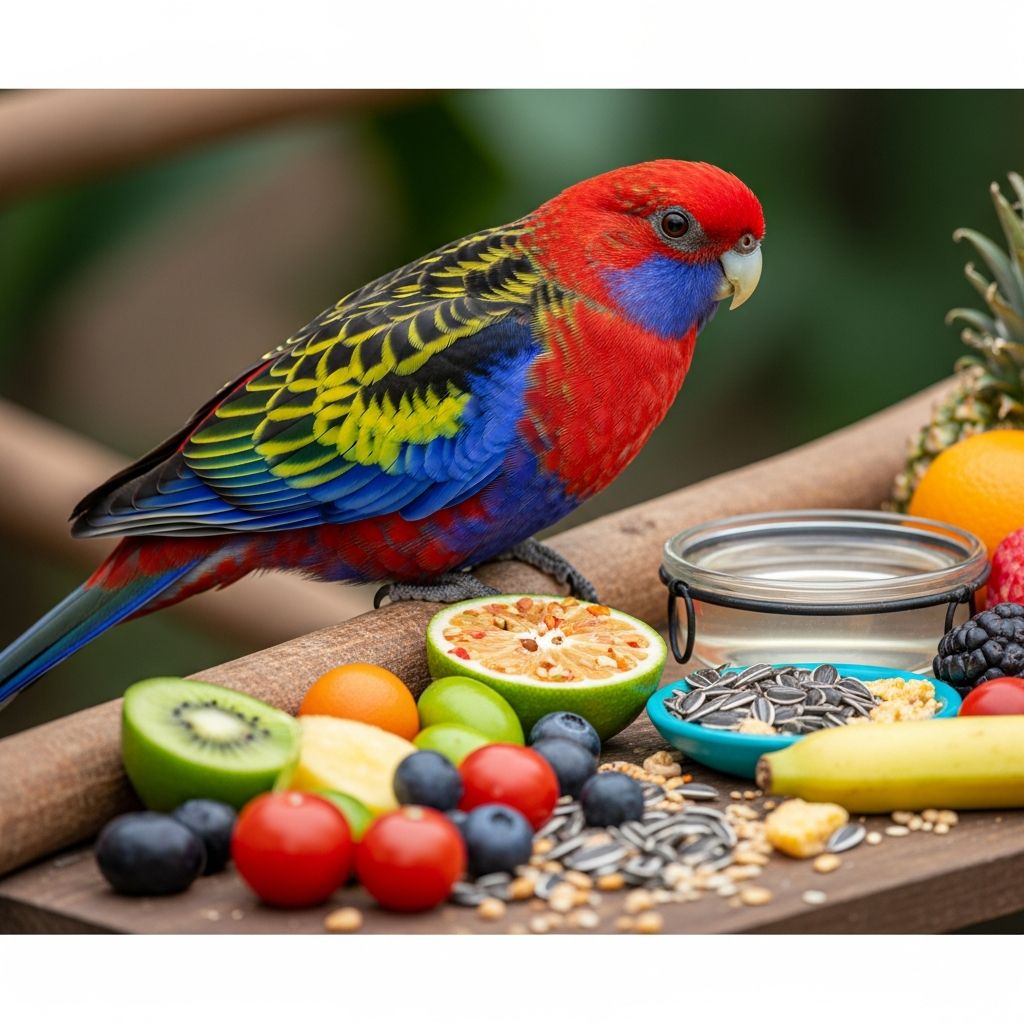
Rosella Personality, Food & Care – Pet Birds
With their vibrant colors and distinctive long tails, rosellas are among the most visually striking parrot species available as pets. These medium-sized Australian natives have captured the hearts of bird enthusiasts worldwide, yet they require specific care, understanding, and commitment. Whether you’re considering adding a rosella to your home or seeking to enhance the care of an existing companion, this comprehensive guide covers everything you need to know about these fascinating birds.
What Is A Rosella?
Rosellas are often sought out as pet birds because of their striking appearance and engaging personalities. These medium-sized parrots range from 26 to 37 centimeters (10 to 14.5 inches) in length, with long tails that give them an elegant and distinctive profile. They tend to be kept in an aviary setup with others of their kind; however, a well-socialized, hand-tamed rosella can be a sociable and entertaining companion. Their vibrant plumage displays combinations of reds, blues, yellows, and greens, with unique colored patches on their cheeks that distinguish them from other parrot species.
One of the defining characteristics of rosellas is their relatively long lifespan. With proper care, these birds can live for more than 20 years in captivity, with some individuals reaching up to 30 years old. This extended lifespan makes them a long-term commitment for potential owners, similar to adopting a companion animal for decades rather than years.
Native Region and Natural Habitat
Rosellas are native to southeast Australia and nearby islands, where they have adapted to diverse environments over thousands of years. In their natural habitat, these birds inhabit open forests, woodlands, gardens, and parks throughout Australia. They are most commonly found in coastal regions and are typically absent from the arid outback interior. Their wild diet consists of many native grass seeds, herbs, fruits, and flowering buds foraged from native vegetation.
Several rosella species have also established introduced populations in other regions. Notably, eastern rosellas have become established in New Zealand and on Norfolk Island, where they thrive in similar temperate climates. Understanding their native habitat preferences helps inform proper care in captive settings, where rosellas benefit from spacious environments that allow for natural behaviors and foraging opportunities.
Rosella Species and Characteristics
There are several distinct rosella species, each with unique coloration patterns and size variations:
| Species | Size | Appearance | Native Range |
|---|---|---|---|
| Western Rosella | 26 cm (10 inches) | Smallest rosella; males mostly red with yellow cheeks; females duller, green with reddish forehead | Southwest Australia |
| Crimson Rosella | 36 cm (14 inches) | Bright red overall; some types yellow or mixed red, orange, and yellow | East and Southeast Australia |
| Green Rosella | 37 cm (14.5 inches) | Largest rosella; yellow head with blue cheeks and red band above beak | Tasmania |
| Pale-headed Rosella | 30 cm (12 inches) | Mostly blue with cream-yellow head and upper chest | Eastern Australia |
| Eastern Rosella | 30 cm (12 inches) | Red head and white cheeks; black back with yellow or green edges | Australia, Tasmania, New Zealand |
| Northern Rosella | 28 cm (11 inches) | Black forehead and crown; white-on-blue cheek patches; pale yellow belly | Northern Australia |
Each species displays unique coloration patterns that make identification relatively straightforward. In most rosella species, males and females look very similar, though males tend to display more vibrant colors and have slightly larger beaks than females. The western rosella is an exception, where sexual dimorphism is more pronounced.
Personality and Behavior
While rosellas might not be inclined to cuddle or want to be petted like some other parrot species, they can be quite sociable if they are consistently interacted with and hand-tamed from a young age. These birds have distinctive personalities characterized by their active, playful nature and their tendency to engage with their environment and caregivers.
Rosellas make exceptional aviary birds and will retain their pet quality in a flighted situation if you take the time to regularly play and interact with them. They communicate through a variety of vocalizations, including whistles and chattering sounds that can be both charming and occasionally loud. In their natural behavior, rosellas are social birds that enjoy the company of other rosellas, making them well-suited to aviary environments with multiple birds of their species.
Unlike some other parrot species, rosellas do not typically engage in mutual preening behaviors. Their courtship displays are relatively simple, with males waving their tails sideways and bobbing their heads while females reciprocate these displays when interested. In the wild, they demonstrate natural foraging behaviors, holding food with their feet while eating and enjoying bathing in puddles of water.
Diet and Nutrition
Providing proper nutrition is fundamental to maintaining your rosella’s health and vitality throughout its long lifespan. Rosellas feed predominantly on seeds and fruit, with a natural behavior of holding food in their feet while eating. In captivity, a well-rounded diet should include high-quality parrot pellets as a base, supplemented with fresh fruits and vegetables.
Recommended dietary components include:
– High-quality pellet-based parrot food as the foundation- Fresh fruits such as apples, pears, and grapes- Fresh vegetables including lettuce, grass, and silver beet- Seeds and nuts in moderation- Flowering buds and native vegetation when available- Fresh, clean water available at all times
It’s important to avoid feeding rosellas foods that are toxic to birds, such as chocolate, salt, avocado, and caffeine. Additionally, pesticide-treated vegetation should never be offered, particularly for birds housed in outdoor aviaries where they may forage on the ground. Varying the diet seasonally to reflect natural food availability can enhance enrichment and nutritional completeness.
Housing and Aviary Setup
Rosellas are typically housed in an aviary setup with others of their kind, as they are naturally social birds that benefit from species-appropriate companionship. When designing an aviary for rosellas, several factors should be considered to ensure their physical and psychological well-being.
An appropriate aviary should provide ample space for flight, with dimensions that allow birds to spread their wings fully and engage in natural flying behaviors. Perches of varying diameters should be provided, including branches that mimic natural wood textures. The aviary should include shelter from extreme weather conditions and predators, along with access to fresh water for bathing—a behavior rosellas particularly enjoy. Plants and natural vegetation can be incorporated into the aviary design to provide foraging opportunities and environmental enrichment.
For rosellas housed in outdoor aviaries, careful attention must be paid to cleanliness and sanitation, as ground-foraging birds are more susceptible to certain infections and parasites. Regular enclosure maintenance, including removal of soiled substrate and disinfection, is essential for disease prevention.
Breeding and Nesting
Rosellas are relatively easy to breed in captivity, making them popular among aviculturists. Like most parrots, they are cavity nesters, generally nesting high in older, large trees in forested areas. In captive settings, providing appropriately designed nest boxes will encourage breeding behavior.
A female rosella typically lays a clutch of four to seven eggs, with eggs being incubated for approximately 21 days by the female alone. During this incubation period, the male is responsible for feeding the female, providing essential nutrition for successful egg development. After chicks hatch, the male continues to feed the female for some time while she tends to the nestlings.
Baby rosellas are born covered in soft white down and remain in the nest for approximately five weeks before fledging. Young rosellas often display green feathers initially, which gradually change to adult coloration as they mature. Successful breeding requires proper nutrition, appropriate nesting facilities, and minimal disturbance during the breeding season.
Health and Common Conditions
Rosellas are generally hardy birds, but they may be susceptible to certain health conditions, particularly when housed in outdoor aviaries. Understanding these potential health concerns allows for early detection and prompt treatment.
Common health issues in rosellas include:
– Fungal infections, particularly related to damp or unsanitary aviary conditions- Intestinal worm infections, especially in ground-foraging birds in outdoor aviaries- Psittacosis, a bacterial infection that can affect multiple birds in close proximity- Nutritional deficiencies resulting from improper diet- Respiratory issues from poor air quality or drafty housing
Housing a rosella in an outdoor aviary requires diligence in keeping the enclosure clean and dry. Regular health monitoring, including observation of eating habits, activity levels, and droppings, can help identify potential problems before they become serious. Consultation with an avian veterinarian experienced in treating parrots is recommended for any health concerns.
Aggressiveness and Social Compatibility
All rosella species have a reputation for being somewhat aggressive in captivity, particularly toward other caged birds. This behavior stems from their natural territorial instincts and competitive feeding behaviors. Because of this tendency toward aggression, rosellas are recommended to be kept separate from other bird species that might be targets of bullying or aggressive interactions.
Within their own species, rosellas can coexist peacefully in appropriately sized aviaries with sufficient space and resources. However, introducing new birds to an established group should be done carefully and gradually, with close monitoring during the adjustment period. Providing multiple feeding stations and perches can reduce competition and territorial disputes among birds sharing an aviary.
Are Rosellas Good Pets?
Whether a rosella is an appropriate pet depends largely on individual circumstances and expectations. These birds are undoubtedly beautiful and can provide years of companionship and entertainment for dedicated owners willing to meet their specialized needs.
Rosellas are best suited for individuals or families who can provide:
– Spacious aviary or flight housing- Consistent daily interaction and enrichment- Proper nutrition and veterinary care- Understanding of their natural behaviors and limits- Long-term commitment spanning decades- Tolerance for their vocalizations and occasional aggressive tendencies
Well-socialized, hand-tamed rosellas can develop strong bonds with their caregivers and demonstrate remarkable personality and playfulness. However, they are not ideal for those seeking a cuddly, lap bird or for homes with young children who cannot respect the birds’ boundaries.
Frequently Asked Questions About Rosellas
Q: How long do rosellas live?
A: Rosellas can live for more than 20 years in captivity, with many individuals reaching 30 years or more with proper care and nutrition.
Q: Can rosellas be kept indoors?
A: While rosellas can be kept indoors in appropriately sized cages or aviaries, they are best suited to outdoor aviary setups where they can engage in natural behaviors and benefit from natural light and air circulation.
Q: Are rosellas loud?
A: Yes, rosellas are vocal birds that communicate through whistling and chattering sounds. They can be quite loud, particularly during early morning and evening hours.
Q: Do rosellas need to be kept in groups?
A: Rosellas are social birds that generally thrive in groups of their own species. However, well-socialized, hand-tamed individual rosellas can bond with human caregivers and be kept singly.
Q: What is the difference between male and female rosellas?
A: Males typically display more vibrant coloration and have slightly larger beaks than females. Females may have slightly rounder heads. The western rosella shows more pronounced sexual dimorphism than other species.
Q: Can rosellas be trained?
A: Yes, hand-tamed rosellas can learn to respond to their names, perform tricks, and interact with their caregivers through consistent, positive reinforcement training.
References
- Rosella – Wikipedia — Wikipedia. Accessed 2025-11-28. https://en.wikipedia.org/wiki/Rosella
- Rosella Facts for Kids — Kiddle Encyclopedia. Accessed 2025-11-28. https://kids.kiddle.co/Rosella
- Rosella Personality, Food & Care – Pet Birds by Lafeber Co. — Lafeber Company. Accessed 2025-11-28. https://lafeber.com/pet-birds/species/rosella/
- The Australian Rosella: A Comprehensive Guide — Koi Knives. Accessed 2025-11-28. https://www.koiknives.com/blogs/oz-pocket-knives-the-aviary-almanac/rosella-the-australian-rosella-a-comprehensive-guide
- Pale-headed Rosella — Birds in Backyards. Accessed 2025-11-28. https://www.birdsinbackyards.net/species/Platycercus-adscitus
Similar Articles








Read full bio of medha deb


