

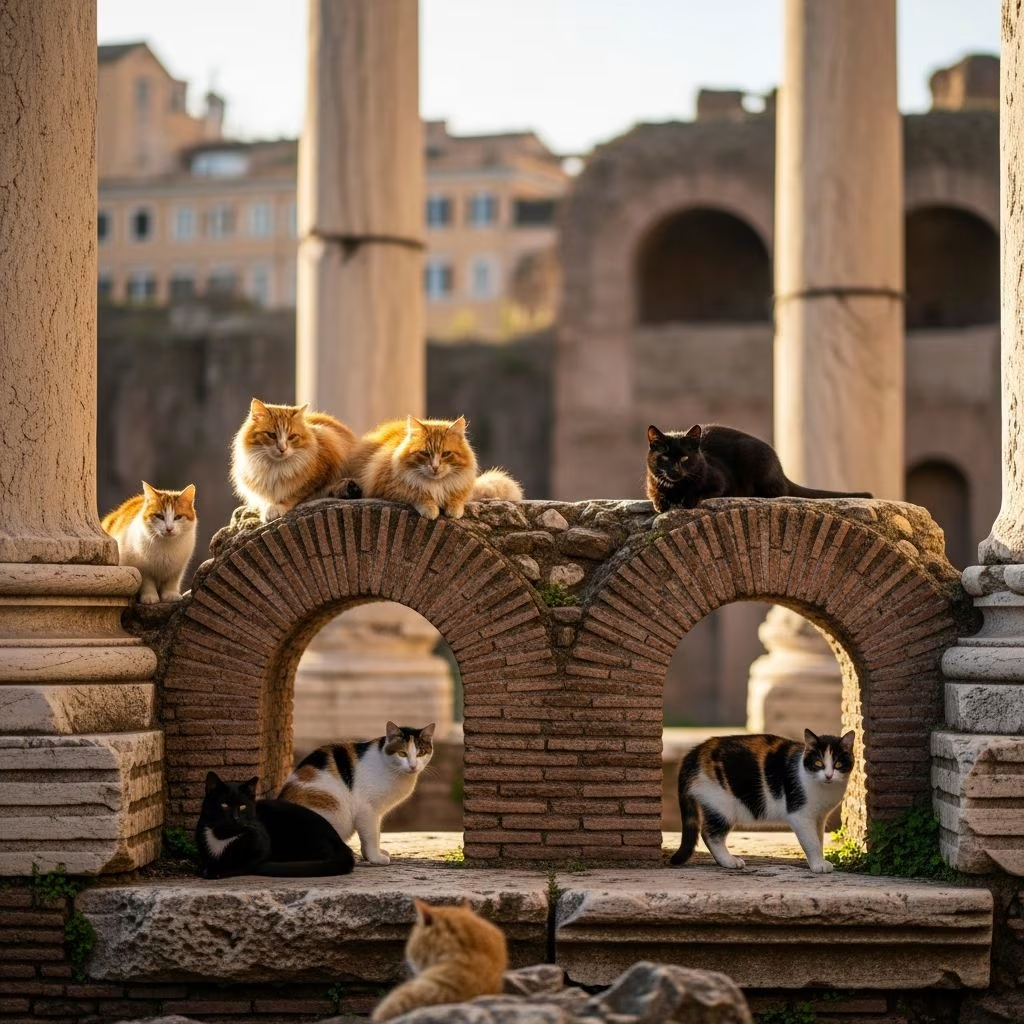
In the bustling center of Rome, where ancient history whispers through cracked stones, lies a remarkable refuge for stray cats. The Torre Argentina Cat Sanctuary transforms the sunken ruins of Largo di Torre Argentina into a safe haven for around 150 felines, many with disabilities or illnesses. This unique blend of archaeology and animal welfare draws visitors worldwide, offering a poignant reminder of compassion amid antiquity.
The Magical Fusion of Ruins and Rescued Cats
Picture columns from Republican-era temples serving as perches for sunbathing cats, and weathered steps doubling as cozy beds. Excavated in 1929 during Mussolini’s urban renewal, the site revealed four temples and part of Pompey’s portico, now 20 feet below street level. Feral cats claimed it immediately, drawn to its nooks and crannies for shelter and hunting grounds.
Rome’s ancient ruins naturally attract strays due to abundant prey like rodents and birds, plus protection from weather. Before organized rescues, locals informally fed these colonies, fostering a tradition of feline care that echoes back to Roman times when cats were revered for pest control and linked to goddess Diana.
From Feral Colony to Official Shelter
The sanctuary’s formal story begins in 1993 when dedicated women organized care for the growing cat population. Today, volunteers provide food, medical attention, and socialization from an underground office beneath the ruins. This space includes a clinic for treatments, a gift shop for donations, and adoption areas.
Roman law protects these cats, ensuring their right to live freely in historic sites. In 2012, amid excavation threats, over 30,000 signatures from global supporters secured the sanctuary’s future, highlighting its cultural significance.
Core Mission: Controlling Rome’s Stray Population
- Trap-Neuter-Return (TNR): The primary focus is spaying/neutering cats in the colony and across citywide groups, partnering with vets for vaccinations and health checks.
- Medical Care: Special attention for elderly, injured, or disabled cats, with many residents needing ongoing support.
- Adoption Outreach: Healthy cats find forever homes internationally, reducing colony size sustainably.
- Education: Volunteers inform visitors about TNR’s role in humane population control.
This approach has sterilized thousands, curbing overpopulation while maintaining the cats’ presence in their historic home.
Unveiling the Archaeological Treasures
Largo di Torre Argentina isn’t just a cat spot; it’s a Republican-era gem. Key features include:
| Temple/Site | Date | Significance |
|---|---|---|
| Temple A (Juturna) | 3rd century BCE | Dedicated to water nymph; oldest in site. |
| Temple B | Unknown | Mystery structure, possibly round. |
| Temple C (Fortuna Huiusce Diei) | 3rd century BCE | Honors Fortune of This Day. |
| Temple D (Feronia?) | 2nd century BCE | Linked to liberty goddess. |
| Pompey’s Curia | 44 BCE | Assassination site of Julius Caesar. |
These remains, once a vibrant sacred area near Pompey’s Theatre, now host cats lounging on sacred pillars.
Daily Life in the Sanctuary
Volunteers arrive early to feed residents high-quality kibble and fresh water. Mornings involve cleaning enclosures and administering meds. Afternoons see playtime and visitor interactions, with cats greeting guests from atop ruins. Evenings focus on monitoring health and preparing for night.
Cats exhibit distinct personalities: some bold explorers scamper across temples, others prefer quiet corners. Disabled felines have custom ramps and soft bedding in the shelter.
Planning Your Visit: Practical Guide
Open daily from 12:00 PM to 4:30 PM (extended in summer), entry is free but donations are welcomed. Access via stairs from Via Arenula corner; look for the cat sign.
- Location: Largo di Torre Argentina, 00186 Rome (near Pantheon).
- Public Transport: Bus lines 64, 40, 46; tram 8.
- Rules: No feeding/touching without permission; respect viewing platforms.
- Shop: Buy cat-themed souvenirs, books on Roman cats.
- Volunteer: Inquire on-site for short-term help like cleaning or adoption events.
From street level, spot cats basking; descend for closer views and staff chats. Peak times bring crowds, but the serene atmosphere persists.
Beyond Torre Argentina: Rome’s Other Cat Colonies
Rome hosts multiple sanctuaries:
- Protestant Cemetery (Piramide Cestia): Near the pyramid, cares for strays in a poetic graveyard setting.
- Colosseum: Historic colony of over 200 cats amid gladiator echoes.
- Trastevere Shelters: Neighborhood groups manage local ferals.
These sites underscore Rome’s deep cat culture, from ancient mosaics to modern protection laws.
Adoption Stories: From Ruins to Homes
Success tales abound: a disabled tabby adopted by a U.S. family, or kittens airlifted to Europe. The process involves health checks, home visits, and transport coordination. International adoptions thrive via the sanctuary’s website.
Visitors often leave with tales of bonding, like the cat who chose a tourist’s lap during a tour.
Challenges and Future Outlook
Tourism brings funding but also disturbances. Funding relies on donations amid rising vet costs. Climate change affects outdoor living, prompting shelter expansions. Yet, global support via social media (hundreds of thousands followers) sustains efforts.
Future plans include enhanced facilities and broader TNR outreach, ensuring cats’ legacy endures.
Frequently Asked Questions (FAQs)
How many cats live at Torre Argentina?
Approximately 130-150, including many disabled or senior felines.
Is the sanctuary free to visit?
Yes, donations appreciated; open daily 12-4:30 PM.
Can I adopt a cat from there?
Yes, contact volunteers for international processes via the website.
Why are cats protected in Rome?
By law, stemming from ancient reverence and modern welfare rules.
What happened to Julius Caesar here?
Assassinated in 44 BCE at Pompey’s Curia within the site.
Why This Sanctuary Captivates Hearts
Torre Argentina symbolizes harmony between past and present: emperors’ stones cradling modern strays. It educates on TNR, inspires volunteering, and preserves Rome’s feline heritage. Whether history buff or cat enthusiast, it offers unforgettable encounters.
References
- Torre Argentina Cat Sanctuary – Wikipedia — Wikipedia. 2024. https://en.wikipedia.org/wiki/Torre_Argentina_Cat_Sanctuary
- Torre Argentina (Roman Cat Sanctuary) in Rome | Atlas Obscura — Atlas Obscura. N/A. https://www.atlasobscura.com/places/torre-argentina-roman-cat-sanctuary
- Why Are There Cats In Rome Living In Ancient Ruins? — Our Little Lifestyle. N/A. https://ourlittlelifestyle.com/cats-in-rome/
- Torre Argentina Cat Sanctuary (2026) – Rome – Tripadvisor — Tripadvisor. 2024-10-27. https://www.tripadvisor.com/Attraction_Review-g187791-d4416917-Reviews-Torre_Argentina_Cat_Sanctuary-Rome_Lazio.html
- The Cat Sanctuaries of Rome: How They Support Stray Felines — Roman Cats. N/A. https://www.romancats.de
- Torre Argentina: A cat sanctuary amongst ancient Roman ruins — Sophie’s World. N/A. https://www.sophiesworld.net/cats-shelter-trastevere-rome-italy/
- Roman Cats Torre Argentina Cat Sanctuary — Gatti di Roma. N/A. https://www.gattidiroma.net/web/en/



