

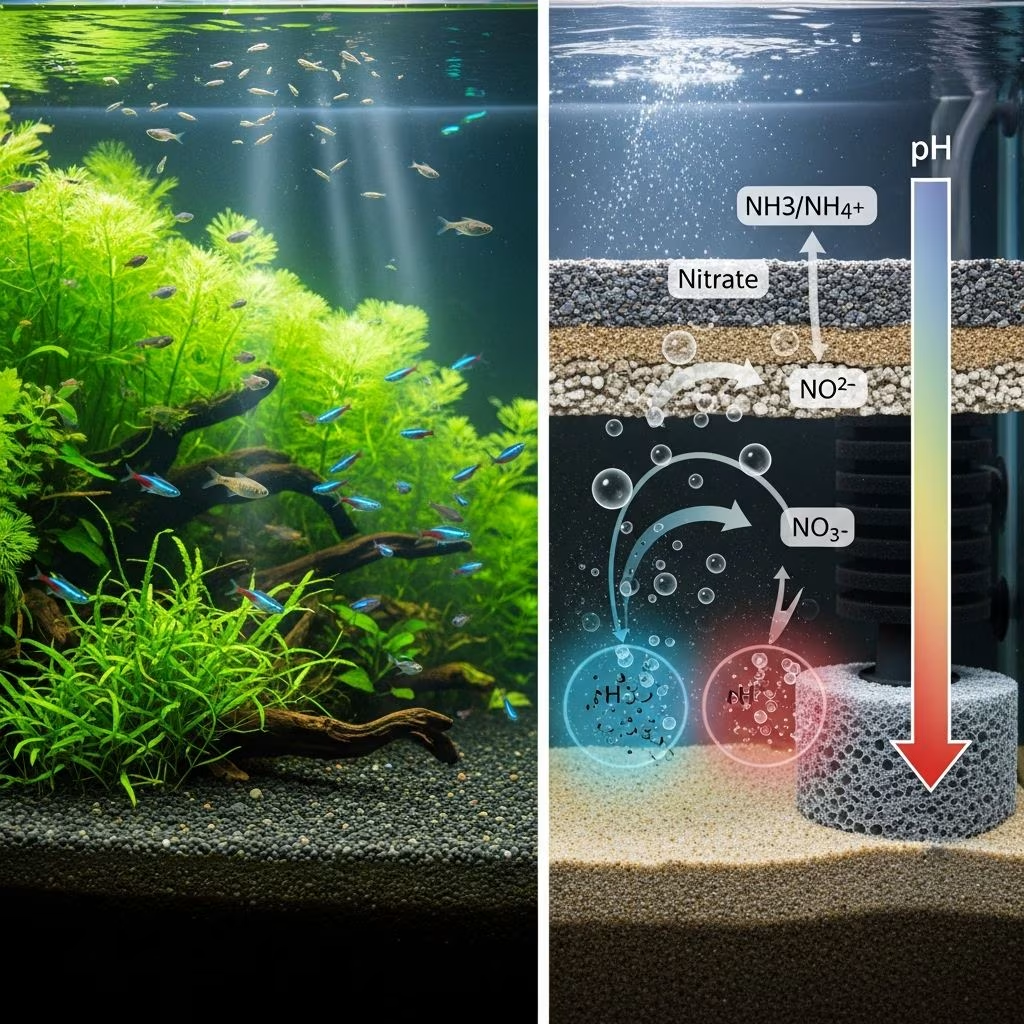
The Role of pH in the Aquarium Nitrogen Cycle
The nitrogen cycle is fundamental to maintaining a healthy aquarium environment, and pH plays a crucial role in determining how effectively this biological process operates. Understanding the relationship between pH and the nitrogen cycle is essential for any aquarium hobbyist who wants to create a stable and thriving ecosystem for their fish. This comprehensive guide explores how pH affects ammonia conversion, bacterial activity, and overall water quality in your aquarium.
Understanding the Nitrogen Cycle Basics
The nitrogen cycle in an aquarium is nature’s waste management system. When fish produce waste through their feces, urine, and uneaten food decomposition, toxic ammonia is released into the water. This ammonia must be converted into less toxic compounds through the actions of beneficial bacteria living in your filter media, gravel, and on surfaces throughout the tank. The process unfolds in three distinct stages, each presenting unique challenges and opportunities for aquarium management.
In the initial stage, fish waste breaks down into ammonia (NH₃), which is highly toxic even at concentrations as low as 2 ppm. During the second stage, Nitrosomonas bacteria oxidize ammonia into nitrite, which is also toxic to fish, with some species showing lethal reactions at just 1 ppm. In the final stage, Nitrobacter and Nitrospira bacteria convert nitrites into nitrates, which are far less toxic and can be managed through regular partial water changes. Understanding this process is the foundation for recognizing how pH impacts each stage.
How pH Affects Ammonia Toxicity
One of the most significant ways pH influences the nitrogen cycle is through its effect on ammonia toxicity. The relationship between pH and ammonia exists because ammonia can exist in two different chemical forms: toxic gaseous ammonia (NH₃) and less toxic ammonium (NH₄⁺). The pH of your water determines which form predominates in your aquarium.
At alkaline pH levels above 7, ammonia exists primarily in its gaseous form, making it highly aggressive and toxic to both fish and plant life in the aquarium. At neutral to acidic pH levels below 7, ammonia is chemically converted into ammonium, which is approximately 100 times less toxic than gaseous ammonia and can even be assimilated by aquatic plants as a nutrient source. This means that two aquariums with identical ammonia concentrations can have vastly different toxicity levels depending on their pH readings.
For example, an aquarium with a pH of 8.0 and 1 ppm ammonia may be more dangerous to fish than an aquarium with a pH of 6.5 and the same ammonia concentration, because most of the ammonia in the higher pH tank exists in the toxic gaseous form. This fundamental chemistry principle makes pH management critical during the initial cycling phase when ammonia levels spike.
pH Impact on Bacterial Activity
The beneficial bacteria responsible for converting ammonia and nitrite have specific pH preferences and activity levels. Nitrifying bacteria, including Nitrosomonas and Nitrobacter species, function optimally within certain pH ranges. When pH becomes too low or too high, bacterial activity slows dramatically, potentially stalling the nitrogen cycle and allowing toxic compounds to accumulate in the water.
During the nitrogen cycle, the bacterial oxidation of ammonia produces nitric acid and hydrogen ions, which naturally acidify the water. In aquariums with low carbonate buffering capacity (low KH), this can cause dramatic pH drops, sometimes falling from 7.4 to 6.0 or lower. When pH drops below optimal levels, bacterial activity decreases significantly, slowing the conversion of ammonia and nitrite. This creates a problematic situation where the very process meant to remove toxins actually inhibits its own progress through pH reduction.
In contrast, aquariums with high KH (carbonate hardness) and GH (general hardness) maintain more stable pH levels because the carbonates buffer against acidification. In these systems, calcium carbonate neutralizes the acidic byproducts of nitrification, converting nitric acid into calcium nitrate and carbon dioxide. The result is that pH remains relatively stable, bacterial activity continues unimpeded, and the nitrogen cycle progresses smoothly without the dangerous pH crashes seen in soft water aquariums.
The Cycling Process and pH Changes
When establishing a new aquarium, hobbyists often observe significant pH changes during the cycling period. Many report drops from initial levels around 7.4 to much lower levels during active cycling. However, the magnitude of pH change depends heavily on water chemistry parameters.
In aquariums with very low KH water and minimal buffering capacity, pH can drop dramatically as the nitrogen cycle produces acids. This drop typically stabilizes around pH 6.0 because bacterial activity virtually ceases at this pH level, preventing further acidification. The process becomes self-limiting, though not in a way that benefits the aquarium.
In aquariums with adequate buffering, such as those with hard water and high KH, pH changes during cycling are often negligible. The carbonate buffering system absorbs the acidic compounds produced by nitrification, maintaining pH stability and allowing bacterial colonies to continue their work effectively. For aquarists with high KH, well water, or added buffers, the cycling process typically proceeds without the dramatic pH swings that can stress fish and slow bacterial growth.
Ammonia to Ammonium Ratio and Temperature
The conversion of ammonia to ammonium is not only pH-dependent but also affected by water temperature. Lower water temperatures and lower pH both increase the proportion of ammonia that exists as the less toxic ammonium form. Conversely, higher temperatures and higher pH increase the proportion of toxic gaseous ammonia.
This relationship has important implications for aquarium management. Tropical tanks running at higher temperatures require more careful ammonia monitoring, especially if they also maintain higher pH levels. In these conditions, virtually all ammonia exists in its toxic gaseous form. Conversely, cooler water systems with lower pH keep ammonia predominantly in the safer ammonium form, providing a buffer against ammonia toxicity during cycling and under less-than-perfect conditions.
Understanding this ratio allows aquarists to make informed decisions about their tank setup. Tools such as ammonia-to-ammonium ratio calculators can help determine the exact proportion of each form at specific pH and temperature combinations, enabling more precise water quality management.
Testing and Monitoring During Cycling
Proper monitoring during the cycling phase is essential for ensuring that your nitrogen cycle establishes correctly while maintaining fish safety. Testing should focus on three key parameters: ammonia, nitrite, and nitrate.
Ammonia levels should ideally be zero in an established tank, but during cycling, you should aim to keep ammonia below 0.25 mg/L, especially if your pH is above 7. This precaution is critical because higher pH makes even modest ammonia concentrations more toxic. Testing should be performed regularly, particularly during the first two months of the startup phase.
Nitrite testing is equally important, as this compound is toxic even at low concentrations. The presence of significant nitrite indicates that either the biological balance has not yet established or that the nitrification process is disrupted. During normal cycling, nitrite typically rises after about one week and then gradually declines as Nitrobacter populations increase.
Nitrate testing confirms that the nitrogen cycle is functioning properly. The presence of detectable nitrate levels (typically over 10 ppm after four to eight weeks) indicates that the nitrification process is working effectively. Maintaining nitrate below 40-50 ppm through regular partial water changes prevents accumulation that can lead to reduced fish growth and excessive algae growth.
Importance of pH Stability
Maintaining pH stability is crucial for successful aquarium nitrogen cycle management. Dramatic pH fluctuations stress fish, inhibit bacterial activity, and disrupt the delicate balance of the nitrification process. Several factors contribute to pH stability:
Carbonate Hardness (KH): Higher KH values provide buffering capacity that resists pH changes. Aquariums with KH above 4 dGH typically experience much more stable pH than those with KH below 3 dGH. For aquarists with naturally soft water, adding buffers or mineral supplements can increase KH and stabilize pH.
Water Changes: Regular partial water changes help maintain pH stability by removing acidic compounds and replenishing buffering capacity. In soft water systems, water changes are particularly important for preventing excessive pH drops during cycling.
Substrate and Decorations: Certain substrates, particularly those containing limestone or crushed coral, slowly dissolve and buffer the water, increasing KH and pH stability. These materials work continuously over time to resist pH changes.
Biological Load: The amount of fish waste produced (biological load) directly affects the rate of acid production during nitrification. Tanks with higher bioloads produce more acid and experience greater pH pressure. Proper stocking levels and feeding practices help keep biological load manageable.
Optimal pH Ranges for Aquarium Success
While different fish species have varying pH preferences, most freshwater aquarium fish adapt well to pH ranges between 6.5 and 7.5. Within this range, ammonia toxicity is moderate, nitrifying bacteria remain active, and pH typically remains relatively stable with proper buffering.
For most community aquariums, targeting a pH around 7.0 represents an excellent compromise. At neutral pH, bacterial nitrification proceeds efficiently, ammonia converts to the less toxic ammonium form to a significant degree, and most fish species remain healthy and comfortable. Maintaining this pH is often easier than attempting to keep extremely acidic or alkaline conditions.
Specialized setups may target different pH ranges based on specific fish requirements. Discus and other South American species often prefer acidic conditions around 6.0-6.5, while African cichlids typically prefer more alkaline conditions around 7.5-8.0. Regardless of target pH, stability is more important than perfection. Frequent pH swings between 6.0 and 7.5 are more stressful to fish than consistent pH at 6.2 or 7.2.
Common pH Problems and Solutions
pH Drops During Cycling: If experiencing dramatic pH drops, test and increase KH through buffer additions or partial water changes with buffered water. Reduce feeding to decrease the biological load and acid production rate.
Difficulty Establishing the Cycle: Extremely low pH (below 6.0) can prevent bacteria from functioning. If pH is too low, increase KH and allow pH to rise toward 6.5-7.0 to promote bacterial growth.
Rapid pH Fluctuations: This indicates insufficient buffering capacity. Add commercial buffers, use substrate additives, or perform more frequent water changes to stabilize pH. Adding plants can also help stabilize pH and consume ammonium.
Consistently High pH: Hard water aquariums with high pH may have all ammonia in the toxic gaseous form. Increase water change frequency to manage ammonia toxicity, or consider adding tannin-producing materials like driftwood to gradually lower pH.
Role of Aquatic Plants
Aquatic plants significantly influence pH and nitrogen cycle dynamics. Plants directly consume ammonium, nitrogen compounds, and other nutrients, reducing the burden on bacterial nitrification. As plants consume hydrogen ions during nutrient assimilation, they can actually increase pH over time, counteracting the acidification caused by nitrification.
In heavily planted tanks, plant uptake of ammonia may reduce or eliminate the need for nitrifying bacteria in some cases, creating an alternative pathway for nitrogen processing. Additionally, plants provide surfaces for bacterial colonization and produce oxygen that benefits nitrifying bacteria. Established planted tanks typically cycle faster and maintain more stable pH than those without plants.
Advanced Nitrogen Cycle Processes
Beyond the basic three-stage nitrogen cycle, advanced aquarium systems may develop additional processes that depend heavily on pH and water conditions. Denitrifying bacteria, which convert nitrate back to nitrogen gas, establish in low-oxygen environments and can reduce the need for water changes by preventing nitrate accumulation. Anammox bacteria, which convert ammonium and nitrite directly to nitrogen gas, may also colonize specialized environments.
These advanced processes develop preferentially in certain pH ranges and water conditions. Understanding pH’s role in the basic cycle provides the foundation for recognizing how it influences these more complex biological processes.
Frequently Asked Questions
Q: What is the ideal pH for cycling an aquarium?
A: A pH between 6.5 and 7.5 is ideal for cycling, with 7.0 being optimal. This range maintains bacterial activity while moderating ammonia toxicity. Avoid extreme pH values during cycling.
Q: How does pH affect ammonia toxicity?
A: At alkaline pH (above 7), ammonia exists as toxic gaseous NH₃. At neutral/acidic pH (below 7), it converts to less toxic ammonium (NH₄⁺). Lower pH dramatically reduces ammonia toxicity.
Q: Why does pH drop during aquarium cycling?
A: The nitrification process produces nitric acid and hydrogen ions, which lower pH. This is most pronounced in soft water with low KH and minimal buffering capacity.
Q: Can low pH stop the nitrogen cycle?
A: Yes, if pH drops below 6.0, nitrifying bacteria activity virtually ceases, halting the nitrogen cycle. This creates a self-limiting situation that prevents further acidification.
Q: What KH level prevents pH crashes during cycling?
A: KH above 4 dGH typically provides sufficient buffering to prevent dramatic pH drops. Lower KH aquariums need careful monitoring and possible buffer additions.
Q: How does temperature affect the relationship between pH and ammonia?
A: Higher temperatures and higher pH both increase toxic ammonia proportion. Cooler water and lower pH keep more ammonia in the safer ammonium form.
Q: Should I use plants to help manage pH during cycling?
A: Yes, aquatic plants consume ammonia directly, reducing bacterial processing needs, and their nutrient uptake can increase pH over time, counteracting acidification from nitrification.
Q: What ammonia level is safe during cycling if pH is high?
A: If pH is above 7, keep ammonia below 0.25 mg/L as much as possible. Higher pH makes even small ammonia concentrations more toxic due to increased gaseous ammonia proportion.
References
- Nitrogen Cycle — Aquarium Science. 2024. https://aquariumscience.org/index.php/2-10-nitrogen-cycle/
- The Nitrogen Cycle — NT Labs. 2024. https://www.ntlabs.co.uk/knowledge-hub/the-nitrogen-cycle/
- Freshwater Aquarium Water Quality: The Nitrogen Cycle & Optimal Parameters — Aqueon. 2024. https://www.aqueon.com/articles/freshwater-aquarium-water-quality
- The Beginner’s Guide to the Nitrogen Cycle for Aquariums — Aquarium Coop. 2024. https://www.aquariumcoop.com/blogs/aquarium/nitrogen-cycle
- Aquarium Nitrogen Cycles Explained: A Complete Guide To Safe Water — Glass Box Diaries. 2024. https://glassboxdiaries.com/aquarium-nitrogen-cycle/



