
Rodenticide Toxicity In Animals: 4 Toxins, Symptoms & Treatment
Essential guide to recognizing, treating, and preventing deadly rodenticide exposures in pets and wildlife.
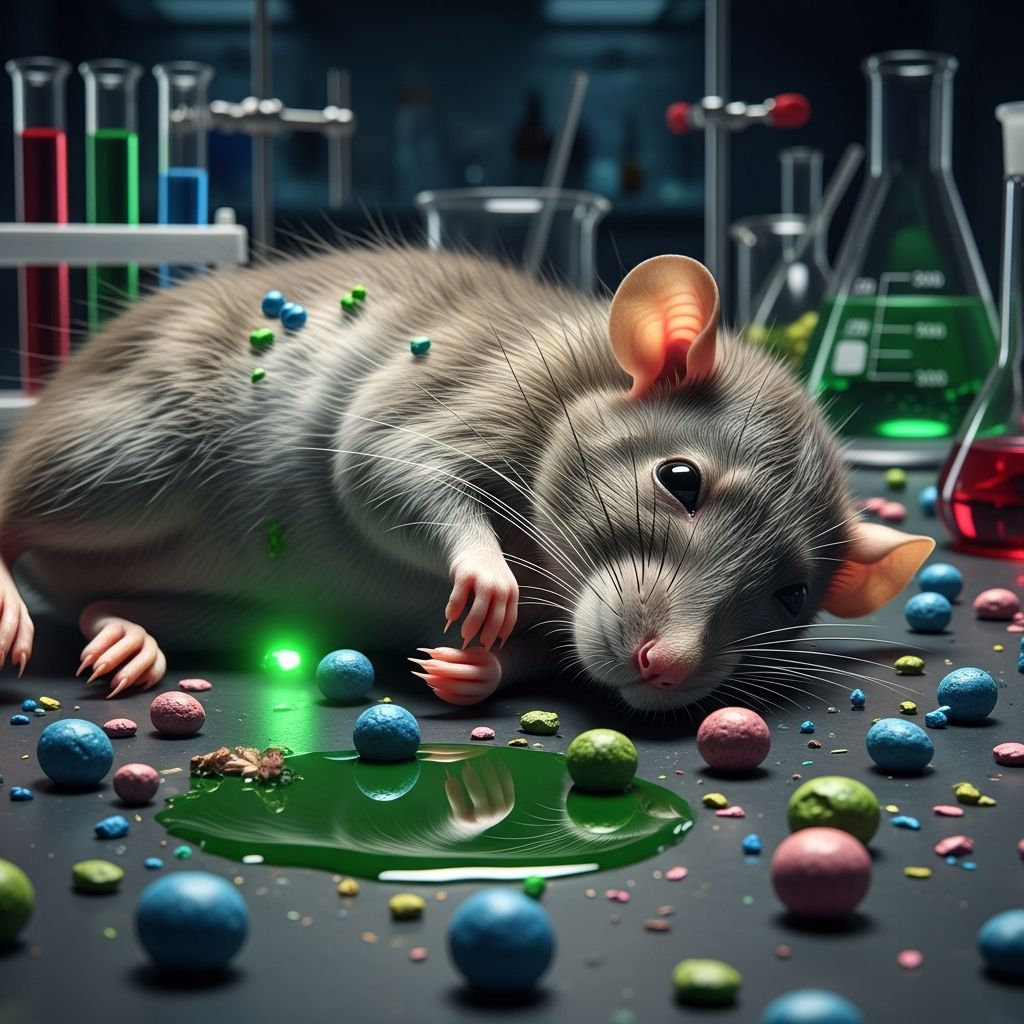
Rodenticide toxicity represents a major hazard for pets, livestock, and wildlife, stemming from baits designed to eliminate rodents but often ingested accidentally by non-target species. These poisons vary widely in mechanism and severity, demanding prompt identification and intervention to improve survival rates.
Common Classes of Rodenticides and Their Mechanisms
Rodenticides are categorized by active ingredients, each disrupting vital physiological processes in animals. Understanding these differences is crucial for effective management.
- Anticoagulants: These compounds, such as warfarin derivatives, inhibit vitamin K recycling, depleting clotting factors and leading to uncontrolled bleeding.
- Cholecalciferol (Vitamin D3): Overstimulates calcium absorption, causing hypercalcemia, tissue mineralization, and organ failure, particularly in kidneys.
- Bromethalin: Targets the central nervous system by disrupting sodium and fluid balance in brain cells, resulting in swelling and neurological collapse.
- Zinc Phosphides: React with stomach acid to release toxic phosphine gas, inducing rapid gastrointestinal and systemic toxicity.
Recent trends indicate a shift toward non-anticoagulant types like bromethalin and cholecalciferol due to regulatory changes, increasing exposure risks for companion animals.
Clinical Manifestations by Poison Type
Symptoms emerge at varying speeds depending on the toxin, dose, and animal species, often mimicking other conditions and complicating initial assessment.
Anticoagulant Effects
Signs typically delay 3-7 days post-ingestion as clotting factors deplete. Internal hemorrhages dominate, with pale gums, weakness, labored breathing from lung bleeding, bloody urine or stool, bruising, and abdominal swelling. External signs like nosebleeds occur less frequently but signal urgency.
Cholecalciferol Consequences
Onset occurs 18-48 hours after exposure, starting with lethargy, vomiting, increased thirst and urination. Progression brings hypercalcemia-induced kidney damage, bloody diarrhea, dehydration, and heart irregularities.
Bromethalin Neurological Impacts
High doses cause swift vomiting, tremors, seizures, and coma within hours. Lower exposures yield delayed hind-limb weakness, ataxia resembling paralysis from other causes, escalating to brain edema and death without antidote.
Phosphide Acute Reactions
Symptoms strike within an hour: violent vomiting, abdominal agony, bloody discharge, shock, convulsions, and respiratory failure from phosphine gas. A garlic-like odor may alert handlers to risks.
| Toxin Type | Onset Time | Primary Symptoms |
|---|---|---|
| Anticoagulants | 3-7 days | Bleeding (internal/external), pale membranes, dyspnea |
| Cholecalciferol | 18-48 hours | Vomiting, polydipsia, renal failure |
| Bromethalin | Hours to days | Ataxia, seizures, cerebral edema |
| Phosphides | <1 hour | Gastroenteritis, shock, phosphine odor |
Diagnostic Approaches
Diagnosis hinges on exposure history, clinical presentation, and targeted tests. Product identification guides specifics.
- Blood coagulation profiles (PT/PTT) for anticoagulants, often prolonged.
- Serum calcium, renal parameters, and imaging for cholecalciferol cases.
- Neurological exams and bromethalin-specific assays for CNS toxins.
- Stomach content analysis or zinc levels for phosphides, though gas dissipates quickly.
Imaging like radiographs or ultrasound detects internal bleeding or organ changes, while complete blood counts reveal anemia or thrombocytopenia.
Emergency Treatment Protocols
Swift action enhances outcomes; “treat the patient, not the poison” applies universally, with toxin-specific measures.
Decontamination Basics
Induce emesis if within 2 hours (veterinary supervision only), followed by activated charcoal to bind toxins. Avoid in phosphide cases due to gas risks—opt for antacids and ventilation.
Toxin-Specific Therapies
- Anticoagulants: Vitamin K1 orally for 2-4 weeks with fatty food for absorption; transfusions for severe hemorrhage; monitor clotting weekly.
- Cholecalciferol: Diuretics (furosemide), fluids, low-calcium diet, pamidronate; track calcium for 2+ weeks.
- Bromethalin: Supportive—mannitol for brain swelling, decontamination; no antidote.
- Phosphides: Supportive care, calcium gluconate, bicarbonate; handle outdoors.
Hospitalization often includes IV fluids, oxygen, and blood products. Survival past 24 hours bodes well for many.
Species Susceptibility and Risks
Dogs top exposure lists due to curiosity, followed by cats, livestock, and wildlife. Secondary poisoning via tainted rodents is rare but possible. Birds and mammals broadly suffer, with EPA shifts favoring deadlier alternatives.
Prevention Strategies for Pet Owners and Farmers
Proactive steps minimize incidents:
- Secure baits in tamper-proof stations, elevated or buried.
- Use alternatives like snap traps or natural predators.
- Educate on product labels; store inaccessible to pets.
- Monitor yards post-application; contact vets or poison control immediately on suspicion.
Awareness campaigns stress specific toxin identification over generic “rat poison” labels.
Prognosis and Long-Term Considerations
Early intervention yields high success, especially for anticoagulants (90%+ recovery with vitamin K1). Delayed or severe cases risk organ failure or fatality. Post-treatment monitoring ensures relapse prevention.
Frequently Asked Questions (FAQs)
What should I do if my dog ate rat poison?
Don’t wait for symptoms—call your vet or ASPCA Poison Control (888-426-4435) immediately. Provide product details for tailored advice.
How long do symptoms take to appear?
Varies: anticoagulants (days), others (hours). Assume exposure warrants action.
Is there an antidote for all rodenticides?
Only vitamin K1 for anticoagulants; others rely on supportives.
Can cats get secondary poisoning from poisoned mice?
Rare, but possible if multiple rodents consumed.
How to store rodenticides safely?
In locked cabinets, away from pet access; prefer enclosed bait stations.
This comprehensive overview equips guardians and professionals to combat rodenticide threats effectively.
References
- Rodenticide Poisoning — Kansas State Veterinary Diagnostic Laboratory. 2022-09. https://www.ksvdl.org/resources/news/diagnostic_insights/september2022/rodenticide-poisoning.html
- Rodenticide Poisoning – Special Pet Topics — Merck Veterinary Manual. Accessed 2026. https://www.merckvetmanual.com/special-pet-topics/poisoning/rodenticide-poisoning
- Anticoagulant Rodenticide Poisoning in Dogs — VCA Animal Hospitals. Accessed 2026. https://vcahospitals.com/know-your-pet/rodenticide-warfarin-poisoning-in-dogs
- Rodenticide Toxicity — Cornell Wildlife Health Lab. Accessed 2026. https://cwhl.vet.cornell.edu/resource/rodenticide-toxicity
- Rodenticide and Your Pet: What You Need to Know — ASPCA. Accessed 2026. https://www.aspca.org/news/rodenticide-and-your-pet-what-you-need-know
- Rodenticide Poisoning in Companion Animals — Kansas State Veterinary Diagnostic Laboratory. Accessed 2026. https://www.ksvdl.org/laboratories/toxicology/rodenticide-poisoning-companion-animals.html
- Overview of Rodenticide Poisoning in Animals — MSD Veterinary Manual. Accessed 2026. https://www.msdvetmanual.com/toxicology/rodenticide-poisoning/overview-of-rodenticide-poisoning-in-animals
Similar Articles








Read full bio of medha deb


