

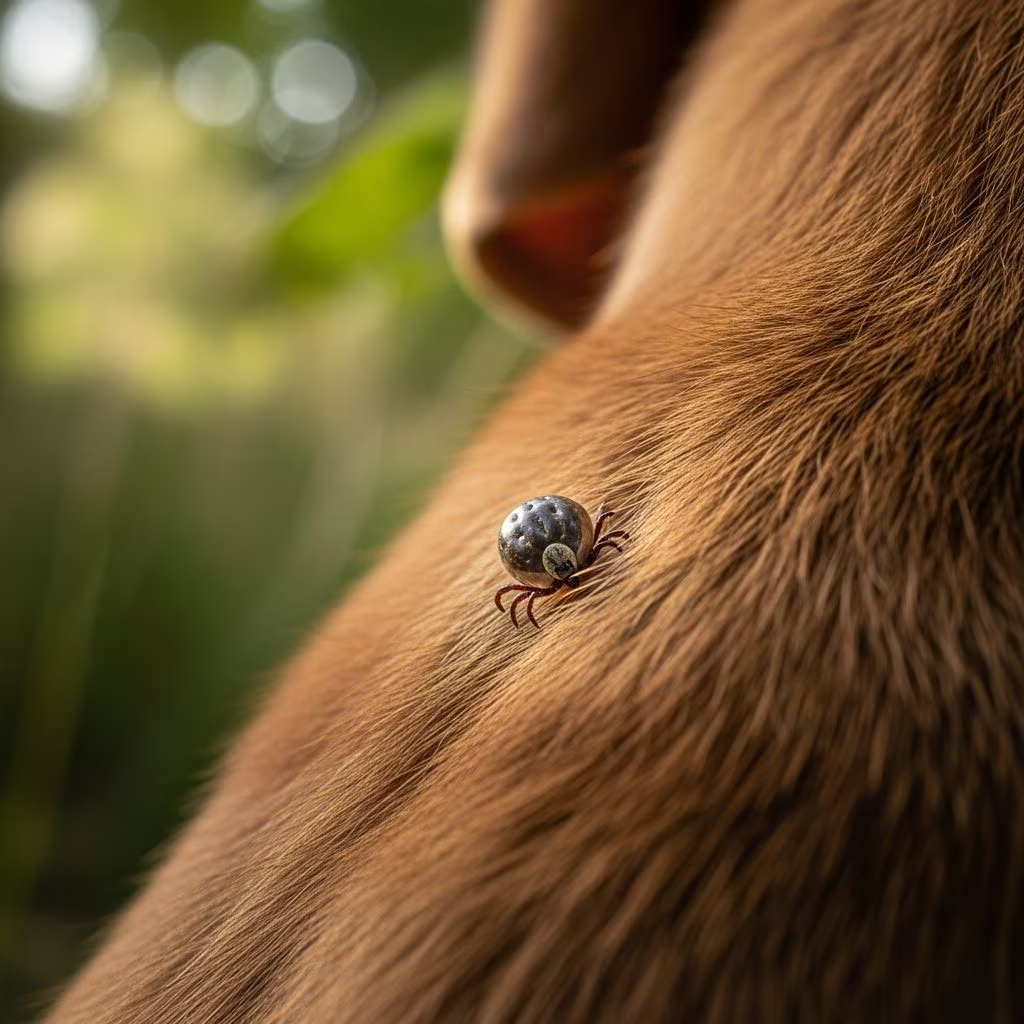
Rocky Mountain Spotted Fever in Dogs: A Comprehensive Guide
Rocky Mountain Spotted Fever (RMSF) is a serious bacterial infection that affects dogs and is transmitted through tick bites. Despite its name, this disease is not limited to the Rocky Mountain region and can occur throughout North America wherever infected ticks are present. Understanding this condition is essential for pet owners to recognize symptoms early and seek prompt veterinary care, as early treatment significantly improves outcomes and can prevent severe complications or death.
What is Rocky Mountain Spotted Fever?
Rocky Mountain Spotted Fever is caused by the bacterium Rickettsia rickettsii, which is transmitted to dogs through the bite of an infected tick. The disease affects multiple organ systems in the body and can range from mild to severe or even life-threatening if left untreated. The infection spreads through the bloodstream and can damage blood vessels throughout the body, leading to various clinical signs. Dogs can develop RMSF regardless of their age, breed, or geographic location, though the disease is more prevalent in certain regions and seasons when ticks are most active.
Symptoms and Clinical Signs of RMSF
The symptoms of Rocky Mountain Spotted Fever typically appear 2 to 14 days after a tick bite occurs. Clinical signs are often vague and non-specific, which can make diagnosis challenging for pet owners. Any organ system in the dog’s body can be affected, resulting in a wide range of potential symptoms. Understanding these signs helps pet owners recognize when their dog may need veterinary attention.
Common Symptoms Include:
- Fever (often reaching up to 105°F)
- Lethargy and decreased energy levels
- Loss of appetite (anorexia) or weight loss
- Painful muscles or joints
- Joint swelling and lameness
- Enlarged lymph nodes
- Swelling of the face or legs (peripheral edema)
- Abdominal pain
- Vomiting and diarrhea
- Coughing
- Nosebleeds
- Eye or nasal discharge
- Red spots (petechiae) or bruising (ecchymosis) on the skin or mucous membranes
Severe Symptoms
In more severe cases, additional symptoms may develop. Focal hemorrhages can occur in the eyes and gums, and nosebleeds may appear in severe infections. Some dogs experience neurological signs such as wobbling when walking (ataxia) and painful hypersensitivity. In extreme cases where there are numerous parasites present, extensive damage to blood vessels can cause necrosis (tissue death) of the extremities. Other potential symptoms include tremors, swollen testes or scrotal edema, crusty eyes, clear nasal discharge, excessive salivation, and bloody stools.
How is RMSF Transmitted?
Rocky Mountain Spotted Fever is transmitted exclusively through the bite of infected ticks. The primary vectors include the American dog tick, Rocky Mountain wood tick, and other tick species that carry the bacterium. When an infected tick bites a dog, the bacteria enter the bloodstream and begin to multiply, causing systemic infection. The risk of transmission increases during tick season, typically spring through fall, though ticks can be active year-round in some climates. Dogs that spend time outdoors, particularly in wooded or grassy areas, face the highest risk of exposure.
Diagnosis of Rocky Mountain Spotted Fever
Diagnosing RMSF can be challenging because the symptoms are non-specific and similar to other tick-borne diseases. Veterinarians typically rely on a combination of clinical signs, patient history, and laboratory tests to confirm the diagnosis. Blood tests may include serological testing to detect antibodies against Rickettsia rickettsii, though these tests may not show positive results in the early stages of infection. A complete blood count (CBC) may reveal decreased red blood cells (anemia) and decreased platelets (thrombocytopenia). Because early treatment is crucial for successful management, veterinarians often begin antibiotic therapy before confirmatory test results are available if RMSF is suspected based on clinical presentation.
Treatment of Rocky Mountain Spotted Fever
Antibiotic Therapy
The definitive treatment for RMSF is a course of antibiotics. Early antibiotic treatment is crucial for successful management, as delayed treatment can worsen the disease and prognosis significantly. Doxycycline is the preferred antibiotic for most cases and is the drug of choice for treating RMSF in dogs, just as it is in humans.
Doxycycline Dosing: Doxycycline can be given at a dose of 5 mg/kg every 12 hours or 10 mg/kg every 24 hours, either orally or intravenously, for 7 to 21 days depending on the severity of the infection and the specific dosing regimen chosen. A recommended treatment course typically lasts 10 to 21 days. Some veterinarians recommend prolonged treatment of 14 to 28 days when coinfection with another vector-borne disease is suspected, as dogs can contract multiple tick-borne illnesses simultaneously.
Alternative Antibiotics: While doxycycline is preferred, other antibiotics may be used in certain situations. Tetracycline (Achromycin®, Medicycline®, Sumycyn®, Tetracyn®) is also effective but requires more frequent administration at 22 mg/kg orally every 8 hours for 14 to 21 days. Enrofloxacin (Baytril®) and chloramphenicol (Chloromycetin®, Viceton®) are additional options that may be used for similar durations. Each medication has its own advantages and disadvantages, and your veterinarian will discuss the best option for your specific pet. It is important to note that doxycycline and tetracycline should not be given to young animals or females that could become pregnant due to potential effects on developing teeth and bones.
Supportive Care
In addition to antibiotic therapy, supportive care plays an important role in helping dogs recover from RMSF. Many dogs respond well to antibiotic treatment alone and show notable improvement within 24 to 48 hours after starting medication. However, dogs suffering from severe cases may require additional support.
Supportive care may include:
- Intravenous fluid therapy to correct dehydration
- Appetite stimulants to encourage eating
- Pain medications to manage discomfort
- Blood transfusions to treat anemia in severe cases
- Prednisone (1-4 mg/kg orally every 24 hours) to help with immune-mediated complications
Hospitalization
Hospitalization may be necessary if your dog is not eating, showing evidence of organ failure, or requires intravenous fluid therapy. Many dogs will require hospitalization for two to three days to receive IV fluids, supportive care, and antibiotics. Dogs can usually be discharged once their fever breaks and they are consistently eating and drinking on their own. As soon as your dog’s condition becomes stable, antibiotic treatment can typically be continued at home.
Recovery and Prognosis
The prognosis for dogs with Rocky Mountain Spotted Fever depends largely on the timing of treatment initiation. With early antibiotic therapy and supportive care, most dogs will recover completely and have excellent outcomes. RMSF can be cured in dogs, and those that successfully recover develop immunity to reinfection and appear to be protected from future infections with Rickettsia rickettsii.
Most dogs begin to improve within 24 to 48 hours after starting antibiotic therapy, with defervescence (fever reduction) and improvement in energy and appetite occurring within days after the first dose. Improvement is usually seen quickly, especially if treatment begins early in the disease course. Most dogs recover completely with no relapses, as long as treatment is not stopped early and the full course of antibiotics is completed as prescribed.
Without treatment, however, RMSF can be fatal. The estimated fatality rate for untreated infected dogs is 1 to 10 percent. This underscores the critical importance of seeking veterinary care as soon as RMSF is suspected. Dogs that receive delayed treatment have significantly worse outcomes and higher mortality rates.
Prevention of Rocky Mountain Spotted Fever
The best way to protect your dog from Rocky Mountain Spotted Fever is through tick prevention and control. Several options are available to help keep your dog tick-free:
- Topical tick prevention products applied monthly or as directed
- Oral tick prevention medications
- Tick collars that release protective substances
- Regular grooming and checking for ticks, especially after outdoor activities
- Avoiding heavily wooded or grassy areas during peak tick season when possible
- Keeping your yard maintained to reduce tick habitats
Your veterinarian can recommend the most appropriate tick prevention method for your dog based on their age, health status, and lifestyle. Consistent year-round tick prevention is the most effective way to reduce the risk of tick-borne diseases like RMSF.
Coinfection with Other Tick-Borne Diseases
Dogs can be simultaneously infected with multiple tick-borne diseases, as ticks can carry several pathogens. Common coinfections include Lyme disease, anaplasmosis, and ehrlichiosis, which also respond to doxycycline treatment. However, other diseases such as babesiosis and bartonellosis require different antibiotic treatments. When coinfection is suspected, your veterinarian will adjust the treatment plan accordingly to ensure all infections are adequately treated. This is why prolonged antibiotic therapy is sometimes recommended when multiple infections are suspected.
Frequently Asked Questions About Rocky Mountain Spotted Fever in Dogs
Q: What does Rocky Mountain Spotted Fever look like in a dog?
A: Unlike humans who typically develop a characteristic rash, dogs with RMSF show symptoms of fever, lethargy, loss of appetite, joint swelling and pain, and enlarged lymph nodes. Some dogs may develop red spots or bruising on the skin or mucous membranes, but this is less common than in humans.
Q: Is Rocky Mountain Spotted Fever in dogs curable?
A: Yes, Rocky Mountain Spotted Fever is curable in dogs with early antibiotic therapy. Dogs that receive prompt treatment typically recover completely and develop immunity to reinfection.
Q: How long does Rocky Mountain Spotted Fever last in dogs?
A: Most dogs begin to improve within 24 to 48 hours after starting antibiotic therapy. Mild to moderate cases typically respond quickly to treatment, while severe cases may require hospitalization for supportive care including IV fluids, appetite stimulants, and pain medications in addition to antibiotics.
Q: Is Rocky Mountain Spotted Fever fatal to dogs?
A: RMSF can be fatal if left untreated, with an estimated 1 to 10 percent fatality rate among infected dogs. However, prognosis is generally good with early antibiotic therapy. Delayed treatment significantly increases the risk of severe illness and death.
Q: Can my dog get Rocky Mountain Spotted Fever more than once?
A: No, dogs that successfully recover from RMSF develop immunity to reinfection and appear to be protected from future infections with the same bacteria.
Q: When should I contact my veterinarian about RMSF?
A: If your dog shows signs of fever, lethargy, loss of appetite, joint pain, or any other symptoms that concern you, especially after a tick bite or if your dog has been in tick-prone areas, contact your veterinarian promptly. Early diagnosis and treatment are crucial for the best outcomes.
Q: Can humans get Rocky Mountain Spotted Fever from dogs?
A: RMSF is not transmitted directly from dogs to humans. However, if an infected tick leaves a dog and bites a human, the human can contract the disease. The risk of transmission comes from the tick itself, not from contact with the infected dog.
References
- Rocky Mountain Spotted Fever in Dogs — VCA Animal Hospitals. 2024. https://vcahospitals.com/know-your-pet/rocky-mountain-spotted-fever-in-dogs
- Rocky Mountain Spotted Fever in Dogs — PetMD. 2024. https://www.petmd.com/dog/conditions/infectious-parasitic/c_dg_rocky_mountain_spotted_fever
- Rocky Mountain Spotted Fever in Dogs – What to Know — American Kennel Club. 2024. https://www.akc.org/expert-advice/health/rocky-mountain-spotted-fever-in-dogs-what-to-know/
- Rocky Mountain Spotted Fever in Dogs — MSD Veterinary Manual. 2024. https://www.msdvetmanual.com/infectious-diseases/rickettsial-diseases-in-dogs/rocky-mountain-spotted-fever-in-dogs
- Rocky Mountain Spotted Fever — Companion Animal Parasite Council. 2024. https://capcvet.org/guidelines/rocky-mountain-spotted-fever/
- Clinical Presentation, Convalescence, and Relapse of Rocky Mountain Spotted Fever in Dogs — National Center for Biotechnology Information. 2014. https://pmc.ncbi.nlm.nih.gov/articles/PMC4277292/
- About Rocky Mountain Spotted Fever — Centers for Disease Control and Prevention. 2024. https://www.cdc.gov/rocky-mountain-spotted-fever/about/index.html



