

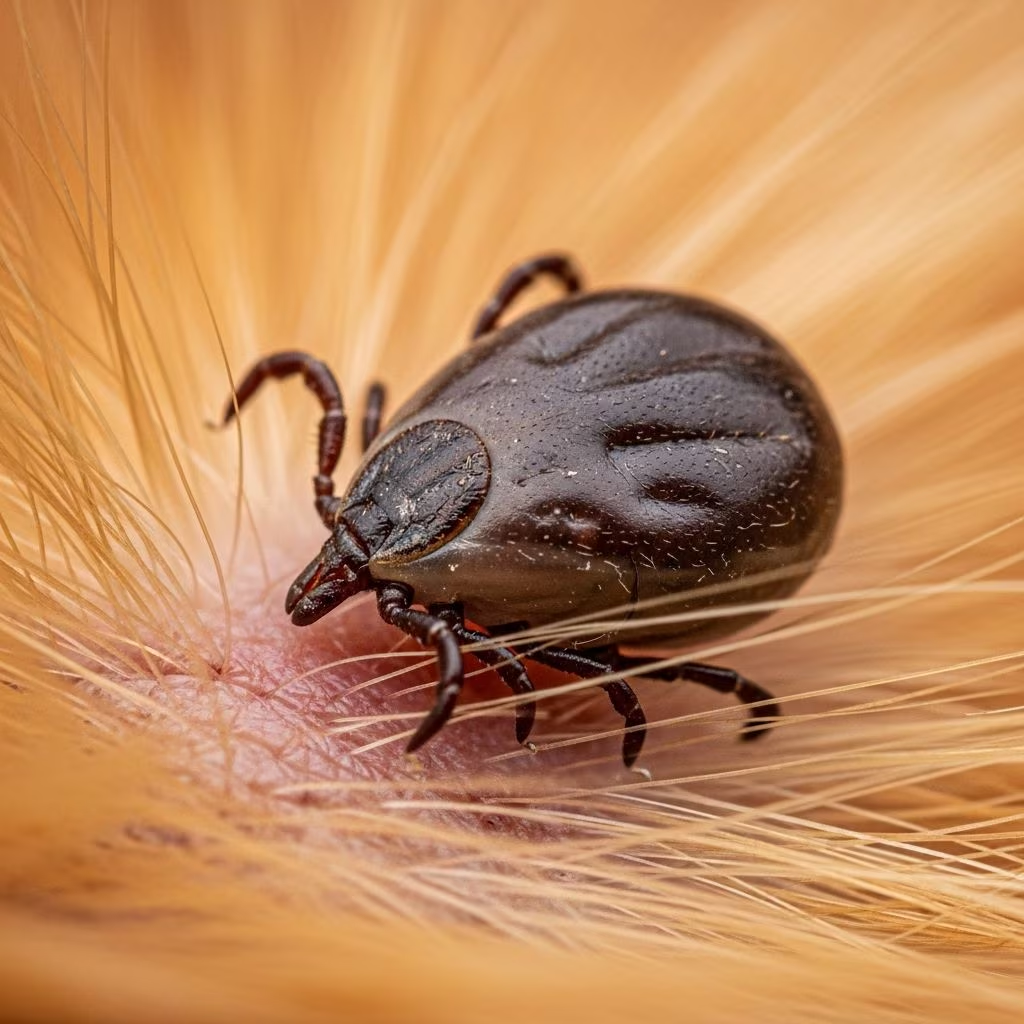
Rocky Mountain Spotted Fever in Dogs
Rocky Mountain Spotted Fever (RMSF) is a serious tick-borne bacterial disease that affects dogs across North America. Caused by the bacterium Rickettsia rickettsii, this disease can impact any organ system in your dog’s body and ranges from mild to life-threatening in severity. Understanding the signs, transmission methods, and treatment options is essential for dog owners who want to protect their pets’ health.
What is Rocky Mountain Spotted Fever?
Rocky Mountain Spotted Fever is an infectious disease transmitted to dogs through the bite of infected tick species, particularly the American dog tick and Rocky Mountain wood tick. Despite its name, this disease is not limited to the Rocky Mountain region and occurs throughout the United States and Canada. The infection develops when infected ticks attach to your dog’s skin and transmit the bacteria into the bloodstream.
Once infected, the bacteria multiply and spread throughout your dog’s body, potentially affecting the heart, kidneys, lungs, brain, and other vital organs. The severity of infection depends on various factors, including your dog’s age, immune system strength, and how quickly treatment begins. Early recognition and prompt veterinary care are critical for the best possible outcome.
Symptoms of Rocky Mountain Spotted Fever
Clinical signs of RMSF typically appear two to fourteen days after a tick bite occurs. The symptoms are often vague and non-specific, making early diagnosis challenging. It is important to note that these signs can vary significantly from dog to dog, and any organ system may be affected.
Common Clinical Signs
The most prominent symptoms of Rocky Mountain Spotted Fever in dogs include:
- Fever (often reaching up to 105°F)
- Lethargy and reduced activity levels
- Loss of appetite (anorexia) and weight loss
- Muscle pain and joint pain
- Lameness or difficulty walking
- Enlarged lymph nodes
- Peripheral edema (swelling of legs and face)
- Abdominal pain and discomfort
- Vomiting and diarrhea
- Coughing
Severe Manifestations
In more severe cases, dogs may experience additional complications. Focal hemorrhages can occur in the eyes and gums, with nosebleeds appearing in particularly serious infections. Some dogs develop red spots (petechiae) or bruising (ecchymosis) on the skin or mucous membranes. Neurological signs such as wobbling when walking (ataxia) and painful hypersensitivity may occur. In extreme cases where extensive parasites are present, damage to blood vessels can cause necrosis (tissue death) of the extremities, representing a medical emergency requiring immediate veterinary intervention.
Diagnosis of Rocky Mountain Spotted Fever
Diagnosing RMSF can be challenging because the symptoms are non-specific and resemble other diseases. Your veterinarian will typically begin with a thorough physical examination and history, paying particular attention to tick exposure and the timeline of symptom development. Because early treatment is crucial and delays can worsen outcomes, veterinarians often start antibiotic therapy before confirmatory tests return.
Definitive diagnosis may involve blood tests including serological testing to detect antibodies against Rickettsia rickettsii. PCR testing can also be performed to identify the bacterial DNA in blood samples. A complete blood count (CBC) may reveal decreased red blood cells (anemia) and decreased platelets (thrombocytopenia), which are common findings in RMSF cases.
How RMSF is Transmitted
Rocky Mountain Spotted Fever is exclusively transmitted through tick bites. The disease cannot spread directly from dog to dog through contact, saliva, or other routes. Infected ticks must bite your dog to transmit the bacteria. The American dog tick is the primary vector in most regions, though the Rocky Mountain wood tick plays a significant role in western areas. Ticks become infected when they feed on infected wildlife reservoirs and can then transmit the disease to dogs and humans.
Dogs that spend time outdoors, particularly in wooded areas, tall grass, or brush, face the highest risk of tick exposure. Even brief outdoor exposure during tick season (typically spring through fall, though ticks can be active year-round in some regions) can result in infection. Regular tick prevention and checking for ticks after outdoor activities are essential protective measures.
Treatment for Rocky Mountain Spotted Fever
The definitive treatment for RMSF is a course of antibiotics. Early antibiotic therapy is crucial for successful management and dramatically improves prognosis. Treatment should be initiated as soon as RMSF is suspected, even before confirmatory test results are available, as any delay significantly increases morbidity and mortality rates.
Primary Antibiotic Therapy
Doxycycline is the preferred antibiotic for treating RMSF in dogs, used at doses of 5-10 mg/kg daily or 10-20 mg/kg every 12-24 hours. Treatment duration typically ranges from 7 to 21 days, depending on disease severity and whether coinfection with other tick-borne pathogens is suspected. Most dogs show dramatic improvement within 24 to 48 hours of starting treatment, with fever subsiding and energy and appetite returning.
Tetracycline is an alternative antibiotic option, administered at 22 mg/kg orally every 8 hours for 14-21 days. While effective, it requires more frequent dosing than doxycycline. Neither doxycycline nor tetracycline should be given to young puppies or females that could become pregnant, as these drugs can affect bone and tooth development.
Other antibiotic options include enrofloxacin (Baytril®) and chloramphenicol (Chloromycetin®, Viceton®), which may be used for similar treatment durations. Your veterinarian will discuss the pros and cons of each medication and determine the most appropriate choice for your dog’s specific situation.
Supportive Care
Beyond antibiotics, supportive care plays an important role in recovery. Dogs with RMSF may require appetite stimulants to encourage eating, pain medications to alleviate discomfort, and intravenous fluid therapy to correct dehydration caused by vomiting or diarrhea. Prednisone may be administered to help manage immune-mediated complications at doses of 1-4 mg/kg orally once daily.
Many dogs can be managed on an outpatient basis with oral antibiotics and supportive care at home. However, more severely affected dogs may require hospitalization for two to three days to receive intravenous fluids, intensive supportive care, and antibiotics. Dogs can typically be discharged once their fever breaks and they consistently eat and drink on their own.
Recovery and Prognosis
The prognosis for dogs with RMSF is generally good when treatment begins early. Most dogs will recover completely with no relapses or long-term complications when therapy is initiated promptly. However, RMSF can be fatal if treatment is delayed, with an estimated 1-10% of infected dogs experiencing fatal infections.
Dogs usually begin improving within 24 to 48 hours after starting antibiotic therapy. Complete recovery typically occurs within weeks of initiating treatment. Importantly, dogs that successfully recover from RMSF develop immunity to reinfection, meaning they are protected from future infections with Rickettsia rickettsii.
Relapses following 14 days of treatment have been reported in some cases, though this is uncommon with appropriate therapy. Ensuring complete adherence to the prescribed antibiotic course without stopping treatment early is essential for preventing relapse and ensuring lasting recovery.
Coinfections and Complicating Factors
Dogs simultaneously infected with other tick-borne diseases require treatment for all infections. Many tick-borne illnesses such as Lyme disease, anaplasmosis, and ehrlichiosis also respond to doxycycline and can be treated concurrently. However, other conditions such as babesiosis and bartonellosis do not respond to doxycycline and require different antibiotics. Your veterinarian will identify any coinfections through appropriate testing and adjust the treatment plan accordingly.
Prevention Strategies
While treatment is effective, prevention remains the best approach to protecting your dog from RMSF. Year-round tick prevention using veterinarian-recommended products is essential. These may include topical treatments, oral medications, or tick collars designed to repel or kill ticks before they can transmit disease.
Regular tick checks, particularly after outdoor activities in areas where ticks are present, allow you to remove ticks before they transmit disease. Removing ticks promptly and properly—grasping them close to the skin and pulling steadily—minimizes transmission risk. Maintaining your yard by removing leaf litter and keeping grass trimmed can reduce tick habitat. Consider restricting your dog’s access to heavily wooded or brushy areas during peak tick season when appropriate.
Frequently Asked Questions
Q: Can humans get Rocky Mountain Spotted Fever from dogs?
A: No, RMSF cannot spread directly from dogs to humans. However, if your infected dog has ticks, those ticks could potentially bite you and transmit the disease. The disease is transmitted only through tick bites, not through contact with infected animals.
Q: How long does treatment take?
A: Antibiotic treatment typically lasts 7 to 21 days, depending on disease severity and whether other tick-borne infections are present. Most dogs show improvement within 24 to 48 hours of starting treatment, though the full course should be completed as prescribed.
Q: Is Rocky Mountain Spotted Fever curable?
A: Yes, RMSF is curable with early antibiotic therapy. Most dogs recover completely when treatment begins promptly. Dogs that successfully recover develop immunity to reinfection.
Q: Can my dog catch RMSF more than once?
A: No, dogs that recover from RMSF develop immunity to the disease and are protected from future infections with Rickettsia rickettsii.
Q: What is the mortality rate for RMSF in dogs?
A: With early treatment, most dogs survive. However, an estimated 1-10% of infected dogs experience fatal infections, typically when treatment is delayed or the disease progresses severely.
Q: Should my dog be hospitalized for RMSF treatment?
A: Hospitalization depends on disease severity. Dogs not eating, showing organ failure signs, or requiring IV fluid therapy may need hospitalization for 2-3 days. Many dogs can be treated on an outpatient basis once stable.
Q: What tick prevention methods are most effective?
A: Consult your veterinarian about year-round tick prevention products appropriate for your dog’s age and health status. These may include topical treatments, oral medications, or tick collars designed to prevent tick attachment and disease transmission.
References
- Rocky Mountain Spotted Fever in Dogs — VCA Animal Hospitals. 2025. https://vcahospitals.com/know-your-pet/rocky-mountain-spotted-fever-in-dogs
- Rocky Mountain Spotted Fever in Dogs — PetMD. 2025. https://www.petmd.com/dog/conditions/infectious-parasitic/c_dg_rocky_mountain_spotted_fever
- Rocky Mountain Spotted Fever in Dogs – What to Know — American Kennel Club. 2025. https://www.akc.org/expert-advice/health/rocky-mountain-spotted-fever-in-dogs-what-to-know/
- Rocky Mountain Spotted Fever in Dogs — MSD Veterinary Manual. 2025. https://www.msdvetmanual.com/infectious-diseases/rickettsial-diseases-in-dogs/rocky-mountain-spotted-fever-in-dogs
- Rocky Mountain Spotted Fever — Companion Animal Parasite Council. 2025. https://capcvet.org/guidelines/rocky-mountain-spotted-fever/
- About Rocky Mountain Spotted Fever — Centers for Disease Control and Prevention. 2025. https://www.cdc.gov/rocky-mountain-spotted-fever/about/index.html
- Clinical Presentation, Convalescence, and Relapse of Rocky Mountain Spotted Fever in Dogs — National Center for Biotechnology Information. 2014. https://pmc.ncbi.nlm.nih.gov/articles/PMC4277292/



