

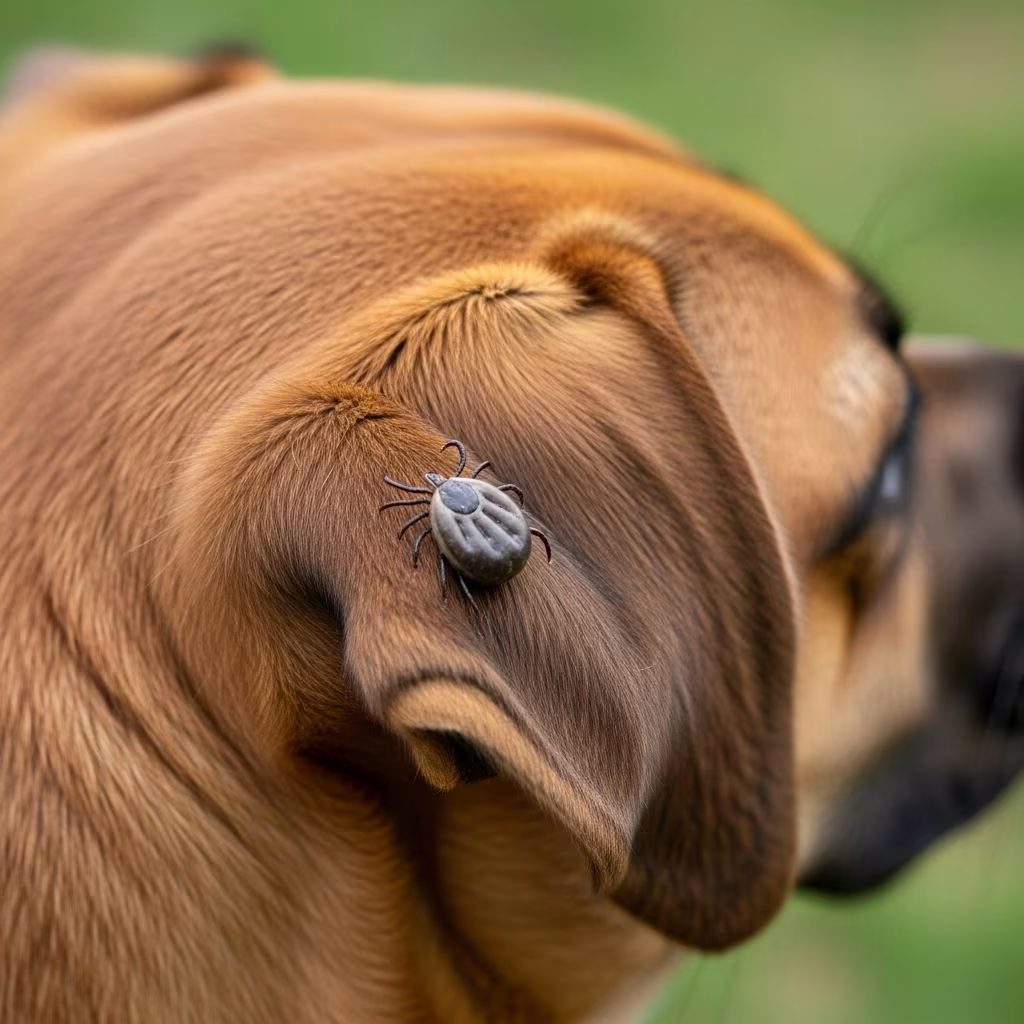
Rocky Mountain spotted fever (RMSF) represents a significant health risk for dogs, transmitted through bites from infected ticks carrying the bacterium Rickettsia rickettsii. This systemic infection can rapidly progress, affecting multiple organs if not addressed swiftly. Pet owners must recognize the urgency, as early intervention dramatically improves outcomes, often preventing fatal complications.
The Hidden Danger of Ticks and RMSF Transmission
Ticks serve as the primary vectors for RMSF, with the American dog tick (Dermacentor variabilis) and Rocky Mountain wood tick (Dermacentor andersoni) being key culprits in North America. Contrary to its name, RMSF occurs widely beyond the Rocky Mountains, appearing in southeastern and south-central U.S. states, as well as parts of Canada.
Infection happens when an infected tick attaches to a dog and feeds for several hours, allowing bacteria to enter the bloodstream. Dogs lack natural immunity upon first exposure, making them highly susceptible. Urban expansion into wooded areas has heightened exposure risks for pets during outdoor activities like hiking or yard play.
- Peak transmission seasons: Spring and summer, aligning with tick activity.
- Geographic hotspots: Oklahoma, North Carolina, Tennessee, Arkansas.
- Vector ticks thrive in grassy, brushy environments near wildlife.
While human cases grab headlines, canine RMSF often goes underreported, yet it mirrors the disease’s severity in pets.
Early Warning Signs: Recognizing RMSF Infection
Symptoms emerge 2-14 days post-bite, starting subtly before escalating. Fever, often exceeding 104°F (40°C), is the hallmark initial indicator, accompanied by profound lethargy and appetite loss.
Multisystem involvement follows, with inflammation targeting blood vessels, joints, and lymph nodes. Owners frequently notice:
- Swollen, painful joints leading to lameness or reluctance to move.
- Enlarged lymph nodes under the jaw or limbs.
- Edema in legs, face, or scrotum.
- Vascular damage causing petechiae (tiny red spots), bruising, or nosebleeds.
Gastrointestinal upset manifests as vomiting, diarrhea, coughing, or abdominal tenderness. Ocular issues like crusty eyes or nasal discharge may appear, alongside neurological signs such as tremors in advanced stages. Unlike humans, dogs rarely show a characteristic rash, complicating visual diagnosis.
| Symptom Stage | Typical Onset | Common Signs |
|---|---|---|
| Early (Days 1-3) | Post-bite | Fever >102.5°F, lethargy, anorexia |
| Intermediate (Days 4-7) | Joint/muscle pain, lymphadenopathy, edema | |
| Advanced (>Week 1) | Bleeding tendencies, GI distress, neurological changes |
These nonspecific signs mimic other illnesses like Lyme disease or immune-mediated arthritis, underscoring the need for veterinary evaluation.
How Vets Diagnose RMSF in Canines
Diagnosis blends clinical suspicion, history of tick exposure, and lab confirmation. Vets initiate antibiotics empirically if RMSF seems likely, as delays elevate mortality risks.
Blood tests detect antibodies via indirect fluorescent antibody (IFA) assays or PCR for bacterial DNA. Acute and convalescent serology—samples taken 2-3 weeks apart—confirms seroconversion. Thrombocytopenia (low platelets) and anemia are common hematologic findings.
- Serology: Positive if titers ≥1:64 in acute phase.
- PCR: Highly specific for early detection.
- CBC: Reveals vasculitis-induced cytopenias.
In endemic regions, travel history or recent tick removal prompts immediate suspicion.
Swift and Effective Treatment Protocols
Doxycycline stands as the cornerstone therapy, administered at 5-10 mg/kg every 12 hours orally or IV, for 10-28 days depending on severity and coinfections. Puppies and pregnant dogs tolerate it well, unlike earlier tetracycline concerns.
Treatment commences pre-confirmation to curb bacterial replication in endothelial cells. Most dogs defervesce within 24-48 hours, with appetite and energy rebounding soon after. Severe cases demand hospitalization for:
- IV fluids to combat dehydration.
- Pain relief (e.g., NSAIDs) and antiemetics.
- Appetite stimulants like mirtazapine.
- Blood transfusions if coagulopathy develops.
Alternative antibiotics like tetracycline may substitute if doxycycline is unavailable, but relapse risks rise with shorter courses. Corticosteroids like prednisone (1-4 mg/kg daily) address immune-mediated sequelae.
Recovery Outlook and Potential Complications
Prognosis excels with prompt care: 90-99% survival rates, and survivors gain lifelong immunity against reinfection. Hospital stays last 2-4 days until stable, transitioning to oral meds at home.
Monitor for relapses, rare but possible if treatment truncates. Lingering effects include chronic vasculitis, glomerulonephritis, or neurological deficits in 1-10% of untreated/severe cases. Full recovery typically spans 1-3 weeks, with follow-up serology verifying titers.
Prevention: Shielding Your Dog from Ticks
Proactive tick control trumps treatment. Daily checks post-outdoors, prompt removal (grasp close to skin, pull steadily), and avoidance of tick habitats are foundational.
Veterinary preventives shine:
| Product Type | Examples | Duration/Method |
|---|---|---|
| Topical | Fipronil, permethrin | Monthly spot-on |
| Oral | NexGard, Bravecto | 1-3 months chewables |
| Collar | Seresto | 8 months sustained release |
Vaccines do not exist for RMSF; focus on broad-spectrum acaricides. Landscape modifications like mowing grass and clearing leaf litter reduce tick populations.
Frequently Asked Questions About RMSF in Dogs
Can RMSF spread dog-to-dog or to humans?
No direct transmission occurs between dogs or from dogs to humans; only ticks vector the bacteria.
Is RMSF seasonal?
Primarily spring/summer, but year-round in warm climates.
What if my dog shows mild symptoms?
Seek vet care immediately—early doxycycline prevents progression.
Do all tick bites cause RMSF?
No, only infected ticks; prevention minimizes risk.
How soon after a tick bite do symptoms appear?
2-14 days, with fever first.
Long-Term Management for At-Risk Dogs
Post-recovery, annual bloodwork screens for subclinical issues. In high-risk areas, year-round preventives are advisable. Educate families on tick safety during travel.
RMSF underscores ticks’ peril beyond Lyme—vigilance saves lives. Consult your vet for tailored plans.
References
- Rocky Mountain Spotted Fever in Dogs — PetMD. 2023. https://www.petmd.com/dog/conditions/infectious-parasitic/c_dg_rocky_mountain_spotted_fever
- Rocky Mountain Spotted Fever in Dogs: Signs, Symptoms, Treatments — AKC. 2023. https://www.akc.org/expert-advice/health/rocky-mountain-spotted-fever-in-dogs/
- Rocky Mountain Spotted Fever in Dogs — Guilford Jamestown Vet. 2020-12-18. https://www.guilfordjamestownvet.com/site/blog-greensboro-vet/2020/12/18/rocky-mountain-spotted-fever-dogs
- Rocky Mountain Spotted Fever in Dogs — MSD Veterinary Manual. 2023. https://www.msdvetmanual.com/infectious-diseases/rickettsial-diseases-in-dogs/rocky-mountain-spotted-fever-in-dogs
- Rocky Mountain Spotted Fever — CAPC Vet. 2023. https://capcvet.org/guidelines/rocky-mountain-spotted-fever/
- Rocky Mountain Spotted Fever (Tick Fever) in Dogs — Merck Veterinary Manual. 2023. https://www.merckvetmanual.com/dog-owners/disorders-affecting-multiple-body-systems-of-dogs/rocky-mountain-spotted-fever-tick-fever-in-dogs
- Rocky Mountain Spotted Fever in Dogs — PMC (NCBI). 2014. https://pmc.ncbi.nlm.nih.gov/articles/PMC4277292/



