

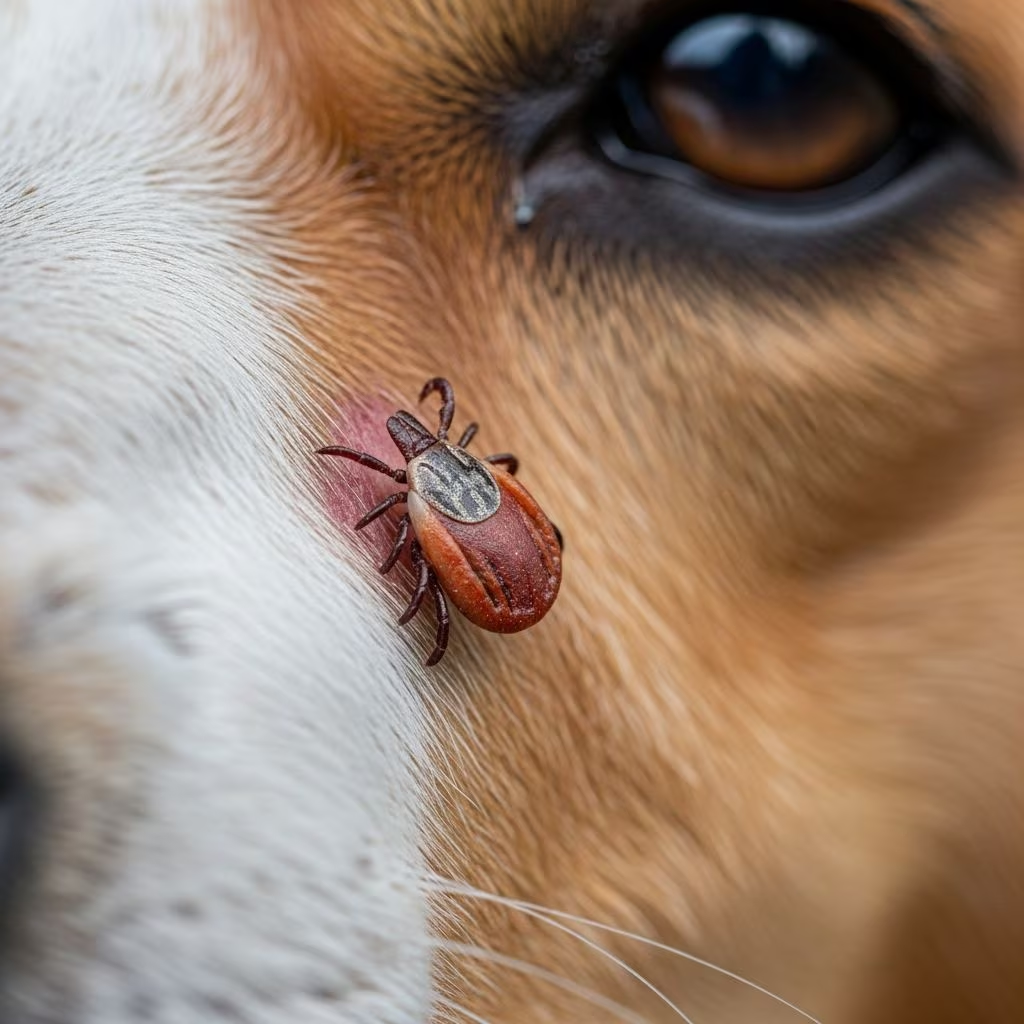
Rocky Mountain Spotted Fever (RMSF) represents a serious bacterial infection in dogs, transmitted primarily through tick bites, capable of affecting multiple organs if not addressed promptly. Caused by the bacterium Rickettsia rickettsii, this disease demands quick recognition of symptoms and immediate veterinary intervention for optimal outcomes.
Understanding the Bacterial Threat
The pathogen behind RMSF targets the endothelial cells lining blood vessels, triggering widespread inflammation known as vasculitis. This process leads to the characteristic spotted appearance on skin and mucous membranes, though dogs may exhibit varied presentations compared to humans. Ticks such as the American dog tick and Rocky Mountain wood tick serve as primary vectors, thriving in wooded or grassy environments across North America.
Infection occurs when infected ticks feed on a dog for several hours, allowing bacteria to enter the bloodstream. Dogs show high susceptibility, with clinical signs emerging 2 to 14 days post-bite, emphasizing the need for vigilant tick checks after outdoor activities.
Recognizing Early Warning Signs
Symptoms of RMSF in dogs often start subtly, mimicking other illnesses, which complicates initial detection. Owners should watch for:
- Fever reaching up to 105°F (40.5°C), a hallmark sign.
- Lethargy and loss of appetite, leading to rapid weight loss.
- Muscle and joint pain, causing lameness or reluctance to move.
- Swollen joints, face, or limbs due to edema.
- Gastrointestinal issues like vomiting, diarrhea, and abdominal discomfort.
More severe indicators include coughing, eye or nose discharge, enlarged lymph nodes, nosebleeds, and skin manifestations such as red spots (petechiae) or bruising. These signs can progress to life-threatening complications if untreated, affecting the nervous system, heart, or kidneys.
Diagnostic Approaches for Confirmation
Veterinarians rely on a combination of clinical history, physical exams, and lab tests for diagnosis. Paired serological testing measures antibody levels over time, while PCR assays detect bacterial DNA directly. Blood work may reveal low platelet counts, anemia, or elevated inflammatory markers.
Given the potential for rapid deterioration, treatment often begins presumptively upon suspicion, without awaiting full lab results, to mitigate risks. A history of tick exposure in endemic areas strengthens the case for RMSF.
Primary Treatment Protocols
Doxycycline stands as the cornerstone antibiotic for RMSF, effective regardless of a dog’s age, administered at 5 mg/kg every 12 hours or 10 mg/kg once daily for 7 to 28 days depending on severity and co-infections. Improvements typically appear within 24-48 hours, with fever resolution signaling progress.
Alternative options like tetracycline or minocycline may be used, though doxycycline remains preferred for its efficacy and dosing convenience. Severe cases require hospitalization for intravenous antibiotics, fluids, pain management, and possibly blood transfusions for anemia.
| Antibiotic | Dosage Example | Duration | Notes |
|---|---|---|---|
| Doxycycline | 5-10 mg/kg/day | 7-28 days | Treatment of choice; safe for all ages |
| Tetracycline | Varies | 14-21 days | More frequent dosing needed |
| Minocycline | Varies | Per vet | Alternative for some cases |
Recovery Timeline and Prognosis
With prompt doxycycline initiation, most dogs recover fully within days to weeks, showing renewed appetite and energy quickly. Hospital stays last 2-3 days for severe patients until stable eating and fever-free. Fatality rates hover at 1-10% but drop significantly with early care.
Long-term monitoring ensures no relapse, especially if co-infections like Lyme disease are present. Some dogs experience lingering joint issues, but complete resolution is common. Owners must complete the full antibiotic course to prevent resistance.
Prevention: Shielding Dogs from Ticks
Proactive tick control forms the best defense against RMSF. Key strategies include:
- Daily tick checks after outdoor time, focusing on ears, armpits, and groin.
- Monthly topical or oral preventives approved for tick species in your area.
- Vaccinations where available for related diseases, though none specifically for RMSF.
- Avoiding tick-heavy habitats during peak seasons (spring/summer).
Environmental management, like yard treatments, further reduces risk.
Geographic Hotspots and Risk Factors
RMSF occurs nationwide but peaks in the southeastern and south-central U.S., with ticks active year-round in warm climates. Breeds with thin coats or frequent outdoor exposure face higher risks. Puppies and seniors may suffer worse outcomes due to weaker immunity.
Potential Complications and When to Seek Help
Untreated RMSF can lead to neurological deficits, organ failure, or disseminated intravascular coagulation (DIC). Emergency signs include collapse, severe bleeding, or seizures—rush to a vet immediately.
Post-treatment, gradual resolution of vasculitis prevents permanent damage. Regular follow-ups confirm negative PCR and normalized bloodwork.
Frequently Asked Questions (FAQs)
Can RMSF spread from dogs to humans?
No direct transmission occurs dog-to-human; both contract it from ticks.
How soon after a tick bite do symptoms appear?
Typically 2-14 days.
Is doxycycline safe for puppies with RMSF?
Yes, it’s the recommended choice for all ages.
What if my dog doesn’t improve on antibiotics?
Consult your vet for co-infection testing or dosage adjustments.
How can I prevent ticks on my dog year-round?
Use vet-recommended preventives and perform routine checks.
Owner Experiences and Veterinary Insights
Many dogs bounce back remarkably post-treatment, resuming normal activities. Vets stress education on tick-borne diseases, as RMSF often coexists with others like ehrlichiosis. Annual screenings in high-risk areas aid early detection.
This comprehensive approach empowers owners to protect their pets effectively.
References
- Rocky Mountain Spotted Fever in Dogs — Germantown Animal Hospital. 2020-11-13. https://www.germantownah.com/site/blog-memphis-vet/2020/11/13/rocky-mountain-spotted-fever-in-dogs
- Rocky Mountain Spotted Fever in Dogs — PetMD. N/A. https://www.petmd.com/dog/conditions/infectious-parasitic/c_dg_rocky_mountain_spotted_fever
- Rocky Mountain Spotted Fever in Dogs — Merck Veterinary Manual. N/A. https://www.merckvetmanual.com/infectious-diseases/rickettsial-diseases-in-dogs/rocky-mountain-spotted-fever-in-dogs
- Clinical Presentation, Convalescence, and Relapse of Rocky Mountain Spotted Fever in Dogs — PMC (NCBI). N/A. https://pmc.ncbi.nlm.nih.gov/articles/PMC4277292/
- Rocky Mountain Spotted Fever in Dogs — VCA Animal Hospitals. N/A. https://vcahospitals.com/know-your-pet/rocky-mountain-spotted-fever-in-dogs
- Rocky Mountain Spotted Fever (Tick Fever) in Dogs — Merck Veterinary Manual (Dog Owners). N/A. https://www.merckvetmanual.com/dog-owners/disorders-affecting-multiple-body-systems-of-dogs/rocky-mountain-spotted-fever-tick-fever-in-dogs
- Rocky Mountain Spotted Fever — American Lyme Disease Foundation. N/A. https://aldf.com/rocky-mountain-spotted-fever/
- Rocky Mountain Spotted Fever — Kansas State Veterinary Diagnostic Laboratory. 2020-09. https://www.ksvdl.org/resources/news/diagnostic_insights/september2020/rocky-mountain-spotted-fever-sept.html



