
Robenacoxib for Pets: Pain Relief for Dogs and Cats
Complete guide to robenacoxib (Onsior): A safe NSAID for post-operative pain in pets.
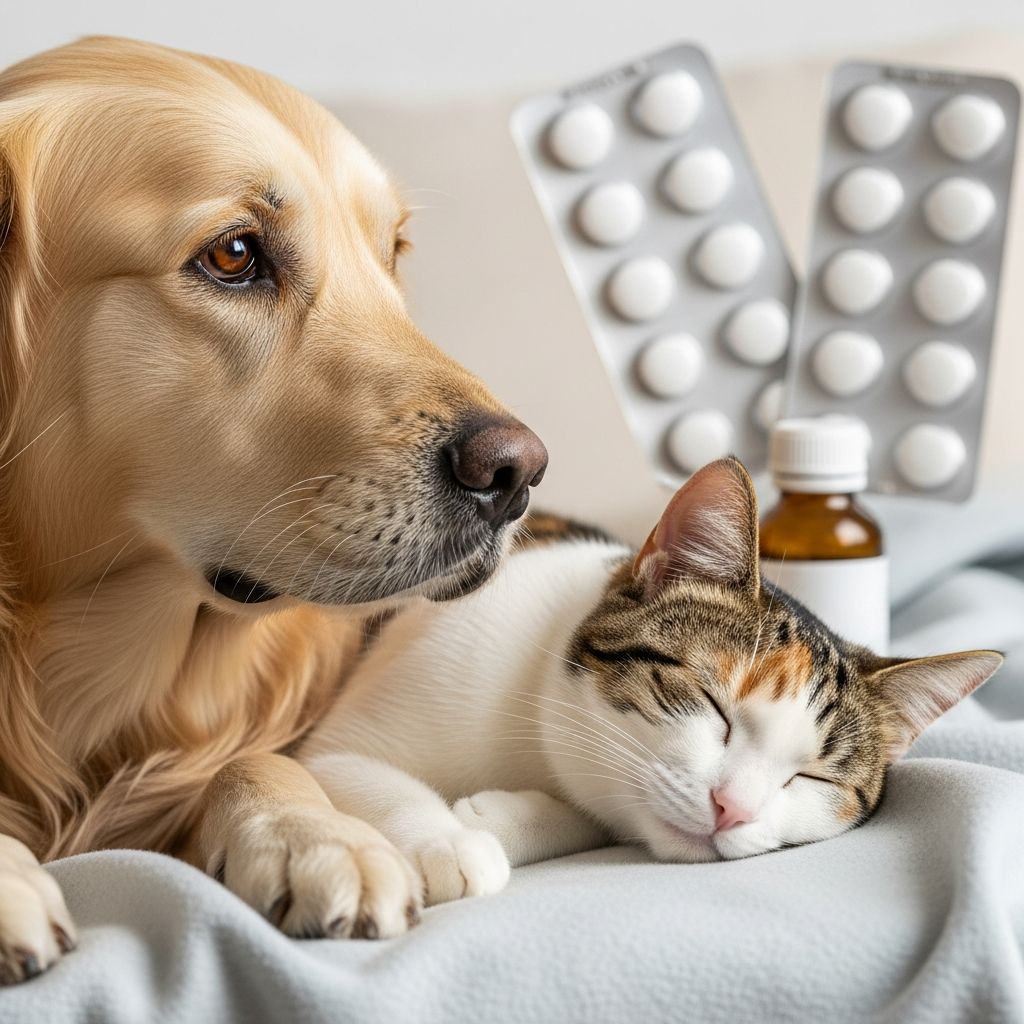
Robenacoxib for Pets: Managing Pain and Inflammation in Dogs and Cats
Robenacoxib, commonly known by its brand name Onsior®, is a prescription nonsteroidal anti-inflammatory drug (NSAID) specifically designed for veterinary use. This medication has become an important tool in managing pain and inflammation in both dogs and cats, particularly following surgical procedures. Understanding how robenacoxib works and how to properly administer it can help pet owners make informed decisions about their pet’s pain management with their veterinarian.
What Is Robenacoxib?
Robenacoxib (brand name: Onsior®) is a nonsteroidal anti-inflammatory drug (NSAID) used to treat post-operative inflammation and pain in dogs and cats. It is also effective for treating pain and inflammation from other causes, such as musculoskeletal disorders. Unlike traditional NSAIDs, robenacoxib is classified as a COX-2 selective inhibitor, meaning it specifically targets the COX-2 enzyme pathway while largely sparing the COX-1 pathway. This selective action provides significant advantages in terms of safety and tolerability for your pet.
Robenacoxib represents an advancement in veterinary pain management by offering targeted anti-inflammatory benefits with a reduced side effect profile compared to conventional NSAIDs. The medication was developed specifically for the unique physiological needs of cats and dogs, making it particularly effective and safe for these species.
How Robenacoxib Works
Robenacoxib functions by selectively inhibiting cyclooxygenase-2 (COX-2), an enzyme responsible for producing prostaglandins that trigger inflammation and pain signals in the body. By blocking this specific pathway, robenacoxib effectively reduces inflammation and provides pain relief without significantly affecting other bodily functions.
The key advantage of robenacoxib’s selective COX-2 inhibition is that it typically spares the COX-1 pathway, which is associated with digestion, kidney health, and blood clotting. This selectivity is beneficial because it causes fewer side effects compared to traditional NSAIDs. However, it is important to note that at high doses, robenacoxib can still partially block these beneficial chemicals, making it essential to follow your veterinarian’s directions exactly.
Clinical research has demonstrated that robenacoxib shows high selectivity for the COX-2 enzyme in rats, cats, and dogs. This tissue-selective anti-inflammatory activity has been particularly well-documented in dogs with osteoarthritis, where the medication produced superior efficacy compared to placebo and other COX-2 preferential inhibitors.
FDA Approval and Approved Uses
Robenacoxib has received FDA approval for specific veterinary applications. For cats, Onsior® is FDA-approved to control postoperative pain and inflammation associated with orthopedic surgery, ovariohysterectomy (spay surgery), and castration (neuter surgery) in cats 4 months and older weighing greater than 5.5 pounds if using tablets, for a maximum of three days.
In dogs, Onsior® is FDA-approved for the control of postoperative pain and inflammation associated with soft tissue surgery in dogs greater than 4 months of age, for up to a maximum of three days. Additionally, Onsior® is utilized off-label for the treatment of pain and inflammation that occurs with osteoarthritis in dogs and cats. This is called extra-label or off-label use because this use isn’t described on the drug label.
How to Give Your Pet Robenacoxib
Robenacoxib is available in multiple forms to suit different situations and pet needs. Understanding the proper administration method is crucial for ensuring your pet receives the maximum benefit from this medication.
Available Formulations
Robenacoxib is available both as an oral tablet and a veterinarian-administered injection. The oral form typically comes in flavored tablets, making it easier to administer to most pets. The injection is administered by your veterinarian and provides an alternative route of administration, particularly useful for pets that have difficulty taking oral medications or immediately following surgery.
Oral Administration Instructions
When giving your pet robenacoxib tablets, follow these important guidelines:
– Oral robenacoxib can be given with or without food; however, if vomiting occurs when dosed on an empty stomach, give future doses with food.- In dogs, if vomiting occurs shortly after dosing, you can give another dose with food.- The tablets should be given whole and are not designed to be broken.- For cats weighing 5.5 to 13.2 pounds, the typical dosage is one 6 mg tablet daily. For cats weighing 13.3 pounds or more, the dosage is usually two 6 mg tablets daily.- Always follow your veterinarian’s specific dosage instructions, as doses may vary based on your individual pet’s condition and weight.
Dosage Considerations
It is important to note that the doses of Onsior® tablets and injection are different, and you should never attempt to convert between formulations without veterinary guidance. Your veterinarian will determine the appropriate dose and route of administration based on your pet’s weight, age, health status, and the condition being treated.
Efficacy and Clinical Performance
Large, multicenter field trials conducted in cats and dogs have demonstrated the noninferior efficacy and safety of robenacoxib compared with noncoxib NSAIDs used in dogs and cats. These trials investigated the efficacy of robenacoxib against various acute and chronic painful conditions.
In clinical studies, robenacoxib produced superior efficacy to placebo and COX-2 preferential inhibitors in postsurgical cats. Research has also shown that robenacoxib produces long-lasting analgesia despite its high body clearance and short half-life in the blood, making it effective for pain management with recommended dosing schedules.
In an extensive field (clinical) trial in cats, robenacoxib (1–2.4 mg/kg, orally) produced analgesic and anti-inflammatory effects equivalent to ketoprofen following once daily dosing. Studies in dogs have further demonstrated dose-dependent improvement in gait and clinical orthopedic examination measures when treated with robenacoxib.
Safety Profile and Considerations
Robenacoxib has been shown to be safe in healthy dogs and cats receiving antihypertensive drugs and loop diuretics that could cause renal injury. This safety profile is particularly important for senior pets or those with underlying health conditions requiring concurrent medications.
However, like all NSAIDs, robenacoxib should be used with caution. Caution should always be taken when giving a nonsteroidal anti-inflammatory drug (NSAID), like Onsior, to cats since they can have serious side effects. Pet owners should ensure they follow their veterinarian’s instructions exactly when administering this medication.
Potential Side Effects
While robenacoxib is generally well-tolerated, some pets may experience side effects. Common side effects that have been reported include:
– Decreased appetite- Soft stool- Vomiting- Lethargy or reduced activity
These side effects are typically mild and resolve once the medication is discontinued or after completing the prescribed course. However, if your pet experiences any concerning symptoms or side effects worsen, contact your veterinarian immediately.
When Robenacoxib May Not Be Appropriate
Your veterinarian will determine whether robenacoxib is the right choice for your pet. This medication may not be suitable for pets with certain conditions, allergies, or those taking specific other medications. Always inform your veterinarian about your pet’s complete medical history, current medications, and any previous adverse reactions to NSAIDs or other medications.
Off-Label Use for Chronic Conditions
While FDA-approved for short-term post-operative pain management, robenacoxib may be prescribed off-label for longer-term use in some pets, such as those with chronic osteoarthritis pain. However, there are risks that pet parents should be aware of when considering long-term NSAID therapy. Extended use requires regular veterinary monitoring and potentially periodic blood work to ensure your pet’s kidneys, liver, and digestive system remain healthy.
Frequently Asked Questions
Q: How long can my pet take robenacoxib?
A: FDA approval is for a maximum of three days for post-operative pain management in both dogs and cats. Off-label use for chronic conditions like osteoarthritis may extend beyond this timeframe under veterinary supervision, but this requires regular monitoring and should only be done under your veterinarian’s guidance.
Q: Can I give robenacoxib with food?
A: Yes, robenacoxib can be given with or without food. However, if your pet experiences vomiting when dosed on an empty stomach, you should give future doses with food. If vomiting occurs shortly after dosing in dogs, you may give another dose with food.
Q: What should I do if I miss a dose?
A: If you miss a dose, give it as soon as you remember unless it is almost time for the next scheduled dose. Do not double-dose your pet. Contact your veterinarian if you have questions about missed doses.
Q: Is robenacoxib safe for senior pets?
A: Robenacoxib has been demonstrated to be safe in healthy pets receiving other medications. However, senior pets may have underlying health conditions that require special consideration. Your veterinarian will evaluate whether robenacoxib is appropriate for your senior pet.
Q: Can robenacoxib be used long-term for arthritis?
A: While FDA-approved only for three days of post-operative use, robenacoxib is sometimes prescribed off-label for chronic pain conditions like osteoarthritis. Long-term use requires veterinary supervision and regular monitoring through blood work to ensure safety.
Q: What is the difference between injectable and tablet forms?
A: Both forms contain robenacoxib but have different dosages. The injectable form is administered by your veterinarian, while the tablet form is given at home. The doses are not interchangeable, so only use the form and dose prescribed by your veterinarian.
Q: Are there any drug interactions I should be aware of?
A: Inform your veterinarian about all medications and supplements your pet is taking. Robenacoxib has been shown to be safe with antihypertensive drugs and loop diuretics, but other interactions are possible. Your veterinarian will determine if robenacoxib is safe alongside your pet’s other medications.
Q: What makes robenacoxib different from other NSAIDs?
A: Robenacoxib is a COX-2 selective inhibitor, meaning it targets the COX-2 enzyme specifically while largely sparing the COX-1 pathway. This selectivity typically results in fewer gastrointestinal and renal side effects compared to traditional NSAIDs.
Summary
Robenacoxib (Onsior®) is a prescription NSAID that provides effective pain and inflammation relief for dogs and cats, particularly following surgical procedures. Its selective COX-2 inhibition offers a favorable safety profile compared to traditional NSAIDs. When prescribed and administered according to your veterinarian’s instructions, robenacoxib can significantly improve your pet’s comfort during recovery from surgery or help manage chronic pain conditions. Always consult with your veterinarian about whether robenacoxib is appropriate for your pet’s specific situation, and report any side effects promptly. Generally safe and effective, Onsior is a valuable tool in modern veterinary pain management when used appropriately under professional guidance.
References
- Robenacoxib in the treatment of pain in cats and dogs — National Center for Biotechnology Information (NCBI). 2018. https://pmc.ncbi.nlm.nih.gov/articles/PMC6101027/
- Robenacoxib — VCA Animal Hospitals. https://vcahospitals.com/know-your-pet/robenacoxib
- Onsior® (robenacoxib) — PetMD. https://www.petmd.com/pet-medication/onsior-robenacoxib
- Onsior (Robenacoxib) for Cats: A Medication for Pain After Surgery — GoodRx. https://www.goodrx.com/pet-health/cat/onsior-robenacoxib-for-cats
- ONSIOR® for Cats | Treat postoperative pain — Elanco Animal Health. https://my.elanco.com/us/onsior
- Robenacoxib: Uses, Interactions, Mechanism of Action — DrugBank. https://go.drugbank.com/drugs/DB11455
Similar Articles








Read full bio of medha deb


