

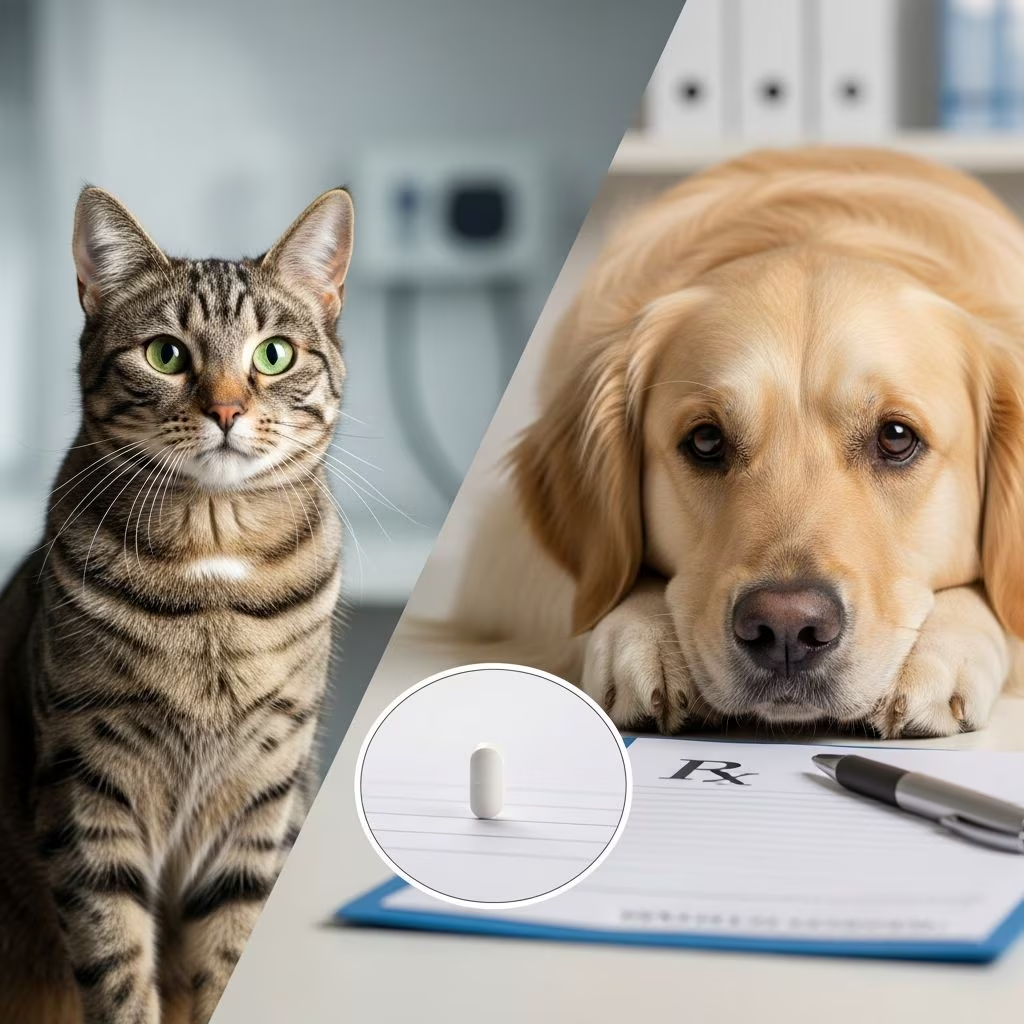
Understanding Robenacoxib: A Modern Pain Management Solution for Pets
Robenacoxib, commonly known by its brand name Onsior, represents a significant advancement in veterinary pain management. This selective nonsteroidal anti-inflammatory drug (NSAID) has been specifically developed to address the unique pain management needs of cats and dogs. Unlike traditional NSAIDs, robenacoxib belongs to a specialized class of medications called coxibs, which offer targeted pain relief with a favorable safety profile when used appropriately.
As a pet owner, understanding your animal’s pain management options is crucial for ensuring their comfort and recovery during challenging times, whether following surgery or managing chronic conditions like osteoarthritis. Robenacoxib has become increasingly popular among veterinarians because it combines effective pain relief with reduced risk of side effects compared to conventional anti-inflammatory medications.
What is Robenacoxib?
Robenacoxib is a novel nonsteroidal anti-inflammatory drug (NSAID) of the coxib class that has been developed specifically for veterinary use in managing inflammation and pain in both cats and dogs. The medication is available under the brand name Onsior and comes in two formulations: oral tablets and injectable solutions. Your veterinarian will determine which form is most appropriate for your pet’s specific condition and needs.
The development of robenacoxib marked an important milestone in veterinary medicine because it was designed with the distinct physiology of cats and dogs in mind, rather than being adapted from human medications. This species-specific development ensures that the medication works effectively and safely within the animal’s biological systems.
How Robenacoxib Works: The Science Behind Pain Relief
Robenacoxib functions as a selective COX-2 inhibitor, meaning it targets specific pathways in your pet’s body responsible for inflammation and pain. To understand how this medication works, it helps to know that the body produces natural chemicals called prostaglandins through two main enzymatic pathways: COX-1 and COX-2.
COX-2 is primarily responsible for producing prostaglandins that trigger inflammation and pain. By selectively inhibiting the COX-2 pathway, robenacoxib effectively reduces these inflammatory signals, providing pain relief to your pet. The key advantage of this selective approach is that robenacoxib typically spares the COX-1 pathway, which is associated with essential functions including digestion, kidney health, and blood clotting. This selectivity is what distinguishes robenacoxib from traditional NSAIDs, which inhibit both pathways and can potentially cause gastrointestinal and renal complications.
Research has demonstrated that robenacoxib shows high selectivity for the COX-2 enzyme in rats, cats, and dogs, with minimal and rapidly reversible binding to the COX-1 enzyme. This characteristic makes it a gentler option for pain management, particularly important for cats, which are more sensitive to certain medications than dogs.
FDA-Approved Uses of Robenacoxib
Robenacoxib has received FDA approval for specific indications in both cats and dogs. Understanding these approved uses helps ensure that your veterinarian prescribes the medication appropriately for your pet’s condition.
Approved Uses in Cats
For cats, robenacoxib is FDA-approved to control postoperative pain and inflammation associated with:
– Orthopedic surgery- Ovariohysterectomy (spay surgery)- Castration (neuter surgery)
The medication is approved for cats aged 4 months and older that weigh more than 5.5 pounds (for tablet form). Treatment duration is limited to a maximum of three days for these approved indications.
Approved Uses in Dogs
For dogs, robenacoxib is FDA-approved for the control of postoperative pain and inflammation associated with soft tissue surgery in dogs older than 4 months of age, with treatment lasting up to a maximum of three days.
Dosage and Administration
Proper dosing is essential for ensuring your pet receives adequate pain relief while minimizing the risk of adverse effects. Robenacoxib dosing varies based on the formulation, your pet’s weight, and the condition being treated.
Tablet Dosage
Robenacoxib tablets are available in 6 mg strength and are typically given as a once-daily dose:
– Cats weighing 5.5 to 13.2 lbs: One 6 mg tablet daily- Cats weighing 13.3 lbs or more: Two 6 mg tablets daily
Tablets should be given whole and are not designed to be broken or crushed. They can be administered with or without food, though if vomiting occurs on an empty stomach, administer future doses with food.
Injectable Administration
The injectable form of robenacoxib is administered by your veterinarian at the hospital. Injectable formulations may differ in dosage from tablets, so it’s important to follow your veterinarian’s specific instructions. Typical subcutaneous or intravenous dosing is approximately 2 mg/kg for initial treatment.
Off-Label Uses and Extended Treatment
While FDA approval covers specific short-term postoperative uses, veterinarians may prescribe robenacoxib off-label for other pain-related conditions. Off-label use means the medication is prescribed for purposes not specifically listed on the drug label, but based on veterinary clinical judgment and research evidence.
Extended Pain Management
Research has demonstrated that robenacoxib may be safely used for:
– Acute pain management for up to 6 days- Chronic pain from osteoarthritis for extended periods- Musculoskeletal disorders and injuries- Other causes of inflammation and pain
Studies on cats with arthritis showed that animals tolerated robenacoxib well for up to one month, including cats with chronic kidney disease, with no negative side effects or changes to liver and kidney values detected.
Efficacy and Clinical Performance
Clinical trials have demonstrated the effectiveness of robenacoxib in managing various painful conditions. Large, multicenter field trials conducted in both cats and dogs showed that robenacoxib provided noninferior efficacy and safety compared with noncoxib NSAIDs. Importantly, robenacoxib produced superior efficacy to placebo and demonstrated particular benefits in managing postsurgical pain in cats.
The tissue-selective anti-inflammatory activity of robenacoxib has been particularly well-documented in dogs with osteoarthritis, where it effectively reduced inflammation while minimizing systemic side effects. Despite having a short half-life in the bloodstream, robenacoxib produces long-lasting analgesia, making once-daily dosing effective for maintaining pain relief.
Safety Profile and Potential Side Effects
While robenacoxib is generally well-tolerated, all medications carry potential risks. Understanding possible side effects helps you monitor your pet during treatment.
Common Side Effects
The most commonly reported side effects in cats and dogs include:
– Decreased appetite or anorexia- Soft stool or diarrhea- Vomiting- Lethargy or reduced activity level
These side effects are typically mild and often resolve as the pet’s body adjusts to the medication. However, if they persist or worsen, contact your veterinarian.
Important Safety Considerations
Robenacoxib should be used with particular caution in pets with:
– Gastrointestinal ulcers or inflammatory bowel disease- Kidney disease or renal impairment- Liver disease- Dehydration- High blood pressure- Concurrent use of certain other medications
It’s crucial to inform your veterinarian about any other medications or supplements your pet is taking, as interactions can occur. Additionally, robenacoxib has been shown to be safe in healthy dogs and cats receiving antihypertensive drugs and loop diuretics that could potentially cause renal injury, when used as directed.
Robenacoxib vs. Other Pain Management Options
| Medication Type | Selectivity | Duration of Action | Risk Profile |
|---|---|---|---|
| Robenacoxib (COX-2 selective) | High selectivity for COX-2 | Long-lasting despite short half-life | Lower risk of GI and renal complications |
| Traditional NSAIDs | Non-selective (both COX-1 and COX-2) | Varies by medication | Higher risk of GI ulcers and kidney issues |
| Opioids | Not applicable | Varies | Risk of dependency and sedation |
Veterinary Guidance and Best Practices
Your veterinarian plays a crucial role in determining whether robenacoxib is the right choice for your pet’s specific situation. Before starting robenacoxib, your veterinarian may recommend:
– Baseline blood work to assess liver and kidney function- Discussion of your pet’s complete medical history- Evaluation of current medications and supplements- Assessment of your pet’s hydration status
During treatment with robenacoxib, follow your veterinarian’s instructions exactly, including dosage, frequency, and duration. Do not modify the dose or extend treatment beyond what has been prescribed without consulting your veterinarian, even if you believe your pet needs additional pain relief.
Frequently Asked Questions About Robenacoxib
Q: Can robenacoxib be given long-term?
A: FDA approval covers up to three days for postoperative pain. However, veterinarians may prescribe it off-label for longer periods, including up to one month for chronic arthritis in some pets. Your veterinarian will determine the appropriate duration based on your pet’s specific condition and response to treatment.
Q: Is robenacoxib safe for older pets?
A: Robenacoxib can be appropriate for senior pets, but older animals often have age-related kidney or liver changes. Your veterinarian will conduct appropriate screening and monitoring to ensure safety. Baseline blood work is especially important before starting treatment in older pets.
Q: What should I do if I miss a dose?
A: If you miss a dose, give it as soon as you remember, unless it’s almost time for the next scheduled dose. Never double-dose to make up for a missed dose. Contact your veterinarian if you’re unsure about the best course of action.
Q: Can robenacoxib be combined with other pain medications?
A: Combining robenacoxib with other NSAIDs or certain medications is not recommended without veterinary approval, as this can increase the risk of adverse effects. Your veterinarian will determine the safest pain management approach for your specific pet.
Q: How long does robenacoxib take to work?
A: Robenacoxib typically begins working relatively quickly, with pain relief developing within hours of administration. The onset of effect and time to maximum effect depend on the specific condition being treated and your individual pet’s response.
Q: Are there any drug interactions I should be aware of?
A: Yes, robenacoxib can interact with certain medications. Always inform your veterinarian of all medications, supplements, and over-the-counter products your pet is taking. NSAIDs should not be combined with certain blood pressure medications or other NSAIDs without veterinary guidance.
Monitoring Your Pet During Treatment
When your pet is taking robenacoxib, maintain close observation for any changes in behavior, appetite, or bathroom habits. Keep a log of any side effects you notice and report them to your veterinarian. If your pet shows signs of serious adverse reactions, including severe vomiting, bloody stools, lethargy, or changes in urination patterns, seek veterinary attention immediately.
For longer-term or off-label use of robenacoxib, your veterinarian may recommend periodic blood work to monitor kidney and liver function, ensuring the medication continues to be safe and appropriate for your pet.
Conclusion
Robenacoxib represents an important tool in modern veterinary pain management. Its selective action on the COX-2 pathway, combined with its favorable safety profile, makes it an excellent choice for managing postoperative pain in cats and dogs. Whether your pet is recovering from surgery or dealing with chronic pain from arthritis, robenacoxib may provide the relief they need to maintain quality of life. Always work closely with your veterinarian to determine if robenacoxib is right for your pet, follow dosing instructions carefully, and monitor your pet throughout treatment to ensure the best possible outcome.
References
- Robenacoxib in the treatment of pain in cats and dogs — National Center for Biotechnology Information (NCBI). 2018-07-15. https://www.ncbi.nlm.nih.gov/pmc/articles/PMC6101027/
- Onsior® (robenacoxib) | Dog, Cat, Pet Medication — PetMD. 2024. https://www.petmd.com/pet-medication/onsior-robenacoxib
- Onsior (Robenacoxib) for Cats: A Medication for Pain After Surgery — GoodRx. 2024. https://www.goodrx.com/pet-health/cat/onsior-robenacoxib-for-cats
- FDA Approval Information for Onsior (robenacoxib) — U.S. Food and Drug Administration. 2024. https://www.fda.gov/animal-veterinary/approved-animal-drug-products
- Onsior – Pain Management for Pets — Sand Creek Animal Hospital. 2024. https://sandcreekanimalhospital.com/blog/onsior/



