

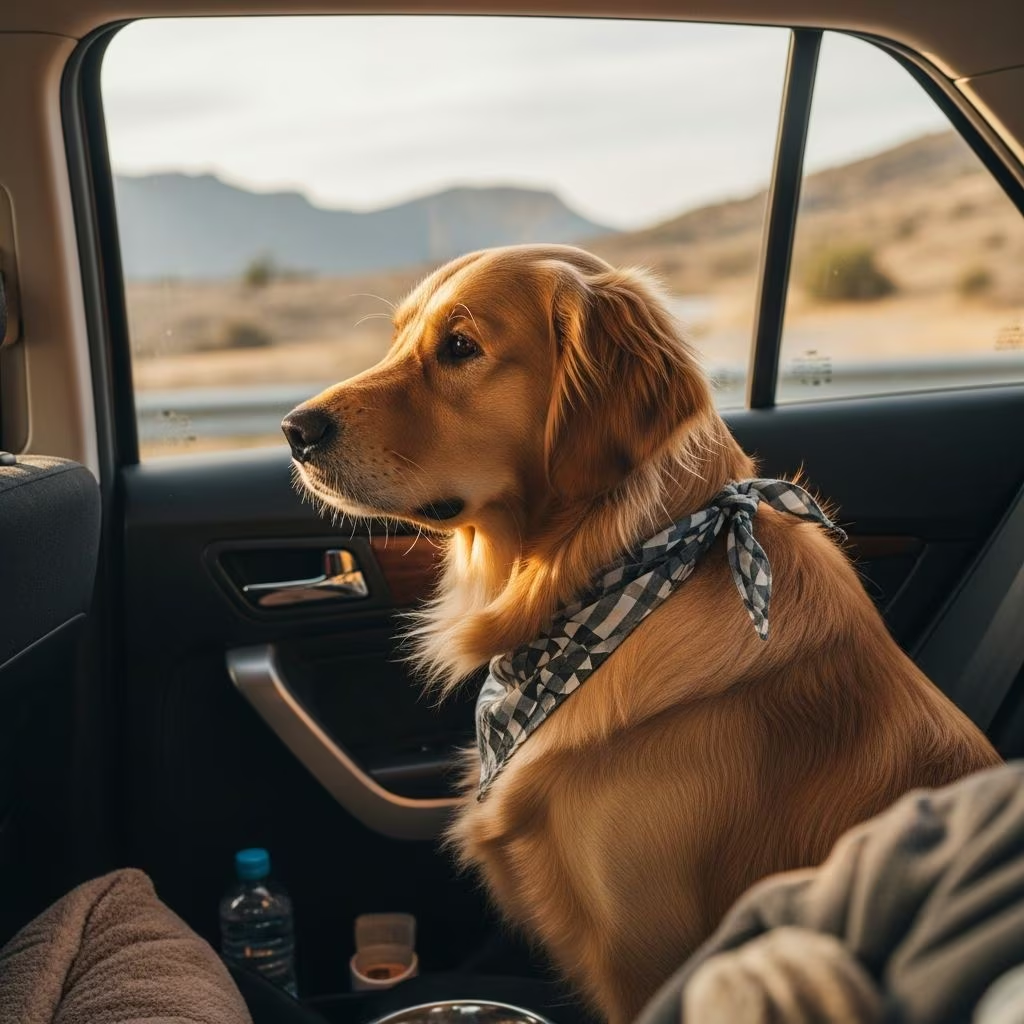
Road trips with your dog can be an exciting and memorable adventure, but they also come with unique challenges. Dogs can become restless during long car rides and may engage in unsafe behaviors like hanging out of windows or jumping into your lap at highway speeds. With proper planning and preparation, however, you can transform a potentially stressful journey into a smooth and enjoyable experience for both you and your furry companion. Whether you’re planning a short drive or a cross-country adventure, these 11 essential tips will help you navigate the road ahead with confidence and care.
1. Plan a Pet-Friendly Route
The foundation of any successful road trip with your dog starts with strategic route planning. Rather than taking the fastest highway route, you’ll want to identify a path that accommodates your pet’s physical and mental needs throughout the journey.
When mapping your route, prioritize roads and highways that feature adequate rest areas where dogs are welcome. Most major rest stops across the country now include designated dog areas specifically designed for pets to relieve themselves, stretch their legs, and get some exercise. Research your planned route in advance to identify these pet-friendly stops, and mark them on your GPS or mapping application so you don’t miss them.
Planning around your dog’s needs isn’t just about comfort—it’s about safety. A dog that hasn’t had a bathroom break in hours is more likely to have accidents in the car, while a dog that hasn’t stretched their legs may become increasingly anxious and restless. By building frequent stops into your itinerary, you’re setting yourself up for a calmer, more comfortable journey for everyone in the vehicle.
2. Take Practice Trips Ahead of Time
Not all dogs naturally love car travel, and some may experience significant anxiety during rides. Rather than hoping for the best on your long road trip, prepare your dog with practice runs beforehand. This gradual acclimation process helps dogs develop positive associations with car travel and can dramatically reduce anxiety during your actual trip.
Start with short practice trips that last just 10 to 15 minutes. The crucial element here is to end each practice trip on a positive note. Rather than taking your dog to the veterinarian’s office—an association many dogs dread—drive to locations your dog loves. A favorite dog park, pet store, or beach destination will help your dog learn that riding in the car leads to fun experiences and rewards.
If your dog demonstrates severe anxiety during these practice runs, consider consulting with a professional dog trainer or veterinary behaviorist. They can recommend specific behavioral training techniques tailored to your dog’s needs, which may help reduce stress during longer journeys.
3. Check With Your Vet
Before embarking on any significant road trip with your dog, schedule a pre-travel veterinary appointment. Your vet can assess your dog’s overall health and readiness for extended car travel, identify any potential health concerns that might be aggravated by travel, and ensure your dog’s vaccinations are current.
During this appointment, discuss your travel plans with your veterinarian. They may recommend medications or supplements to help with anxiety or motion sickness, provide guidance on adjusting your dog’s feeding schedule around travel, or suggest other health-related precautions specific to your dog’s age, breed, or medical history.
4. Pack the Essentials
Proper packing can make the difference between a pleasant road trip and a chaotic one. Create a comprehensive checklist of dog travel essentials and pack everything before departure day. Here are the critical items you should bring:
- Your dog’s regular food and bottled water from home (to prevent digestive upset)
- Dog treats and training treats for positive reinforcement
- Any medications your dog takes regularly
- Favorite chew toys and interactive toys for entertainment
- Collapsible food and water bowls
- Your dog’s bed or blanket to provide a familiar resting spot
- Poop bags and cleanup supplies
- Pet grooming wipes for quick cleanups
- A comprehensive dog first-aid kit
- Current photos of your dog (in case of emergency)
- Vaccination records and proof of ID microchipping
- Leash, collar, and harness
Pack these items in a dedicated dog travel bag that you can access easily without unloading your entire vehicle. Between trips, simply replenish fresh food and water, and your emergency kit will be ready for your next adventure.
5. Ensure Safe Transportation
Keeping your dog physically secure during car travel is essential for both safety and comfort. Never allow your dog to ride loose in your vehicle, hang out windows, or sit unsecured in truck beds. These practices expose your dog to serious injury risk.
Instead, invest in an appropriate restraining device that suits your dog’s size and your vehicle type. Options include:
- Crash-tested harnesses that attach to your vehicle’s seat belt
- Secure kennels or crates that are properly ventilated and fastened
- Pet barriers that create a secure section of your vehicle
A familiar crate serves double duty—it keeps your dog safe during travel while providing a familiar, den-like space that many dogs find comforting. When introducing a crate for travel, make sure it’s spacious enough for your dog to stand, turn around, and lie down comfortably.
6. Maintain Regular Feeding and Hydration
Road trip disruptions to normal feeding schedules can upset your dog’s digestive system. When possible, maintain your dog’s regular feeding times and amounts, even while traveling. Bring your dog’s usual food from home rather than switching to new brands during the trip, as this minimizes the risk of stomach upset.
Provide water regularly throughout your journey—ideally at every stop. Bring bottled water from home if your dog has a sensitive stomach, as different water sources can sometimes cause digestive issues. Offer water in collapsible bowls to make hydration convenient at rest stops and while on the road.
Avoid feeding your dog a large meal right before traveling, as this can increase the likelihood of motion sickness. Instead, offer small portions at regular intervals, and schedule substantial meals for times when your vehicle will be stationary for several hours.
7. Keep Your Dog Entertained
Long car rides can quickly become boring for dogs, leading to restlessness, destructive behavior, and anxiety. Combat boredom by providing engaging entertainment options that keep your dog occupied throughout the journey.
Long-lasting chew toys are ideal for extended drives. A durable chew keeps your dog mentally stimulated and physically occupied—and prevents them from directing their chewing energy toward your vehicle’s upholstery, seat belts, or other inappropriate targets. Consider rotating different toys throughout the trip to maintain novelty and interest.
Puzzle toys that dispense treats slowly can extend playtime and provide mental enrichment. Kong toys, snuffle mats, and other interactive options engage your dog’s problem-solving abilities and help tire them out mentally, which can promote rest during longer stretches of driving.
8. Plan Frequent Rest Stops
Dogs need regular breaks during long car journeys, just as humans do. Plan to stop every 2 to 3 hours for bathroom breaks, exercise, and a change of scenery. These stops aren’t luxuries—they’re essential for your dog’s physical and mental wellbeing.
Use rest stops as opportunities for your dog to:
- Relieve themselves in designated pet areas
- Stretch their legs with a short walk
- Burn off excess energy with play
- Drink fresh water
- Get some fresh air and mental stimulation
Even if your dog doesn’t seem to need a bathroom break, getting out of the car helps prevent stiffness, reduces anxiety, and gives your dog a chance to decompress from the monotony of travel.
9. Keep Your Dog Leashed at All Times
Even in seemingly safe rest areas and off-leash dog parks, always keep your dog on a leash while traveling. The stress of being in a new environment, combined with the excitement of new stimuli, can cause even well-trained dogs to behave unpredictably. A dog that bolts from a rest stop could easily become lost or injured.
A leash provides security and control, ensuring your dog remains safe even if they become startled or overstimulated. Consider using a shorter leash during rest stops to maintain better control, and upgrade to a longer leash for exercise periods if the area is secure.
10. Use Familiar Comfort Items
Traveling places your dog in unfamiliar environments filled with new sights, sounds, and smells. Combat travel anxiety by bringing familiar items from home that comfort your dog. Your dog’s favorite bed, blanket, or crate helps create a sense of security in the car and at overnight destinations.
A special chew toy or comfort item with your scent can also help soothe anxiety. Some dogs benefit from items like anxiety wraps or calming supplements, which you should discuss with your veterinarian before your trip.
11. Book Pet-Friendly Accommodations in Advance
If your road trip spans multiple days, don’t wait until the last minute to find dog-friendly lodging. Many hotels now welcome pets, but policies, fees, and restrictions vary significantly. Research and book pet-friendly accommodations well in advance to ensure availability and to understand any associated costs or requirements.
When booking, ask about:
- Pet fees or deposits required
- Size or weight restrictions
- Whether pets must be crated when you’re away from the room
- Nearby dog parks or walking areas
- Whether the hotel provides pet amenities
Finding quality pet-friendly accommodations in advance prevents last-minute stress and ensures you and your dog can rest comfortably during overnight stops.
Special Considerations for Puppies
If you’re traveling with a puppy, keep these additional guidelines in mind:
- Start with very short trips to acclimate your puppy to car travel
- Use a secure kennel or harness specifically designed for puppies
- Plan more frequent stops, as puppies need to relieve themselves more often than adult dogs
- Provide small amounts of food and water at intervals to prevent stomach upset
- Keep your puppy on a leash at all times, even in off-leash areas
- Use travel as an opportunity for proper socialization with new environments and experiences
Frequently Asked Questions
Q: How often should I stop during a road trip with my dog?
A: Plan to stop every 2 to 3 hours for bathroom breaks, exercise, and water. For trips longer than 2 hours, pre-plan rest stops at convenient locations along your route.
Q: What should I do if my dog gets anxious in the car?
A: Take short practice trips before your journey to help your dog acclimate. Consider consulting a veterinary behaviorist or dog trainer, and discuss anxiety medications or calming supplements with your vet.
Q: Can I feed my dog right before a road trip?
A: Avoid large meals immediately before travel, as this can increase motion sickness risk. Instead, feed your dog a few hours before departure or plan meals for times when your vehicle will be stationary.
Q: Is it safe to leave my dog alone in the car while I’m at a rest stop?
A: Never leave your dog unattended in a car, especially in warm weather. Even moderate temperatures can become dangerous quickly inside a parked vehicle.
Q: What documents should I bring for my dog while traveling?
A: Bring current vaccination records, proof of ID microchipping, recent photos of your dog, and any relevant medical or behavioral documentation.
Q: How can I keep my dog entertained during long drives?
A: Pack long-lasting chew toys, puzzle toys, and rotate different entertainment options throughout your journey to maintain novelty and interest.
References
- 11 Tips for Surviving Road Trips With Your Dog — Chewy. Accessed 2025-11-28. https://www.chewy.com/education/dog/general/road-trips-with-a-dog
- How to Travel With a Dog in a Car, Plane and Train — Chewy. Accessed 2025-11-28. https://www.chewy.com/education/dog/general/tips-to-road-trip-with-dog
- 2019–2020 National Pet Owners Survey — American Pet Products Association (APPA). 2020. https://www.americanpetproducts.org/
- Traveling With Your Dog in the Car? Follow These 6 Safety Tips — Chewy. Accessed 2025-11-28. https://www.chewy.com/education/dog/general/keeping-dog-safe-car
- 11 Tips for Traveling With a Puppy — Chewy. Accessed 2025-11-28. https://www.chewy.com/education/dog/new-dog/7-tips-for-traveling-with-a-puppy



