

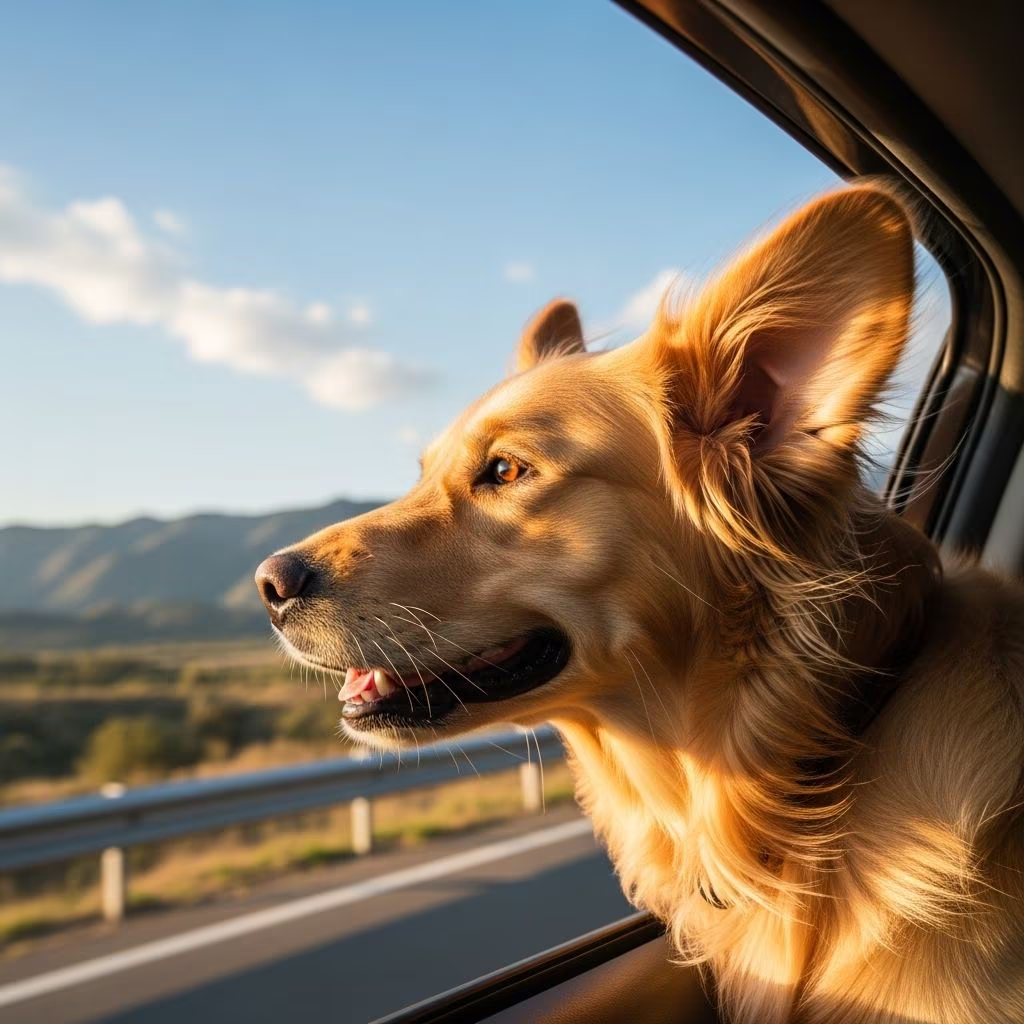
Embarking on a road trip with your dog transforms a simple drive into a shared bonding experience, but it demands meticulous preparation to prioritize safety, comfort, and enjoyment. This guide draws from veterinary recommendations and expert insights to equip you with practical strategies for successful long-distance journeys, ensuring both you and your furry friend arrive relaxed and ready for the destination.
Essential Pre-Trip Preparations
Before hitting the road, thorough planning sets the foundation for a smooth trip. Start by consulting your veterinarian for a health checkup, especially if your dog has underlying conditions or travel anxiety. Update vaccinations, obtain a health certificate for interstate travel, and discuss any necessary medications or calming supplements.
- Route Planning: Map out pet-friendly paths with frequent rest stops featuring dog areas for exercise and relief. Apps or sites highlighting dog parks and veterinary clinics along the way can prevent detours.
- Practice Drives: Acclimate your dog with short outings to positive destinations like parks, gradually building tolerance for longer rides to reduce stress.
- Documentation: Carry vaccination records, a current ID tag with your contact info, and a microchip verification. Include a spare collar and leash in the glove compartment for quick access.
Securing Your Dog in the Vehicle
Safety harnesses or crates are non-negotiable for restraining your dog during travel, mimicking human seat belts to prevent injury in accidents. The American Veterinary Medical Association endorses these restraints to keep pets secure.
| Restraint Type | Best For | Key Features | Pros | Cons |
|---|---|---|---|---|
| Crash-Tested Harness | Medium to large dogs | Attaches to seat belt; adjustable straps | Allows visibility; comfortable for long rides | Requires fitting practice |
| Booster Seat | Small dogs | Elevates for window view; secure straps | Reduces neck strain; protects upholstery | Size-limited |
| Hard-Sided Crate | Anxious or large dogs | Ventilated; secured to vehicle | Maximum protection; contains messes | Takes cargo space |
| Hammock Seat Cover | Multiple dogs | Straps to headrests; waterproof | Easy install; barrier from front | Less restraint in crashes |
Practice using harnesses at home and in short drives to familiarize your dog, starting with brief sessions to avoid stress. Never allow unrestrained movement, front-seat riding (due to airbags), or heads out windows, as debris or sudden stops pose severe risks.
Packing the Perfect Dog Travel Kit
A well-stocked kit addresses hydration, nutrition, hygiene, and emergencies. Pack enough food for the trip plus extras, sticking to your dog’s regular diet to prevent digestive issues. Collapsible bowls simplify mealtimes.
- Hydration and Nutrition: Multiple water bottles, portioned meals, and treats for positive reinforcement.
- Comfort Items: Familiar blankets, toys, and bedding to ease anxiety.
- Cleaning Supplies: Poop bags, enzymatic cleaners, towels for spills.
- Health Essentials: Medications, first-aid kit (bandages, antiseptic, tick remover), thermometer.
- Climate Control: Cooling mats for heat, blankets for cold; never leave dog in parked car where temps rise rapidly.
Maintaining Comfort on Long Drives
Stops every 2-3 hours are crucial for stretching, potty breaks, hydration, and mental stimulation, preventing restlessness or health issues. Maintain cabin temperature between 68-72°F, using AC or heat as needed, and provide shaded breaks.
For anxious dogs, employ calming aids like pheromone diffusers, vet-recommended supplements, or background noise from familiar playlists. Leash your dog immediately upon exiting to manage around traffic.
Exercise and Mental Breaks
Dog parks or leashed walks at rest areas burn energy and boost mood. Even 15-20 minutes of off-leash play (where safe) significantly improves behavior. Keep sessions structured with toys or training games to reinforce calm demeanor.
Navigating Overnight Stays and Destinations
Book pet-friendly hotels or campsites in advance, confirming policies on breed, size, and fees. Upon arrival, scout secure areas for relief and exercise. For multi-day trips, maintain routines for feeding and walks to minimize disruption.
Emergency Preparedness
Anticipate issues with a plan: Locate 24/7 vets en route via apps. Common concerns include motion sickness (treat with vet-approved meds), heatstroke (symptoms: heavy panting, collapse), or injuries. Your emergency kit should include:
- Contact for poison control (e.g., ASPCA hotline).
- Recent photo for lost dog alerts.
- Insurance details if applicable.
In crises, prioritize cooling for heat exhaustion and seek professional care immediately.
Special Considerations for Puppies, Seniors, and Breeds
Puppies require more frequent stops due to small bladders; seniors need padded bedding for joints. Brachycephalic breeds (e.g., Pugs) overheat faster, demanding vigilant temp monitoring.
| Dog Type | Unique Needs | Tips |
|---|---|---|
| Puppies | Frequent potty; high energy | Short trips first; extra toys |
| Seniors | Joint comfort; slower pace | Orthopedic mats; gentle exercise |
| Brachycephalic | Heat sensitivity | AC always; avoid hot stops |
| Anxious | Calming aids | Practice rides; supplements |
FAQs: Common Road Trip Queries
How often should I stop with my dog on a road trip?
Every 2-3 hours for potty, water, and exercise to maintain comfort and prevent accidents.
Is a crate or harness safer for car travel?
Hard-sided, secured crates offer top protection; harnesses suit visible, comfortable rides—choose crash-tested options.
Can I leave my dog in the car briefly?
No—temperatures spike dangerously fast, risking heatstroke even with windows cracked.
What if my dog gets carsick?
Consult vet for anti-nausea meds; fast before trips, use ginger treats, and ensure ventilation.
How do I handle multi-dog trips?
Separate crates or hammocks; rotate exercise to avoid chaos; use leashes with carabiners for control.
Post-Trip Care
Upon return, monitor for stress signs like lethargy or appetite loss. A vet check confirms all is well, and short walks help readjust. Reflect on the trip to refine future plans.
References
- Road Trips With Dogs: 11 Safety and Travel Tips — Chewy. 2023. https://www.chewy.com/education/dog/general/road-trips-with-a-dog
- Long-Distance Car Rides with Dogs — Millis Animal Hospital. 2024. https://millisanimalhospital.com/blog/long-distance-dog-car-ride/
- Essential Road-Trip Safety Tips for Traveling With Your Dog — American Kennel Club. 2023. https://www.akc.org/expert-advice/health/dog-road-trip-safety/
- How to Survive a Road Trip with Too Many Dogs — Outside Online. 2023. https://www.outsideonline.com/outdoor-gear/cars-trucks/how-to-survive-dog-road-trip/
- Traveling With Pets? Follow These Expert Dos and Don’ts — ASPCA. 2024. https://www.aspca.org/news/traveling-pets-follow-these-expert-dos-and-donts-keep-them-safe
- 6 Tips for Driving with Pets on Vacation — Pet Food Institute. 2023. https://www.petfoodinstitute.org/6-tips-driving-pets-vacation/
- Pet Travel Safety — American Red Cross. 2024. https://www.redcross.org/get-help/how-to-prepare-for-emergencies/pet-travel-safety.html



