

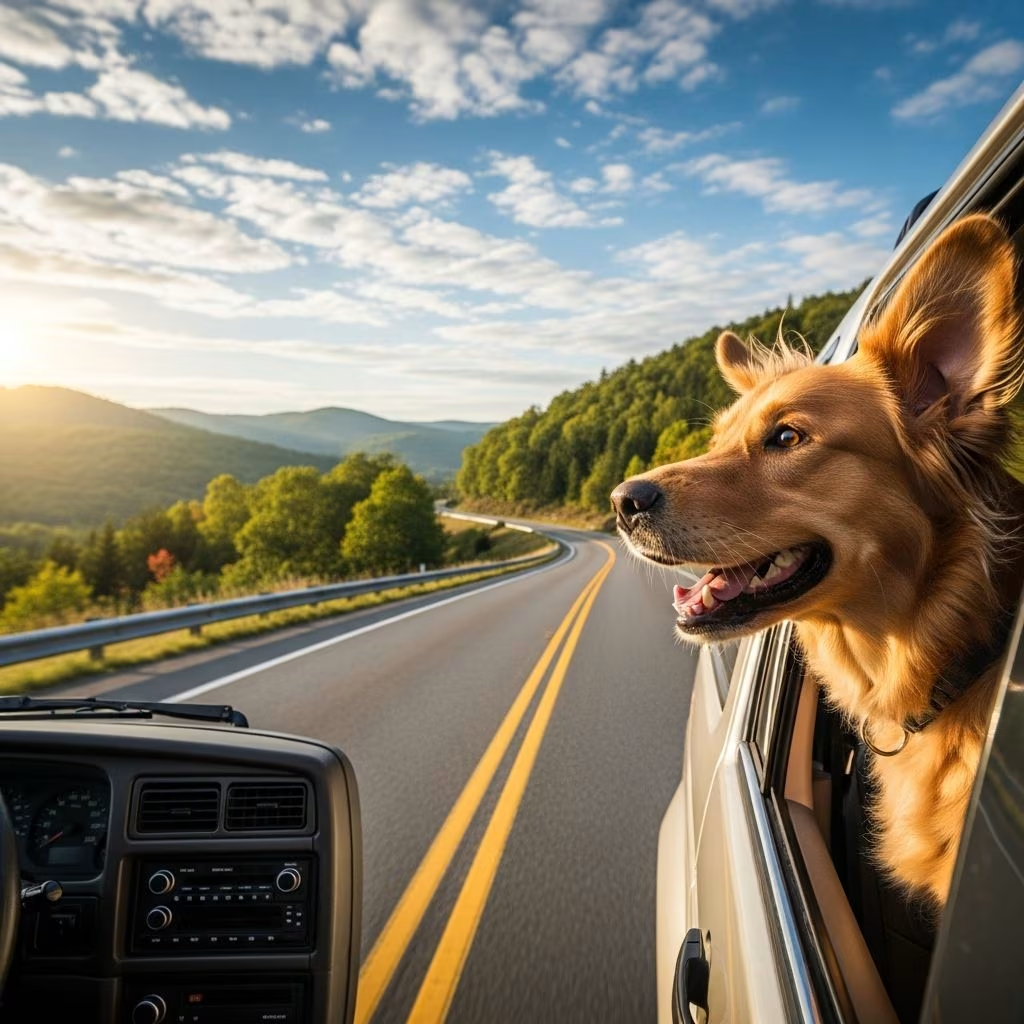
Embarking on a road trip with your dog transforms a simple drive into a shared adventure filled with bonding opportunities. Proper preparation ensures both you and your pet enjoy the journey without unnecessary stress or health issues. This guide outlines every step from initial planning to arrival, drawing on reliable practices for safe travel.
Assessing Your Dog’s Travel Readiness
Before hitting the road, evaluate if your dog is fit for the trip. Consult a veterinarian to confirm vaccinations are current and discuss any medical conditions that could affect travel. Conditions like motion sickness or anxiety require preemptive care, such as medication or behavioral training.
Start acclimating your dog to car travel weeks in advance. Begin with short drives to build positive associations, gradually increasing duration. Feed lightly 3-4 hours before rides to minimize nausea, and maintain a cool car interior.
Mapping Out a Dog-Friendly Itinerary
Research your route meticulously to include pet-friendly stops. Plan breaks every 2-3 hours for potty, exercise, and water. Use apps to find parks or green spaces beyond highway rest areas, which often lack suitable spots for dogs.
Pre-book accommodations that welcome pets, verifying policies on size, breed, and fees. Confirm amenities like walking areas or mini-fridges for food storage. Apps like BringFido help locate dog-friendly hotels, diners, and attractions.
Essential Health and Documentation Prep
Gather all necessary papers: vaccination records, rabies certificate, and a health check within 10 days if required. Update ID tags with current contact info and include a recent photo in case of separation.
- Vaccinations: Ensure core shots like rabies and bordetella are up-to-date.
- Medications: Pack preventatives for fleas, ticks, and heartworm, plus any prescriptions.
- Health Certificate: Obtain from vet for longer trips or border crossings.
Building the Ultimate Travel Kit
A well-stocked kit keeps your dog comfortable and secure. Focus on familiar items to reduce anxiety.
| Category | Items | Purpose |
|---|---|---|
| Food & Water | Regular kibble for trip duration + extra; collapsible bowls; water bottle | Maintain diet to avoid tummy upset; hydration on the go |
| Safety Gear | Harness seat belt; extra leash/collar; crate if needed | Prevent distractions or escapes during drives |
| Comfort | Favorite blanket/toy; portable bed | Familiar scents for relaxation |
| Cleanup | Poop bags; enzyme cleaner; pee pads; towels | Handle accidents hygienically |
| Health | First aid kit (bandages, antiseptic); brush; flea comb | Treat minor issues from outdoor play |
| Treats | High-value training treats (e.g., Zukes) | Reinforce good behavior |
Safety Measures in the Vehicle
Secure your dog properly to avoid injuries. Use a harness tethered to the seat belt, never a collar. For larger dogs, consider a barrier or crate. Cover seats with towels to protect from dirt and claws.
Never leave your dog unattended in a parked car, especially in heat. Monitor for signs of distress like excessive panting or drooling, and pull over promptly.
Handling Common Travel Challenges
Motion sickness affects many dogs, particularly puppies. Symptoms include vomiting or lethargy—counter with vet-approved meds and fasting before drives. Anxiety can be managed via calming aids or thunder shirts.
For hot weather, freeze water bowls for slow melting during stops. In cold climates, provide insulated bedding. Always check weather along your route to adjust plans.
Arrival and Destination Activities
Upon reaching your destination, establish a routine immediately. Walk your dog to sniff and decompress, then settle into pet-friendly spots. Explore trails, beaches, or parks—leash laws vary, so research local rules.
Pack for extended stays with grooming tools and waste management to respect hosts and environments.
FAQs
How often should I stop on a road trip with my dog?
Every 2-3 hours for bathroom breaks, water, and exercise to keep your dog comfortable and prevent boredom.
What if my dog gets carsick?
Acclimate with short trips, withhold food 3-4 hours prior, use vet-recommended anti-nausea meds, and ensure good ventilation.
Can I bring my dog’s raw food on a trip?
Yes, but confirm hotel fridges and pack coolers; stick to regular diet to avoid GI issues.
Is a dog seat belt necessary?
Highly recommended for safety, as unsecured dogs can become projectiles in accidents.
What documents do I need?
Vaccination records, ID tags, health certificate if crossing states, and microchip info.
Post-Trip Care
After returning, monitor for ticks, fatigue, or dehydration. Schedule a vet check-up and give rest days to recover from the excitement. Reflect on what worked to improve future trips.
References
- How to Travel With Your Dog: The Ultimate Guide — PetMD. 2023-06-15. https://www.petmd.com/dog/general-health/how-to-travel-with-your-dog-the-ultimate-guide
- Dog Travel Checklists: What to Pack — Hill’s Pet Nutrition. 2024-02-10. https://www.hillspet.com/dog-care/routine-care/dog-travel-checklist
- The Ultimate Road Trip Checklist for Your Dog — Travel Pockets. 2023-11-20. https://www.thetravelpockets.com/new-blog/ultimate-packing-checklist-for-your-dogs-road-trip
- The Complete Dog Travel Checklist — Continental Kennel Club. 2025-07-01. https://ckcusa.com/blog/2025/july/the-complete-dog-travel-checklist/
- Travel Check List and Packing List — Dog Jaunt. 2024-05-12. https://www.dogjaunt.com/guides/travel-check-list-and-packing-list/
- The Ultimate Dog Packing List — Eagle Creek. 2023-08-30. https://eaglecreek.com/blogs/articles/ultimate-dog-packing-list-what-to-pack-for-your-pet



