

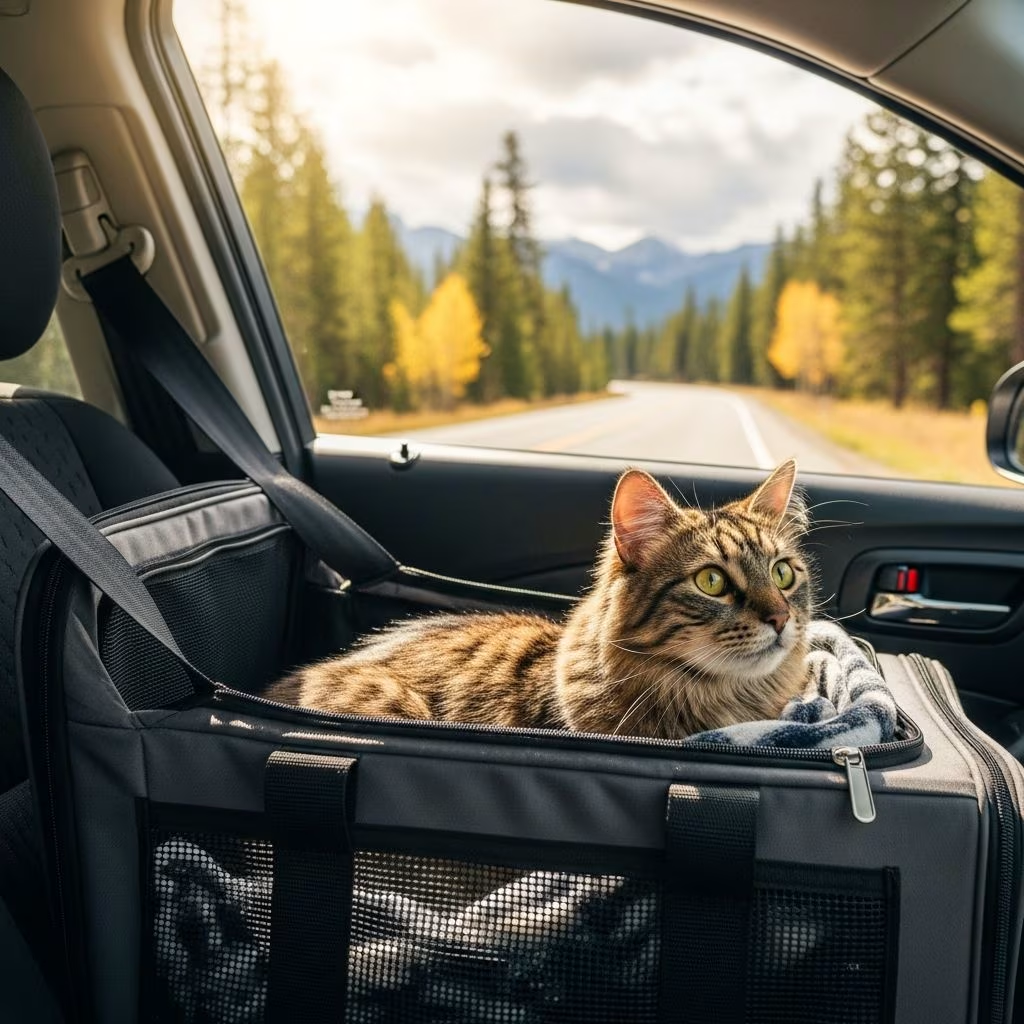
Bringing your cat along for a car adventure can transform a routine drive into a shared bonding experience, but it demands thoughtful preparation to keep both you and your pet safe and relaxed. Whether you’re heading to a new home, a vacation spot, or just a long-distance visit, cats often view cars as unfamiliar territory filled with strange noises and motions. This comprehensive guide outlines everything from initial acclimation to handling unexpected challenges, drawing on veterinary insights and practical experiences to help your cat thrive on the road.
Building a Strong Foundation Before Departure
Success in feline road travel starts weeks or even months ahead, focusing on gradual exposure to reduce anxiety and build positive associations. Cats are creatures of habit, so disrupting their routine abruptly can lead to stress-related issues like excessive vocalization or elimination problems.
Acclimating Your Cat to the Carrier
The cornerstone of safe cat transport is a sturdy, well-ventilated carrier that your pet views as a secure haven rather than a prison. Begin by leaving the carrier open in a quiet room with familiar bedding inside to encourage voluntary entry. Reward exploration with high-value treats or play sessions to foster comfort.
- Introduce short sessions daily, gradually closing the door for brief periods while you remain nearby.
- Progress to carrying the closed carrier around the house, praising calm behavior upon release.
- Incorporate pheromone products like synthetic feline calming sprays on bedding to enhance relaxation during containment.
Over time, this turns the carrier into a positive space associated with rewards, making travel day less daunting.
Simulating Travel Conditions at Home
Once carrier familiarity is established, mimic car environments indoors. Run the engine from outside with your cat secured inside, allowing them to adjust to vibrations and sounds without full motion. Short indoor “drives”—carrying the carrier while walking—bridge the gap to actual vehicle use.
Feed meals inside the carrier to link it with nourishment, a tactic recommended by animal health professionals for countering travel aversion.
Selecting Gear for Optimal Safety and Comfort
Investing in quality equipment isn’t just about convenience; it’s a critical safeguard against accidents and escapes. Prioritize crash-tested carriers that secure via seat belts, ensuring your cat remains immobilized during sudden stops or collisions.
| Carrier Feature | Benefits | Examples |
|---|---|---|
| Crash-Tested Design | Withstands impacts; FAA-approved options available | Hard-sided with belt loops |
| Mesh Ventilation | Reduces overheating; allows visibility | Dome-top models |
| Convertible Bed | Familiar scent retention; multi-use at home/hotel | Pet bed-carrier hybrids |
| Size Fit | Cat stands/turns comfortably without excess space | Measure pet + litter needs |
Beyond carriers, equip your cat with a breakaway collar bearing current ID tags, including temporary travel contact info. Microchipping provides permanent identification should tags fail. For supervised breaks, a properly fitted harness prevents escapes—practice leash walking beforehand to avoid struggles.
Packing Essentials for a Seamless Journey
A dedicated “cat travel kit” kept within arm’s reach minimizes disruptions. Pack multiples to account for spills or losses, focusing on hydration, nutrition, and hygiene.
- Hydration: Collapsible bowls, bottled water (avoid sudden changes to prevent tummy upset).
- Food: Pre-portioned dry/wet meals matching home diet; withhold breakfast on travel day to curb motion sickness.
- Hygiene: Disposable litter pan, clumping litter, pee pads lining carrier base, waste bags, enzymatic cleaners.
- Comfort: Familiar toys, blanket, grooming tools, medications (consult vet for anti-nausea if needed).
- Tech: GPS tracker attached to collar/carrier for real-time location.
Include a first-aid kit with bandages, styptic powder for nail trims, and any prescription calmatives approved by your veterinarian.
Mastering the Drive: Protocols for Every Mile
With preparations complete, execution is key. Secure the carrier on the passenger seat or floor, buckled firmly—never loose on seats where it could shift perilously.
Managing Motion Sickness and Stress
Cats prone to car sickness show signs like drooling, vomiting, or lethargy. Mitigate by:
- Traveling during your cat’s normal sleep cycle.
- Using fans for airflow or covering carrier partially to block motion views.
- Offering small water sips at stops; avoid feeding en route.
Calming aids like pheromone diffusers or vet-prescribed sedatives can be game-changers for anxious felines, but trial them pre-trip.
Strategic Pit Stops and Breaks
Plan halts every 2-3 hours at pet-friendly rest areas. For leashed cats, short walks provide exercise; otherwise, supervised carrier release inside the vehicle suffices.
- Choose shaded, low-traffic spots to minimize spooking.
- Carry litter access for urgent needs—some carriers accommodate mini pans.
- Monitor temperature rigorously; cars heat to lethal levels in minutes.
Solo travelers: Duplicate keys allow engine-running stops with AC/heat on, doors locked. Limit absences to essentials.
Overnight Stays and Multi-Day Treks
For extended trips, verify pet policies at hotels or campsites upfront—honesty prevents evictions. Recreate home routines upon arrival: immediate litter setup, quiet feeding, and pheromone application in new spaces.
Secure rooms by blocking escapes under doors or furniture. If flying midway, confirm carrier airline compliance.
Common Hurdles and Solutions
Anticipate issues like vocalizing, hiding, or elimination accidents with proactive measures.
| Issue | Solution |
|---|---|
| Excessive Meowing | Ignore attention-seeking; use white noise or music. |
| Escape Attempts | Double-check harness/door latches; use tracker. |
| Messy Carrier | Layer pads; pack spares and gloves. |
| Heat/Cold Extremes | Pre-cool/heat vehicle; reflective shades. |
Frequently Asked Questions (FAQs)
Can cats travel loose in the car?
No—unrestrained cats risk injury from distractions, sudden maneuvers, or escapes at stops. Always use a secured carrier.
How do I handle a cat that hates the car?
Start desensitization early with short, positive trips paired with treats. Vet behavioral consults may recommend meds.
Is it safe to leave my cat in the car briefly?
Only with engine running, AC/heat on, and doors locked—and never in extreme weather. Minimize time unattended.
What if my cat needs to use the litter box mid-trip?
Incorporate a portable pan in a spacious carrier or vehicle area during safe stops.
Should I sedate my cat for travel?
Discuss with a vet; not all cats need it, and improper use poses risks. Natural aids often suffice first.
Long-Term Travel Confidence
Repetition breeds mastery—regular short trips build resilience, turning your cat into a seasoned road warrior. Monitor health post-travel for stress indicators like appetite loss, consulting professionals if persistent. With diligence, car journeys become opportunities for adventure, strengthening the human-feline bond mile by mile.
References
- Road Trips and Car Travel With Your Cat — VCA Animal Hospitals. 2023-05-15. https://vcahospitals.com/know-your-pet/road-trips-and-car-travel-with-your-cat
- Traveling with your cat? We’ve got some tips! — Animal Humane Society. 2024-02-10. https://www.animalhumanesociety.org/resource/traveling-your-cat-weve-got-some-tips
- 13 Tips for Traveling with a Cat by Car — KittyCatGO. 2023-08-22. https://kittycatgo.com/how-to-travel-with-a-cat-in-a-car/



