

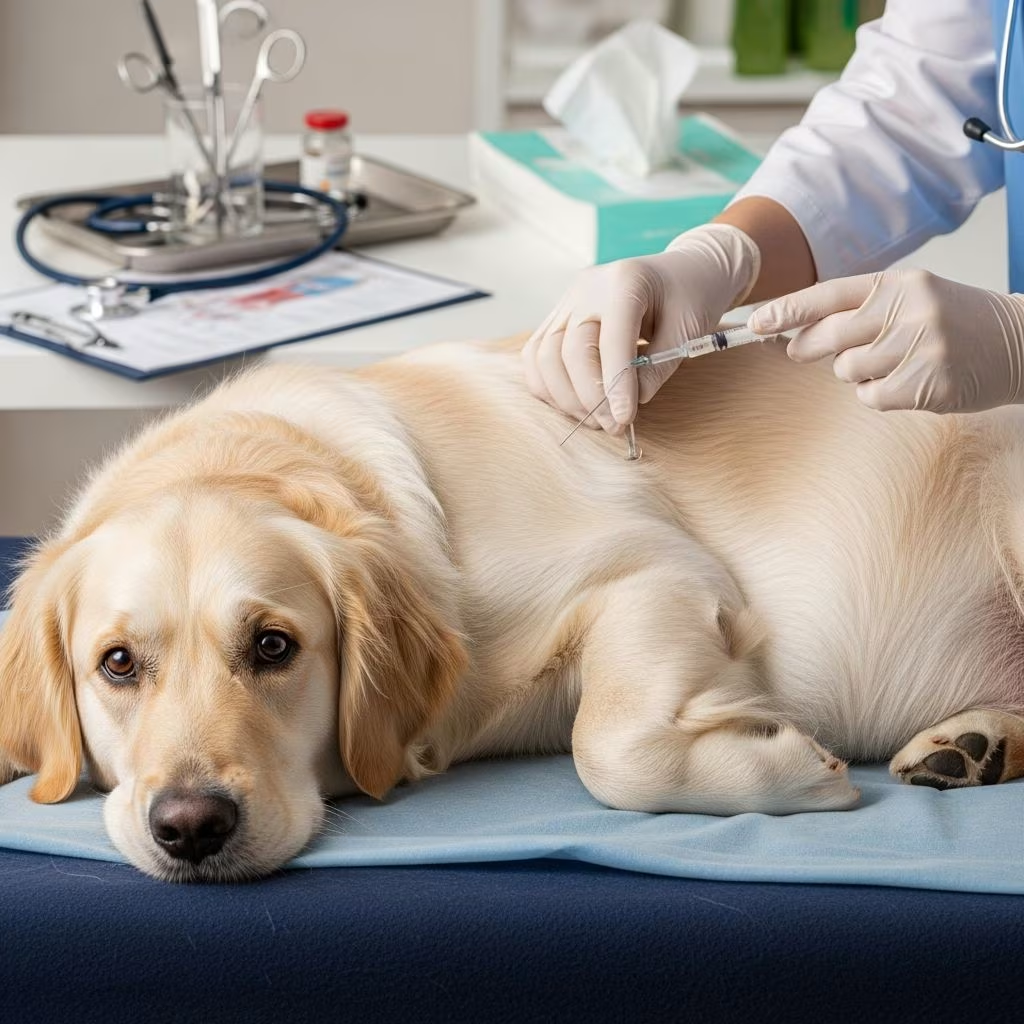
Administering vaccines to pregnant dogs is widely discouraged by veterinary guidelines due to the potential for inflammatory responses that can harm developing embryos or disrupt pregnancy.Key risks include embryo resorption, placental interference, and lack of timely immunity transfer to puppies. While exceptions exist in outbreak scenarios, routine vaccination during gestation prioritizes risks over benefits.
Understanding Vaccine Mechanisms and Pregnancy Physiology
Vaccines stimulate the canine immune system to produce antibodies, often causing localized or systemic inflammation as a normal response. In non-pregnant dogs, this is typically mild and resolves quickly. However, pregnancy alters immune function, making the dam more susceptible to complications from even minor inflammation.
During gestation, the uterus and placenta form a delicate environment for embryo implantation and fetal development. Inflammation peaks around days 18-25 post-breeding, a critical window when embryos are implanting. Any immune activation during the first 30 days can prevent implantation, cause early resorption, or lead to fetal demise.
- Immune Suppression in Pregnancy: Pregnant dogs experience natural immunosuppression to tolerate the fetus, reducing their ability to handle vaccine-induced stressors.
- Placental Barrier Vulnerability: Certain vaccine components, especially from modified live vaccines (MLV), may cross the placenta, potentially infecting fetuses.
- Colostrum Timing Issue: Boosting maternal antibodies for colostral transfer requires 30-45 days, too late for the current litter’s needs.
Types of Vaccines and Their Specific Dangers
Not all vaccines carry identical risks, but guidelines emphasize caution across categories. Live vaccines pose the highest threat due to replication potential.
| Vaccine Type | Risk Level | Potential Effects | Recommendation |
|---|---|---|---|
| Modified Live Virus (MLV) | High | Fetal infection, resorption, congenital defects | Never use in pregnancy |
| Inactivated/Killed | Moderate | Inflammation, weaker response; still risky early gestation | Avoid unless essential |
| Combination (e.g., DHPPi) | Variable | Safe in specific studies with overdose, but not routine | Only in controlled trials/outbreaks |
MLV vaccines like those for distemper, parvovirus, and adenovirus are contraindicated because live organisms can cross the placental barrier, leading to stillbirths or developmental abnormalities. One study on Canigen DHPPi/L(R) showed no adverse effects even with overdoses in beagles, but this does not override general prohibitions.
Consequences of Accidental Vaccination During Pregnancy
If a dog is vaccinated unknowingly pregnant, monitor closely for signs of distress. Common outcomes include:
- Reduced litter size from early embryonic loss.
- Placental disruption causing mid-term abortions.
- Puppies born with weakened immunity, interfering with their own vaccination schedule due to excess maternal antibodies.
Veterinary manuals note that vaccine adjuvants or preservatives can harm fetuses independently of the antigen. In shelters during outbreaks, benefits may outweigh risks if the dam is unvaccinated, but this requires expert oversight.
Optimal Vaccination Strategies for Breeding Dogs
To protect future litters without endangering pregnancy, vaccinate well before breeding.
- Pre-Breeding Protocol: Administer core vaccines (DHPP) 2-4 weeks prior to mating. This peaks antibody titers for optimal colostral transfer.
- Annual Boosters: Maintain titers via testing or boosters post-weaning, avoiding gestation periods.
- Puppy Vaccination: Independent of maternal status, start at 6-8 weeks with boosters to 16 weeks.
Titer testing measures antibody levels, reducing unnecessary boosters and minimizing risks.
Alternatives to Vaccination for Pregnant Dams
Focus on supportive care to bolster natural defenses:
- Nutrition: High-quality diets rich in antioxidants support immune health without inflammation.
- Parasite Control: Use pregnancy-safe dewormers and flea preventives.
- Hygiene and Isolation: Minimize exposure to pathogens in breeding environments.
- Health Screenings: Pre-breeding exams detect issues early.
Special Scenarios: When Vaccination Might Be Considered
Rare cases justify vaccination:
| Scenario | Vaccine Choice | Rationale |
|---|---|---|
| Disease Outbreak (e.g., Parvo in Shelter) | Inactivated if possible | Protects dam and prevents litter exposure |
| Unknown Vaccination History | Case-by-case | Outweigh risks if naive to disease |
| High-Risk Breeds/Environments | Pre-pregnancy only | Avoid gestation entirely |
Always consult a reproductive veterinarian; one study affirmed safety for a specific combo vaccine under extreme conditions, but guidelines remain conservative.
Breeder Best Practices for Litter Health
Successful breeding prioritizes prevention:
- Track heat cycles accurately to plan vaccinations.
- Separate pregnant dogs from unvaccinated animals.
- Monitor pregnancy via ultrasound from day 25.
- Ensure colostrum intake for neonates within hours of birth.
Post-whelping, vaccinate the dam once cleared by vet check.
Frequently Asked Questions (FAQs)
Is it ever safe to vaccinate a pregnant dog?
Generally no, but in outbreaks with unknown history, inactivated vaccines may be used under veterinary guidance.
What if my dog was vaccinated accidentally while pregnant?
Monitor for vaginal discharge, lethargy, or appetite loss. Ultrasound can assess litter viability; contact your vet immediately.
Do killed vaccines protect puppies better?
No, they still risk inflammation and don’t provide timely colostral boost for the current litter.
How soon before breeding should I vaccinate?
2-4 weeks prior ensures peak titers without pregnancy overlap.
Can titer tests replace vaccines for breeders?
Yes, they confirm immunity, allowing tailored schedules.
By adhering to evidence-based protocols, breeders safeguard maternal and neonatal health, ensuring thriving litters without unnecessary vaccine risks.
References
- Vaccinating Pregnant Dogs or Cats: Why It’s Not Recommended — K9 Reproduction. 2023. https://www.k9reproduction.com/single-post/vaccinating-pregnant-dogs-or-cats-why-it-s-not-recommended
- Safety of Canigen® DHPPi/L(R) Vaccines for Pregnant Bitches — Avens Online (JVSM). 2015-01-15. https://www.avensonline.org/fulltextarticles/JVSM-2325-4645-03-0015.html
- Care of the Pregnant Dog — Mar Vista Animal Medical Center. Accessed 2026. https://www.marvistavet.com/care-of-the-pregnant-dog.pml
- Vaccine Failure and Other Adverse Events in Animals — Merck Veterinary Manual. Accessed 2026. https://www.merckvetmanual.com/pharmacology/vaccines-and-immunotherapy/vaccine-failure-and-other-adverse-events-in-animals
- Vaccinating Pregnant Dogs or Cats: Don’t Do It! — Revival Animal Health. Accessed 2026. https://www.revivalanimal.com/learning-center/vaccinating-pregnant-dogs-or-cats-dont-do-it



